


How to Tell If a Seafood Restaurant Is Actually Good


In Tampa Bay, finding a restaurant that serves seafood isn’t difficult. The much harder part is figuring out which one is actually worth having dinner at. A menu may include shrimp, fish, crab, oysters, and calamari, but simply having seafood on the menu says nothing about the quality of the kitchen.
A good seafood restaurant usually has a clear understanding of what it wants to show its guests. The focus may be on local fish, oysters and shellfish, or simply preparing the freshest catch, while other restaurants may specialize in more complex dishes – it’s worth starting not with ratings or interior photos, but with the menu itself.
Start with what you actually want to eat
“Seafood restaurant” is a pretty broad term. If you’re looking for fresh fish, a restaurant that specializes mostly in fried shrimp and seafood baskets may not be the best choice. If you’re looking for oysters, it’s important to see whether they’re a consistent part of the restaurant’s concept rather than just a random menu item.
Before making a reservation, it’s worth deciding on at least the main direction: fish, oysters, shellfish, crab, shrimp, or several types of seafood to share. This will already help narrow down your choices.
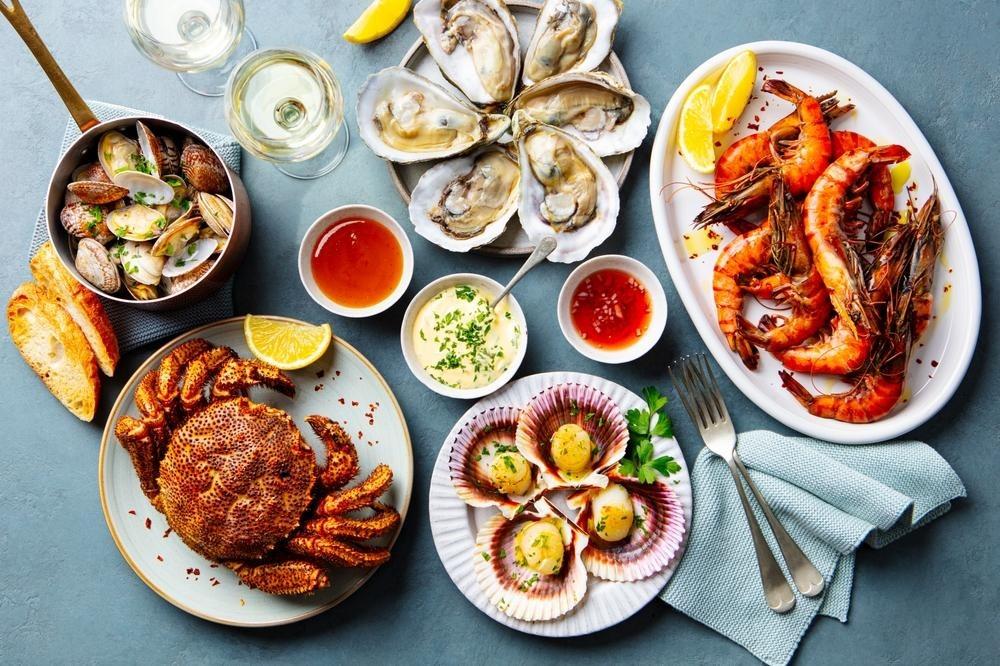
Look at how seafood-focused the menu really is
At a good seafood restaurant, seafood shouldn’t feel like a random addition to the menu. If most of the offerings consist of steaks, burgers, and pasta, while seafood is represented by a few standard dishes, it may simply be a general restaurant that happens to serve seafood.
A specialized restaurant, on the other hand, often has several different ways to showcase the same product. For example, fish may be available grilled, blackened, or simply pan-seared, while shrimp may appear in several different combinations. This doesn’t guarantee quality on its own, but it shows that the kitchen treats seafood as a main ingredient rather than simply adding it to the menu.
At the same time, an extremely large menu isn’t always an advantage. For a perishable product, too much variety can raise more questions than confidence.
Pay attention to how the restaurant talks about where its seafood comes from
Not every restaurant has to provide detailed information about the origin of every shrimp or fillet. But if a restaurant emphasizes local catch, wild-caught seafood, or specific suppliers, it’s worth paying attention to how consistently that information is presented.
Labels such as Gulf, Florida, or the specific species of fish can be especially useful. They help you understand exactly what you’re ordering rather than simply leaving the product under a general name like “fresh fish.”
Don’t ignore seasonality
Fish and other seafood are seasonal too, and the availability of specific species can change. In Tampa Bay, seasonality depends not only on the product’s flavor and quality but also on fishing regulations, fish migration, and local restrictions.
In the near future, it’s worth paying attention to seasonal offerings of red snapper, grouper, black sea bass, king mackerel, and flounder. The seasons can vary by species, and the opening and closing dates for commercial or recreational fishing change, so it’s best to confirm current information directly with the restaurant.
If a restaurant regularly updates its menu based on what’s available, that can be a good sign. Local fish that currently offer the best quality or are available from local suppliers may appear on the menu, while other items temporarily disappear.
In this case, it’s worth looking not only at today’s list of dishes but also at whether the offerings change over time. We’ve already covered how to recognize a truly seasonal restaurant menu, and those principles are also useful specifically for seafood.
A seasonal menu doesn’t automatically mean better cooking. But for a restaurant working with a product that depends on fishing and supply, being willing to change the offerings instead of constantly repeating the same set of dishes can say a lot about the kitchen’s approach.
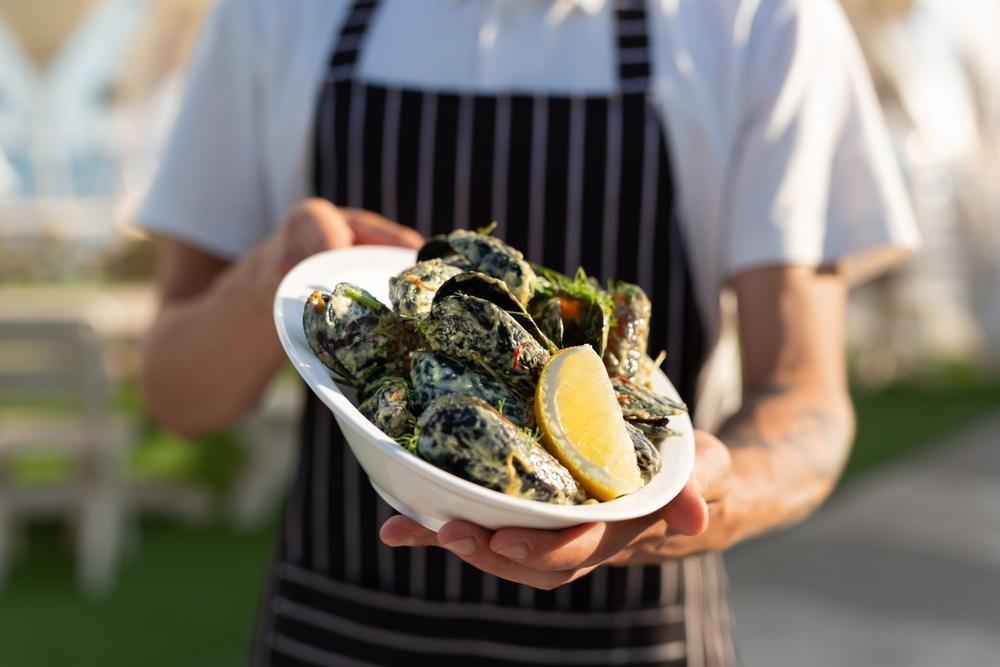
Look at how the seafood is prepared
Unscrupulous cooks can easily hide the quality of a product under too much sauce, breading, or seasoning. That’s why it’s worth paying attention to whether the menu includes simple preparation methods.
Grilled, broiled, steamed, or simply pan-seared seafood gives you a better opportunity to evaluate the product itself. This doesn’t mean you should avoid complex dishes. A good sauce or thoughtfully designed composition can absolutely complement seafood. The question is different: can the restaurant work with the product without needing to mask its flavor?
If almost every seafood dish comes with the same breading, a very heavy sauce, or deep-frying, the menu deserves a closer look.
If you’re ordering oysters, look at the details
Oysters require a somewhat different approach than prepared seafood dishes. If a restaurant offers raw oysters, pay attention to whether it lists their variety or origin and whether the oyster selection changes.
Different oysters can vary significantly in flavor, salinity, and texture. So a menu that simply offers “oysters” without any details gives the guest much less information than a restaurant that provides specific names and origins.
For a first visit, this can also be a good reason to ask the staff what’s currently the most interesting or freshest option. The answer should be specific rather than simply being that “everything is popular.”
Check whether there’s a balance between freshness and variety
More variety of seafood on the menu doesn’t necessarily mean better quality. For a small restaurant, a short menu with several types of fish and shellfish can be much more interesting than a huge list with dozens of items.
It’s especially worth looking at daily or market offerings. The catch of the day can be a good choice if the staff can explain exactly what kind of fish it is, how it’s being prepared that day, and why it appeared on the menu.
If there’s no clear answer when you ask about the catch of the day, it’s better not to order it simply because the name implies freshness.
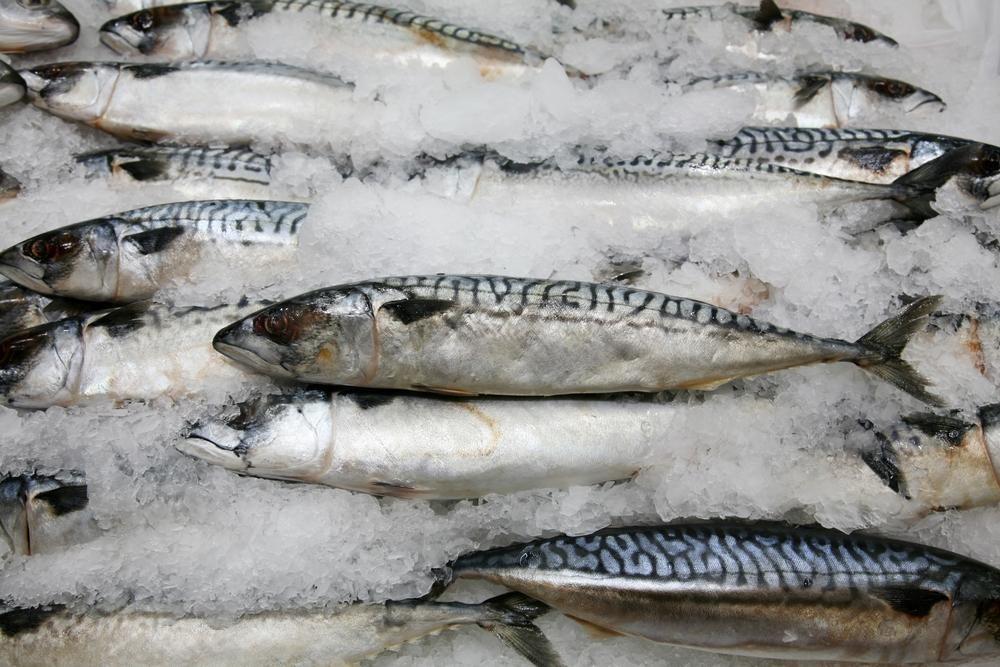
Pay attention to freshness red flags
For seafood, freshness isn’t just a matter of taste. Improperly stored fish and shellfish can cause food poisoning, and the consequences can be serious. So words like fresh, fresh catch, or daily catch shouldn’t be treated as a guarantee that the product was just caught.
It’s important to understand that “fresh catch” doesn’t necessarily mean fish that was caught that same morning. In the restaurant industry, fish may be transported, chilled, or frozen. Freezing itself also doesn’t mean low quality: fish is often rapidly frozen immediately after being caught to preserve its quality.
Instead, what should make you cautious are things you can see or smell during the meal. Fish shouldn’t have a strong “fishy,” sour, rancid, or ammonia-like smell. The FDA notes that fresh fish should have a mild, fresh smell, while unpleasant odors can become stronger after cooking.
Texture is important for fillets. They shouldn’t be soft, slimy, mushy, or dried out around the edges. Darkening, yellowish or brown areas, and dry edges can also indicate that the product has lost quality.
If a restaurant displays a whole fish before cooking, you can look at the eyes, skin, and gills. Fresh fish generally has clear, transparent eyes, shiny skin, and bright red or pink gills without slime. Cloudy, sunken eyes and slime on the gills indicate loss of freshness.
But there is an important limit: not all unsafe seafood can be identified by its appearance, smell, or taste. For example, scombrotoxin, or histamine, poisoning is associated with improper temperature storage of certain types of fish, including tuna, mackerel, and mahi-mahi. Once histamine has formed in the product, it cannot be reliably destroyed by cooking, freezing, or washing.
That’s why the word fresh on a menu shouldn’t be your only criterion. If you’re ordering the daily catch or another fish the restaurant is highlighting, it’s perfectly reasonable to ask what species it is, where it comes from, and when it was delivered. Good staff shouldn’t take these questions as a sign of distrust.
You should be especially cautious with raw or undercooked seafood. For these dishes, safety isn’t limited to freshness: some types of fish can contain parasites, and freezing reduces the risk of infection but does not eliminate all harmful microorganisms. The FDA recommends thoroughly cooking seafood as the safest option.
The best approach is not to try to determine safety based on a single word on the menu. Check how the restaurant describes the product, ask a few specific questions, and pay attention to the smell, texture, and appearance of the dish. If the seafood shows obvious signs of spoilage, it shouldn’t be eaten regardless of what it’s called on the menu.
Consider what you’ll pair with your seafood
For many dishes, it’s not just the seafood itself that matters, but also what the restaurant offers with it. Light sides, sauces, citrus, herbs, and other components can significantly change the experience of the same fish.
If you’re planning to order wine, it’s worth looking at the wine list ahead of time, and our article “Don't Know Much About Wine? Here's What to Look for on a Restaurant Wine List” can be helpful for that. The right wine highlights the flavors of a dish and adds sophistication even to dishes made with the simplest fish. If a restaurant offers a wine list that pairs well with its dishes and the servers can help choose a wine for any type of seafood, that’s a sign of a good establishment.
But don’t judge a seafood restaurant solely by its wine. A good wine list is a nice bonus, while the quality of the main product remains the primary reason to come here.
If you have dietary restrictions, check the menu before your visit
Seafood itself may be the main reason for choosing a restaurant, but seafood menus also often contain other potential allergens: dairy, nuts, soy ingredients, gluten, and various sauces.
If you have a food allergy, don’t rely solely on whether you can determine a dish’s ingredients yourself from its name. Our article “Dining Out With a Food Allergy: How to Choose a Safe Restaurant” explains what to look for before ordering.
For a seafood restaurant, it’s especially important to ask not only about the ingredients but also about possible contact with other foods during preparation.

A beautiful seafood platter may look great on Instagram, but a photo won’t tell you how often the restaurant changes its menu, where the fish comes from, or how well the kitchen prepares it without unnecessary additions.
Before your visit, it’s more useful to spend a few minutes looking at the menu, the restaurant’s concept, and its current offerings. If the restaurant raises questions, you can contact it directly and clarify anything that isn’t available on the website.
In Tampa Bay, the selection of restaurants is especially large, so instead of searching for an abstract “good seafood restaurant,” it’s better to look for a place based on a specific product and a specific type of dinner. You can start with restaurant search and then compare the menus of the places that best match your expectations.


ABOUT TampaBayTide
FOR BUSINESS
FIND US ON SOCIAL