


The Signs of a Truly Seasonal Restaurant Menu


When a restaurant talks about “fresh local ingredients” or a “seasonal menu,” it sounds appealing. But what exactly is behind those words? And can you tell how much a restaurant actually works with seasonal ingredients if there’s no special label on the menu?
For Tampa Bay residents and visitors, this is an especially interesting question. In Florida, the seasonality of produce doesn’t quite match what everyone is used to thinking of as fall. While other parts of the U.S. are already harvesting apples and pumpkins, Florida may still be actively using tomatoes, cucumbers, peppers, and other warm-season crops. As November approaches, more cool-season vegetables gradually become available.
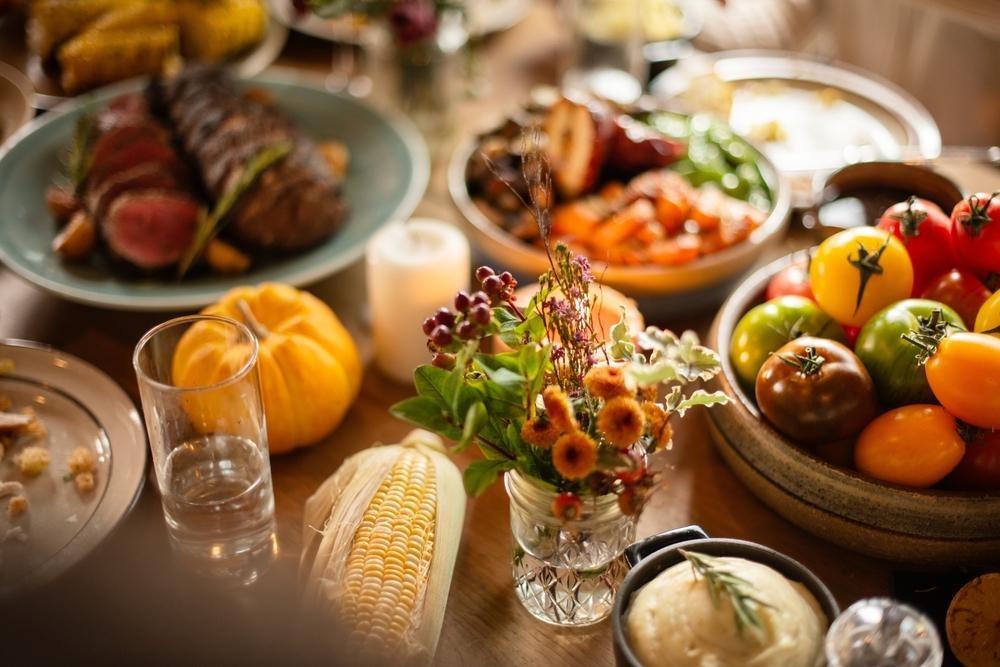
Why Seasonality Matters in the First Place
A seasonal ingredient isn’t simply a fruit or vegetable associated with a particular time of year. It refers to the period when a particular crop is naturally available in a specific region.
When produce is harvested in season, it can reach the kitchen more quickly after being picked. That can mean better freshness, more pronounced flavor, and less need for long-term storage or transportation.
There’s also a practical side. When a particular product is plentiful and easier to purchase from local growers, the price is usually lower. Seasonal availability also gives restaurants an opportunity to work more often with local farmers and suppliers.
Seasonality can also make a menu more interesting. Instead of offering exactly the same dishes throughout the year, a restaurant can change part of its menu depending on which ingredients are at their best.
That’s why a seasonal menu can often be seen as one sign that a restaurant pays attention to its ingredients. But that doesn’t mean every restaurant that uses seasonal ingredients will automatically be a good one. If you’re looking for a restaurant overall, rather than just a seasonal dish, our tips may be helpful.
How to Spot Seasonal Ingredients on a Menu
The simplest signal is seasonal specials. If a restaurant regularly changes certain dishes according to the time of year, it may indicate that the kitchen is paying attention to ingredient availability.
For example, in the fall, you might see dishes featuring pumpkin, sweet potatoes, different types of greens, broccoli, or other vegetables that do well during cooler weather.
But in Florida, it’s also worth paying attention to less obvious seasonal ingredients. At the beginning of fall, tomatoes, cucumbers, peppers, eggplant, and summer squash may still be available. So simply using the word “fall” in a dish’s name doesn’t mean the dish reflects Florida’s seasonality.
Another good sign is a menu that actually changes. If a restaurant removes certain dishes or replaces individual ingredients depending on the season, it may indicate a more flexible approach to its ingredients.
At the same time, the word “seasonal” in a dish’s name doesn’t guarantee anything by itself. A seasonal salad might contain one seasonal ingredient, while the rest of the ingredients are available year-round or were brought in from another region.
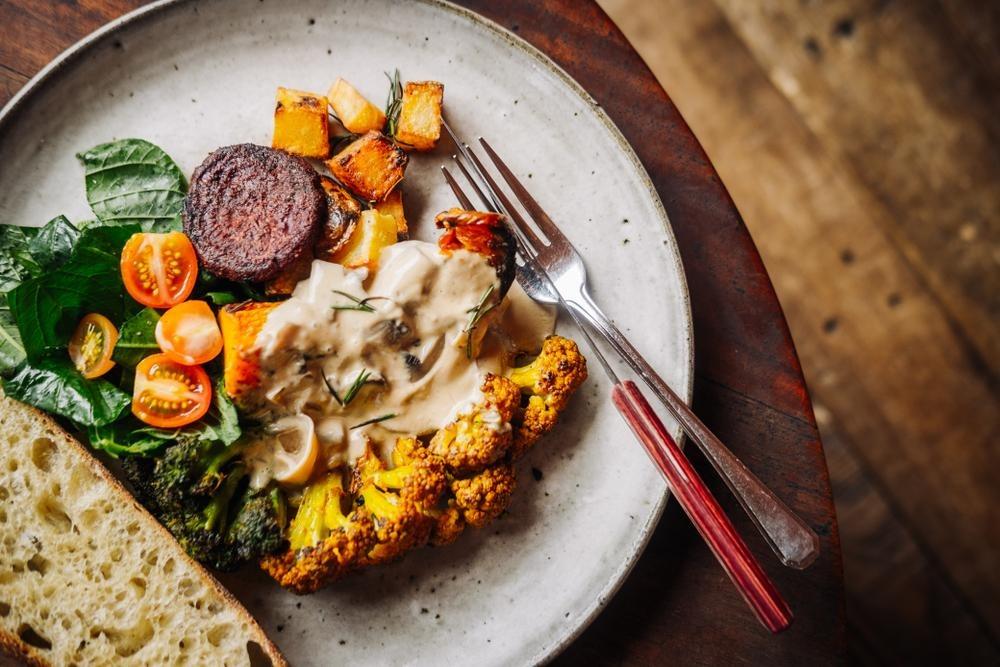
Ask Where the Ingredient Comes From
If you’re genuinely interested in whether a restaurant uses seasonal ingredients, the best way is simply to ask.
There’s no need to conduct an investigation. You can just ask which fruits or vegetables are currently in season, whether the restaurant uses local products, and which ingredients they’re working with right now. This is especially easy at restaurants that describe themselves as farm-to-table, locally sourced, or seasonal. If the staff can explain where the main ingredients come from and why a particular dish is being offered now, that’s a good sign.
But don’t expect every single ingredient in a dish to be local and seasonal. A restaurant may source some products from Florida and others from different states or countries. Seasonality doesn’t mean completely avoiding imported products.
By the way, asking about the origin and ingredients of a dish is important not only for people interested in seasonality. If you have a food allergy, be sure to ask about the ingredients and possible cross-contact. We wrote more about this in the article “Dining Out With a Food Allergy: How to Choose a Safe Restaurant.”
Which Ingredients Are in Season in the Fall
It’s important not to apply the seasonal calendar from other states to Tampa Bay. Florida’s climate allows many crops to be grown during a significant part of the year, and fall is one of the state’s important growing periods for vegetables.
At the beginning of fall, in September and October, Florida still has plenty of warm-season crops. These include tomatoes, cucumbers, peppers, eggplant, summer squash, okra, and sweet potatoes.
At the same time, the transition to cool-season vegetables begins. In the fall, you may find beets, broccoli, Brussels sprouts, cabbage, carrots, cauliflower, radishes, leafy greens, and other crops. For Central Florida, many of these are especially relevant from fall through the winter months.
Strawberries are an interesting example. In Florida, they are planted in the fall, and harvesting begins as early as November and can continue into spring. So seeing fresh Florida strawberries on a menu in late fall fits the local agricultural calendar quite well.
In the fall, you can also look for products such as persimmons, pecans, and certain varieties of grapes. Their availability depends on the specific region and weather, so a seasonal calendar is best viewed as a guide rather than a strict rule.
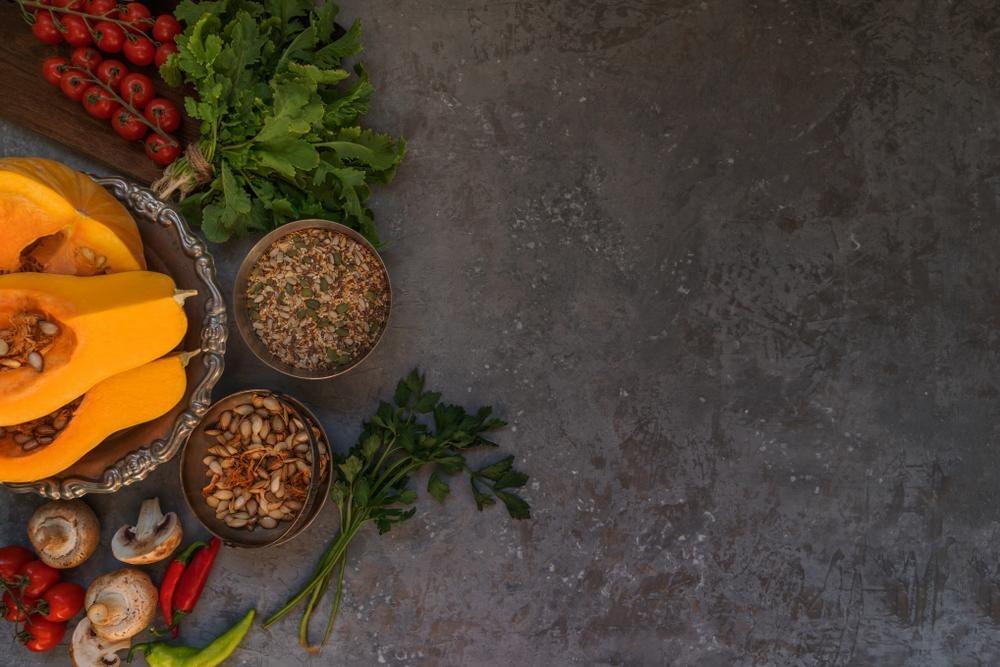
Seasonal Doesn’t Mean “Better at Every Restaurant”
Even if an ingredient is seasonal, that doesn’t automatically guarantee a great dish. It matters how the restaurant stores, prepares, and combines it with other ingredients.
Seasonality is just one sign that a restaurant pays attention to its ingredients. Freshness, quality of preparation, a clear menu, and the kitchen’s ability to showcase an ingredient rather than cover it up with lots of sauces or additions are equally important.
It’s better to think of a seasonal menu not as a guarantee of quality, but as an additional clue when choosing a restaurant.
Fall Is a Good Time to Ask What’s Best Right Now
The next time you visit a restaurant in the fall, you don’t necessarily have to look for the word “seasonal” on the menu. See which dishes have been added recently, pay attention to fruits and vegetables that are typical for this time of year in Florida, and ask your server what’s currently coming in from local suppliers. The answer to a simple question like “What’s seasonal right now?” can tell you more about a restaurant’s kitchen than dozens of online reviews.
And when you’re ready to try something new, use the restaurant search on our site and look for a place based not only on its rating, but also on its cuisine, atmosphere, and dining format.


ABOUT TampaBayTide
FOR BUSINESS