


Don't Know Much About Wine? Here's What to Look for on a Restaurant Wine List


You open a restaurant menu, find the Wine section, and see page after page of names, grape varieties, regions, and unfamiliar words. If you don't know much about wine, the list can look like a menu written in another language.
A good wine list doesn't necessarily have to be huge or complicated. It's much more important that it gives guests choices, is easy to understand, and works well with the restaurant's food. Here's what to look for.
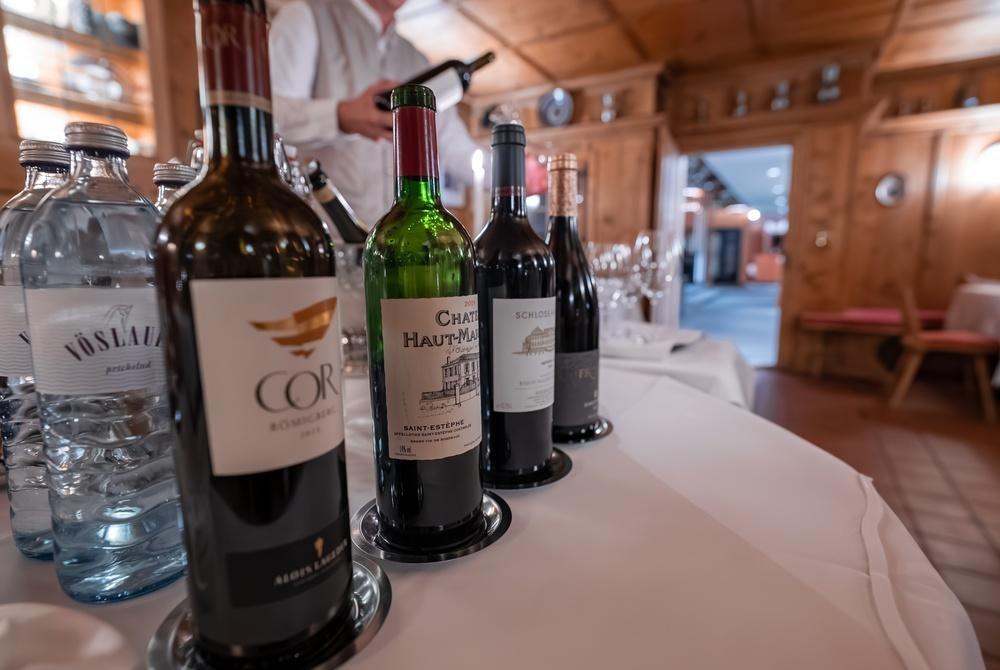
The first rule for someone who doesn't know much about wine is not to try to become a wine expert five minutes before dinner.
You don't need to memorize dozens of grape varieties, study wine regions, or figure out which vintage was particularly good. If you're choosing a restaurant for dinner or a casual get-together, it's enough to look at the wine list like any other section of the menu: how diverse is it, are there different price ranges, and can you find something for different preferences?
Your job isn't to figure out which wine is the best, but to see whether the restaurant has reduced the selection to just a few random bottles.
Look at How Diverse the Selection Is
A good wine list usually doesn't force every guest to choose the same style. It may include red, white, rosé, and sparkling wines, with different options in terms of flavor and price within each category.
You don't need to understand every name. The structure of the list itself can already tell you a lot.
For example, if a restaurant has only two reds and two whites, the selection will be pretty limited. At the same time, a restaurant with dozens of options doesn't necessarily offer a better experience. What matters is whether the variety is thoughtfully selected rather than simply creating a long list that's difficult to navigate.
This is especially noticeable when you're dining with a group. What one guest likes may not work at all for another, so having several different styles is usually more useful than having a large number of nearly identical options.
Check What You Can Order by the Glass
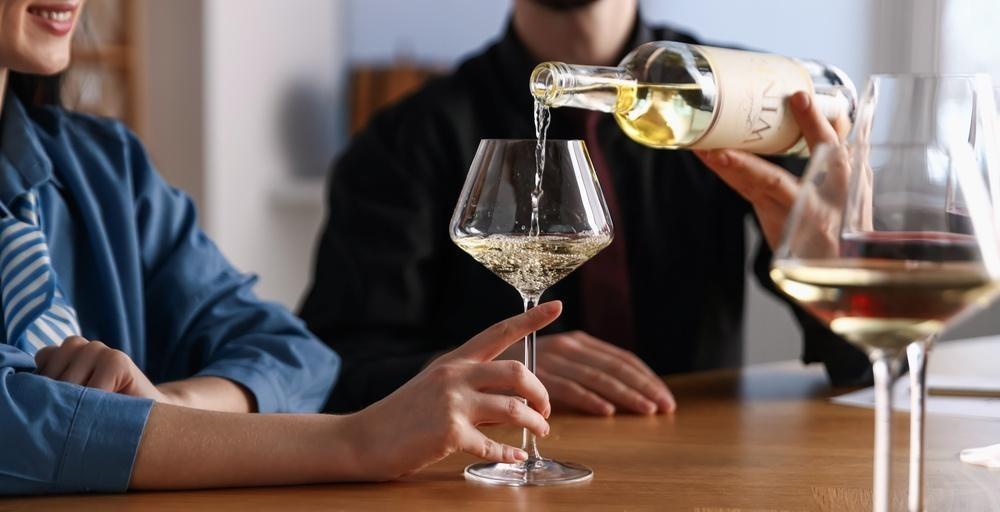
The wines by the glass section can be one of the most important parts of the entire list.
If a restaurant only offers wine by the bottle, guests have to agree on one bottle for the whole table. That's not always convenient, especially if people have different tastes or simply want to have one glass.
A good selection of wines by the glass gives you much more freedom. One guest can order white, another can have red, and someone else can stick with water or a non-alcoholic drink.
So don't just look at whether a restaurant offers wine by the glass. Look at how many options are available that way. Five or six different choices can be much more useful to a guest than a single "house wine" option.
Look at the Price Range
A wine list shouldn't force guests to choose between the cheapest bottle and an option that costs as much as half the dinner.
At Tampa Bay restaurants, a good American wine will typically cost around $35-70 per bottle or $9-16 per glass. Imported wines at a similar level often cost around $45-90 per bottle and $11-20 per glass. These are general ranges, not fixed rules: the exact price depends on the grape variety, region, and producer. The restaurant's level also has a significant impact on the price. So don't be surprised if a bottle or glass of wine at a high-end restaurant costs more than a similar wine at a casual café. The difference may have less to do with the wine itself and more to do with the level of service, the restaurant's format, the atmosphere, and its overall pricing strategy.
Different price ranges are a good sign, especially if the restaurant is designed for a broad audience. One person may want a bottle for a special dinner, while another group may simply be looking for something enjoyable with their meal without spending a lot.
At the same time, a high price doesn't automatically mean high quality. Just as the number of stars or a rating doesn't tell the whole story about a restaurant, the most expensive bottle on the wine list isn't necessarily the best choice.
It's much more useful to see whether the list offers a reasonable selection across different price ranges.
The Wine List Should Match the Restaurant's Food
You don't need to know complicated wine pairing rules to understand what wines to look for on a menu. It's enough to know a few basic pairings and consider what you're planning to order.
Seafood is most often paired with white wine. Light, dry options work well with oysters, shrimp, white fish fillets, and other delicate dishes. For richer fish, salmon, or dishes with cream sauces, you can consider a fuller-bodied white wine. Sparkling wine also often works well with seafood, especially as an aperitif or with light appetizers.
Poultry usually works with both white and light red wines. If the dish is delicate and comes with a creamy or lemon sauce, look toward white wine. Baked or roasted chicken with a richer sauce can pair well with a light red.
Red meat, steaks, burgers, and braised meat dishes are most often paired with red wines. Full-bodied varieties complement grilled meats well, while lighter reds may work better with dishes that have less intense flavors. If meat is served with a spicy or slightly sweet sauce, you don't necessarily need to choose the strongest wine. Sometimes a fruitier, softer option works better.
With pork, the choice depends on how it's prepared. Roasted or fried pork can work with either white or red wine. Dishes with apples, honey, or other slightly sweet ingredients often pair well with aromatic white wines.
For pasta and pizza, choose wine based not only on the main ingredient but also on the sauce. Tomato-based sauces generally pair well with medium-bodied reds. Seafood pasta or pasta with a cream sauce is more often suited to white wine. For pizza with meat, sausage, or spicy toppings, you can consider red wine, while a light vegetable or cheese pizza may work well with white or rosé.
With cheese, the choice depends on its texture and flavor. Soft, fresh cheeses often pair well with white and sparkling wines. Aged hard cheeses can stand up to a fuller-bodied red. Blue cheeses are often served with sweeter or dessert wines because they balance the cheese's saltiness and strong flavor.
With spicy foods, don't automatically choose the strongest red wine. A high alcohol content can make the heat feel even more intense. In these cases, aromatic whites, rosés, sparkling wines, or slightly sweet wines often work better.
With desserts, the wine should be at least as sweet as the dish itself. Otherwise, the dessert can make the wine taste flat or overly acidic. Dessert reds or fortified wines work well with chocolate and very rich desserts, while sweet whites and sparkling wines can pair nicely with fruit desserts.
These rules aren't strict laws. The sauce, spices, cooking method, and personal preferences all matter too. But they can help you navigate a wine list more quickly if you've already chosen a restaurant and have a general idea of what you're going to order.
So when you're looking at the list, think about the dish first, not the name of the wine. If you're planning to order seafood, look for dry whites or sparkling wines. If you're choosing a steak or another rich meat dish, look at the reds. For poultry, pasta, cheese, and spicy dishes, keep a few alternatives in mind, since the best choice here depends more heavily on the sauce and cooking method.
This can also be one indicator of how much attention the restaurant pays to detail overall. If the menu looks carefully planned but the wine list doesn't offer clear options for the main dishes, that's a noticeable disconnect.
Don't Be Intimidated by Unfamiliar Names
One of the most common mistakes is assuming that a familiar name automatically means good wine, while an unfamiliar one means bad wine.
In reality, a wine list may contain plenty of names that mean nothing to you. That's perfectly normal. An unfamiliar region or grape variety isn't a reason to automatically cross an option off the list.
If you don't know what to choose, look at the basic information: is it white or red, where is it from, what grape or style is it, and how much does it cost? That's already enough to ask the staff a more specific question.
For example, instead of saying, "Can you recommend a good wine?" you can say, "I'm looking for a dry white to go with fish, around this price range." Even if you don't recognize a single name on the wine list, this makes it much easier for the staff to help you.

Don't Ignore Non-Alcoholic Wine
Non-alcoholic wine deserves special attention, especially if you're evaluating a restaurant for a group where not everyone drinks.
It's not simply a universal substitute for alcoholic wine, nor is it one specific category. There are non-alcoholic white, red, rosé, and sparkling wines, and their flavors can vary significantly depending on the style and producer.
So having one non-alcoholic wine on the menu already gives guests an option, but several choices show much more consideration for different guests. For example, a restaurant might offer non-alcoholic sparkling wine for a celebratory dinner and a separate white or red option.
At the same time, don't expect non-alcoholic wine to be an exact copy of its alcoholic counterpart. Removing the alcohol changes the aroma, flavor, and mouthfeel, so it's a separate category with its own characteristics.
If non-alcoholic wine is important to you, it's best to check the menu in advance or ask the restaurant what options are currently available.
A Good Sign Is When the Staff Can Explain the Wine List
Even a very good wine list won't help if a guest is afraid to ask questions.
You don't need to pretend you know more than you actually do. Asking a server or sommelier is a perfectly normal part of the restaurant experience.
You can describe what you're looking for: something light, dry, sweeter, a white for fish, or a red for meat. If you have no idea what you want, you can simply name your dish and your budget.
Good staff shouldn't turn a question like that into a test of your knowledge. Their job is to narrow the selection down to a few understandable options, explain the differences, and help you decide without trying to sell you the most expensive item on the menu.
A Large Wine List Isn't Necessarily a Good One
When you look at a wine list, it's easy to fall into the quantity trap. A long list of bottles may look impressive, but by itself, it doesn't tell you much.
What's much more important is whether guests have choices in terms of style and price, whether enough options are available by the glass, whether the list matches the restaurant's food, and whether the restaurant has remembered those who don't drink alcohol.
That's why even someone who's never been interested in wine can evaluate a wine list fairly quickly. You don't need to determine which wine is the best. You need to understand how well the restaurant has organized its selection for its guests.
Use our search to find a restaurant and then check out its menu and wine list. And if you haven't decided what type of restaurant would work best for your group yet, check out our article "How to Find a Restaurant You'll Actually Love."


ABOUT TampaBayTide
FOR BUSINESS