


Dining Out With a Food Allergy: How to Choose a Safe Restaurant

A food allergy is not simply a temporary decision to avoid a particular food – it can actually be life-threatening. Even if the dish itself does not contain an obvious allergen, it may be present in a sauce, marinade, dressing, or seasoning. Cross-contact creates an additional risk when seemingly safe food comes into contact with an allergen during preparation.
This does not mean you have to give up eating at restaurants because of your allergy. But it is worth learning how to evaluate a restaurant before visiting and finding out in advance how well the kitchen can accommodate your needs.
Start With the Menu
Before making a reservation or heading to a restaurant, check its menu online. The more detailed the descriptions of the dishes are, the easier it is to determine which ones might be suitable for you.
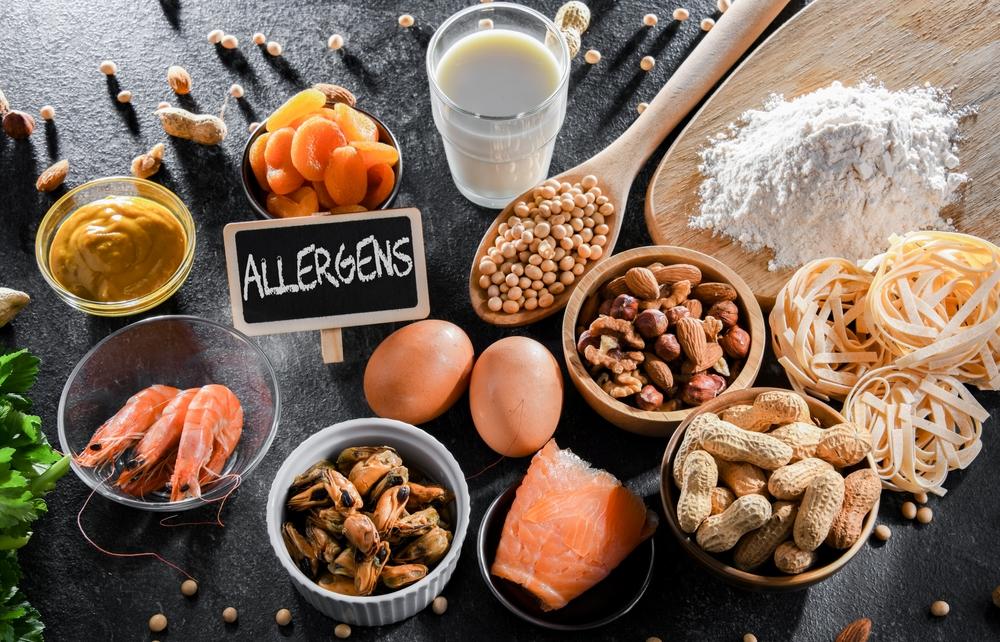
Do not rely on the name of the dish alone. Read the description carefully and pay attention to sauces, dressings, marinades, side dishes, and toppings. For example, nuts may not be part of the main dish but may be used as a topping, dairy products may be in the sauce, and wheat may be present in a dressing or breading.
Some restaurants specifically identify common allergens or provide special information for guests with food allergies and other dietary restrictions. This can be a useful starting point, but such information should not be treated as an absolute guarantee of safety. Recipes can change, and a menu label does not always explain exactly how a dish is prepared or whether contact with an allergen is possible in the kitchen.
Consider the Type of Cuisine
The type of restaurant can also matter. If a particular allergen is widely used in the kitchen, avoiding it may be more difficult.
For example, in a restaurant where nuts are an important part of many dishes, someone with a severe nut allergy may have a harder time finding a safe option. At a seafood restaurant, a person with an allergy to shellfish or other seafood should be especially careful about finding out what is in each dish. Bakeries and dessert-focused establishments often use wheat, eggs, dairy products, and nuts.
This does not mean that a particular type of cuisine is automatically unsafe. What matters more is understanding how extensively your allergen is used and whether the kitchen can prepare a separate dish while following the necessary precautions.
Call the Restaurant Ahead of Time
If your allergy can cause a serious reaction, it is best to contact the restaurant before your visit. This gives you an opportunity to ask questions and, if necessary, have a staff member confirm the information with the kitchen.
Do not limit yourself to a general question such as, “Do you have dishes for people with allergies?” It is much more useful to name the specific allergen and ask whether the restaurant can safely prepare food without it.
If you are interested in specific items on the restaurant’s menu, you can also ask about the ingredients in a particular dish, whether shared fryers, grills, or cooking surfaces are used, and whether the kitchen can take additional precautions to prevent contact with the allergen.
Calling ahead has another advantage: you can immediately see how seriously the restaurant takes these requests. If the staff is willing to check the information and explain how the food is prepared, that is a good sign.
Always Ask About Cross-Contact
The absence of an allergen from the ingredients does not necessarily mean that a dish is guaranteed to be safe. So-called cross-contact also plays an important role.
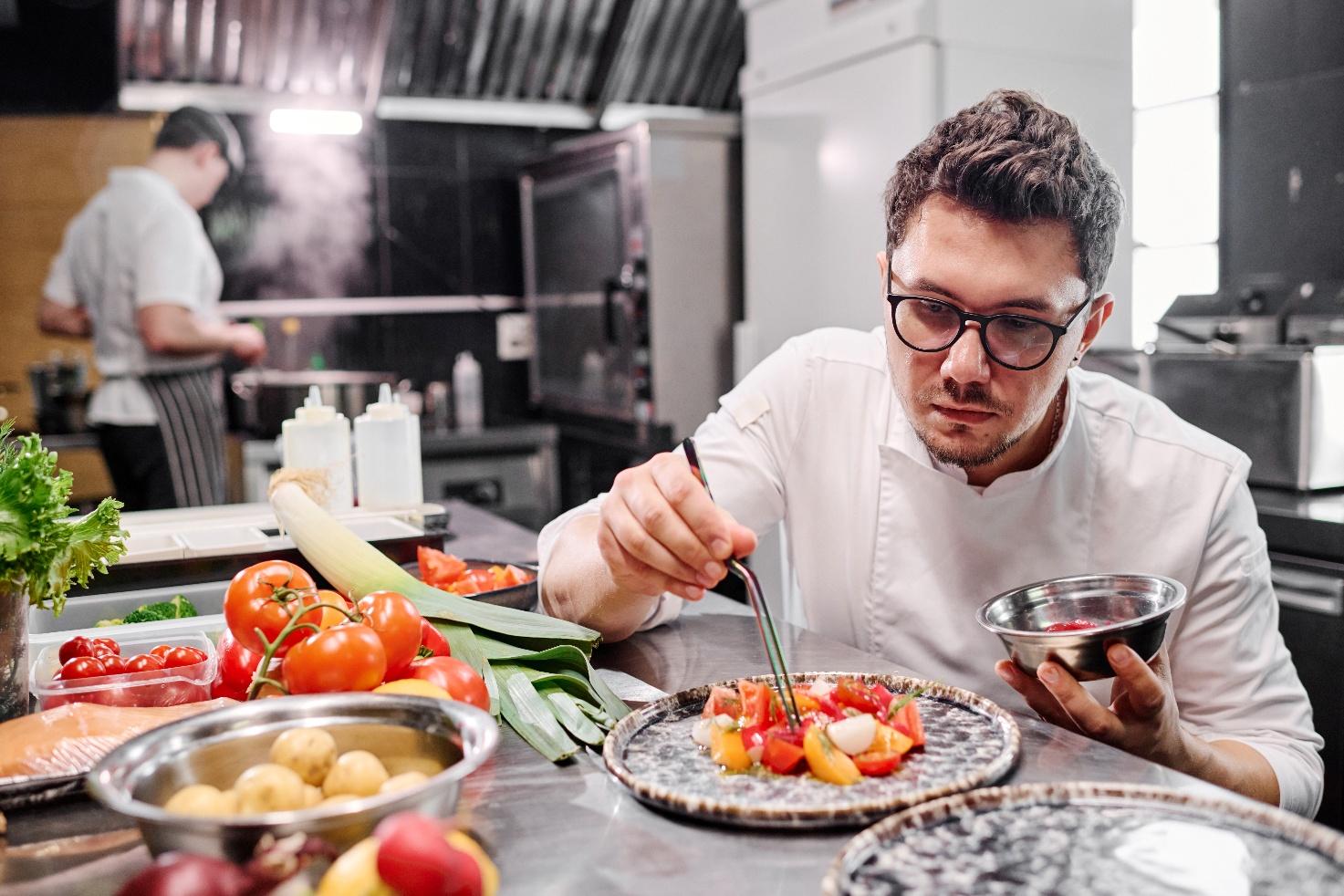
Cross-contact can occur when the same dishes, knives, cutting boards, work surfaces, fryers, or other kitchen equipment are used for foods containing different allergens.
For example, french fries may not contain an allergen in their recipe, but they may be fried in oil that is also used for other foods. And a nut-free sauce may be prepared using equipment that comes into contact with ingredients containing nuts.
That is why the question should not only be about what is in the dish, but also how exactly it is prepared.
Pay Attention to How the Staff Responds
The way restaurant staff responds to questions about food allergies can tell you a lot.
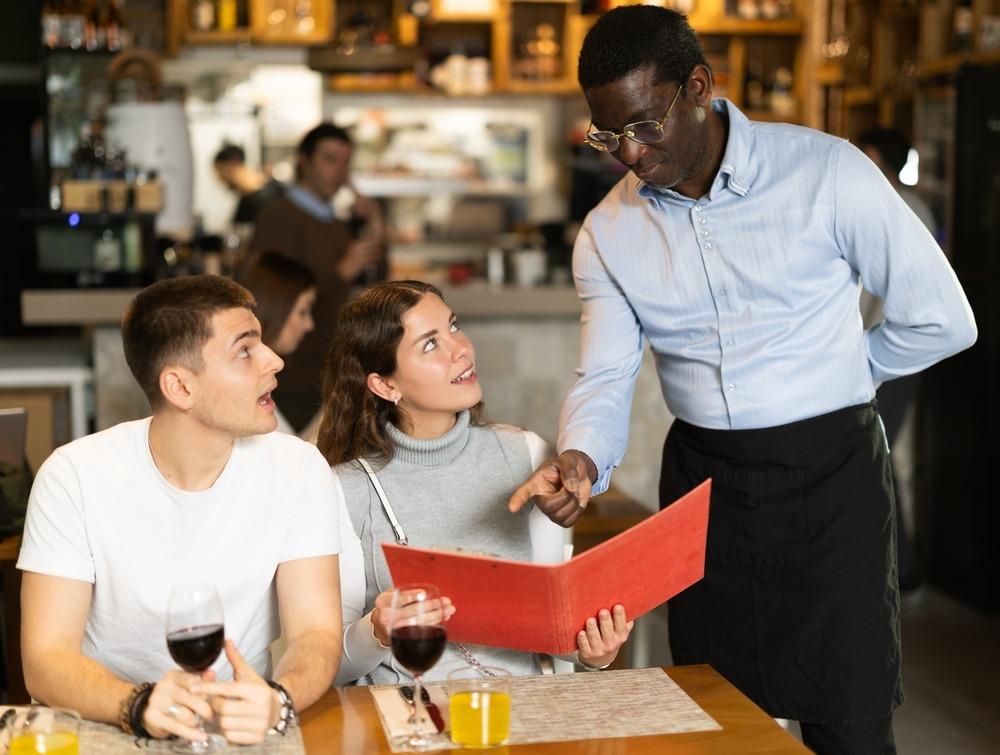
If a server listens carefully, checks with the chef or manager when necessary, and makes an effort to provide accurate information, that is a good sign. You should not be left to guess for yourself whether a particular dish is safe.
Be cautious if a staff member cannot answer your questions, is unwilling to check the ingredients, or treats your allergy like an ordinary food preference. Statements such as “there’s barely any in it,” “it’ll probably be fine,” or “I don’t think it’s in there” are not enough to consider a dish safe.
This is especially important for people with serious allergic reactions. If a restaurant cannot provide sufficiently clear information, it is better not to take the risk.
Do Not Rely on Reviews Alone
Reviews can be useful when you are looking for a restaurant, but they should not be your primary source of information about food safety.
For example, a positive review from someone with a food allergy does not mean that the restaurant is guaranteed to be safe for you. Different people can have different allergens and different reactions to them, and kitchen procedures and menus can change over time.
It is better to use reviews to create a short list of potential restaurants and then verify the current information directly with the restaurant.
By the way, if you want to learn how to evaluate not only the number of stars but also the actual value of reviews, check out our article “Don't Trust the Stars Alone: How to Spot a Great Restaurant.”
Mention Your Allergy When Making a Reservation
If you are planning a dinner at a popular restaurant or celebrating a special occasion, it is worth mentioning your allergy when you make your reservation.
This gives the restaurant additional time to check the information if necessary, alert the kitchen, and explain your requirements to the staff. After you arrive, you should also remind your server about your allergy, especially if another staff member is taking your order.
This is especially relevant for larger groups: the more dishes being ordered at the same time, the more important it is to make sure information about an allergy does not get lost during service.
When It Is Better to Choose Another Restaurant
Sometimes the safest way to eat out is simply to choose another restaurant.
If the staff cannot reliably tell you what is in a dish, does not understand your questions about your allergy, or cannot explain how the kitchen prevents cross-contact, there is no reason to force yourself to stay.
Likewise, there is no point in taking a risk if the kitchen uses your allergen in nearly every dish or cannot prepare a separate portion with the necessary precautions.
There are enough restaurants in Tampa Bay that you do not have to settle for a place where you do not feel confident. If the first option is not right for you, you can use the restaurant search on our website to find another place that fully meets your needs.

Having a food allergy does not mean you need to give up restaurants, get-togethers with friends, or new culinary experiences. It simply means choosing a restaurant requires a little more attention.
Check the menu in advance, find out how your allergen is used in the kitchen, call the restaurant if necessary, and ask not only about the ingredients in a dish but also about how it is prepared. Most importantly, pay attention to how carefully the staff responds to your questions.


ABOUT TampaBayTide
FOR BUSINESS