


Fall Humidity in Tampa Bay: The Home Problems You Shouldn’t Ignore


As the summer heat fades and evenings become cooler, it’s easy to assume that the season of dealing with excess humidity is over. However, fall doesn’t eliminate the risk of mold, condensation, or hidden damage to materials inside your home. Moist air, poor ventilation, or an inefficient air conditioning system can cause problems even when you no longer need to cool your home constantly.
Why Humidity Remains a Problem in the Fall
In October, temperatures in Florida gradually drop, but humidity doesn’t disappear along with the summer heat. Relative humidity also fluctuates throughout the day, so pleasant weather outdoors doesn’t guarantee a comfortable indoor environment.
Excess moisture can build up in closets, bathrooms, laundry rooms, storage areas, and other spaces with poor air circulation. It can also enter your home through roof leaks, leaking windows or pipes, or damage to the exterior structure.
Pay special attention to rooms that are rarely used. If your air conditioner runs less often than it did in the summer, it may remove less moisture from the air. As a result, your home may remain at a comfortable temperature while indoor humidity gradually rises.
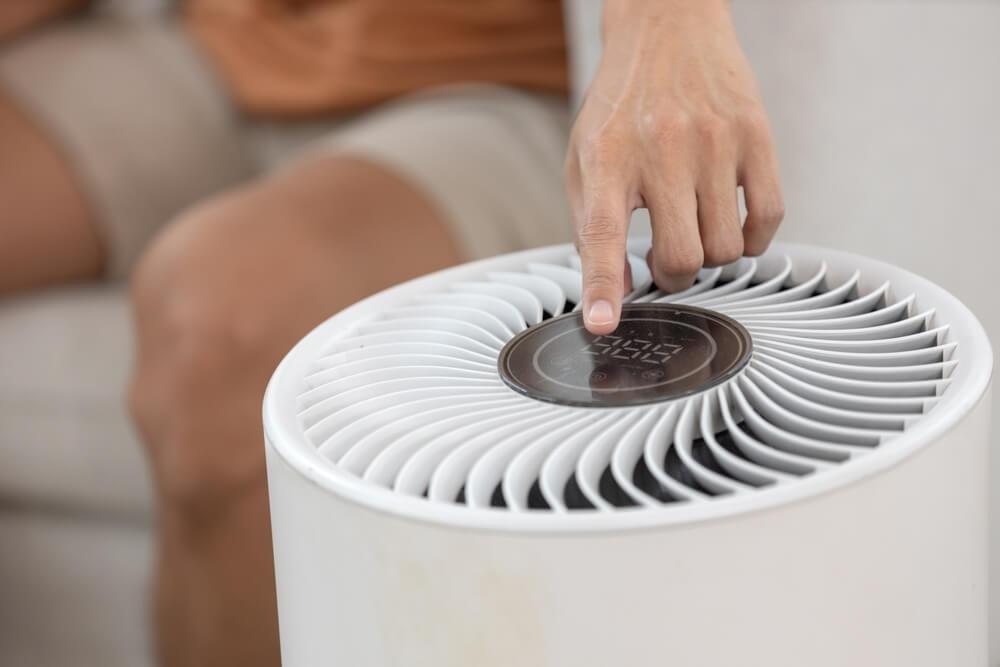
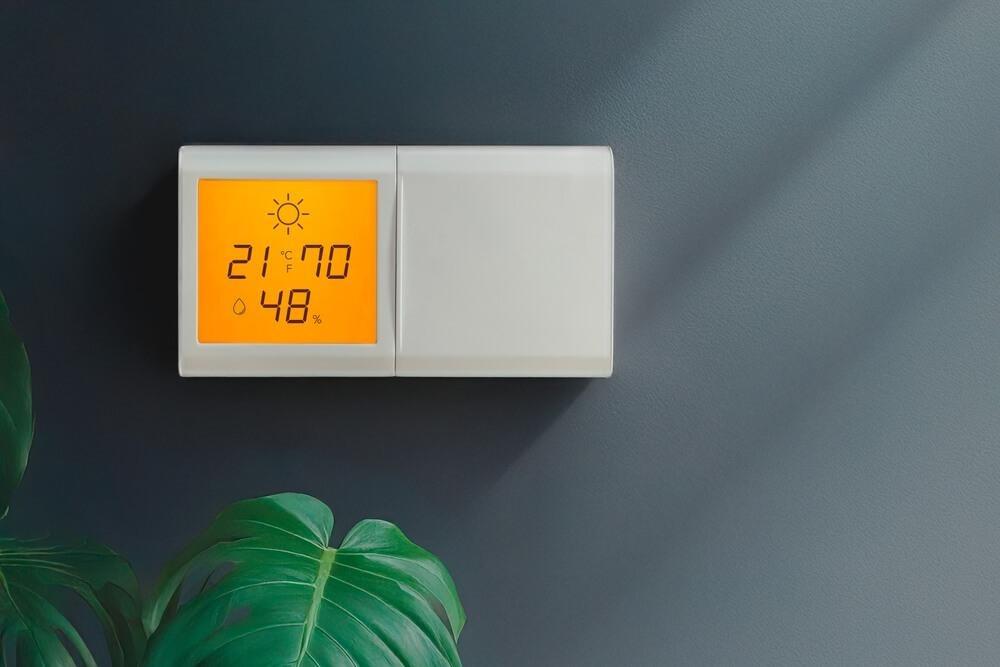
According to the U.S. Environmental Protection Agency (EPA), indoor relative humidity should ideally stay between 30% and 50%, and prolonged levels above 60% should be avoided. These conditions help reduce the risk of mold growth and other problems associated with excess moisture.
You can check humidity levels with a hygrometer, a small device that measures the moisture in the air. Many modern thermostats also have a built-in humidity sensor, allowing you to monitor indoor humidity without additional equipment. If your thermostat supports this feature, check the current readings and available settings. Keep in mind, however, that a thermostat typically measures humidity only where it is installed, so readings in other rooms may differ. If you notice dampness in a particular room, a separate hygrometer can help you check conditions in that specific area.
Don’t rely on how the air feels alone. A room may feel cool and fresh even when its humidity level has already exceeded the recommended range. Conversely, a temporary increase in humidity after showering or cooking doesn’t necessarily indicate a problem if the moisture is removed quickly.
How Excess Humidity Affects Your Home
Mold and Musty Odors. Moisture creates favorable conditions for mold growth, especially on materials that retain water. Mold can appear on walls, ceilings, inside closets, around windows, or behind furniture placed against exterior walls. It can even grow on carpets if indoor humidity is very high. If you notice spots, a persistent musty odor, or signs of dampness, it’s important to find the source of the moisture rather than simply mask the symptoms. Learn more about what causes mold growth and how to prevent it in our article “Mold: Why It Grows So Fast and How to Prevent It.”
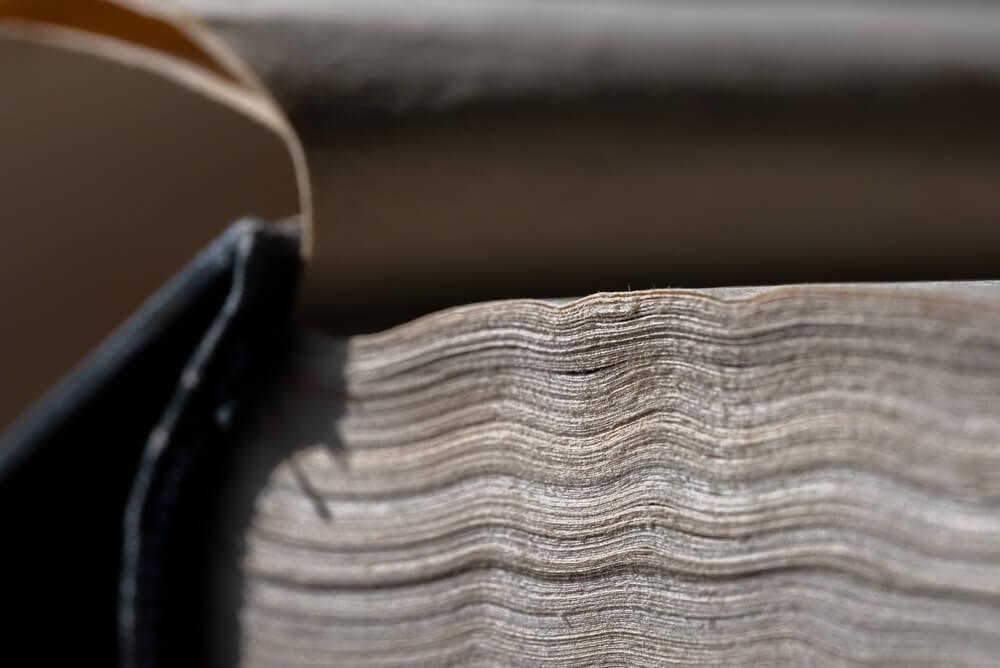
Damage to Finishes and Furniture. Prolonged exposure to moisture can cause wood to warp, paint to peel, drywall to deteriorate, and belongings stored in enclosed spaces to become damaged. For example, book pages may warp and develop a wavy texture, wooden items may swell, and clothing and other textiles stored in closets may develop a musty smell. These changes alone don’t prove that humidity is elevated throughout your home, but they may be a reason to check humidity levels, especially if similar signs appear in multiple areas.
Poor Indoor Air Quality. Excess humidity encourages mold growth and creates favorable conditions for dust mites. This can worsen allergic reactions and asthma symptoms in sensitive individuals. That’s why humidity control is important not only for protecting your home but also for maintaining a healthy indoor environment.
What Can You Do to Control Humidity in the Fall?
Monitor Humidity Levels, Not Just Temperature. If you have a hygrometer at home, check its readings periodically, especially in the morning and after cooking, showering, or doing laundry. If humidity consistently exceeds 60%, it’s worth identifying the cause and taking steps to address it.
Don’t Stop Managing Humidity When You Use the Air Conditioner Less. An air conditioner doesn’t just cool the air; it also removes some of its moisture while running. As the weather cools, your system may cycle on less frequently, so some homes may need a dehumidifier to maintain comfortable humidity levels. If your air conditioning system struggles to control humidity or operates inconsistently, it’s worth having it inspected. Learn more about choosing equipment for Florida’s climate in our article “What to Consider When Choosing an HVAC System in Tampa Bay.”
Use Exhaust Fans. Run the bathroom exhaust fan during and after a shower, and use a kitchen range hood that vents outdoors while cooking. Ventilation experts recommend turning on the range hood a few minutes before cooking on the stove and leaving it running for at least five minutes after you finish. This helps remove moisture, steam, and pollutants produced during cooking more effectively. If your range hood only filters the air and circulates it back into the room, it won’t remove moisture as effectively as a system that vents air outdoors.
Don’t Rush to Open the Windows. Fresh air is beneficial, but in a humid climate, opening a window doesn’t always help dry out your home. If the outdoor air is more humid than the air inside, ventilation can increase indoor moisture levels. Base your decision on actual conditions, not just the temperature.
Inspect Areas Where Moisture Can Accumulate. Check under sinks, around windows, ceilings beneath the roof, closets along exterior walls, and areas around your air conditioning unit. Look for condensation, stains, peeling paint, and musty odors. If materials become wet, dry them thoroughly as quickly as possible, ideally within 24-48 hours, to reduce the risk of mold growth.
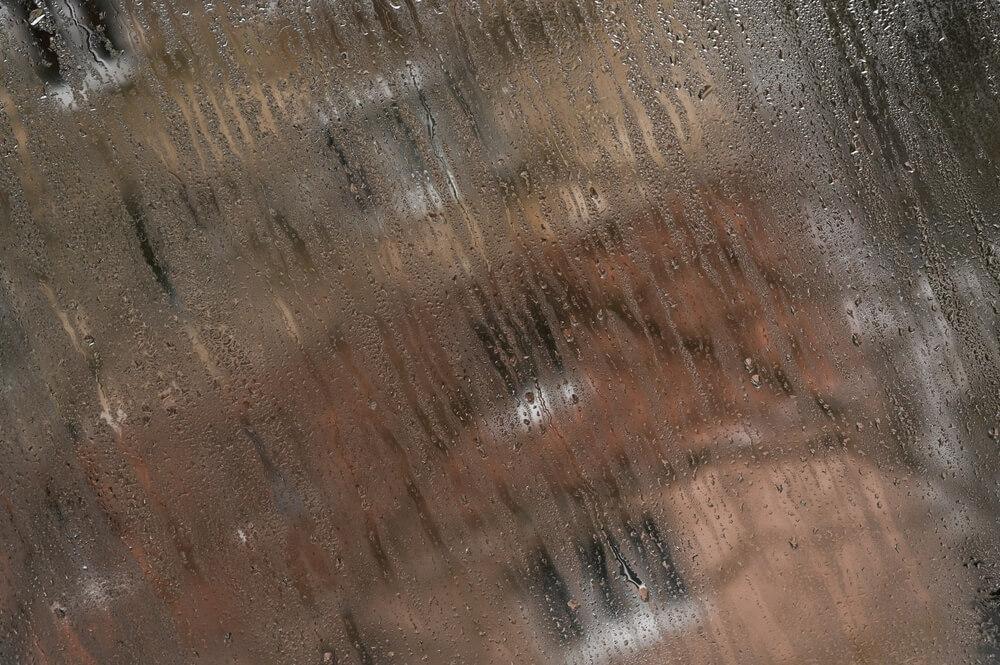
If humidity remains high despite using exhaust fans and a dehumidifier, have your air conditioning system and ventilation checked, and look for possible sources of water intrusion. Don’t delay an inspection if you notice a persistent musty odor, recurring condensation, damp spots, or stains on walls and ceilings. An HVAC professional can assess your air conditioning system and determine how effectively it controls humidity.
Don’t simply paint over damaged areas or clean visible mold without addressing the underlying cause. If moisture is entering through a leak or equipment malfunction, the problem will return.
Controlling humidity in the fall doesn’t require running your air conditioner or dehumidifier constantly. Regularly checking humidity levels, keeping your ventilation system in good working order, and responding promptly to signs of dampness are often enough to make a difference. In Tampa Bay’s climate, these steps help protect your home and maintain a healthy indoor environment even after summer ends.


ABOUT TampaBayTide
FOR BUSINESS
FIND US ON SOCIAL