


What to Consider When Choosing an HVAC System in Tampa Bay

In Tampa Bay, your air conditioner works much more than just a few months a year. Hot summers, high humidity, and a long warm season make the HVAC system one of the most important mechanical systems in a home. Choosing the right one affects not only the temperature inside your rooms, but also humidity levels, indoor air quality, comfort, and monthly electricity costs.
At the same time, choosing an air conditioner based on the principle of “the more powerful, the better” doesn’t work. An oversized system may cool the space quickly, but it can run in short cycles and fail to remove enough moisture from the air. This is especially undesirable in Florida’s climate. On the other hand, an undersized system may run almost continuously while still struggling to maintain a comfortable temperature during the hottest hours of the day.
That’s why, when choosing an HVAC system for a home in Tampa Bay, you should consider more than just the size of the home and the price of the equipment. The type of system, proper load calculation, energy efficiency, humidity control, the condition of the ductwork, installation quality, and the specific characteristics of the home all matter.
Which Air Conditioning System Is Right for Tampa Bay
For a Florida home, there are several main options to consider: a central air conditioning system, a ductless mini-split, and a heat pump. There is no one-size-fits-all solution, so the choice largely depends on how the home is built and how it is used.
A central air conditioning system, or central air conditioning, remains one of the most common options for single-family homes with ductwork. It cools air in one location and distributes it throughout the home through ductwork. If the ducts are already installed and in good condition, replacing an older central air conditioner with a modern model is often the simplest solution.
However, it’s important to evaluate more than just the air conditioner itself and look at the condition of the entire system. Even an efficient new outdoor unit won’t be able to operate properly if the ductwork has significant leaks, is poorly insulated, or was improperly designed. In Tampa Bay’s hot and humid climate, this can have a significant impact on both comfort and energy costs.
A ductless mini-split may be a better choice for homes or rooms without ductwork. This type of system consists of an outdoor unit and one or more indoor units installed directly in the rooms. It can be especially convenient for an addition, converted garage, separate guest room, or another space where installing a full ductwork system would be difficult and expensive.
Another option worth considering is a heat pump. Despite its name, this type of system can not only heat a home during cooler months but also provide cooling during the summer. This can be a practical solution because the need for heating here is much lower than in northern states, while cooling is needed for a significant part of the year.
When choosing between these options, don’t focus solely on the equipment price. For example, installing a mini-split may be more cost-effective for a small, separate room, while a central system may be more practical for a large home that already has good-quality ductwork. That’s why, before making a purchase, it’s a good idea to evaluate not only the specifications of a particular model but the home as a whole system.
The Size of the Air Conditioner Matters
When choosing an air conditioner, homeowners often look at the size of the home: the larger the house, the more powerful the equipment should be. Square footage does matter, but by itself it doesn’t provide enough information to make the right choice. HVAC professionals consider many other factors, including the number and size of windows, their orientation, insulation quality, ceiling height, number of occupants, ductwork characteristics, and how much solar heat enters the home.
In the United States, air conditioner capacity is usually measured in tons of cooling. One ton does not refer to the weight of the equipment — it is a unit of cooling capacity. To determine the right system size, a professional should perform a cooling load calculation rather than simply recommend a standard model based on the number of square feet.
It’s especially important not to install an air conditioner that is too powerful “just to have some extra capacity.” At first glance, this may seem like a good idea in hot Florida, but an oversized system reaches the desired temperature faster and shuts off without running long enough. As a result, the air may remain excessively humid even when the thermostat shows a comfortable temperature.
Humidity control is particularly important in Tampa Bay. Excess moisture makes a home feel stuffy, contributes to musty odors, and creates favorable conditions for mold growth. A properly sized air conditioner should not simply cool the air quickly; it should run long enough to effectively remove moisture from it.
An undersized air conditioner can also cause problems. On the hottest days, it may run almost continuously without reaching the desired temperature. This increases the load on the compressor, can shorten the equipment’s lifespan, and may result in higher electricity bills.
Therefore, when replacing or installing a system, ask the contractor to explain exactly how they determined the required capacity. If the calculation is based only on the size of the home without evaluating its other characteristics, it’s better to get another professional opinion.
SEER2: How to Evaluate Energy Efficiency
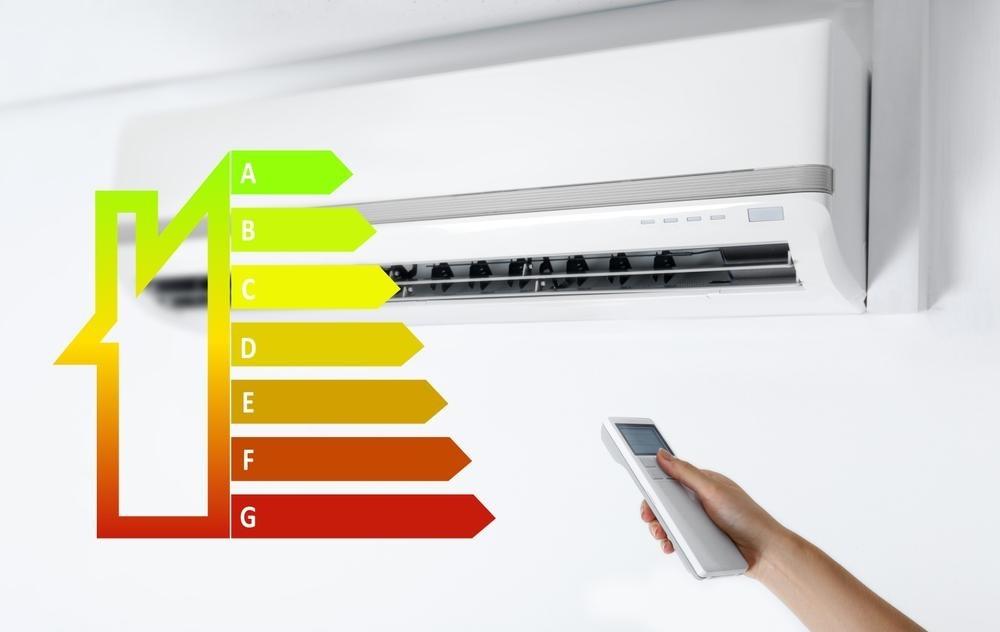
Another important factor when choosing an air conditioner is the Seasonal Energy Efficiency Ratio 2. It helps evaluate how efficiently a system uses electricity over the cooling season. In general, a higher rating means greater energy efficiency, although equipment should be compared based on the entire system and actual operating conditions. For Tampa Bay residents, this factor is especially important because an air conditioner may run almost around the clock for a significant part of the year. A difference in efficiency that may seem minor on paper can add up to a noticeable amount on your electricity bills over years of operation.
At the same time, you shouldn’t automatically buy the model with the highest available SEER2 rating. More efficient equipment usually costs more, so you need to compare the initial cost, expected electricity consumption, expected lifespan, and potential incentives or rebates.
It’s also important to remember that the stated efficiency depends on how well the system components are matched and how well the system is installed. Even an expensive, high-efficiency air conditioner won’t perform to its full potential if it is improperly sized, the ductwork allows cooled air to escape, or the installation was done incorrectly.
That’s why, when comparing quotes, you should look not only at the brand name or maximum SEER2 rating, but at the specifications of the entire HVAC system and the quality of its installation.
Humidity Control Is Just as Important as Temperature
Comfort in a home is determined by more than just the thermostat reading. High humidity is characteristic of the region’s climate, so an air conditioner needs to perform two important functions: cool the air and remove excess moisture from it.
This is one reason a properly sized system can feel more comfortable even at the same temperature. For example, a home at 75°F can feel significantly more comfortable when humidity is properly controlled. If the air remains too humid, the home may feel stuffy even at a relatively low temperature.
The problem is especially common with an oversized air conditioner: a powerful system quickly reaches the set temperature and shuts off, so its operating cycle may not be long enough to effectively dehumidify the air. That’s why proper sizing is more important in Florida than simply buying a more powerful model.
Some modern HVAC systems have a variable-speed compressor or blower motor. Instead of constantly operating at maximum capacity, they can adjust their output according to the needs of the home. This helps maintain a more consistent temperature and allows the system to remove moisture from the air for longer periods.
Some homes may also need a separate dehumidifier. This can be especially relevant if humidity remains high even after a properly sized air conditioner has been installed. However, you should first make sure the HVAC system itself is working properly and does not have problems with sizing, ductwork, or condensate drainage.
High humidity should also not be viewed solely as a comfort issue. A consistently damp environment can contribute to mold and musty odors, while excessive condensation can create additional problems for the home’s finishes and structures. That’s why humidity control should be one of the criteria when choosing a system, rather than a secondary feature.

The Air Conditioner and Your Home’s Design
The same HVAC system can perform completely differently in two homes of the same size. This is especially relevant in Tampa Bay because of the wide variety of housing, from older homes with less-than-ideal insulation to modern, energy-efficient new construction.
The age of the home matters primarily because of its insulation, windows, and ductwork. In an older home, a new air conditioner may only be part of the solution. If heat is constantly entering through leaky windows, doors, or a poorly insulated attic, the system will have to work harder. The same applies to old or damaged ductwork.
The attic deserves special attention. In a hot climate, temperatures there can be significantly higher than in the living spaces, so the condition of the insulation and ductwork in this area directly affects cooling efficiency. If ducts run through a very hot attic and have insufficient insulation or leaks, some of the cooled air can be lost before it even reaches the rooms.
Windows also matter. Large windows, especially those facing south or west, can significantly increase the home’s heat load during the afternoon. Solar shades, high-quality windows, and other ways of reducing solar heat gain can help the air conditioner operate more efficiently.
Homes with high ceilings or open floor plans can also have problems distributing cooled air evenly. If one part of the house is consistently cold while another remains warm, you don’t necessarily need a more powerful air conditioner. The cause could be the ductwork design, airflow balancing, or zoning.
That’s why, before replacing the system, it’s worth evaluating the entire home, not just the air conditioner. Sometimes sealing the ductwork, improving insulation, or addressing an airflow problem can make a noticeable difference without installing more expensive equipment.
When to Consider a Heat Pump
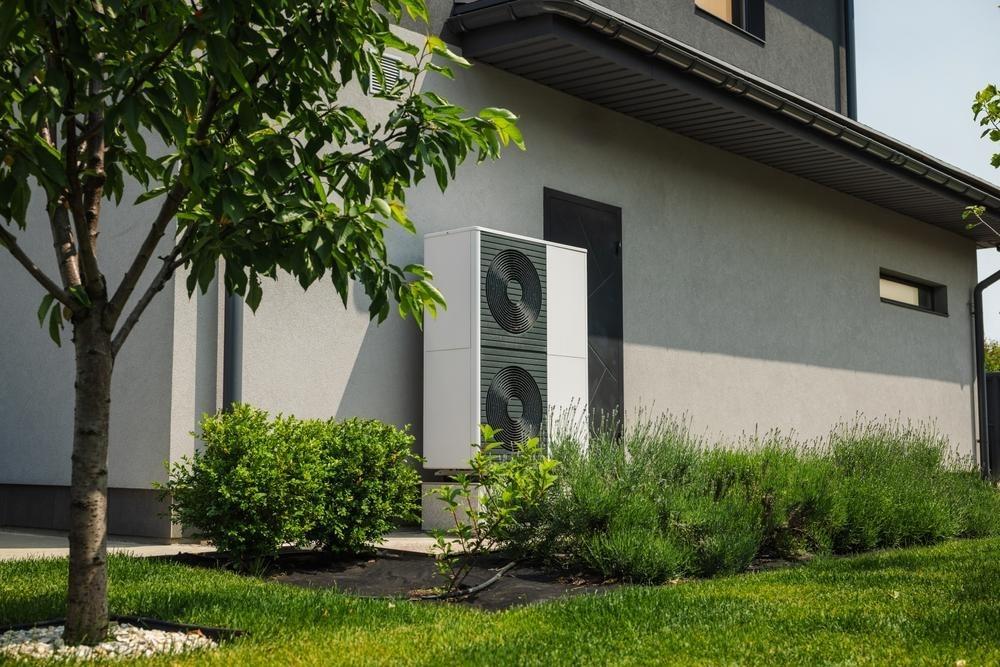
A heat pump is worth considering as an alternative to a traditional air conditioning system, especially if you’re installing an HVAC system from scratch or completely replacing older equipment. Unlike a conventional air conditioner, a heat pump can both cool the home in hot weather and heat it during cooler weather by reversing the direction of heat transfer. For Tampa Bay, this versatility can be especially useful. In winter, temperatures can drop to a point where heating becomes necessary to keep the home comfortable. A heat pump allows you to use one system for both purposes instead of installing separate air conditioning and heating equipment.
Another potential advantage is energy efficiency. A heat pump does not generate heat directly; it transfers it from one place to another, so under the right conditions, it can provide efficient heating. At the same time, when choosing a system, you need to compare not only its cooling specifications but also its efficiency ratings in heating mode. It’s also important to consider how well a particular system controls humidity while cooling. In Florida, this is just as important as its ability to lower the temperature quickly.
Whether a heat pump will be the better choice for your home depends on the existing HVAC infrastructure, condition of the ductwork, budget, and planned length of use. That’s why, before making a purchase, it’s worth asking the contractor to compare several options based on both the initial price and expected operating costs.
How to Choose an HVAC Company
Even the best equipment won’t operate efficiently if it’s installed incorrectly. For an HVAC system, installation quality is just as important as the specifications of the equipment itself, so choosing a contractor should be considered separately.
First, check whether the company has the appropriate license and is legally authorized to perform HVAC work in Florida. It’s also useful to see how long it has been operating in the local market and whether it has experience with homes similar to yours. A professional who understands the local climate will have a better understanding of the importance of humidity, solar heat loads, and problems common to homes in the area.
Don’t agree to a quote based on just a few parameters. A professional contractor should evaluate the home and explain why they recommend a particular system size and configuration. If they immediately give you an air conditioner size based only on square footage without asking any other questions, it’s worth getting an additional assessment. Ask for a written quote that separately lists the equipment model, its specifications, the cost of the equipment itself, installation, and any additional work. If ductwork, electrical components, the thermostat, or the condensate drain need to be replaced or modified, this should also be clearly stated in the estimate.
It’s also important to ask about warranties. The manufacturer may provide a separate warranty for the equipment, while the contractor is responsible for the quality of the installation work. Before signing a contract, find out who handles warranty service, what the warranty covers, and what to do in case of a malfunction.
For Tampa Bay residents, the availability of emergency service may also matter. During the hot season, an air conditioner breakdown is the kind of problem you want to resolve right away, so find out in advance whether the company offers emergency service and how quickly it typically responds to service requests.
Finally, don’t choose a contractor based solely on the lowest price. A very cheap quote may leave out important work or include equipment that doesn’t meet the needs of the home. It’s better to compare several detailed estimates and evaluate not only the final price but also exactly what you’re getting for it.
Choosing an air conditioning system should start not with looking for the cheapest model, but with evaluating the needs of the home itself. It’s important to consider its size and layout, the condition of the insulation and ductwork, the number of windows, the level of solar heat gain, and, of course, the need for effective humidity control.
For one home, the best solution may be central AC; for another, a ductless mini-split; and in some cases, a heat pump may be worth considering. Regardless of the type you choose, special attention should be paid to proper sizing, energy efficiency, and installation quality. These factors largely determine how comfortable the home will be and how much it will cost to cool in the future.
You also shouldn’t make a decision based solely on the equipment price. Compare the total installation cost, expected energy consumption, warranty, and terms of ongoing service. If several HVAC companies offer different options, ask each one to explain why that particular system and capacity are appropriate for your home.
If you’re planning to install a new air conditioner or replace an old HVAC system, you can find the right professional in Tampa Bay on our website. Compare the available companies and specialists, pay attention to their areas of expertise and terms of service, and then choose a professional who can help you select and properly install the right system for your home.


ABOUT TampaBayTide
FOR BUSINESS