


Mold: Why It Grows So Fast and How to Prevent It

Warm weather, palm trees, and the ocean are what most people picture when they think of Florida. But along with all that sunshine comes another defining feature of the state – high humidity, which creates the perfect environment for mold to grow. While mold in many parts of the U.S. usually appears after major leaks or flooding, in Florida it can develop even in a well-maintained home that is cleaned regularly.
Mold does more than affect the appearance of walls, furniture, or personal belongings. It can damage building materials, leave behind a persistent musty odor, and negatively impact the health of people – especially those with allergies, asthma, or other respiratory conditions. That's why it's important for both homeowners and renters in Florida to understand how to prevent mold from spreading.
Why Mold Grows Faster in Florida Than in Other States
Mold only needs three things to grow: moisture, warmth, and organic materials to feed on. In Florida, all three are present for most of the year.
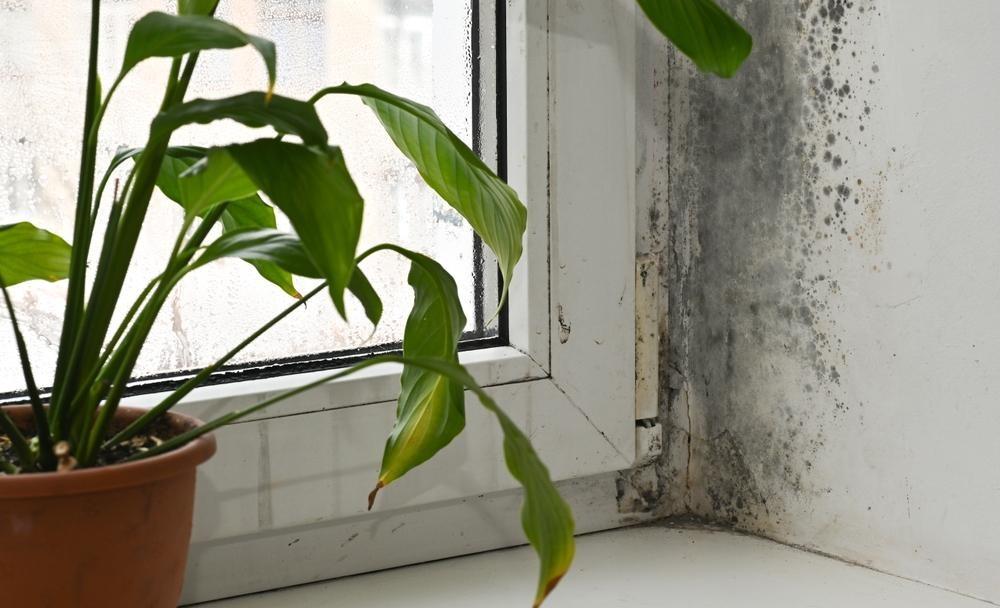
High humidity is the biggest reason. Even if your home has no leaks, the outdoor air is often so humid that moisture collects on cool surfaces, creating condensation. Combined with consistently warm temperatures, this creates ideal conditions for mold growth.
Florida's rainy season, tropical storms, and hurricanes also significantly increase the risk of mold. Even a small amount of water entering through the roof, windows, or foundation can start a problem if the moisture isn't removed quickly.
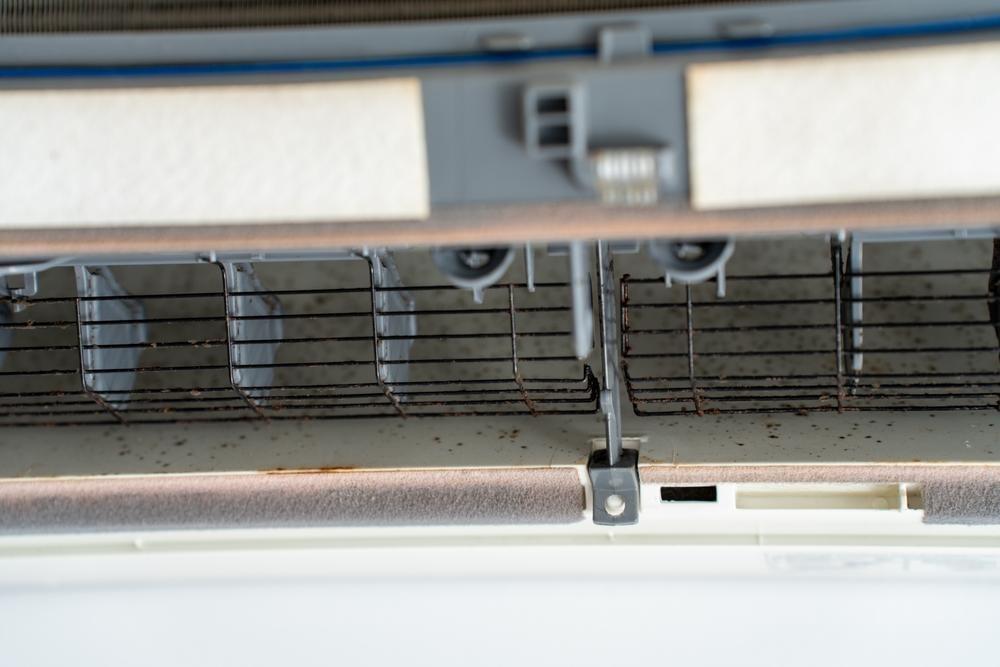
Another characteristic of Florida homes is that air conditioners run almost year-round. They help cool the home while also removing excess moisture from the air – but only when they're working properly. If the system has a dirty filter, isn't the right size for the home, or isn't removing humidity efficiently, areas of excess moisture can develop, allowing mold to grow over time.
Ventilation is just as important. Bathrooms, laundry rooms, kitchens, pantries, and large closets often have limited airflow, making them some of the first places where mold begins to develop.
Where Mold Most Commonly Appears
Mold can grow almost anywhere that moisture accumulates or condensation forms. Pay close attention to the areas beneath kitchen and bathroom sinks, walls around showers, caulking around tubs, spaces near washing machines, inside corners of exterior walls, behind large pieces of furniture, closets, garages, attics, and around windows. If carpets, hardwood floors, or drywall became wet after heavy rain or a hurricane, those areas should also be inspected carefully.
How to Tell if Mold Has Already Started Growing
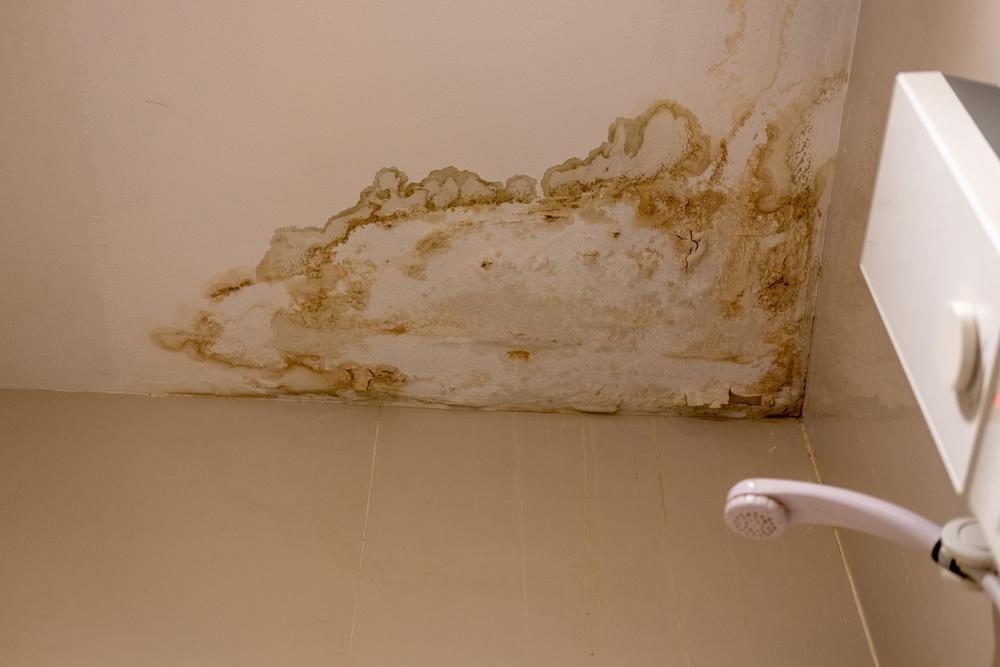
Mold doesn't always begin as black or green spots. Often, the first sign is a persistent musty smell that doesn't go away after cleaning. You may also notice yellowish or dark stains on walls or ceilings, peeling paint, darkened caulk around the tub or shower, constantly damp surfaces, or condensation on windows.
Sometimes, the first warning signs aren't visible at all – they're physical. If you or other members of your household frequently experience nasal congestion, irritated eyes, coughing, or worsening allergy symptoms at home without an obvious cause, hidden mold could be the reason.
How to Prevent Mold
It's impossible to eliminate moisture completely in Florida, but proper home maintenance can significantly reduce the risk of mold. The most important rule is to keep moisture from lingering indoors.
Experts recommend maintaining indoor relative humidity between 30% and 50%. If humidity regularly exceeds that level – especially during the summer or rainy season – a dehumidifier can help. Many modern air conditioning systems also control humidity, but in larger homes or spaces with poor ventilation, that may not be enough.
After taking a shower or bath, leave the bathroom door open, run the exhaust fan, and allow the room to dry completely. In the kitchen, use the range hood while cooking. In the laundry room, make sure there's adequate ventilation, since dryers and hot water can significantly increase indoor humidity.
It's also important to inspect plumbing, the roof, windows, and the areas beneath sinks on a regular basis. Even a small leak that goes unnoticed for several weeks can create ideal conditions for mold to grow inside walls or beneath flooring.
Another good habit is checking areas where condensation frequently forms. If you regularly see water droplets collecting on windows, pipes, or other cool surfaces, it's a sign that the humidity level inside your home is too high.
Don't forget routine HVAC maintenance. Replacing air filters on schedule, cleaning the condensate drain, and having the system professionally serviced not only helps maintain comfortable temperatures but also improves moisture removal.
Myth: If the Air Conditioner Is Running, Mold Won't Grow
Many people believe that air conditioning completely prevents mold, but that's not true.
An air conditioner does reduce humidity, but it doesn't eliminate the source of the moisture—such as leaks, condensation inside walls, or water damage after flooding. In those situations, mold can continue to grow even while the air conditioner is running.
Proper system sizing and maintenance also matter. An improperly sized unit or dirty air filters can reduce dehumidification performance, allowing indoor humidity to remain too high.
What to Do After a Hurricane or Flooding
After heavy rain, a hurricane, or a plumbing leak, it's important to act as quickly as possible. Experts consider the first 24 to 48 hours critical. If the home and affected materials aren't dried within that time, the risk of mold increases dramatically.
Start by removing any standing water, increasing airflow, running the air conditioner or a dehumidifier, and thoroughly drying all wet surfaces. Pay special attention to carpets, hardwood floors, furniture, and drywall, since they absorb moisture quickly.
If water remained inside the home for an extended period or the flooding was severe, some materials may no longer be salvageable. In those cases, damaged drywall, insulation, or carpeting may need to be removed and replaced to prevent mold from continuing to spread.
When to Call a Professional
Small patches of mold – such as those on bathroom caulk or tile – can often be cleaned using mold removal products. Be sure to wear gloves, provide good ventilation, and follow the manufacturer's instructions.
However, if mold covers a large area, keeps coming back after cleaning, developed after flooding, or you suspect it's growing inside walls or your HVAC system, it's best to contact a professional. They can identify the source of the problem, assess the extent of the damage, and perform proper mold remediation without spreading spores throughout the home.
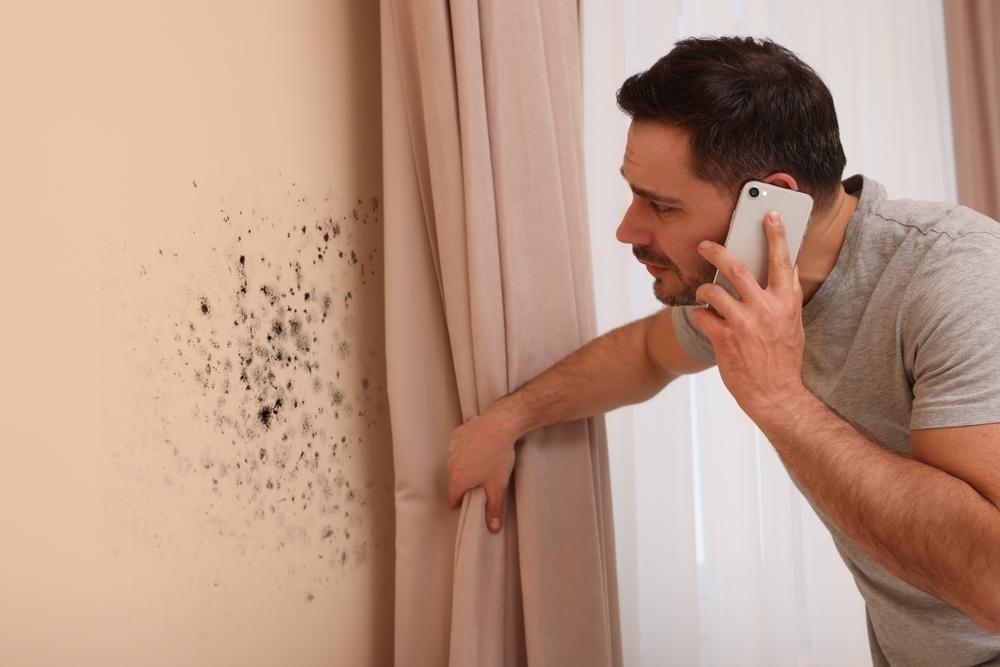
High humidity is simply part of living in Florida, so it's impossible to eliminate the risk of mold completely. However, maintaining your air conditioning system, monitoring indoor humidity, fixing leaks promptly, and drying your home quickly after heavy rain can greatly reduce the chances of mold developing.
If you're looking for a company to provide professional mold remediation, help restore your home after flooding, or inspect your property following a hurricane, browse our directory. You'll find trusted professionals throughout the Tampa Bay area who can resolve the problem quickly and help protect your home from future mold growth.


ABOUT TampaBayTide
FOR BUSINESS