


Egmont Key State Park Hides a Forgotten Military Town and Wild Coastal Beauty


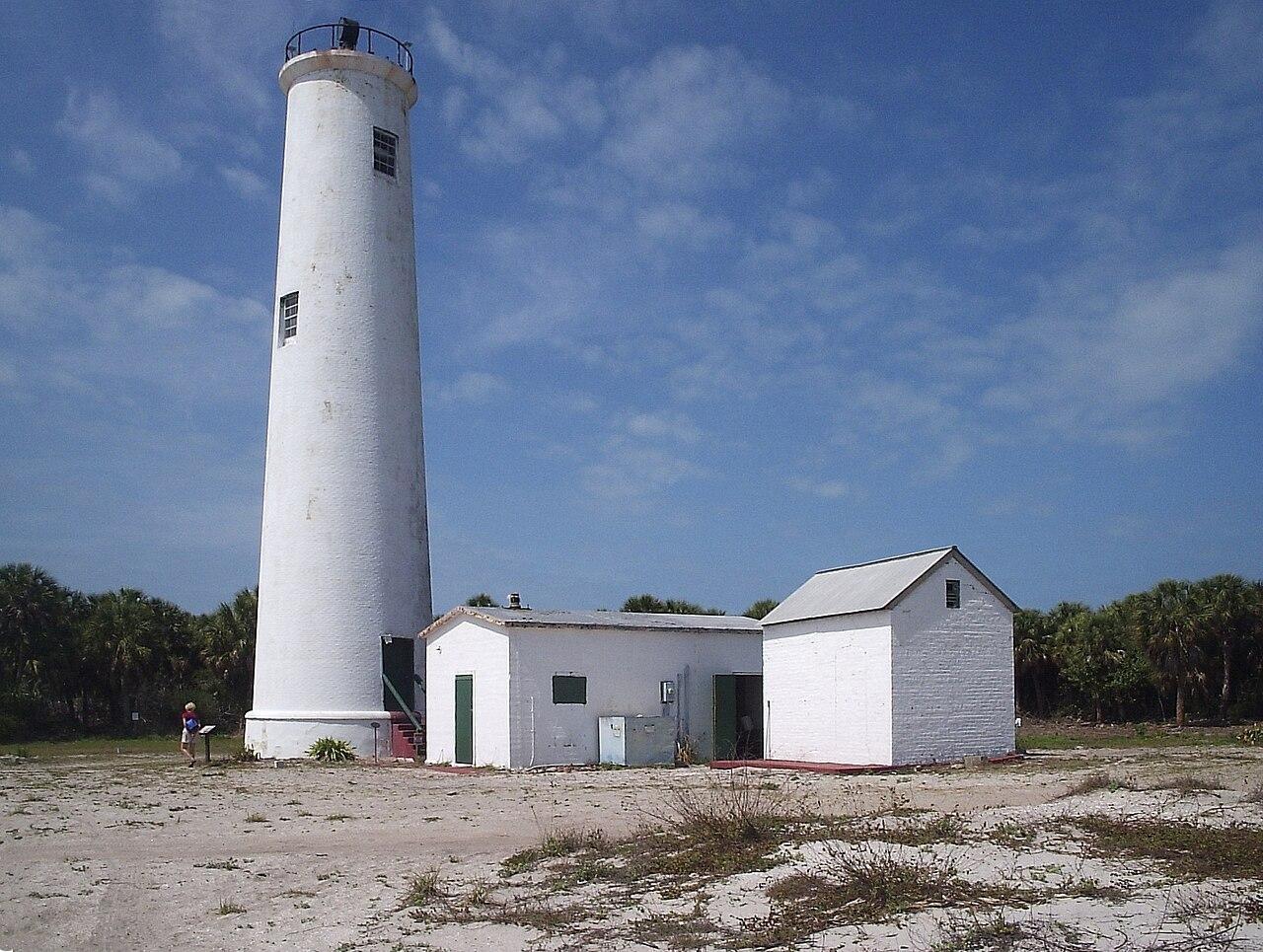
Near the entrance to Tampa Bay, just off the coast of St. Petersburg, lies Egmont Key, an island where an old lighthouse rises among coastal vegetation beside sandy beaches. Today, the island is both a state park and a national wildlife refuge. Visitors come to explore historic ruins, watch seabirds and turtles, and spend a day along the Gulf Coast.
In 1757, Spanish explorer Francisco Maria Celi mapped Egmont Key during an expedition along Florida's coast. Six years later, the island was named after John Perceval, the 2nd Earl of Egmont. However, its significance had less to do with its place on the map than with its proximity to the entrance to Tampa Bay.
In the 19th century, vessels heading into the bay had to navigate shallow waters and sandbars that posed serious hazards. To make passage safer, a lighthouse was built on Egmont Key in 1848. However, a powerful hurricane damaged the structure that same year, and subsequent storms made its condition even worse. The lighthouse was rebuilt in 1858, and that structure still stands today.
The lighthouse remained an important navigational landmark, but the island's role extended beyond maritime safety. During the Third Seminole War in the 1850s, Seminole prisoners were held here before being forcibly relocated west. Later, during the Civil War, the island was used by Union forces.
Toward the end of the century, Egmont Key's military importance grew once again. In 1898, against the backdrop of the Spanish-American War, construction began on Fort Dade, a military installation designed to protect the entrance to Tampa Bay. Over time, an entire settlement developed around the military facilities, and remnants of it can still be seen while exploring the island.
Fort Dade – Remnants of a Former Settlement
In the early 20th century, Fort Dade was a fully developed military community with barracks, homes, administrative buildings, and gun batteries. More than 70 buildings once stood here, and brick roads and a narrow-gauge railroad were used for transportation and moving supplies. At its peak, the island was home to about 300 people, including military personnel and their families.
As the need for the fortifications declined, the settlement gradually emptied out. Most of the buildings did not survive, but fragments of roads, foundations, and sections of defensive structures remain among the vegetation. Against the island's present-day natural landscape, these ruins offer a striking glimpse of how different life here was more than a century ago.
Today, Egmont Key is recognized as a nationally significant historic site and is listed on the National Register of Historic Places. Visitors should keep in mind, however, that access to historic structures is restricted. Only areas open to the public may be explored.
As the island gradually returned to a more natural state, it became important not only for preserving its historic heritage. Egmont Key also became a refuge for numerous bird and turtle species, while its beaches and coastal waters support diverse ecosystems.
Birds You Can See on Egmont Key
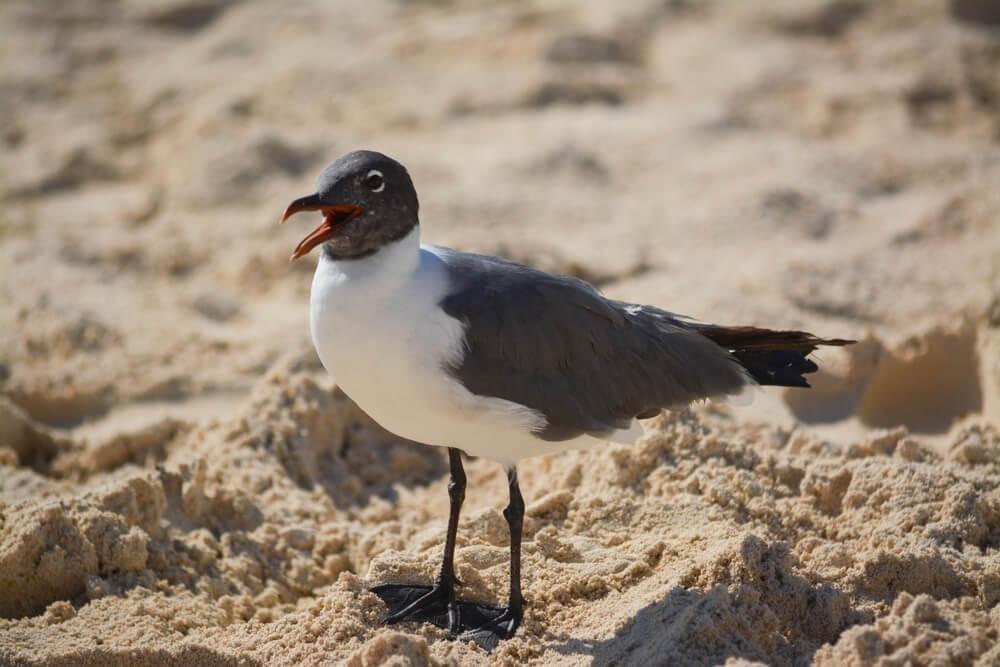
The island is especially valuable as a nesting site for seabirds and shorebirds. Species found here include brown pelicans, royal terns, black skimmers, American oystercatchers, and laughing gulls. Some can be spotted flying over the water, while others gather on the sand or in shallow waters where they search for food.
Brown pelicans often glide along the coast before plunging into the water to catch fish. Royal terns gather in colonies on sandy areas, where they lay their eggs and raise their chicks. Black skimmers hunt differently, flying low over the water with the elongated lower half of their bills cutting through the surface to catch small fish.
American oystercatchers can also be found on the beaches, searching for mollusks and other invertebrates. Laughing gulls, named for their distinctive calls, frequently appear along the shoreline. The easiest places to observe these birds are open stretches of coastline and designated trails.
At the same time, the island is a nesting site for many species, so parts of it are closed to visitors. Particularly strict restrictions apply to certain beaches where birds raise their young. Following these rules helps protect nesting colonies, as even the approach of people can cause adult birds to leave their nests unattended.
Birds are not the only animals that make Egmont Key worthy of protection. Among its land-dwelling residents, gopher tortoises hold a special place. They dig burrows in the sandy soil, using them as shelter from heat, predators, and severe weather. These burrows also provide refuge for other animals, making gopher tortoises an important part of the local ecosystem.
While walking along inland trails, visitors may occasionally spot tortoises near their burrow entrances. Florida box turtles also live on the island. Unlike sea turtles, they spend most of their lives on land. If you encounter one, it's best to observe it from a distance and avoid blocking its path.
The coastal waters around Egmont Key are also rich in wildlife. Bottlenose dolphins live here and can sometimes be spotted during a boat trip. Manatees are also found in the surrounding waters, although sightings are not guaranteed.
The island's sandy beaches are also important nesting grounds for loggerhead sea turtles, which come ashore to lay their eggs. During nesting season, conservation staff mark nesting sites to protect them from accidental damage. Visitors should stay away from marked-off areas and avoid disturbing the animals.
The combination of land and marine habitats makes the island an interesting place to observe wildlife. At the same time, its protected status means visitors need to be mindful of their surroundings. It's important not to leave trash behind, remove natural objects, or enter closed areas.
Things to Do at Egmont Key State Park
The simplest way to spend time on the island is to relax on the beach. Visitors can swim, sunbathe, and look for empty shells washed ashore by the waves. Living mollusks and other marine creatures should be left where they are.
Those who prefer walking can explore designated routes near the remains of Fort Dade. Old brick roads pass the foundations of former buildings and wind through coastal vegetation. It's an opportunity to combine a look at the island's history with observing the wildlife that lives here today.
When weather conditions are favorable, visitors can go snorkeling and look for fish and other marine organisms in shallow waters. However, visibility and currents can change, and there are no lifeguards on the island, so conditions should be assessed before swimming. Fishing is also permitted, provided visitors follow Florida regulations and any restrictions that apply to specific areas. Depending on the type of fishing, a license may be required.
There are picnic tables and a shaded area at the northern end of the island. Since there are no stores, cafes, or sources of drinking water, visitors need to bring their own food and water. Sunscreen, a hat, and comfortable walking shoes are also worth packing. Pets are not allowed in the park.
How to Get to Egmont Key
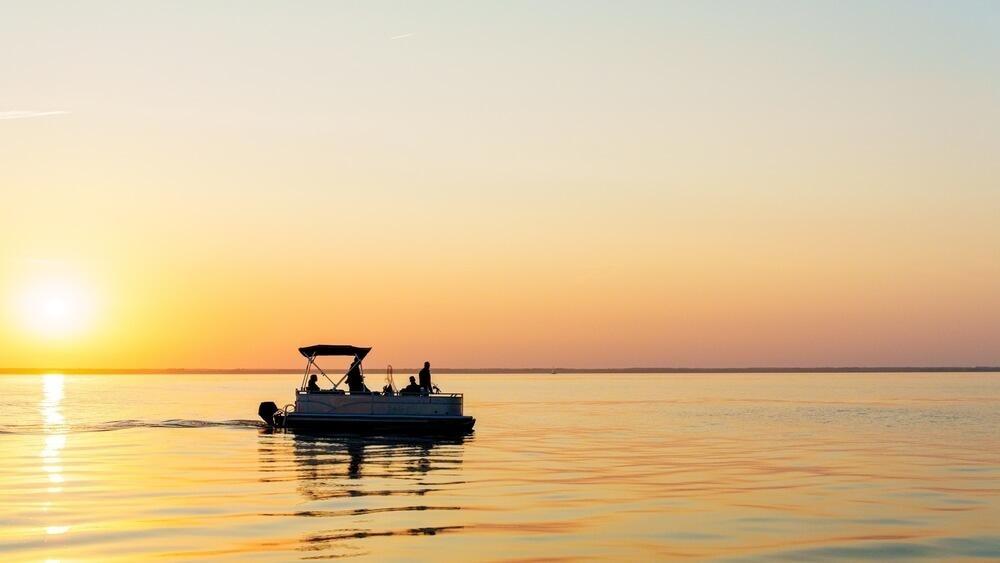
The island is accessible only by water. Visitors can take a commercial ferry from the Fort De Soto Park area or arrive by private boat. Depending on the route and weather conditions, the trip usually takes about 20-30 minutes.
Since there is no alternative transportation on the island, it's important to check the ferry schedule and the time of the last return trip before setting out. Weather conditions can affect ferry operations, so visitors should check for updates on the day of their trip.
There are no public restrooms or drinking water on the island, and natural shade on the beaches is limited. Visitors should plan ahead, bring everything they need, and take all their trash with them when they leave.
As of October 2026, the park is open to visitors following its reopening on August 12. However, access to historic structures and certain protected natural areas remains restricted.
Egmont Key State Park offers a chance to experience several different aspects of Florida's coastal history and natural environment in a single trip. The lighthouse recalls the development of maritime navigation, the ruins of Fort Dade reflect the island's military past, and the birds and turtles highlight the area's importance to local ecosystems.


ABOUT TampaBayTide
FOR BUSINESS