


Where to Go Kayaking Around Tampa Bay This Fall


As the summer heat gradually fades and long stretches of time outdoors no longer require constant breaks from high temperatures, kayaking becomes an enjoyable way to spend time outside. October, November, and early December are good months to explore local rivers, mangrove channels, and coastal waterways, but choosing a route increasingly depends on wind, tides, and air temperature.
During this time of year, it’s worth planning more than just a trip out on the water. Consider the specific conditions before heading out. A calm morning can be perfect for a route along the coast, while even a sunny day may not be suitable for paddling in open water after a cold front passes through. Fortunately, the Tampa Bay area has enough variety to offer routes suited to different weather conditions, experience levels, and preferred trip lengths.
Is Late Fall a Good Time for Kayaking?
In October, daytime temperatures gradually become more comfortable, while November and early December bring increasingly cool mornings that hint at the approaching winter. Humidity generally drops compared with the summer months, and daily afternoon thunderstorms become less common. This makes it easier to plan longer outings on the water.
However, fall in Florida doesn’t mean consistently stable weather. Cold fronts can bring stronger wind gusts, temperature changes, and rougher conditions in exposed areas of the bay. On windy days, a sheltered stretch of river or a narrow mangrove channel may be a much better choice.
Water temperature is another factor to consider. Even when daytime air temperatures remain warm, the morning chill in November and December can feel more pronounced, especially during extended periods on the water. When planning a route, look beyond the forecast high and consider wind, the possibility of getting wet, and the conditions you’ll face on your way back to shore.

Where to Go Kayaking Around Tampa Bay in the Fall
Weedon Island Preserve – A Route Through the Mangroves. Weedon Island Preserve in St. Petersburg is a good choice for anyone who wants to spend a few hours on the water surrounded by mangroves without venturing far into the open bay.
The South Paddling Trail forms a loop approximately four miles long. It winds through mangrove channels, shallow areas, and waterways near Tampa Bay. The scenery gradually changes as narrow passages through the vegetation alternate with more open stretches offering views of the coastal waters.
Checking the tides is especially important here. At low tide, some shallow sections become difficult to navigate, so it’s best to time your launch according to the water level. Before your trip, it’s also worth confirming current access conditions at the kayak launch site and checking whether rentals or guided tours are available.
In the fall, this route is particularly appealing on days when the weather is suitable for paddling but stronger winds make exposed areas of the bay less comfortable.
Hillsborough River – A River Paddle Close to the City. The Hillsborough River offers a different kind of kayaking experience from coastal waterways. Trees line its banks, and calmer stretches make it possible to spend time in nature without traveling too far from the city.
One option for a leisurely paddle is the area around Lettuce Lake Park in Tampa. You can combine kayaking with a walk along the park’s trails and boardwalks, turning your outing into a full day outdoors.
However, river conditions vary from one section to another. Farther upstream, you may encounter faster currents and rocky bottoms that require more experience. Recent rainfall can also affect water levels and current strength, so check local conditions before heading out and choose a route that matches your skill level.
River sections can be a good alternative to the open bay on a windy day, but don’t assume that the entire river is equally calm or suitable for beginners.
Fort De Soto Park – Kayaking Along the Coast. Fort De Soto Park is located in southern Pinellas County and encompasses five interconnected islands. The park features long stretches of coastline, beaches, and opportunities to get out on the water, making it easy to combine kayaking with other outdoor activities.
Your choice of route depends on the weather and your experience level. More sheltered coastal areas may be suitable for a short paddle, while venturing into more exposed waters requires greater caution. Wind, motorboat traffic, and tidal currents are especially important to consider if you plan to travel away from shore.
Fort De Soto is also a convenient option for anyone who wants to spend an entire day outdoors. You can kayak in the morning and then take a walk along the beach or explore the park on foot.
Upper Tampa Bay Conservation Park – A Quieter Coastal Setting. Upper Tampa Bay Conservation Park is located in northwestern Tampa and offers a chance to experience the region’s natural coastal landscapes. It’s an option for anyone who wants to spend time on the water without driving to the southern beaches or popular tourist areas.
Check available routes, kayak launch conditions, and rental options in advance. Facilities and access to certain areas may vary, so don’t assume every route will be open under all conditions.
For a fall outing, it’s especially important to check the wind forecast and water levels. In coastal natural areas, shallow water and tides can affect how easily you can complete your planned route and return to your launch point.
How to Choose a Route Based on Fall Weather
There’s no single route that’s best under every condition. A more practical approach is to have several options and decide where to go closer to the day of your outing.
If the forecast calls for light winds and calm water, consider coastal routes at Fort De Soto Park. If stronger gusts are expected on the open bay, look into the more sheltered channels at Weedon Island Preserve or accessible, calmer sections of the Hillsborough River.
Timing also matters. On cooler days, morning temperatures can be noticeably lower than afternoon temperatures, and conditions can change fairly quickly after a cold front passes through. Before setting out, check the forecast not only for the nearest shoreline but also for the stretch of water where you plan to paddle.
Tides are equally important. On shallow-water routes, they can determine whether you’ll be able to complete the entire planned loop without stopping or turning back. Keep in mind that checking the tides isn’t just a formality; it’s part of planning a fall kayaking trip.
What to Keep in Mind Before Heading Out on the Water
Even if you’ve kayaked during the summer, fall conditions may call for a different approach. Don’t rely on air temperature alone: wind, waves, and the amount of time you spend on the water all affect comfort and safety.
Check the weather forecast, wind speed, water conditions, and tide times. Choose a route that matches your experience, and don’t plan a long trip across the open bay if you’re unsure you can comfortably make the return journey. Everyone in your group should wear a life jacket, and your phone and other essential items should be protected from water.
If you haven’t been out on the water in a while or are planning your first kayaking trip, our previous article, “How to Prepare for a Kayaking Trip: What to Bring and What to Know Before You Go,” offers a more detailed look at trip preparation and essential gear. If you’re interested in the local wildlife you might see while paddling, read “Kayaking and Paddleboarding: The Best Way to Experience Tampa Bay’s Wildlife Up Close.” That article focuses on opportunities to observe wildlife, making it a useful complement to this seasonal guide and offering additional ideas for exploring the area.
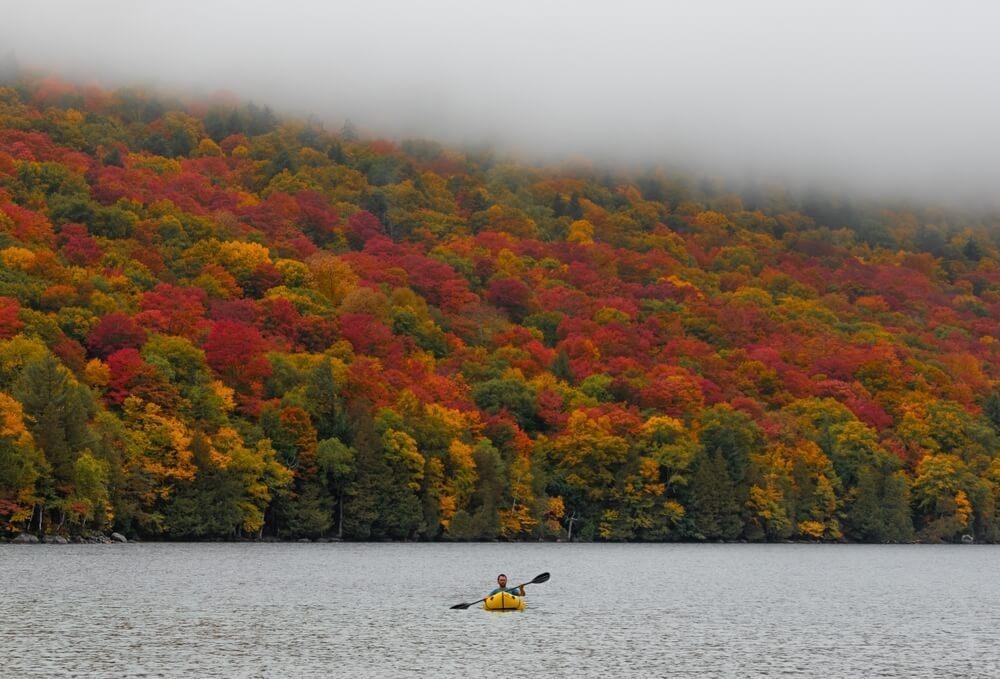
Kayaking in October, November, and early December offers a chance to spend time outdoors when the summer heat no longer dictates the entire day’s schedule. The mangrove channels at Weedon Island Preserve, the Hillsborough River, and the coastal routes at Fort De Soto Park offer a variety of experiences, from short paddles to longer outings on the water.
The key is to check the weather and tides, consider your experience level, and be prepared to change your plans if conditions deteriorate. That way, a fall kayaking trip can be an opportunity to enjoy Tampa Bay’s natural landscapes during a more comfortable time of year rather than a test of endurance.


ABOUT TampaBayTide
FOR BUSINESS