


How to Prepare for a Kayaking Trip: What to Bring and What to Know Before You Go


Kayaking is one of the best ways to experience the natural beauty of the Tampa Bay area from a whole new perspective. You can paddle through narrow mangrove tunnels, watch pelicans and herons, spot dolphins, or even encounter manatees. Best of all, you don't need to be an experienced paddler – most local routes are suitable even if it's your very first time in a kayak.
That said, Florida's climate comes with its own challenges. Intense sunshine, high humidity, changing tides, and afternoon summer thunderstorms can affect even a short paddle. Spending a few minutes preparing ahead of time can make all the difference. The right clothing, plenty of water, and a few simple safety precautions will help keep you comfortable so you can focus on what matters most – the incredible scenery around you.
Start by Planning Your Route
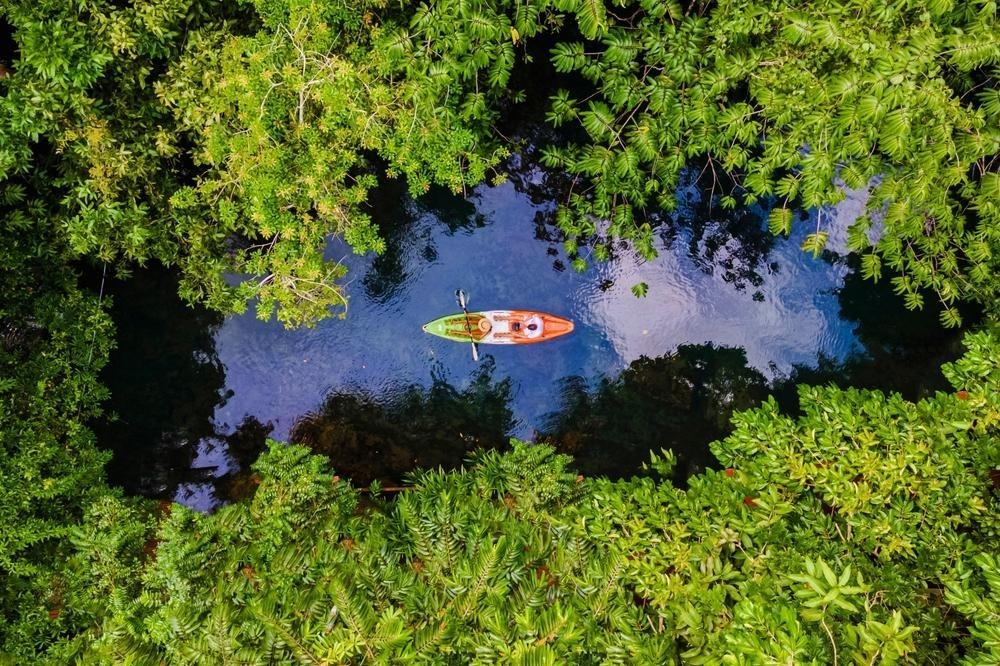
Before you book a kayak, take an honest look at your experience level. If you've never paddled before, choose a shorter route that lasts one to two hours on calm water. The Tampa Bay area has plenty of protected mangrove waterways and quiet bays where waves and strong currents are minimal.
The time of day also matters. During the warmer months, early mornings and late afternoons are the most comfortable times to get on the water. Temperatures are lower, the sun is less intense, and wildlife is generally more active.
If you're planning a self-guided trip, review the route map and estimate how long the paddle will take. It's always better to allow extra time than to rush back because of changing weather or fatigue.
Check the Weather Forecast and Tide Schedule
Many first-time kayakers only check the air temperature, but wind, thunderstorms, and tides are often much more important.
Even if the morning forecast looks sunny, Florida summers frequently bring brief but intense afternoon thunderstorms. If lightning or strong winds are expected, it's best to reschedule your trip.
Tides can also dramatically change paddling conditions. During low tide, some areas become so shallow that you'll have to get out and walk your kayak. At high tide, currents may be much stronger than they appear from shore. If you're renting from a local outfitter, don't hesitate to ask what time of day is best for your chosen route.
Dress for the Water
Many people imagine a kayaking trip as an activity where they'll stay completely dry. In reality, splashes from your paddle, a little water while launching, or small waves are all perfectly normal.
That's why lightweight synthetic clothing that dries quickly is your best choice. Cotton T-shirts and jeans absorb water, become heavy, and can cause chafing.
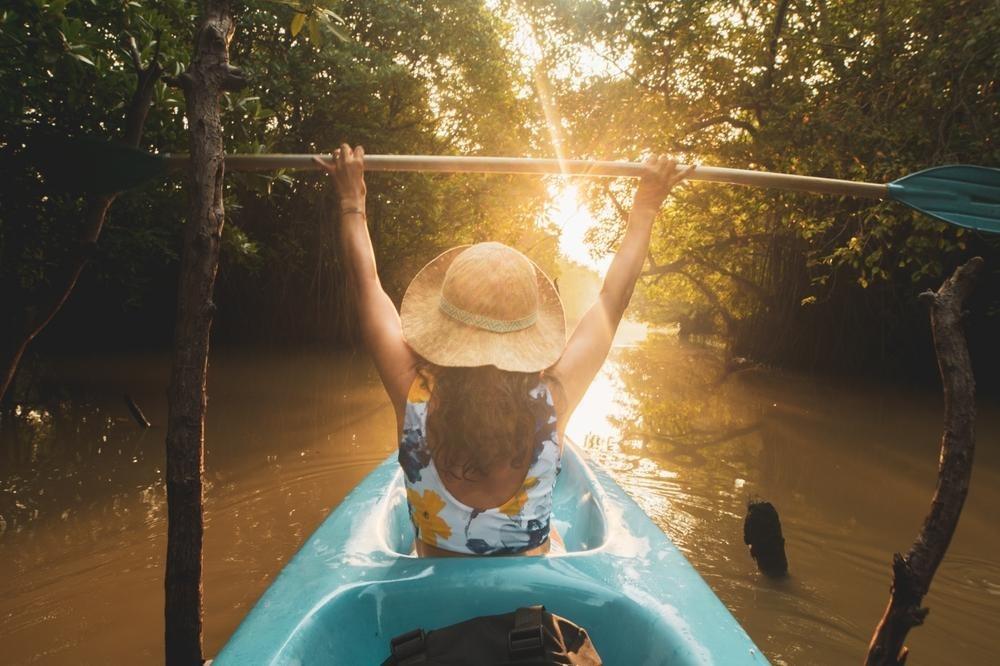
Sun protection is just as important. A wide-brim hat or baseball cap, sunglasses with a retainer strap, and a long-sleeve UV-protective shirt are often much more comfortable than wearing clothing that leaves your skin exposed.
For footwear, water shoes, secure sport sandals, or an old pair of sneakers you don't mind getting wet all work well. Regular flip-flops can easily slip off while getting in or out of the kayak.
What You Should Always Bring
Even if you'll only be on the water for an hour, it's worth packing a few essentials. The most important item is drinking water. Florida's heat and humidity can cause dehydration before you even realize it. One bottle is usually enough for a short outing, but if you'll be paddling for several hours, bring extra water.
Don't forget sunscreen. Sunlight reflects off the water, increasing your chances of getting sunburned. Apply sunscreen before launching, and reapply it during longer trips according to the manufacturer's directions.
Keep your phone, ID, car keys, and other valuables in a waterproof phone case or dry bag. Even if you're confident in your paddling skills, a small wave or an unexpected movement can easily get your belongings wet.
It's also a good idea to pack a light snack. Fruit, nuts, an energy bar, or a sandwich can help keep your energy up during a longer paddle. If you're planning to spend several hours on the water, consider leaving a small towel and a change of dry clothes in your car for when you return.
If You Want Great Photos
The natural beauty of the Tampa Bay area often creates moments you'll want to remember. Pelicans diving for fish, manatees gliding quietly beside your kayak, or mangrove tunnels glowing in the morning sunlight all make incredible photo opportunities.
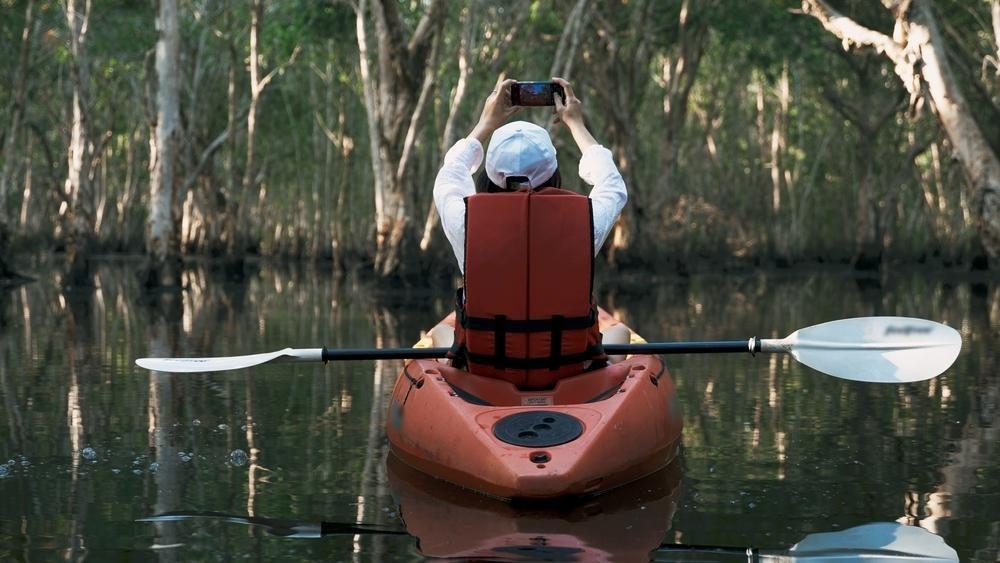
If you're taking pictures with your phone, be sure to use a waterproof case with a lanyard. It's a simple accessory that can save your phone if it's accidentally dropped into the water.
If you're bringing a camera, pack it in a separate waterproof bag or protective case. If you're still getting comfortable handling a kayak, stop in a safe location before taking your camera out. That way you can capture beautiful photos without risking your equipment.
Respect Wildlife
One of the biggest reasons people go kayaking in the Tampa Bay area is the chance to see local wildlife in its natural habitat. Remember that you're a visitor in their home.
Don't try to paddle too close to manatees, dolphins, or sea turtles. If an animal approaches you on its own, remain calm and avoid touching or following it.
The same applies to birds. During nesting season, many species are especially sensitive to human activity. If a bird becomes agitated or leaves its nest because you're nearby, you've gotten too close.
You should also never feed wild animals. Human food can be harmful to wildlife, and feeding them changes their natural behavior while disrupting the local ecosystem.
Don't Ignore Basic Safety Rules
Even if the route looks easy, safety should always come first.
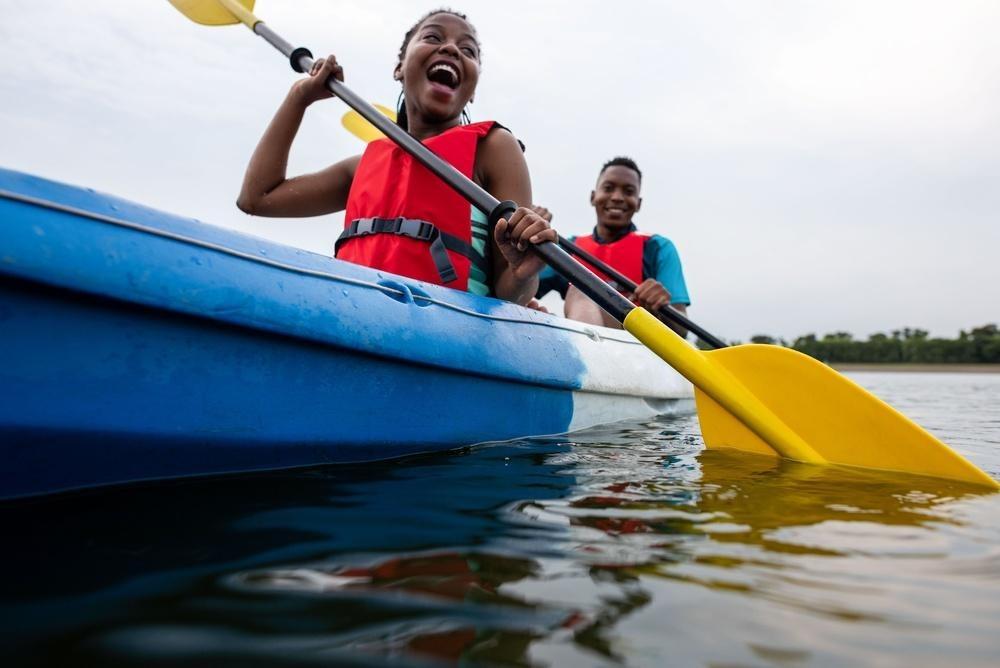
Before heading out, make sure your life jacket fits properly and is securely fastened. Many people take theirs off once they start paddling because of the heat, but a life jacket can save your life if you unexpectedly end up in the water.
If you're paddling without a guide, let someone know where you're going and when you expect to return. It's a simple habit that can make a big difference if something unexpected happens.
Don't overestimate your abilities. If you become tired or notice the weather beginning to change, head back sooner rather than later. Kayaking is meant to be relaxing, not a competition.
Your First Trip? Take It Slow
If this is your first time in a kayak, don't feel like you have to tackle the longest or most popular route right away. One outing is enough to learn how to steer, turn, paddle backward, and become comfortable handling the kayak.
Many kayak rental companies provide a short safety briefing and demonstrate basic paddling techniques before you launch. Don't skip it, even if everything seems straightforward. Just a few minutes of instruction can make your trip much more enjoyable.
Kayaking isn't about rushing from one place to another. The people who enjoy it most are the ones who slow down, explore the mangroves, watch birds, and simply appreciate the peaceful surroundings. That's what makes this kind of adventure so special.
A kayaking trip is a wonderful way to spend a few hours surrounded by nature. To make sure your experience is memorable for all the right reasons, simply check the weather forecast ahead of time, dress appropriately, and bring water, sunscreen, and a dry bag for your valuables. If you take your time, respect wildlife, and follow a few basic safety guidelines, even your very first kayaking adventure could become the beginning of a new favorite hobby.