


Tampa Bay Emergency Kit: What Every Household Should Have Before a Storm


Living in Tampa Bay comes with plenty of advantages: a warm climate, proximity to the water, and lots of sunny days. But locals know that the weather here can also create serious challenges. Hurricanes, severe thunderstorms, flooding, and prolonged power outages can happen when you’re least prepared for them.
That’s why it’s better to put together an emergency kit, or emergency preparedness kit, ahead of time. When a major storm is approaching, stores can quickly run out of supplies, roads can become more difficult to navigate, and some services may be temporarily unavailable. A well-prepared kit can help meet your family’s basic needs during the first few days after an emergency.
Start With Water and Food
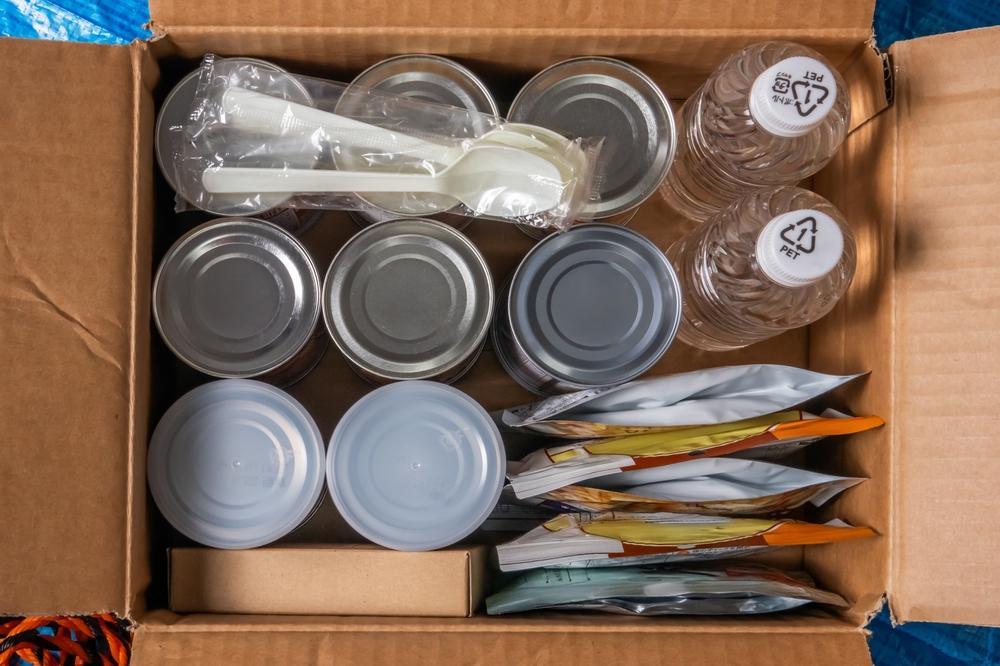
Water is one of the most important parts of an emergency kit. A good guideline is about one gallon of water per person per day. Keep in mind that water is needed not only for drinking, but also for preparing food and basic hygiene.
For your food supply, choose items that can be stored for a long time without refrigeration and don’t require complicated preparation. Canned foods, protein bars, nuts, dried fruit, crackers, peanut butter, and other shelf-stable foods can make a good foundation for your supply.
It’s better to include foods your family already enjoys eating in your emergency kit. There’s no need to buy large quantities of unfamiliar foods just because they’re marketed as emergency food.
If you have canned foods in your supplies, be sure to keep a manual can opener nearby. It’s a simple item that’s easy to overlook, especially if you normally rely on electric kitchen appliances.
Prepare for a Power Outage
After a major storm, parts of Tampa Bay may be without power for an extended period of time. That’s why your emergency kit should include a flashlight – preferably one for each family member – as well as extra batteries.
A battery-powered or hand-crank radio can also be useful. If internet or cell service becomes unreliable, a radio may remain one of the ways to receive official information.
Don’t forget power banks for your phones, charging cables, and a car charger. Before a major storm arrives, it’s also a good idea to download important information, maps, and contacts to your phone in case you lose access to the internet.
Add a Basic First-Aid Kit
An emergency kit should include a basic first-aid kit for minor injuries and a supply of necessary medications. If someone in your family regularly takes prescription medication, don’t wait until a storm is approaching to refill the supply.
Your first-aid kit should include a complete selection of basic medical supplies for first aid: bandages in different sizes, sterile gauze, sterile bandages, an elastic bandage, medical tape, antiseptic wipes, skin antiseptic, disposable gloves, scissors, tweezers, a thermometer, a cold pack, an emergency blanket, a CPR mask, an eye-wash solution, burn ointment or gel for minor burns, insect bite treatment, a tourniquet or bleeding-control product, and first-aid instructions.
Also think ahead about the individual needs of your family members. Eyeglasses, contact lenses and supplies, hearing devices, medical equipment, and other essential items should be part of your emergency preparedness plan.

Don’t Forget About Hygiene
During an emergency, normal household conditions can change quickly, so hygiene supplies should also be included in your emergency kit. These may include soap or hand sanitizer, wet wipes, toilet paper, paper towels, trash bags, and personal hygiene products.
Trash bags can be especially useful if regular garbage collection is temporarily interrupted. They can also be used for a variety of household needs after a storm.
If your family includes young children, older adults, or people with special needs, be sure to include the supplies they use every day.
Take Care of Documents and Cash
Important documents are best kept somewhere protected from water. These can include copies of identification documents, insurance policies, medical information, financial documents, and other paperwork you may need after an emergency.
It’s also useful to keep digital copies of your documents in a secure location. At the same time, don’t rely solely on electronic versions if access to the internet or electricity may be limited.
Your emergency kit should also contain some cash. During a widespread power outage, ATMs and card payment terminals may temporarily stop working.
Prepare Separately if You Have Pets
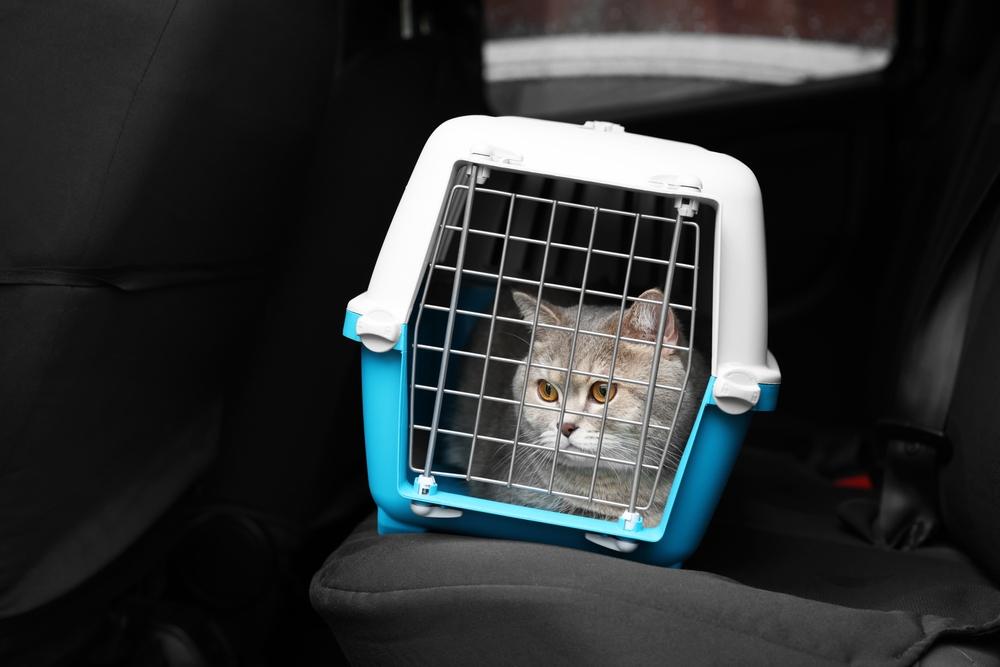
Pets need their own emergency kit, too. Make sure you have enough food and water, as well as a leash or carrier, necessary medications, waste bags, and other things your pet depends on.
Don’t assume that a shelter or evacuation location will provide everything both you and your pet need. Check ahead of time where you can evacuate with your pet and include that information in your emergency plan.
Add Items That Are Easy to Forget
Some useful items seem so ordinary that they’re often left out of emergency kits. For example, sturdy closed-toe shoes may be important after a storm, when debris and other hazards may be left on roads or around your home.
It’s also useful to have work gloves, a whistle, blankets, extra clothing, waterproof bags, and basic tools. A fire extinguisher should also be easily accessible in your home.
If you’re preparing an emergency kit for a family with children, you can add a few books, games, or other familiar items that can help keep them occupied during an extended period at home without electricity.
For a child during a hurricane, a familiar favorite toy can be especially helpful. A doll, teddy bear, stuffed dog, or another “friend” can give them a way to cope with an unfamiliar and scary situation a little more easily. Parents can encourage the child to take care of the toy: explain that it’s scared, too, because of the thunder, strong winds, or unusual sounds, and ask what they can do to help it feel better.
This kind of play can help a child express their own emotions by taking care of someone else and shift their attention away from their own fear for a while. It can also help the child feel that they aren’t experiencing the storm alone. Alongside adults who better understand what’s happening and may appear calmer, a favorite toy can become another familiar and reassuring element in an unfamiliar situation.
Consider a Separate Kit for Your Car
A home emergency kit isn’t the only kit worth preparing. A small kit in your car can come in handy if severe weather catches you far from home or while you’re evacuating.
It should include water, snacks, a flashlight, a power bank or charging cable, basic first-aid and hygiene supplies. Extra shoes or a blanket can also be useful.
If you need to leave your home quickly, already having some essential items in your car can save valuable time.
An Emergency Kit Is Only Part of Hurricane Season Preparedness
Preparing for an emergency doesn’t stop with keeping supplies at home. If you live near the water, own a boat, or regularly spend time on the Tampa Bay waterways, there are additional risks to consider during hurricane season.
In our article “How to Stay Safe on the Water During Hurricane Season,” we explain what to consider before heading out on the water and how to prepare for severe weather.
You should also find out your evacuation zone ahead of time and think about where you’ll go if you need to evacuate. When a storm is already approaching is not the best time to figure out a route or find a place to stay.
Check Your Emergency Kit Regularly
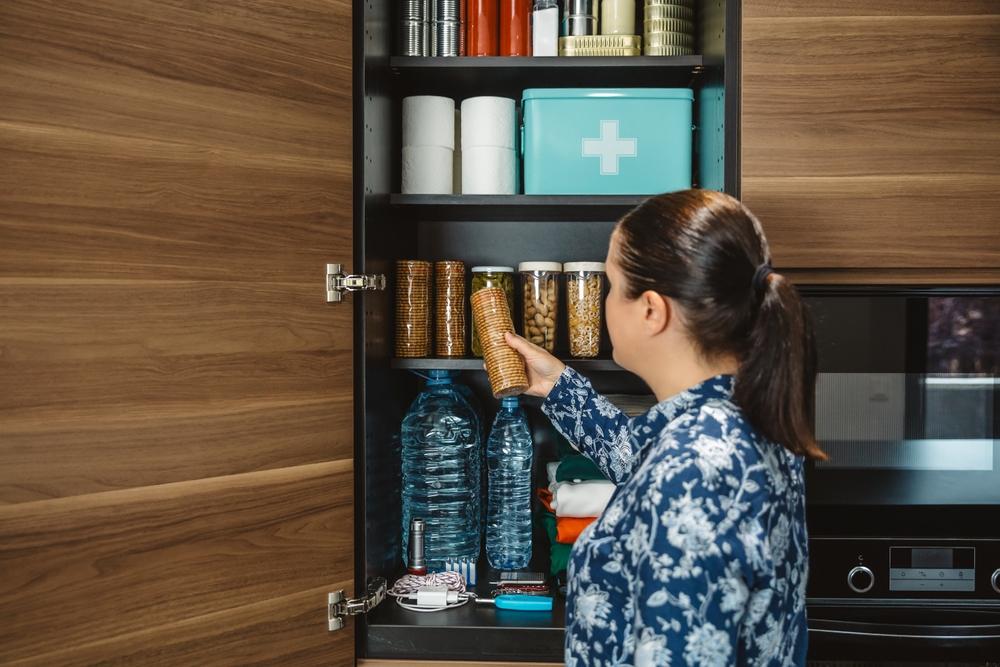
An emergency kit shouldn’t just be a box of supplies you put together once and forget about. Check the expiration dates on food and medications periodically, test your flashlights, replace batteries, charge your power bank, and update your documents and contacts.
It’s also a good idea to review your kit whenever your family’s needs change. A child may outgrow certain items, your pet may need a different type of food, and the medications or household supplies you keep on hand may change.
No one can predict exactly when the next emergency will affect Tampa Bay. But having an emergency kit prepared ahead of time means you won’t have to spend the first hours after a storm searching for water, food, batteries, or other basic supplies. A few hours of preparation now can make life significantly easier when your normal routine is temporarily disrupted.


ABOUT TampaBayTide
FOR BUSINESS