


How to Stay Safe on the Water During Hurricane Season

Late summer in Tampa Bay is hard to imagine without the water. The beach, pool, kayaking, boating, paddleboarding, or simply spending a few hours by the bay are among the best ways for locals and visitors to enjoy a hot day. But by late August, there is another important factor to add to the usual water safety rules: hurricane season.
The Atlantic hurricane season runs from June 1 through November 30, with its peak occurring around late summer and early fall. That means that in August and September, planning a day on the water should involve more than just checking the air temperature and rain forecast. Even a tropical system that is far from Florida can affect ocean waves and contribute to dangerous rip currents.

Check More Than Just the Weather Before You Go
A sunny morning does not necessarily mean that conditions on the water will remain safe throughout the day. Before heading out, check the weather forecast, sea or bay conditions, thunderstorm warnings, and, if you are planning a beach day, the rip current forecast.
This is especially important during hurricane season. A tropical cyclone can be a considerable distance from the coast, but its waves can travel far from the storm itself. As a result, the beach may be sunny and calm while currents are already becoming stronger and more dangerous. So the rule “if the sky is clear, it’s safe to swim” does not always work in late summer in Florida.
Don’t Ignore the Beach Flags
Rip currents are narrow, powerful channels of water that flow away from the shore toward the open sea. They can occur near piers, jetties, sandbars, and other features of the shoreline. Sometimes a dangerous current can look surprisingly calm: instead of choppy water, you may see a calmer-looking area between the waves.
If the risk of rip currents is high, it is best to stay out of the water altogether. At moderate risk, you should also be especially cautious and stay in shallow water. Even when the risk is low, dangerous currents are still possible, especially near piers and other structures.
If you are heading to the beach, pay attention to the warning flag system and lifeguard recommendations. If lifeguards are on duty, it is best to swim in the area they supervise.
What to Do If You’re Caught in a Current
One of the most important things anyone swimming in the Gulf of Mexico should know is that you should not try to overpower a rip current.
If a current is carrying you away from shore, do not try to swim directly back against it. This can quickly exhaust even a strong swimmer. Instead, stay calm and swim parallel to the shore until you are out of the current, then angle your way back toward the beach. If you cannot get out on your own, try to attract the attention of a lifeguard.
Children should never be left unattended, even in very shallow water. A strong wave or current can change the situation in a matter of seconds.
A Thunderstorm Is a Signal to Get Out of the Water
It is important to monitor more than just tropical storms. Summer thunderstorms themselves pose a serious danger to anyone spending the day on the water.
Water conducts electricity well, so during a thunderstorm, swimmers, people on paddleboards and kayaks, and those on boats are especially vulnerable to lightning strikes. Open water provides no safe shelter, and a person in the water or on a small watercraft is often the highest point around. Even when lightning does not strike directly nearby, an electrical discharge can spread across the surface of the water and cause severe injury or death. In addition, a thunderstorm can suddenly bring strong winds, high waves, and poor visibility, making it more difficult to get back to shore.
If a thunderstorm is approaching, do not wait for the first lightning strike or heavy rain. Get out of the water and move to a safe shelter – preferably a building or an enclosed vehicle. A tent, gazebo, beach umbrella, or canopy does not provide adequate protection from lightning. You should wait at least 30 minutes after the last sound of thunder before returning to the water.
It is especially dangerous to be in the middle of the bay or far from shore when a thunderstorm is approaching. During a day on the water, regularly monitor the sky and forecast rather than checking the weather only before leaving home.
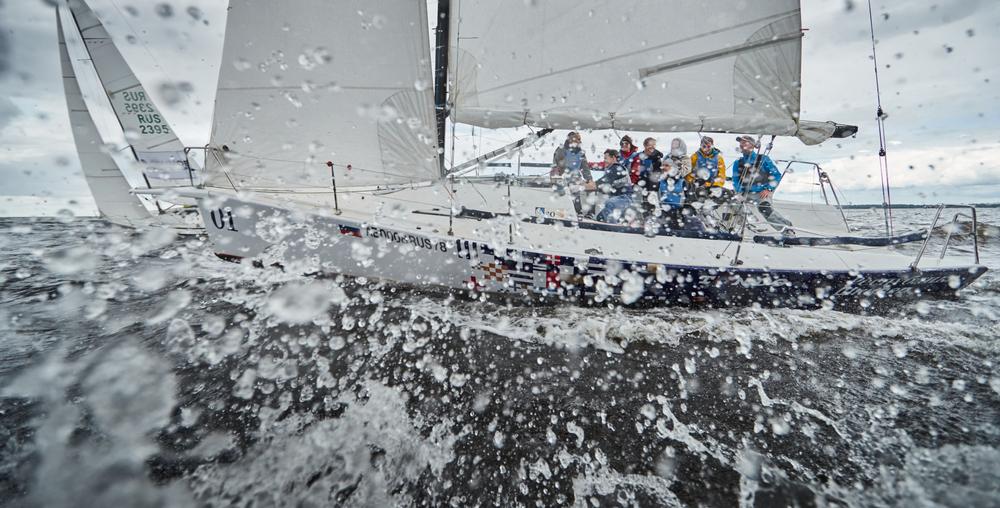
If You’re Going Out on a Boat
For boaters, hurricane season means paying even closer attention to the forecast. Before heading out, check not only the temperature and chance of rain, but also the wind, water conditions, thunderstorm activity, and marine forecast.
Life jackets should be readily accessible and properly sized for every passenger. For children, it is especially important to use a properly fitted US Coast Guard-approved life jacket rather than relying on inflatable toys or standard flotation devices, even if you are confident in their swimming abilities.
During hurricane season, it is also a good idea to have a clear plan for returning to shore. If the forecast starts to deteriorate, do not try to “squeeze in one more hour.” Weather conditions on the water can change much faster than they appear to from shore.
And if a tropical system is approaching the region, it is better to postpone your boating day. Hurricanes and tropical storms create dangerous waves, strong winds, and currents, while storm surge can pose a serious threat to coastal areas. Recent experience in Florida shows that the effects of these systems can be significant even far from the point where a hurricane makes landfall.
Don’t Assume “It’s Just the Bay”
Tampa Bay may seem much calmer than the open waters of the Gulf of Mexico, but that does not mean the water here is always safe.
Wind, thunderstorms, strong currents, boat traffic, and sudden changes in weather all create their own risks. In addition, during periods of tropical activity, conditions can change even when there is no hurricane directly over Tampa Bay.
So the rule is simple: if the forecast makes you hesitate, it’s better to stay on shore.
The Sun Is Still a Hazard
Hurricane season does not cancel the usual Florida safety rules. Even on a day when you are carefully monitoring storms and currents, it is easy to forget about the sun, heat, and dehydration. For more details on staying safe on a hot day, read our article “August Heat in Tampa Bay: How to Stay Cool, Hydrated, and Safe.”
Bring plenty of water, take regular breaks in the shade, and use sunscreen. Children require special attention because they may keep playing in the water without noticing that they are tired or overheating.

Planning a safe day on the water in Tampa Bay does not mean giving up the beach, boat, or kayak for the entire season – most summer days are perfectly suitable for enjoying the water when conditions are taken into account.
But in late August, it is helpful to develop a simple habit: check the weather forecast, tropical system alerts, and rip current risk before heading out, and once you arrive, pay attention to the flags and recommendations from local lifeguards.
And remember: in Florida, you do not have to wait until the sky turns black to cancel your swim. Sometimes the best decision for a safe day on the water is to stay on shore and come back another day.


ABOUT TampaBayTide
FOR BUSINESS