


Finding the Right Youth Sports Club for Your Child

For a child, sports are about more than just physical activity. Regular training helps develop coordination, endurance, and strength, teaches kids how to work as a team, set goals, and keep going after setbacks. But for sports to be genuinely beneficial and enjoyable, it’s important to find a sports club that matches your child’s age, personality, and interests.
In Tampa Bay, there is a huge variety of youth sports programs, from swimming, soccer, and gymnastics to tennis, martial arts, dance, and different team sports. That’s why it’s better to start your search not with the question “Which club is the best?” but with “Which club is the best fit for my child?”
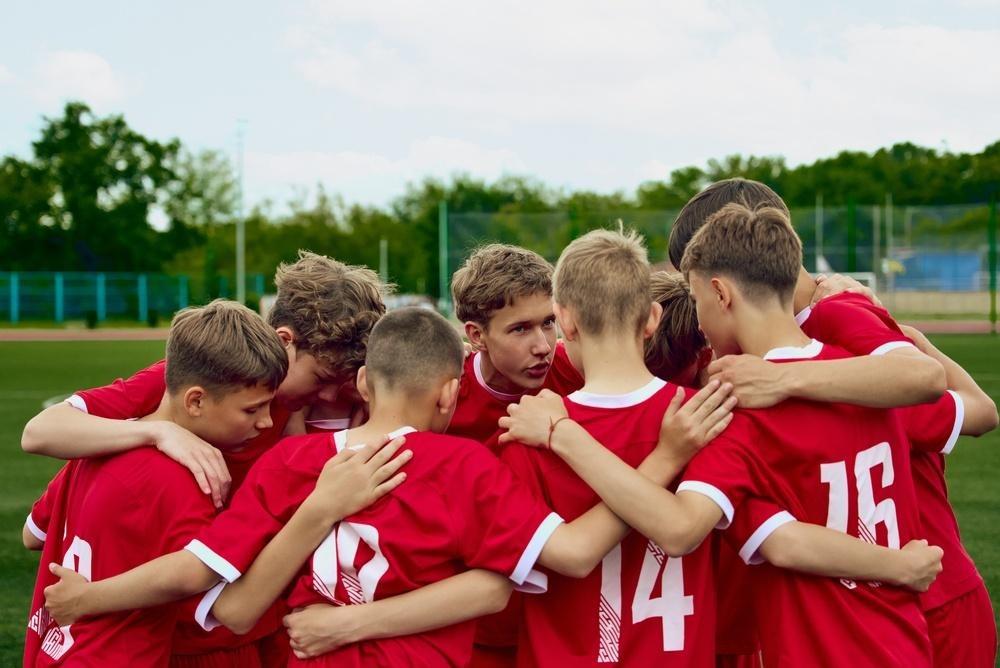
Start With Your Child’s Interests
The most important rule is not to choose a sports program simply because the parents like it. A child may feel great on a soccer field but have absolutely no interest in soccer. Or, for example, a shy child may unexpectedly become interested in swimming or gymnastics, where they don’t have to constantly interact with a large team.
If your child already knows which sport they want to try, that’s a good place to start. If they can’t decide, you can suggest several different options and attend trial classes. There’s also no need to immediately choose one activity for several years. Trying different types of activities can help your child figure out what they actually enjoy.
It’s also worth considering your child’s temperament. Some kids enjoy competition and team play, while others get more enjoyment from individual training. For some children, competition is a strong motivator, while others care more about socializing with peers and simply having an active way to spend their time.
Check the Age and Skill Level the Program Is Designed For
Even within the same sport, programs can be very different. One club may primarily offer classes for beginners, while another may focus on kids who already have experience and want to compete.
When searching, pay attention to age groups, skill levels, and the format of the classes. For a young child, their first introduction to sports should be more play-based, while older kids may already be interested in structured training with specific goals.
If your child has participated in sports before, ask which group they would recommend. A good club shouldn’t automatically determine a child’s skill level based solely on age.
Look at the Coach
When you choose a youth sports club, you’re essentially choosing not only a sport but also an adult who will have an influence on your child. That’s why the coach’s personality and approach are just as important as the sports program itself. Even a great program won’t be enjoyable for a child if the coach doesn’t know how to connect with them.
During your first visit, pay attention to how the coach communicates with the kids. Do they explain mistakes calmly? Do they encourage children when something doesn’t work out? Do they recognize the differences between more and less experienced participants? Do they create an environment where a child isn’t afraid to ask questions or try again?
It’s especially important to understand the club’s attitude toward competition. For some children, athletic performance can be a great motivator, while for others, too much emphasis on winning can quickly turn a favorite activity into a source of stress.
It’s also important to listen to what your child says about the coach after practice. If your child enjoys the sport but regularly doesn’t want to go to a particular coach, is afraid of them, comes home upset, or talks about humiliation, yelling, or unfair treatment, you should take it seriously.
A child may not immediately say, “This coach isn’t a good fit for me.” Instead, they may complain that the coach is always yelling, making fun of mistakes, comparing kids to one another, only paying attention to their favorites, or forcing them to do things that scare them. Sometimes a child continues to love the sport itself but gradually loses interest in participating because of a particular adult.
Be especially concerned if a coach humiliates children because of their appearance, weight, or physical characteristics, uses fear as a form of motivation, punishes mistakes, or creates an atmosphere of constant competition among the kids. For a young child, a coach’s words and behavior can have a much greater impact than adults realize.
That’s why after practice, it’s worth asking your child more than whether they liked the sport. Ask how the coach talked to them, what happened when something didn’t go well, whether they felt comfortable, and whether anything upset or scared them. If your child describes a problem with the coach several times, don’t automatically explain it away by saying that “the coach is just strict.” A child’s safety and emotional well-being are more important than the club’s reputation or athletic results.
A bad coach can do more than ruin a child’s experience with sports. Excessive demands, unsafe methods, humiliation, or ignoring a child’s concerns can have serious psychological and physical consequences. That’s why parents need to pay attention not only to athletic results but also to how their child feels around the coach.
A good coach can be demanding and help a child work through challenges, but being demanding should never turn into humiliation, intimidation, or cruelty. The goal of youth sports isn’t simply to teach a child how to perform exercises or win. It’s important that after practice, they actually want to come back and keep playing the sport.
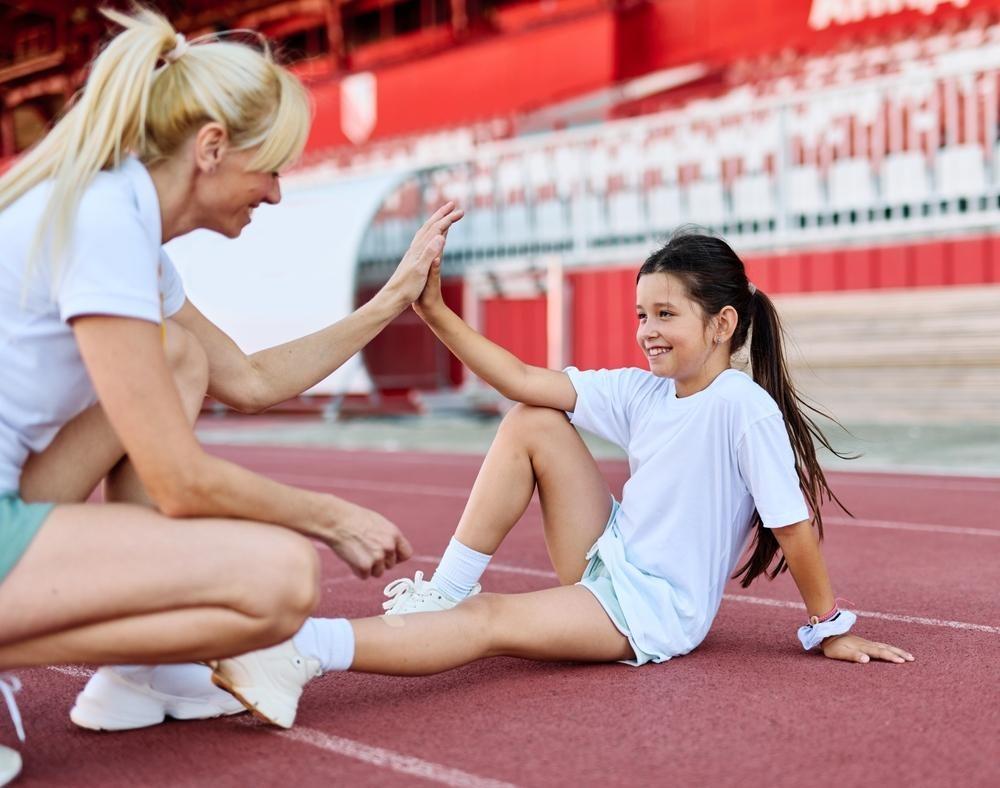
Ask About the Group Size
The number of children in a group directly affects how much attention each participant can receive. The ideal group size depends on the sport, the children’s ages, their skill levels, and the complexity of the exercises. For example, in team sports such as soccer, basketball, or volleyball, a group of 10-15 children can be perfectly reasonable if there are enough coaches and every child is regularly involved in the exercises. For individual sports where technique requires constant supervision, groups should generally be smaller. In swimming, for example, a comfortable guideline might be 4-8 children per coach, depending on their age and skill level.
These aren’t universal standards, but a very large group without additional coaches may mean that your child gets very little individual feedback. Don’t hesitate to ask how many children train at the same time, how many coaches work with the group, and how the club supports children who are falling behind or, on the other hand, learning faster than the rest of the group.
Evaluate the Location
Convenience of location is often underestimated when choosing a club. At first, it may seem that driving across town for a great coach is completely worth it. But if practices take place several times a week, the drive quickly becomes part of your family’s schedule.
For families in Tampa Bay, this can be especially important because travel time can vary significantly depending on the area and traffic. A club that is closer to home, school, or your route after work can sometimes be more practical than an option with slightly better facilities but complicated logistics.
It’s also worth checking whether there is enough parking, whether it’s convenient to wait for your child during practice, and whether parents are required to stay on the club’s premises.
Ask About a Trial Class
Before paying for a season or purchasing an expensive training package, find out whether you can attend a trial class. It’s one of the best ways to understand whether the club is a good fit for your child.
After the class, it’s important to ask more than “Did you like it?” A child may simply answer “yes” or “no” without explaining why. Instead, ask what they liked, whether they felt comfortable with the coach and the other kids, whether they would like to come back, and whether anything made them uncomfortable.
Your child’s reaction after the first practice can tell you more about a club than photos on its website or reviews from other parents.

Find Out the Full Cost
The price of training isn’t always the same as the total cost of participating. Before registering, find out exactly what is included in the advertised price.
Some clubs may charge separate registration fees, fees for uniforms or equipment, competition fees, insurance, special fees, or additional training. For team sports, there may also be costs for uniforms, tournaments, and travel.
It’s also worth asking about payment and cancellation policies. If your child gets sick, your family goes on vacation, or you decide to stop training, it’s important to know in advance whether refunds or make-up classes are available.
Check Safety
Safety should be one of the main criteria when choosing a youth sports club. Pay attention to the condition of the sports equipment, facilities, and fields. If it’s a pool, ask about safety rules and how children are supervised. For contact sports, it’s important to ask about protective equipment and rules for safe behavior during practice.
It’s equally important to find out who is authorized to pick up your child after practice, how the club handles emergencies, and whether staff members have appropriate training. If your child has special needs or limitations related to physical activity, you should inform the club in advance and make sure the coaches know how to work with them.

Don’t Ignore Your Child’s Opinion
Even if parents have already found a club with a good reputation, convenient location, and reasonable price, the final decision should be made together with the child.
Sports should become part of their life, not another obligation on their parents’ calendar. If after several classes your child consistently doesn’t want to go to practice, complains about the atmosphere, or loses interest, that doesn’t necessarily mean they “don’t like sports.” Maybe the particular sport, coach, or format simply wasn’t a good fit.
At the same time, there’s no need to make it your goal to find a sports program for your child at any cost. Not every child enjoys competition, team sports, or physical activity. For one child, soccer or gymnastics may become a favorite activity, while another may feel much more comfortable with art, music, STEM, or another after-school activity. We covered in more detail how to find the right type of activity for your child in the article “After-School Activities: Sports, Arts, STEM and the Right Fit for Your Child.”
Sometimes the best result doesn’t come from finding the “perfect” sports club on the first try, but from giving your child the opportunity to try several different options and gradually figure out what they truly enjoy.
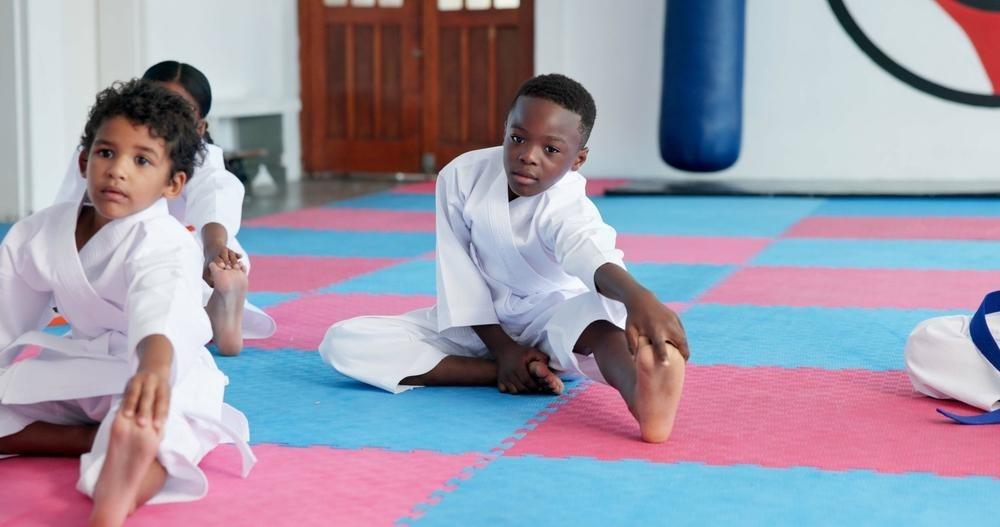
Before signing your child up for training, compare several clubs using the same criteria: location, schedule, group age and skill level, coaches’ qualifications, group size, cost, and additional expenses.
Once you’ve decided on a sport and determined your child’s age and skill level, you can start looking for a specific club. On our website, you can browse youth sports clubs in Tampa Bay and find options that fit your needs and are conveniently located for your family.
There’s no need to choose the most expensive or best-known club. A good youth sports club is a place where a child feels safe, enjoys participating, and gradually develops, while the training format works for the whole family. Finding the right option can be much easier if you first identify your child’s needs and then look for a specific club. And if your first choice doesn’t work out, that’s okay. Youth sports are, above all, an opportunity to stay active, try something new, and find an activity they genuinely want to continue.


ABOUT TampaBayTide
FOR BUSINESS