


After-School Activities: Sports, Arts, STEM and the Right Fit for Your Child

The start of the school year isn’t just about a new class, teachers, and a school schedule. For many parents, it also brings up another question: What will their child do after school? There are plenty of options, from soccer, basketball, and swimming to dance, music, theater, art, STEM programs, and a variety of activities at community centers and after-school programs. For example, City of Tampa programs offer children more than just after-school care, with sports activities including basketball, flag football, hockey, running, cheerleading, and more.
But having so many options doesn’t mean your child needs to sign up for as many activities as possible. A good after-school activity should do more than fill free time – it should match your child’s age and interests, fit into your family’s schedule, and leave enough time for rest.
First, make sure your child has already adjusted to the new school routine. We wrote more about how to help your child get through the first weeks of the school year in a separate article.
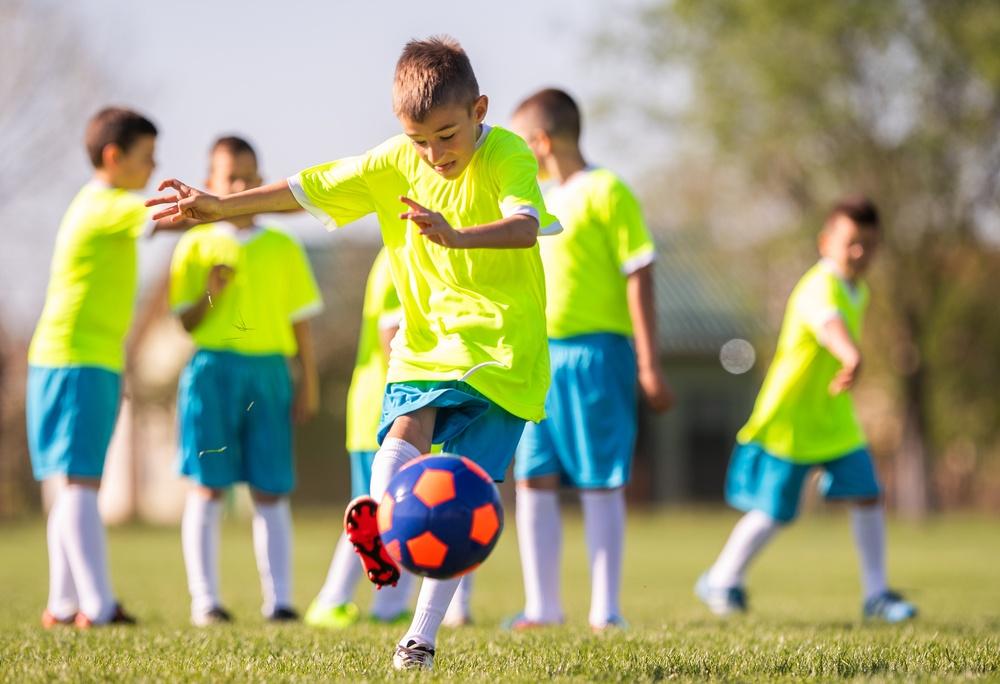
Start With the Child, Not the Activity
One of the most common mistakes is deciding which activity parents think would be beneficial and then trying to convince their child to attend. It’s better to start with a simple question: What does your child enjoy doing?
If your child is constantly on the move, enjoys competing, or likes playing with other kids, consider team or individual sports. If they spend hours drawing, dancing, singing, or making up stories, a creative activity may be a better fit. An interest in building sets, experiments, computers, or puzzles can be a good foundation for STEM programs.
It’s also important not to project your own unfulfilled ambitions onto your child. If you dreamed of taking ballet, playing soccer, studying music, or competing when you were a child, that doesn’t mean your child needs to follow the same path. An activity shouldn’t become a way for parents to achieve through their child what they weren’t able to achieve themselves.
Of course, adults can introduce a child to a new area and suggest trying something they haven’t considered before. But after that, it’s important to pay attention to the child’s own reaction: Are they interested, enjoying themselves, and wanting to come back, rather than simply meeting their parents’ expectations?
There’s also no need to decide right away what your child will do for the entire school year – it’s completely normal to try different activities first.
Consider Your Child’s Personality
The same activity can be a great choice for one child and a terrible fit for another.
A team sport can help a shy child make friends and gradually become more confident. But for a child who struggles with competition or gets overwhelmed by large groups of people, an individual sport or creative activity may feel more comfortable.
Likewise, don’t automatically assume that an active child has to play sports. Their real interest might be music, theater, or drawing. The goal of an after-school activity isn’t to keep a child as busy as possible. It should give them an opportunity to develop skills, find like-minded people, gain new experiences, and, ideally, enjoy themselves.

Don’t Try to Fill Every Free Evening
Once the school year starts, it’s easy to create a schedule where Monday is soccer, Tuesday is music, Wednesday is dance, Thursday is another activity, and the weekend is taken up by competitions. On paper, this can look like a busy and productive life. In practice, your child may simply have no time to rest.
A school day already requires concentration and energy. Add homework, transportation, meals, sleep, family time, and ordinary play, and it becomes clear why the number of activities doesn’t necessarily equal their value.
Especially at the beginning of the school year, it’s worth leaving some open space in the schedule. After a few weeks, it will be much easier to understand how much activity your child can comfortably handle.
Check the Schedule Before You Register
This is especially important for families in Tampa Bay, where different programs can have very different schedules. Some activities take place immediately after school, while others are held in the evening or on weekends. Some programs meet once a week, while others have practices several times a week along with additional games or competitions.
Before registering, look at more than just the activity’s start and end times. Consider the entire logistics of getting there. How long does it take to get from school to the activity location? Who will pick up your child? Is there an option to keep them in an after-school program until the activity starts? What happens if the activity ends late? Does the schedule fit around the parents’ work hours?

Think About the Goal of the Activity
Not every after-school activity needs to have a specific “benefit” for a child’s future career or education. For one child, the goal may be physical activity. For another, it may be making new friends. For a third, it may simply be having the opportunity to do something they genuinely enjoy.
If your child is shy, an activity that gradually helps them interact with others may be a good choice. If physical activity is difficult for them, look for a sport that doesn’t feel like punishment. If your child already has a strong interest in a particular area, after-school activities can give them a way to explore it more deeply.
At the same time, don’t turn every activity into another academic subject. Children also need activities they do simply for fun.
Don’t Be Afraid to Start With a Trial Class
If a program offers a trial class, it’s worth taking advantage of it.
A description on a website may sound great, but it won’t show you how your child will actually feel in a particular group. The coach or instructor, the atmosphere, the group size, the level of discipline, and the way adults interact with children all matter.
After the first class, don’t just ask, “Did you like it?” Ask, “What did you like about it?”, “What was difficult?” and “Would you like to go again?” If the answer is no, that doesn’t necessarily mean the entire activity is a bad fit. Maybe your child didn’t connect with that particular instructor, format, or group.
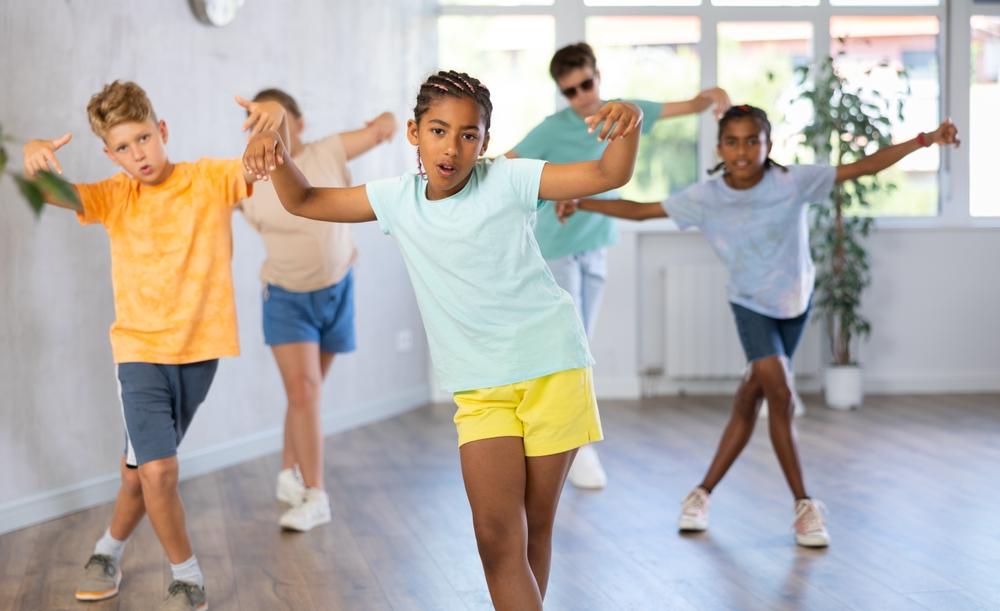
Consider the Full Cost, Not Just the Registration Fee
The cost of the activity is far from the only expense.
A sports program may require uniforms, shoes, equipment, tournament fees, or additional payments. Music lessons may require an instrument. Dance classes may require specific clothing. Some programs charge separately for registration, materials, or participation in performances. Before signing up, it’s better to ask about the total cost for the season or school year rather than just the monthly fee.
Tampa Bay also has free or more affordable options, especially through municipal and community-based programs. For example, the City of Tampa offers a variety of youth sports and recreation programs, while local Boys & Girls Clubs combine academic support, sports, wellness, arts, and other after-school activities.
Sports or Creativity: You Don’t Have to Choose Just One
Parents sometimes view choosing after-school activities as a decision about one primary area of focus. In reality, a child can benefit from different experiences in different areas. For example, one sports activity can provide regular physical activity and teamwork, while one creative activity can give them an opportunity to develop different skills.
The key is making sure the overall number of activities remains manageable. There is no universal standard, but child psychologists generally recommend considering the child’s age, temperament, and how much free time they have left.
For preschoolers, one regular activity is enough, and it may be even better to choose activities that don’t require a strict long-term schedule. For elementary school-age children, one or two activities per week is usually a reasonable choice, while leaving at least a few evenings free for play and rest. For middle schoolers, two or three activities may be appropriate as long as they don’t interfere with sleep, homework, family time, or free time. For teenagers, the number of activities should be determined less by age and more by the overall workload: one or two primary activities may be enough, while additional activities only make sense if the child has the energy and personal motivation for them.
These aren’t strict rules, just general guidelines. If your child is regularly tired, irritable, sleeping poorly, or losing interest in their activities, it may be time to cut back regardless of their age. For younger children, it may also be more beneficial to spend a few months trying different activities rather than choosing one right away and committing to it for the entire year.

Pay Attention to the Coach or Instructor
Even a great program may not be a good fit if your child is uncomfortable with the adult leading it.
During a trial class, pay attention to how the instructor gives directions, responds to mistakes, and communicates with the children. Do they support beginners? Do all the children get attention? Does the atmosphere remain friendly even when there is competition?
For young children, this may matter more than how prestigious the program sounds.
Check the Safety Policies
For sports programs, it’s worth asking specifically about physical fitness requirements, insurance, equipment, and safety procedures.
It’s also helpful to find out who is responsible for the child before the activity begins and after it ends, how pickup is handled, what happens in the event of an injury or emergency, and how the program notifies parents about changes.
These questions may seem secondary when choosing an activity, but they become very important once your child is attending regularly.
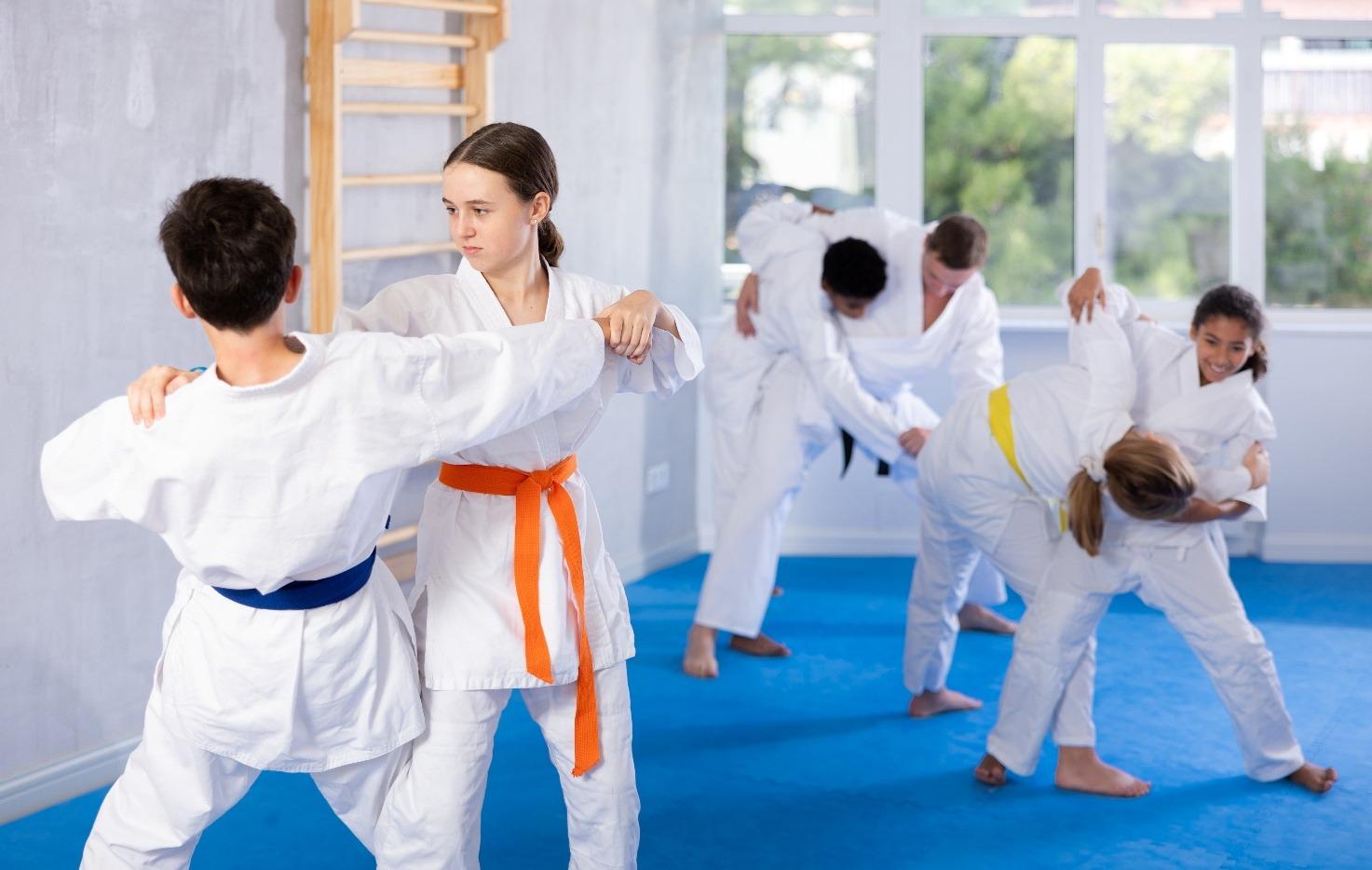
Give Your Child Permission to Change Their Mind
Choosing an activity shouldn’t become a long-term commitment simply because you’ve already paid for it.
Of course, it’s good for children to learn how to follow through with something they’ve started. But there’s a difference between “This is hard, but I want to keep going” and “I hate every class and don’t want to go back.”
A parent’s first reaction when a child refuses to attend an activity may be simple: The child lost interest, got bored, or doesn’t want to put in the effort. But the reason may be completely different. Instead of immediately trying to convince your child to continue or, on the other hand, canceling the activity, try to understand what exactly they don’t like.
Don’t start with “Why don’t you want to go?” For a child, this question can sound like a demand to justify their decision. Especially if they already sense that their parents think the activity is a good choice and expect them to continue attending.
It’s better to start more calmly. For example: “Tell me what your practice is like,” “What do you like most about it?” or “What do you like the least?” Open-ended questions are useful because they can’t be answered with just “yes” or “no.” If your child says, “It’s boring,” you can ask, “What exactly is boring—the exercises themselves, waiting for your turn, or what you do during practice?” This can gradually help you distinguish between not wanting to do the particular activity and having a problem with the class itself.
Try to find out what exactly isn’t working. Sometimes a child likes soccer but doesn’t like their particular team. They may love dance but be afraid of performances. They may enjoy swimming but feel uncomfortable with the coach. Or they may want to play sports but struggle with an overly competitive atmosphere. That’s why it’s worth talking about several different things: the activity itself, the coach or instructor, the other children, the format of the classes, the level of difficulty, and how the child feels.
It’s especially important to pay attention to what happens immediately before the child starts refusing to go to the activity. If they’re fine with soccer itself but start getting nervous on the way to practice, the problem may not be soccer.
Pay attention to the other children. For a child, the social atmosphere can be just as important as the activity itself. Maybe they haven’t made friends in the group. Maybe someone teases them, leaves them out of the game, or constantly criticizes them. Older children may behave aggressively, and the child may not know how to tell an adult about it.
Asking “Do you like the other kids?” may not be enough. Instead, ask them to tell you who they usually talk to during the activity, who they sit or play with, who helps them when something isn’t going well, and whether there is anyone they would rather avoid.
If your child’s behavior suddenly changes, they become afraid of a particular activity, start making excuses not to go, or seem noticeably more anxious after practices, that’s a reason not simply to convince them to keep going, but to look more closely at what is happening.
Talk about the coach directly. A child may have trouble saying, “I don’t like my coach,” especially if they think their parents consider the coach a good professional.
You can ask, “What does the coach do when someone makes a mistake?”, “How does the coach explain things when something isn’t working?” or “What happens when you can’t do an exercise?” This can help you understand the difference between a demanding but fair coach and an adult who intimidates, humiliates, or puts excessive pressure on children.
If your child says that something is simply difficult, that doesn’t necessarily mean they should quit the program. But if they’re afraid of the coach, regularly come home upset, or describe humiliation or aggressive behavior, the issue needs to be taken seriously.
Or maybe your child simply doesn’t like the activity? Sometimes the answer really is that simple: the child doesn’t like the particular activity.
Not every child has to love soccer just because all their friends play soccer. Not every girl wants to dance, and not every teenager will be interested in music, robotics, or team sports. A simple question can help: “If you didn’t have to go to this particular activity, what would you want to do instead?”
The answer can provide much more information than trying to convince your child to put up with it a little longer. If they immediately name another sport, a creative activity, a science program, or simply say they want more time to spend with friends, it may be a sign that the problem isn’t with after-school activities in general, but with a poor fit.
Don’t put the answer in your child’s mouth. Parents should remain curious without turning the conversation into an interrogation. Phrases like “You like swimming, right?”, “You’re just shy,” or “Did someone hurt your feelings?” can unintentionally suggest an answer. It’s better to give your child the opportunity to put their feelings into their own words.
Sometimes children need time. You don’t have to get the whole answer in one conversation. You can return to the topic the next day or talk about it on the way home, when it doesn’t feel like an official “serious conversation.”
The most important thing is to show your child that their opinion truly matters. The goal of the conversation isn’t to find arguments for why they should continue the activity, but to understand the real reason they don’t want to go. Then it will be much easier for parents to decide what to do next: leave things as they are, change the coach or group, reduce the workload, or simply accept that this activity isn’t the right fit for their child.
Before quitting, it’s worth figuring out what the actual problem is. If your child doesn’t like the particular format, perhaps the group or instructor can be changed. If the problem is the workload, reducing the number of practices may be enough.
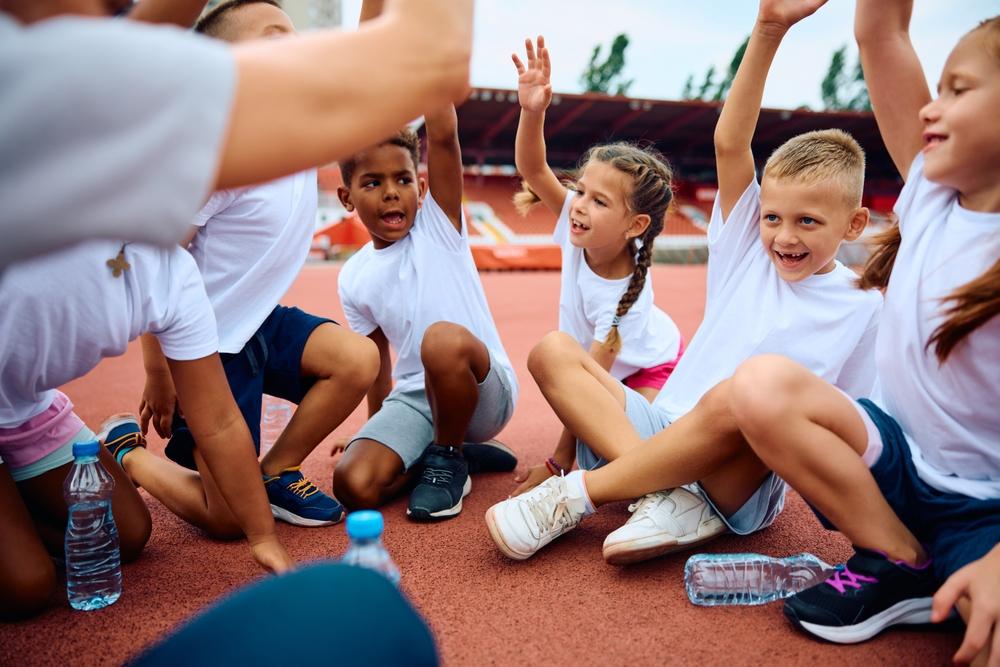
What Makes a Good After-School Activity
There is no universal set of activities that works for every child. A good choice is one that fits the particular child and your family.
At the beginning of the school year, there’s no need to fill the entire calendar right away. It’s better to choose one activity, give your child a few weeks to adjust to the new school routine, and then see whether they have the energy and desire to add something else.
In Tampa Bay, there are enough options to look for more than just the “most beneficial” activity. You can find a format where your particular child feels comfortable. Local programs cover sports, arts, STEM, leadership, recreation, and other areas, so parents should start not with the question, “What’s popular right now?” but with “What is right for my child?” The best result doesn’t come from the most expensive or prestigious program, but from a simple activity that your child is happy to return to every week.


ABOUT TampaBayTide
FOR BUSINESS