


Finding an Auto Repair Shop You Can Trust


A good auto repair shop is needed not only when your car won’t start or a red warning light comes on the dashboard. The best time to find one is while your car is still running well. That way, you have time to compare your options, ask questions, and choose a shop you’ll feel comfortable working with in the future.
There are plenty of auto repair shops to choose from in Tampa Bay, but you can’t always determine how reliable a shop is by the number of reviews it has or how attractive its website looks. Much more can be learned from how the shop organizes its work and interacts with customers.
Start With Your Car’s Needs, Not the Price
Different vehicles and different types of repairs require different kinds of experience. A shop that does an excellent job with routine maintenance may not necessarily be the best choice for complex electronic diagnostics, transmission repairs, or work on a hybrid or electric vehicle.
So, start by figuring out exactly what you need. If you’re looking for routine maintenance, look for a shop that regularly works with your make and model. If your car has a complicated or unusual problem, it’s more important to find a shop with the right equipment and diagnostic experience.
This can also help you avoid paying for a service you don’t actually need. A good shop shouldn’t try to handle every job simply because a customer has already brought the car in. Instead, a reliable mechanic should be willing to tell you when a particular problem would be better handled by a specialized shop or dealership.
Check Who Will Actually Be Working on Your Car
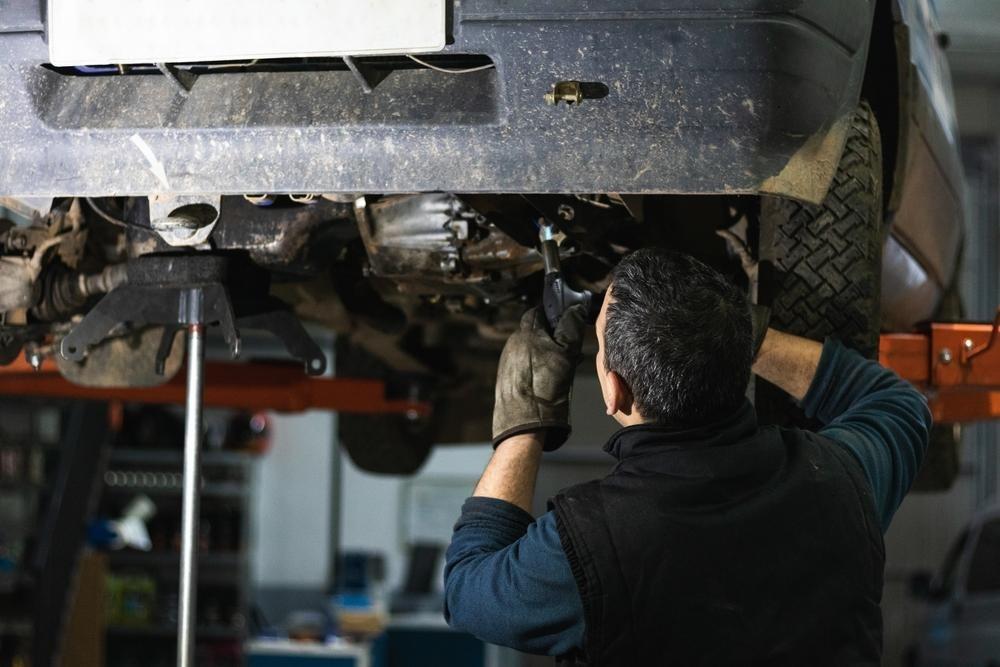
The shop’s name is only part of the story. It’s worth finding out who will be handling the diagnosis and repairs and what kind of experience that person has.
ASE certification can be a useful reference point when looking for a technician. At the same time, having a certification by itself is not a guarantee of quality work: it’s also important to know whether the technician has experience with your particular type of vehicle and specific problem.
Sometimes a problem that appears to be mechanical may actually be related to electronics, sensors, or software. A good shop should have not only the right tools, but also the ability to properly interpret diagnostic results.
Look at How the Shop Diagnoses the Problem
Diagnostics are often what separates professional repairs from replacing parts at random.
When you describe the problem, pay attention to how the mechanic responds. Do they ask follow-up questions? Do they want to know under what conditions the symptom occurs? Do they want to take the car for a test drive if the problem happens while driving? Do they explain what checks need to be performed before recommending a repair?
It’s better not to try to diagnose the problem yourself instead of the mechanic, but rather to describe the symptoms and let the professional determine the cause. If you have doubts about the diagnosis, it’s completely reasonable to ask what results it is based on.
This is especially important when an expensive repair is involved. If you’re told that several costly components need to be replaced but no one can clearly explain how the cause of the problem was determined, it’s better to get a second opinion.
Evaluate How Clearly the Repair Is Explained to You
You don’t need to know every technical term to stay informed about your car’s repair. A good shop should be able to explain the problem in plain language.
For example, instead of simply hearing “this part needs to be replaced,” you should understand what failed, how it affects the vehicle, and what will happen if you postpone the repair.
It’s also useful to ask which repairs are necessary now and which ones can be scheduled for later. This approach helps you prioritize, especially if your car needs several types of service at once.
Professional communication is just as important as technical skills.

Check How the Shop Handles Estimates
Before the repair begins, you should understand exactly what you’re paying for. A written estimate should show the cost of parts and labor separately, as well as help you understand what additional expenses may come up.
It’s just as important to find out what happens if the mechanic discovers another problem during the repair. A reliable shop should get the customer’s approval for additional work rather than simply adding it to the final bill. It’s worth agreeing in advance on when the shop needs your approval to increase the cost of the repair.
In Florida, a written estimate also has practical significance: the state’s official form includes, among other things, information about the vehicle, the proposed work, the warranty, and the maximum amount the shop may charge without additional authorization.
Find Out What Happens After the Repair
A shop’s reliability isn’t demonstrated only when you pick up your car.
Ask what warranty the shop provides on the work performed and the parts installed, what exactly it covers, and for how long. Don’t assume that the word “warranty” means a universal guarantee on everything: terms can vary significantly, so it’s better to get them in writing.
Also, pay attention to the paperwork you receive after the repair. A good shop should provide an invoice or repair order listing the work performed, the parts used, and the associated costs. These aren’t just accounting documents – your service history helps you keep track of your vehicle’s condition and can become important if a warranty issue comes up later.
Test the Shop With a Smaller Job
If you’re looking for a new shop, you don’t necessarily have to trust it with a complicated and expensive repair right away.
Routine maintenance, an oil change, filter replacement, or another relatively simple job can serve as a kind of test. You’ll see how easy it is to make an appointment, how the shop communicates, whether it follows through on what was agreed upon, how it explains the work performed, and how thoroughly it handles the paperwork.
If the experience is positive, you’ll already have a shop you’ve tested and can turn to when a more complicated problem comes up.
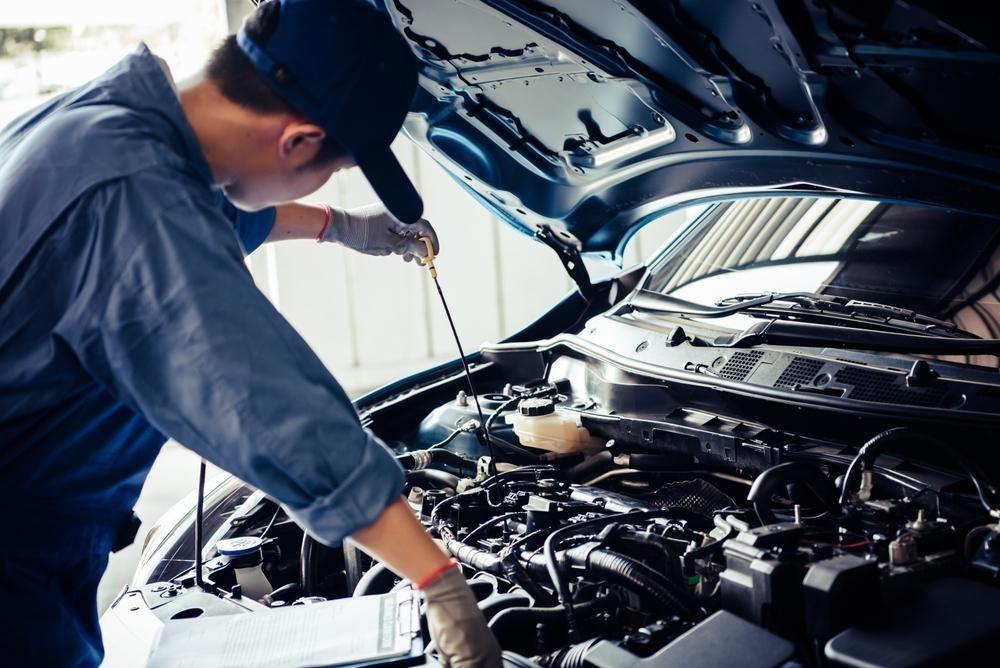
Finding a good shop is useful. Even better is having a shop whose service history you can continue building for years.
When a mechanic knows your vehicle’s history, can see previous repairs, and understands which problems have already been addressed, it’s easier for them to evaluate new symptoms. For the owner, that means less time spent explaining the situation and more predictability during future visits.
So when choosing a shop, it’s worth thinking not only about who can repair your car today. The real question is who you’re willing to trust with your car six months from now and several years down the road.
If you already know what type of service you need, check out the auto repair shop search on TampaBayTide and compare the available options in your area.
And if you want to avoid common problems when choosing a shop, we also recommend reading our article “Common Mistakes to Avoid When Choosing an Auto Repair Shop” – it complements this article and helps you look at choosing a repair shop from a different perspective.


ABOUT TampaBayTide
FOR BUSINESS