


Common Mistakes to Avoid When Choosing an Auto Repair Shop


Most drivers don't start looking for an auto repair shop until something has already gone wrong with their vehicle. When you're in a hurry, it's easy to make an emotional decision – choosing the closest shop, the cheapest estimate, or the first place that answers the phone. But this is exactly when your future repair experience is determined. The wrong choice can lead to higher costs, repeat repairs, voided warranties, or even safety risks on the road.
Choosing the right auto repair shop isn't just about finding the lowest price. It's about finding a service you can trust with your vehicle without worrying about hidden fees or poor-quality repairs.
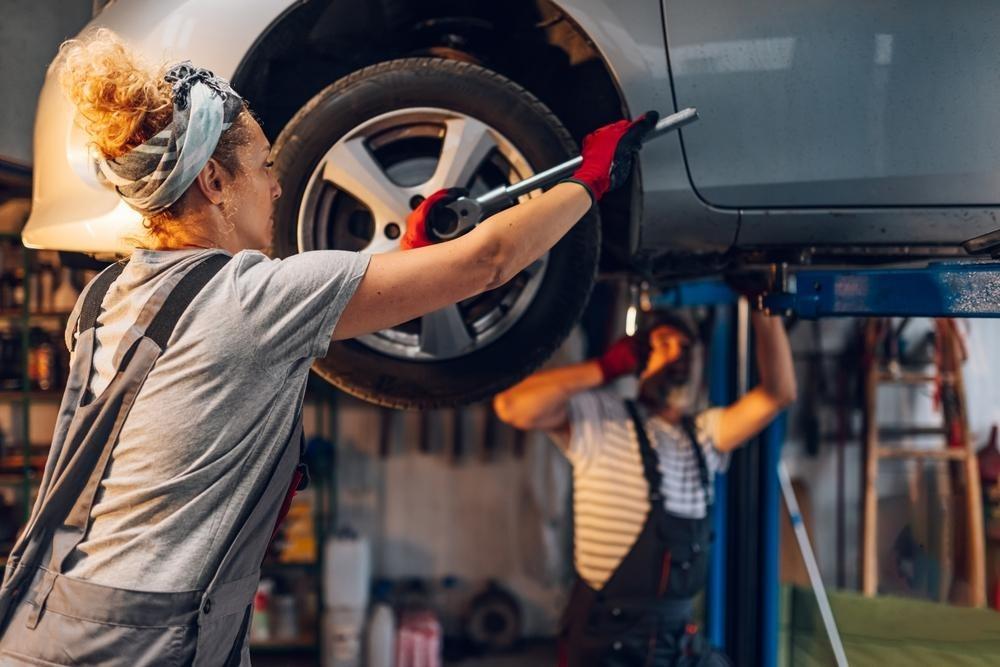
Choosing the Lowest Price
The cheapest estimate isn't always the best value. Wanting to save money is completely understandable, but an unusually low repair price often means lower-quality parts, limited diagnostic time, or repairs performed by less experienced technicians.
Quality repairs come at a fair market price. If one shop's estimate is significantly lower than everyone else's, ask exactly what's included, what type of parts will be used, and whether the work is backed by a warranty.
Ignoring a Shop's Specialty
Not every repair shop is equally qualified to work on every vehicle.
Some specialize in European brands, while others focus on Japanese or American vehicles. Some have extensive experience with hybrids and electric vehicles, while others primarily handle collision repairs or routine maintenance.
If a shop regularly works on your make of vehicle, its technicians are more likely to identify problems quickly and understand the common issues associated with your specific model.
Skipping Customer Reviews
Spending just a few minutes reading reviews can save you from major headaches.
Don't focus only on the overall rating – pay attention to what customers are actually saying. If multiple reviews mention repair delays, unexpected charges, poor communication, or having to return for the same problem, it's probably worth looking elsewhere. At the same time, don't judge a business based on a single negative review. The overall pattern matters much more.
Not Asking About the Diagnostic Process
Many vehicle owners wait until a problem becomes obvious before visiting a repair shop. Maybe the check engine light comes on, you hear unusual noises, or the vehicle starts running poorly. In that situation, it's easy to agree to whatever repairs are recommended, hoping the technicians will quickly solve the issue.
A professional repair shop, however, doesn't start replacing parts based on guesswork. It begins with a thorough diagnostic process to identify the actual cause of the problem and prevent unnecessary expenses. Afterward, the technician should explain the findings, discuss which repairs are necessary, which can safely wait, and review the estimated cost and timeline before any work begins.
Be cautious if a shop immediately recommends replacing expensive components without performing diagnostics or can't clearly explain why those repairs are necessary. A transparent diagnostic process reflects professionalism and helps you understand exactly what you're paying for.
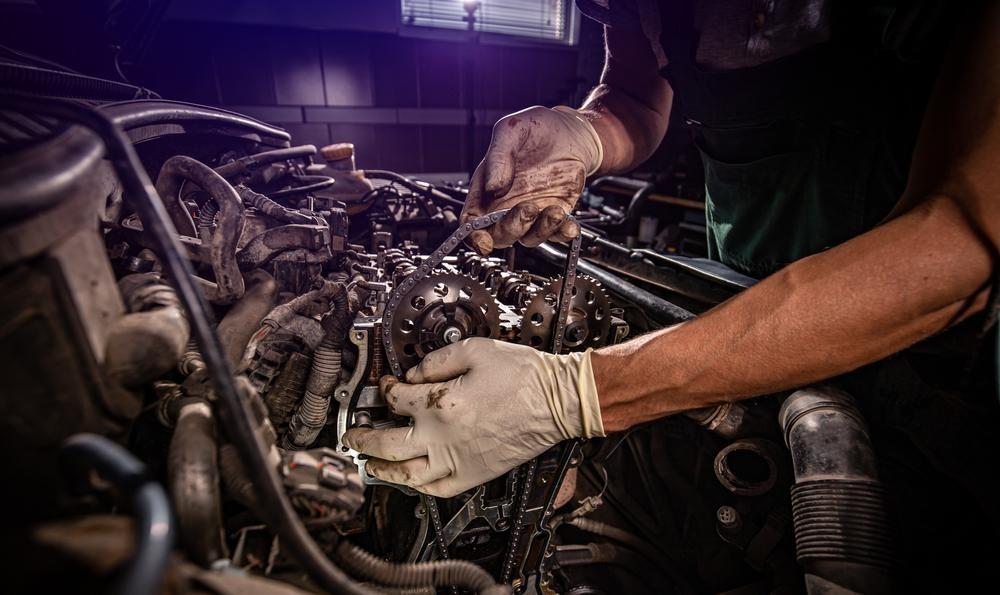
Not Asking What Parts Will Be Installed
Before approving any repair, find out what replacement parts will be used.
OEM parts, high-quality aftermarket parts, and budget alternatives can differ significantly in price, durability, lifespan, and warranty coverage. A reputable repair shop will explain the differences and help you choose the option that best fits your needs and budget.
Forgetting to Ask About the Warranty
Any professional repair shop should clearly explain the warranty it provides on both labor and replacement parts.
If problems arise after the repair, a warranty can save you from paying twice. If employees avoid the question or can't explain the warranty terms, consider it a serious red flag.
Approving Repairs Without a Written Estimate
One of the most common causes of disputes is receiving a much larger bill than expected after the repair is complete.
Before any work begins, ask for a detailed written estimate that includes the parts, labor costs, and estimated completion time. If additional problems are discovered during the repair, the shop should contact you for approval before performing any extra work.
This protects both you and the repair shop from misunderstandings.
Not Asking About Technician Certifications
Professional certifications, ongoing training, and hands-on experience show that technicians stay current with modern repair methods and technologies. This is especially important for newer vehicles equipped with advanced electronics and driver-assistance systems.
Don't hesitate to ask who will be working on your vehicle.
Overlooking Communication
If employees can't clearly explain the problem, avoid answering your questions, or refuse to provide specific information, that often reflects the overall quality of the service.
A good repair shop explains issues in plain language, shows you the diagnostic results, and helps you make informed decisions.

Ignoring How the Repair Shop Is Organized
Your first impression of a repair shop can reveal a lot about how it operates. While a spotless facility doesn't automatically guarantee excellent repairs, a well-organized shop often applies the same attention to detail when servicing vehicles.
Pay attention to whether the shop has a proper customer reception area, keeps organized service records, provides written work orders, and can clearly explain the repair process and expected completion timeline. Professional shops don't operate chaotically. Every step of the repair is documented, customers receive updates throughout the process, and any additional work is approved before it's performed.
It's also worth looking at the condition of the service area. Modern equipment, organized workstations, and proper storage of parts and tools usually reflect a professional approach. If the shop appears disorganized, vehicles are scattered without any system, or employees can't provide clear answers about the repair process, it may indicate lower service standards.
Of course, a clean facility alone doesn't guarantee quality work. However, the way a repair shop is organized is often one of the strongest indicators of professionalism. Trust is built through small details, especially when you're leaving your vehicle in someone else's care.
Choosing a Shop Only Because It's Nearby
It's certainly convenient when a repair shop is close to home or work, but convenience shouldn't be your primary deciding factor. Sometimes it's worth driving a little farther to receive better repairs, professional service, and confidence that the job will be done right.
This is especially true when dealing with major engine, transmission, or electrical system repairs.
Not Building a Long-Term Relationship With One Repair Shop
Some drivers visit a different repair shop every time, hoping to find a lower price or a quicker appointment. While that can sometimes make sense, constantly switching shops also has drawbacks.
When your vehicle is serviced regularly at the same trusted shop, the technicians become familiar with its history. They know which parts have already been replaced, what problems have occurred in the past, what recommendations were made during previous inspections, and how the vehicle has performed over the years. That familiarity helps them diagnose new issues more quickly and reduces unnecessary repeat diagnostics.
A long-term relationship also improves preventive maintenance. During routine visits, experienced technicians may notice early signs of wear before they become obvious problems that require expensive repairs. Addressing issues early is often far less expensive than dealing with a major breakdown later.
It also becomes easier to build trust with a repair shop you've used for years. You already know the quality of their work, their warranty policies, their pricing practices, and how they communicate. In return, the technicians understand your expectations and can recommend solutions that fit your needs and budget.
Of course, this doesn't mean you should stay with a shop if you're unhappy with the quality of its work or customer service. But if you've found a professional team that communicates honestly, stands behind its work, and consistently delivers quality repairs, maintaining that relationship can be one of the best ways to keep your vehicle in excellent condition.

Choosing an auto repair shop affects much more than the cost of a repair. It also impacts your safety, your vehicle's reliability, and your peace of mind. Don't make your decision based solely on price or location. Check the shop's reputation, ask about technician experience, request a detailed written estimate, and don't hesitate to ask questions.
If you're looking for a trusted auto repair shop in Tampa Bay, browse our directory of local service providers. You'll find professionals offering routine maintenance, diagnostics, engine repairs, transmission service, suspension work, electrical repairs, and many other automotive services, making it easier to find a shop you can trust with your vehicle.


ABOUT TampaBayTide
FOR BUSINESS