


Fall Pool Maintenance in Florida: What to Check Before Temperatures Drop


Fall in Tampa Bay doesn’t mean pool season is over. Even in November and December, the weather often allows for swimming, and private pools remain in use year-round. However, mid-October is a good time to reassess your regular maintenance routine. After a hot summer, your equipment may need attention, falling leaves are more likely to end up in the water, and cooler nights gradually change operating conditions.
Instead of closing your pool for the winter, as homeowners do in colder states, focus on seasonal maintenance. A few timely checks can help keep the water clean, avoid unnecessary chemical costs, and protect your equipment during sudden cold snaps.
October Is the Right Time for a Pool Checkup
October is still fairly warm, so pool water can continue to provide favorable conditions for algae growth. Meanwhile, summer rains, heavy pool use, and increased demands on the filtration system may have taken a toll. There’s no need to put off an inspection until winter. Problems that are easy to fix now could require more extensive repairs later.
Start with the filter. If it hasn’t been cleaned in a while, check whether it’s due for maintenance according to the manufacturer’s recommendations. A dirty filter reduces water circulation, forcing the pump to work harder.
Also inspect the pump, connections, and visible sections of piping for leaks, unusual noises, or other signs of trouble.
If your pool has a heater, check that it’s working properly before you need to heat the water more frequently. Discovering a problem unexpectedly could ruin weekend plans when you still want to enjoy the pool.
Fall is also a good time to schedule a professional equipment inspection. This is especially worthwhile if the pump is louder than usual, filter pressure rises quickly, or the water regularly becomes cloudy.
Keep Leaves and Debris Under Control
In fall, leaves, small branches, and other organic debris tend to accumulate on the pool’s surface more frequently. In neighborhoods with lots of trees, this can become noticeable even when the pool is in a screened-in enclosure.
Don’t wait for leaves to settle on the bottom. Skim them off the surface, empty the skimmer and pump baskets regularly, and clean the pool walls and floor. Organic debris breaks down in the water, increases the demand for sanitizers, and can contribute to stains and algae growth.
If you have oak trees or other trees that shed their leaves in fall near your pool, you may need to clean it more often than you did in summer. At the same time, don’t automatically increase the amount of chemicals you use just because the season has changed. Instead, test the water regularly and adjust its chemistry based on the results. Excessive amounts of sanitizing chemicals can irritate the eyes, skin, and respiratory tract. At high concentrations, some substances can also damage the pool finish and certain equipment components. Improper water chemistry can contribute to corrosion of metal parts or the formation of mineral deposits.
Adjust Water Chemistry as Temperatures Change
As air and water temperatures gradually drop, your pool’s chemical treatment needs may change. However, that doesn’t mean you can stop testing the water or significantly reduce maintenance just because you’re using the pool less often.
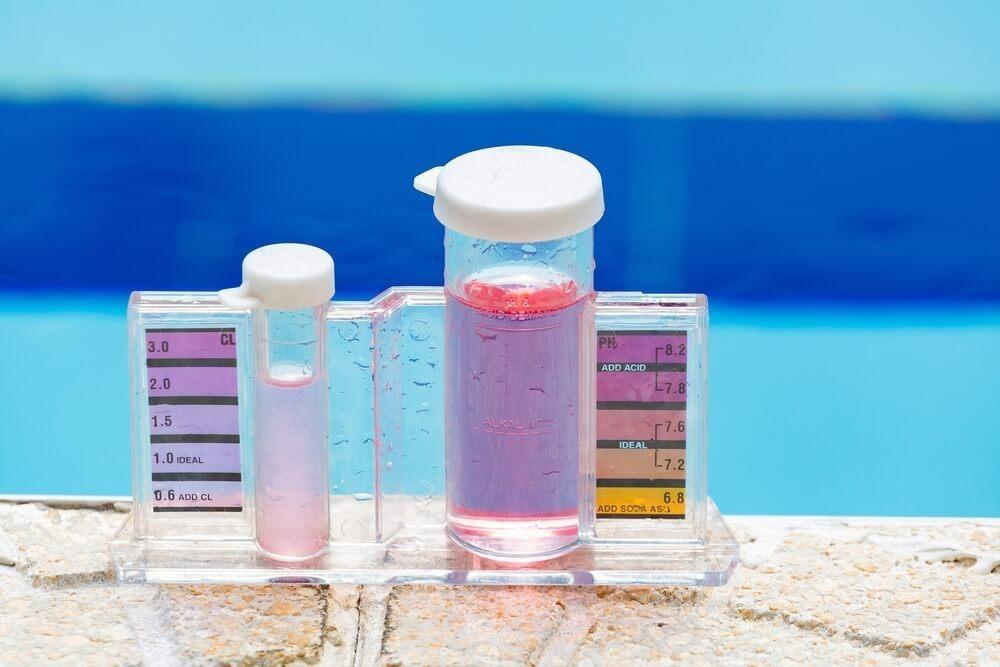
Continue monitoring free chlorine, pH, and other levels according to your pool type and the manufacturer’s recommendations. It’s also a good idea to test the water after heavy rain, which can alter its chemical balance and introduce additional organic debris.
Don’t rely on appearance alone. Clear water doesn’t necessarily mean its chemistry is balanced. Regular testing helps you identify problems before the water turns cloudy or algae begin to grow.
Pool owners with saltwater chlorination systems should also inspect the salt cell and make sure the generator is working properly. Clean it when necessary according to the manufacturer’s instructions rather than following a fixed schedule. For more information on maintaining this equipment, read our article “How to Care for a Saltwater Pool: What Every Homeowner Should Know.”
Should You Reduce Pool Pump Runtime in Fall?
When you use your pool less often, it can be tempting to reduce the pump’s operating time to save on electricity. This may be possible during cooler months, but there’s no universal schedule that works for every pool.
Don’t change the settings based on the calendar alone. The required filtration time depends on the pump type, pool volume, filter specifications, water temperature, and how frequently the pool is used. If you continue swimming regularly or a lot of leaves end up in the water, significantly reducing circulation time can compromise water quality.
If you have a single-speed pump, a pool maintenance professional can help determine whether adjusting the operating schedule during the cooler months makes sense. For variable-speed pumps, it’s important to follow the requirements for minimum circulation and the operation of connected equipment.
Don’t shut off filtration completely just because swimming becomes less frequent. In Tampa Bay’s climate, a pool remains an open system that needs circulation, cleaning, and water quality monitoring throughout almost the entire year.
Prepare for Florida's Occasional Cold Snaps
The most important winter precaution isn’t preparing for prolonged freezes but getting ready for brief cold snaps. Temperatures in the region generally remain moderate, but some areas can experience freezing conditions when cold fronts move through. The risk depends on the specific location, as inland areas can get colder than coastal communities.
Check whether your system has an automatic freeze protection mode. In these systems, a sensor responds to low temperatures and activates the circulation pump according to the manufacturer’s settings. Make sure the feature is enabled, the sensor is working, and the equipment is configured correctly.
If freezing temperatures are in the forecast, check the manufacturers’ instructions for your pump, filter, heater, and other components in advance. Don’t rely solely on automatic freeze protection. Its effectiveness depends on the system’s design, power supply, and equipment condition.
If your system doesn’t have freeze protection or you’re unsure how it works, contact a professional before the cold weather arrives. Don’t attempt to disassemble equipment or drain water from pipes yourself unless you fully understand the procedure. Improper steps can cause damage, and a standard pool cover won’t guarantee that pipes and pumps are protected from freezing.
Do You Need to Close Your Pool for Winter?
For most private pool owners in Tampa Bay, a complete seasonal shutdown isn’t necessary. Pools generally remain operational through the winter, although how often they’re used, how much heating they need, and how much maintenance they require may change.
If you don’t plan to swim for several months, that doesn’t mean you can leave the pool unattended. The water must be kept in good condition, debris needs to be removed regularly, and equipment operation must be monitored. Otherwise, savings on routine maintenance could turn into expenses to restore water quality in the spring.
At the same time, pool owners who won’t use their systems for an extended period or have specialized equipment should discuss an individualized plan with a professional pool service. The necessary steps depend on the pool’s design, whether it has a heater, the type of pump, and local weather conditions.

Fall pool care in Florida isn’t about preparing for months of inactivity. It’s about maintaining a system that continues to operate year-round. By checking the filtration system, maintaining proper water chemistry, removing leaves regularly, and preparing your equipment in advance for possible freezes, you can keep your pool ready for both cooler days and the return of warmer weather.


ABOUT TampaBayTide
FOR BUSINESS