


How to Care for a Saltwater Pool: What Every Homeowner Should Know


Saltwater pools have become increasingly popular among homeowners throughout the Tampa Bay area. They provide a comfortable swimming experience, require less manual chlorine addition, and are often considered gentler on the skin and eyes. However, the term "saltwater pool" can be misleading. Some homeowners assume these systems require little maintenance because all they need is salt. In reality, even the most modern saltwater pool requires regular water testing and routine equipment maintenance.
Proper care helps keep the water clean and safe for swimming, prevents algae growth, extends the life of the pump, filter, and salt chlorine generator, and helps avoid costly repairs down the road.

How a Saltwater Pool Differs from a Traditional Chlorine Pool
Despite the name, a saltwater pool still relies on chlorine to sanitize the water. The difference is how that chlorine is produced. Instead of regularly adding chlorine products, a salt chlorine generator uses electrolysis to convert dissolved salt into chlorine.
The salt concentration in a saltwater pool is much lower than in seawater, so the water doesn't taste noticeably salty. Most swimmers find it feels softer and more comfortable, and when the water chemistry is properly balanced, the typical strong chlorine smell is much less noticeable.
However, automatic chlorine generation doesn't mean the system can run without attention. Salt levels, pH, and other water chemistry parameters still need to be checked regularly to keep the generator working efficiently and the water safe.
Water Chemistry You Should Monitor Regularly
Water quality depends on much more than chlorine levels alone. Keeping a saltwater pool properly balanced requires monitoring several important factors.
One of the most important is pH, which measures how acidic or alkaline the water is. Simply put, it tells you whether the water is properly balanced. If the pH is too low, the water can irritate the skin and eyes while also corroding metal components. If the pH is too high, chlorine becomes less effective, and calcium scale can begin forming on pool surfaces and equipment.
Free chlorine is equally important because it destroys bacteria, viruses, and other harmful microorganisms. If free chlorine levels become too low, the water can quickly turn cloudy or develop algae.
You should also regularly check total alkalinity, which helps stabilize pH, salt concentration, which is necessary for the generator to operate correctly, calcium hardness, which affects scale formation and equipment protection, and cyanuric acid, which helps shield chlorine from being broken down by the sun's ultraviolet rays.
Even when the water looks perfectly clear, its chemical balance may already be off. That's why regular testing is much more reliable than judging water quality by appearance alone. Home test strips or electronic testers work well for routine monitoring, while a more comprehensive water analysis at a pool supply store or professional service company every few months can provide greater accuracy.
How Often Should You Maintain a Saltwater Pool?
Even if the water looks crystal clear, your pool still needs regular maintenance. Once a week, you should test the main water chemistry levels, empty the skimmer baskets, remove leaves and other debris, brush the pool walls and floor, and check the water level.
It's equally important to monitor your filtration system. A dirty filter reduces water quality and puts extra strain on the pump. How often it needs cleaning depends on the type of filter, how heavily the pool is used, and how much debris enters the water.
If your pool sees frequent use, especially during the summer, you may need to test the water more than once a week.

Does the Salt Cell Need to Be Cleaned?
The salt cell is one of the most important components of the system because it's where chlorine is generated from dissolved salt. Over time, mineral deposits can build up on the cell's electrodes, particularly in areas with hard water.
Most modern salt chlorine generators include a self-cleaning feature, but manufacturers still recommend inspecting the cell periodically. If you notice white mineral buildup on the electrodes, clean the cell according to the manufacturer's instructions. Cleaning it too often or using improper methods can shorten its lifespan, so avoid harsh chemicals or scraping off deposits by hand.
Common Problems with Saltwater Pools
Even with proper maintenance, occasional issues can still arise. In most cases, they result from unbalanced water chemistry rather than equipment failure.
If the water develops a green tint, algae growth caused by low free chlorine levels or poor water circulation is usually the culprit.
Cloudy water may result from a dirty filter, inadequate filtration, excessive organic debris, or imbalanced pH and alkalinity.
A strong chlorine smell doesn't always mean there's too much chlorine in the pool. More often, it's caused by chloramines, also known as combined chlorine, which form when chlorine reacts with contaminants. In this case, additional water treatment may be needed.
White scale on pool surfaces or inside the salt cell can indicate high calcium hardness or elevated pH levels.
Sometimes a salt chlorine generator reports low salt even after salt has been added. This may happen because the salt hasn't fully dissolved and circulated, the salt cell is dirty, or the sensor isn't working properly. Before adding more salt, it's best to verify the actual salt concentration with a water test.
How Florida's Climate Affects Saltwater Pool Maintenance
Tampa Bay's warm climate allows homeowners to enjoy their pools for much of the year, but it also makes maintenance more demanding. High temperatures, intense sunlight, heavy summer rains, and hurricane season can all affect both water chemistry and pool equipment.
During the hottest months of summer, chlorine is consumed more quickly, so it's a good idea to test the water more often, especially if the pool is used frequently. Strong sunlight also gradually breaks down chlorine, making proper cyanuric acid levels especially important.
Heavy rain can wash leaves, pollen, dirt, and other organic debris into the pool. Rainfall can also change pH, alkalinity, and salt levels. For that reason, it's recommended to test the water after significant rainfall and adjust the chemistry as needed.
During hurricane season, remove patio furniture, pool toys, and other loose items from the water in advance to help prevent damage to the pool and its equipment. After the storm passes, remove debris, clean the filtration system, and perform a complete water test before swimming again.
When to Call a Professional
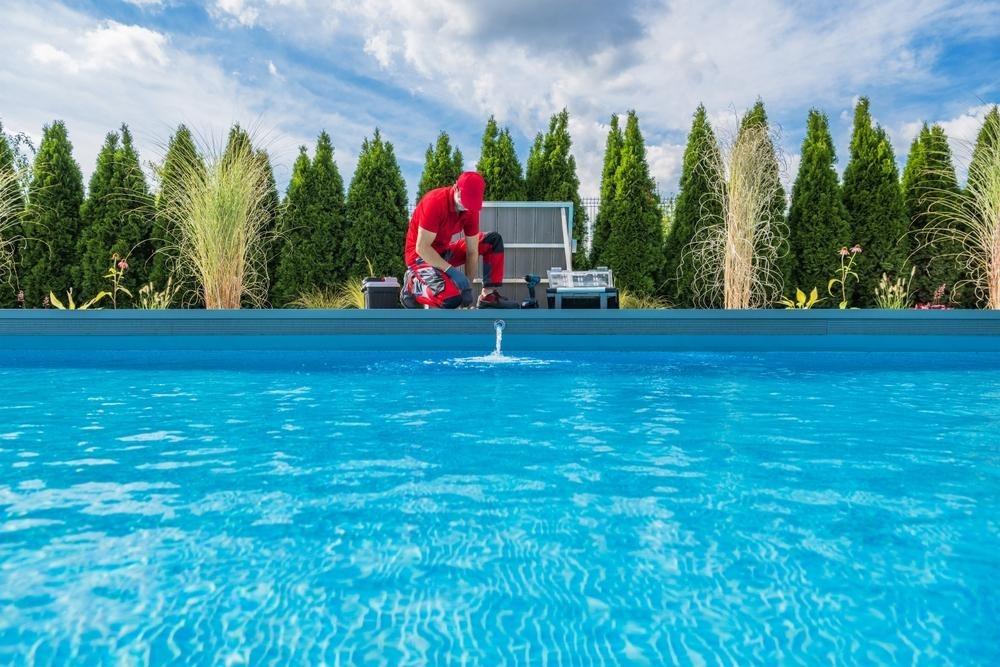
Many routine maintenance tasks can be handled on your own, but some situations are best left to professionals. If your pool repeatedly turns green or remains cloudy despite regular maintenance, you're unable to stabilize the pH or chlorine levels, the salt chlorine generator displays error messages or stops producing chlorine, or the pump, filter, or plumbing develops problems, it's time to schedule professional service.
Routine professional maintenance can identify developing issues before they become obvious and help prevent expensive equipment repairs.
A saltwater pool can indeed be easier to maintain than a traditional chlorine pool, but it isn't completely maintenance-free. Regular water testing, timely equipment cleaning, and following the manufacturer's recommendations will help keep your pool clean, safe, and enjoyable throughout the year.
If you'd rather leave pool maintenance to the professionals, browse our directory. You'll find pool service companies and maintenance specialists throughout the Tampa Bay area, compare available services, and choose the right professional to help keep your water clean and your equipment running at its best.


ABOUT TampaBayTide
FOR BUSINESS