


Choosing Solar Panels and the Right Installer for Your Tampa Bay Home


If you’ve already decided to consider installing a solar system for your home, the next question is much more specific: which panels to choose and who to trust with the installation. At this stage, it’s easy to get lost among equipment specifications, warranties, production estimates, and proposals from different companies.
For Tampa Bay, the choice should take local conditions into account. A solar system will be on your roof for years, so it’s important to consider not only the specifications of the panels themselves, but also the roof structure, installation, inverter, warranties, and the company’s experience working in Florida.
If you haven’t yet decided whether a solar system makes sense for your home, it’s worth starting with our article “How Much Sense Do Solar Panels Make for Tampa Bay Homes.” Here, we’ll focus on the next step – how to compare equipment and company proposals.
Start With Your Home’s Needs, Not the Panel Brand
The search often starts with the question of which solar panels are considered the best. But for a specific home, that isn’t always the right starting point.
First, you need to understand how much electricity the home actually uses and what portion of that consumption the solar system should cover. A large home with a pool, electric water heater, air conditioning systems, and an EV charger will have a very different consumption profile than a smaller home with fewer electrical loads.
A good company should first work with data from the specific home rather than simply offer a standard package with a certain number of panels.
It’s useful to have your electricity bills from the past several months on hand. They will help the company estimate actual consumption and design the system based on real data rather than assumptions.
Don’t Confuse the Number of Panels With the System’s Capacity
Two proposals may include different numbers of panels but have similar overall capacity. The number of modules itself says little about how well the system will suit the home.
You should primarily compare the system’s total capacity, expected annual production, and the specifications of the specific panels. If one company offers 20 panels and another offers 16, that doesn’t necessarily mean the first proposal is better.
Pay attention to each panel’s rated power, efficiency, equipment warranty, and projected degradation over time. At the same time, you shouldn’t automatically pay more just for the highest efficiency rating. If there is enough space on the roof, somewhat less efficient panels may fully meet the home’s needs.
Much more important is that the system design fits the specific roof.
Look at What’s Happening on the Roof
Even very good panels won’t deliver the expected results if the system is improperly designed for the specific roof.
The company should take into account the roof’s orientation and pitch, possible shading from trees or neighboring buildings, available space, and the location of other structures. It’s also important to understand which sections of the roof the panels will be installed on and exactly how they will be secured.
For Tampa Bay, wind loads are another consideration. A solar system shouldn’t simply be installed on the roof; it should be designed with local building requirements and the characteristics of the specific building in mind.
Panels Are Only One Part of the System
When choosing equipment, it’s easy to focus on the panels and forget about the other components.
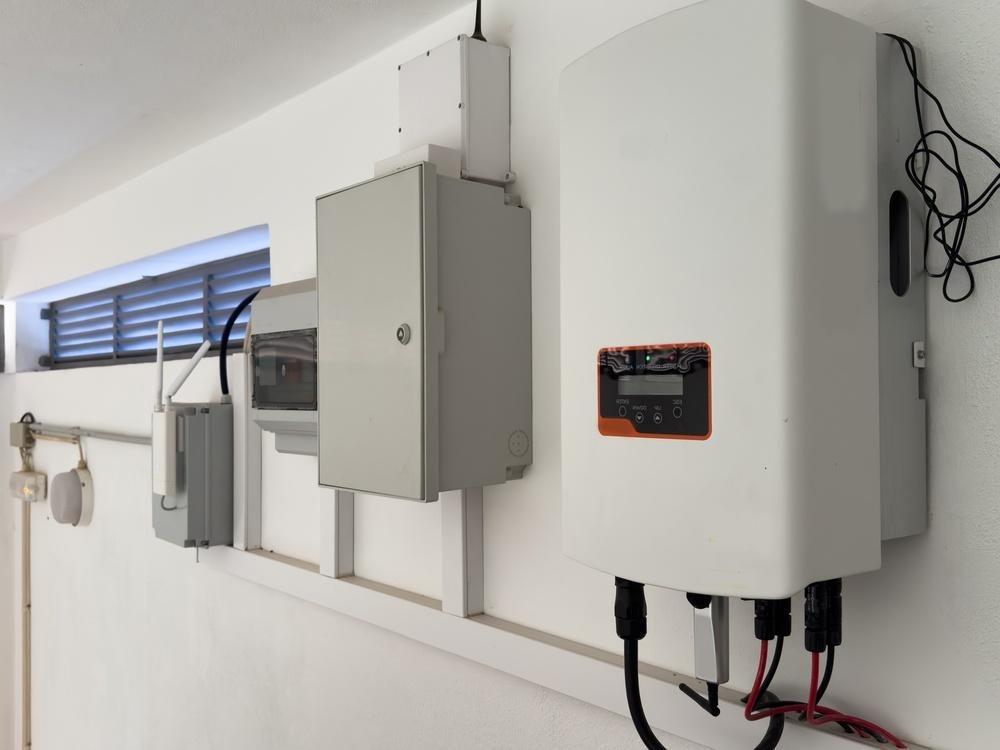
The inverter converts the electricity produced by the panels into a format suitable for use in the home and interaction with the electrical grid. Depending on the system configuration, it may use a single central inverter or microinverters installed on individual panels.
That doesn’t mean one type is always better than the other. What matters is understanding why the company is recommending a particular configuration for your roof.
You should also pay attention to the mounting system, electrical equipment, and monitoring system. If a proposal goes into detail about the panels but says almost nothing about the other components, it’s worth asking additional questions.
Check the Warranties Separately
The phrase “25-year warranty” by itself doesn’t explain what exactly will be protected during those 25 years.
A solar system may have separate warranties for the panels, inverter, mounting equipment, and installation work itself. The terms can also differ in length and in what exactly is covered.
Ask the company to provide the warranty terms in writing. It’s important to understand who is responsible for an issue if a malfunction is caused by the equipment and who is responsible if the problem is related to the installation.
You should also ask who will handle a warranty claim. If, several years from now, you have to figure out on your own whether to contact the manufacturer or installer about a particular problem, that’s very different from having a clear service process.
Check the Company, Not Just Its Proposal
Even good equipment can become a poor investment if it is installed incorrectly.
In Florida, there is a specific category of licensed solar contractors. The Florida Department of Business and Professional Regulation has an official registry and separate procedures for certified and registered solar contractors.
Before signing a contract, it’s worth checking the company’s license and making sure it is current and covers the work you plan to have done.
Experience specifically with residential solar systems is equally important. A company may have been working in the energy industry for years, but that doesn’t automatically mean it has extensive experience installing systems on homes in Tampa Bay.
It’s useful to look at examples of completed projects and see whether the company has worked with homes and roofs similar to yours.
Compare Multiple Proposals on the Same Terms
Getting three different prices isn’t enough. You need to compare them using the same criteria.
In one proposal, installation, permitting, and grid connection may be included in the price, while another company may charge some of these costs separately. Panel and inverter models, warranty terms, and projected annual production may also differ.
It’s useful to ask each company to provide as detailed a proposal as possible. It should clearly state what equipment will be installed, the system’s total capacity, how much electricity it is expected to produce, what is included in the installation, and what additional costs may arise. Only then does the price become truly useful for comparison.
Don’t Make a Decision Based on Savings Projections
A projection saying “you’ll save tens of thousands of dollars over 25 years” may look convincing, but you need to break it down into its individual components.
Ask what electricity consumption is used in the calculation, what future increase in utility rates is assumed, how much electricity the system is expected to produce each year, and how electricity the home sends back to the grid is accounted for.
It’s also important to consider financing. The total amount you will pay for the system under the terms of a loan may differ significantly from its initial price.
Be especially cautious with proposals where a large future savings figure is presented without explaining the assumptions behind it.
Decide Whether You Need a Battery
A battery is not a required part of every solar system.
If the main goal is to generate electricity during the day and reduce the amount of electricity the home buys from the grid, a system without a battery may meet that goal.
If, however, it’s important to you to use solar energy in the evening or have backup power during outages, a battery may be much more valuable. In that case, you need to evaluate not only the panels but the entire system, including energy storage and backup power equipment.
Don’t agree to a battery simply because it was included in a standard package. First, you need to understand what problem it is supposed to solve for your home.
Ask Who Handles Permits and Grid Connection
A residential solar system isn’t simply a matter of buying equipment and installing it on the roof.
Between installing the panels and having the system fully operational, permitting, inspection, and approval from the electric utility may be required. That’s why the contract should clearly state who is responsible for these steps.
This is especially important if a salesperson promises a very short installation timeline. The equipment itself can be physically installed fairly quickly, but the overall project may take longer because of permits, inspections, and grid connection.
Ask the company to describe the entire process from signing the contract to the point when the system is officially placed into service.
Pay Attention to How the Company Sells
The way a company communicates with you before you sign a contract can also say a lot about what the future relationship may be like.
A good professional should be willing to explain why a particular system is suitable for your home, show you the calculations, and answer uncomfortable questions about price, warranties, production, and timelines.
On the other hand, be cautious if you are pressured to sign a contract immediately, offered an exceptional discount that is available “today only,” or given vague answers to specific questions. Likewise, a claim that a company is the “best in Tampa Bay” shouldn’t be considered proof of quality if it isn’t backed up by clear information about its experience and completed projects.
A professional company shouldn’t be afraid of a customer comparing it with competitors.
Don’t Forget About Future Service
A solar system is designed for long-term use, so it’s worth thinking beyond the day of installation.
Ask who will monitor the system’s operation, how you will receive information about its production, and who to contact if one of the components stops working properly. It’s also important to find out whether the company provides after-sales service for its own systems and exactly how that process works.
This is especially important for the local climate. After a severe storm or other bad weather, the equipment may need to be inspected, and it’s better for the owner to know in advance who will handle that.
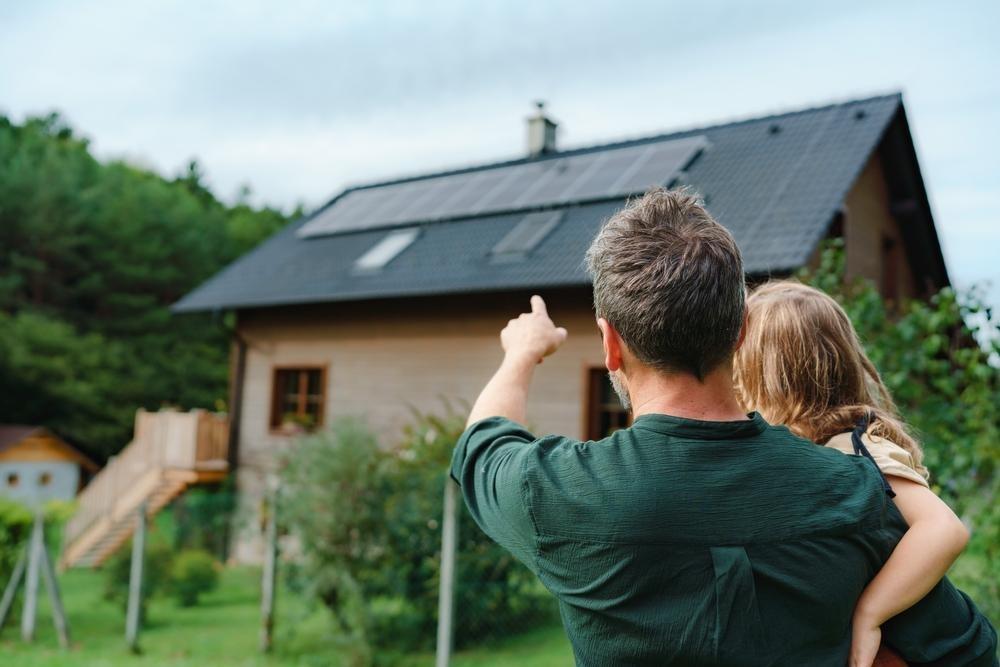
Once you understand the main criteria, you can move on to finding specific companies. On TampaBayTide, you can browse local companies and services, including those that work with solar energy systems, and use that list to create your own shortlist of candidates. After that, it’s worth checking each company’s license, experience, reviews, and examples of its work, and then requesting several detailed proposals for comparison.
Choosing a solar system for your home isn’t a competition between panel brands or a search for the lowest price. A good proposal should fit the specific home, its energy consumption, roof, and the owner’s goals.


ABOUT TampaBayTide
FOR BUSINESS