


How Much Sense Do Solar Panels Make for Tampa Bay Homes


For Tampa Bay, solar panels seem like an almost obvious solution. There is plenty of sunshine, air conditioning runs for much of the year, and electricity is one of the ongoing expenses for homeowners. But before looking at your roof as a place for a future solar power system, it is worth figuring out whether such a system is right for your particular home.
In 2026, this question has become even more interesting. The federal tax credit that is still often mentioned in older solar energy materials no longer applies to new residential solar installations completed after December 31, 2025. At the same time, Florida still has its own tax benefits for solar systems, while utility interconnection rules and compensation for excess generation continue to play an important role.
The question is no longer simply whether there is enough sun here. There is. What matters more is understanding how the system will work on your particular roof, how much electricity your home uses, what terms your utility offers, and how the local climate and hurricane season affect all of this.
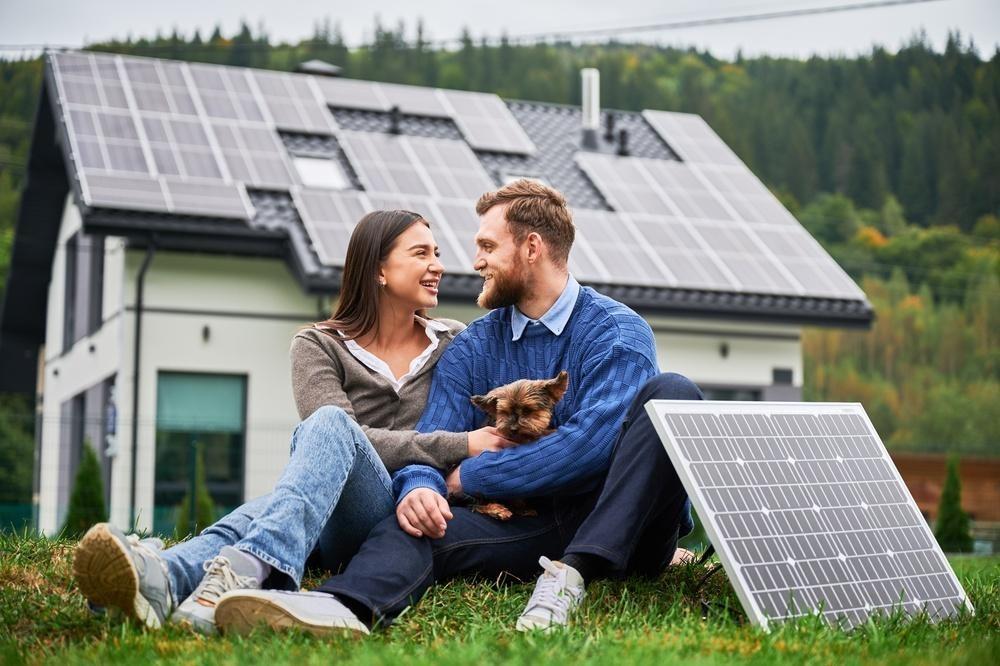
Why Tampa Bay Is a Good Fit for Solar Energy
The main advantage of the region is obvious: a solar system can generate electricity throughout the year. For a homeowner, however, it is not simply about how many sunny days there are in a calendar year, but how much electricity a particular system can produce on a particular roof.
For Tampa Bay, this is especially relevant because of local energy use. Air conditioning can create a significant load on a home's electrical system, and it may be accompanied by a pool, pool pump, electric water heater, EV charging, and other high-powered appliances.
Solar panels allow you to use some of that electricity directly as it is being generated. If the system produces more electricity than the home is using at that moment, the excess can be sent to the electric grid according to the rules of the particular utility.
At the same time, a solar system does not mean automatically disconnecting from the grid. Panels do not produce electricity at night, and their generation varies depending on cloud cover, daylight hours, and other weather conditions. That is why, for most grid-connected homes, it is important to view a solar system not as a complete replacement for the utility, but as a way to reduce the amount of electricity the home purchases from the grid.
It Is Important to Know Who Supplies Your Electricity
One of the most important aspects of solar energy in Tampa Bay is that not all homes have the same interconnection conditions.
Before calculating the cost of a system, you need to identify your electric utility and check its current rules for customer-owned solar. Interconnection terms, equipment requirements, the approval process, and the way electricity sent back to the grid is credited can depend on the specific utility. For example, Tampa Electric uses a two-way net meter for customers with eligible systems. It records the electricity the home receives from the grid as well as the excess electricity the solar system sends back. According to TECO, excess generation is credited according to the current net metering structure and current retail energy rate.
The interconnection process should not be left until the last minute, either. Tampa Electric notes that after a system is installed, the interconnection approval process can take up to 30 calendar days after receiving a complete application and the required documents, and the connection also depends on passing the required inspection.
This means that a salesperson's promise to "install the panels in a few days" does not necessarily mean the home will immediately start operating as a fully solar-powered property. There may still be permitting and inspection steps between the installation of the equipment and the final connection to the grid.
Is There a Right Season for Installation?
Solar panels can be installed year-round. There is no separate "solar season" when installation becomes possible, and winters here do not create the kinds of limitations that are common in colder regions.
However, seasonality still matters when planning.
First and foremost, because of hurricane season. The official Atlantic hurricane season runs from June 1 through November 30, with the highest level of activity typically occurring from August through October. This does not mean installing solar panels in summer or fall is a bad idea. But if installation, inspections, or other stages of the project fall during a period of active tropical weather, it is worth allowing for possible delays.
There is another seasonal factor as well. Solar panels generate electricity throughout the year, but the amount of generation will not be the same every month. Tampa Electric, for example, explicitly notes that solar systems generally produce more electricity during sunny summer months and less when daylight hours are shorter. Net metering in such a system allows excess generation to be credited and its economic value to be used in subsequent periods.
That is why a system should be evaluated based on expected annual generation rather than a single particularly sunny or cloudy month.
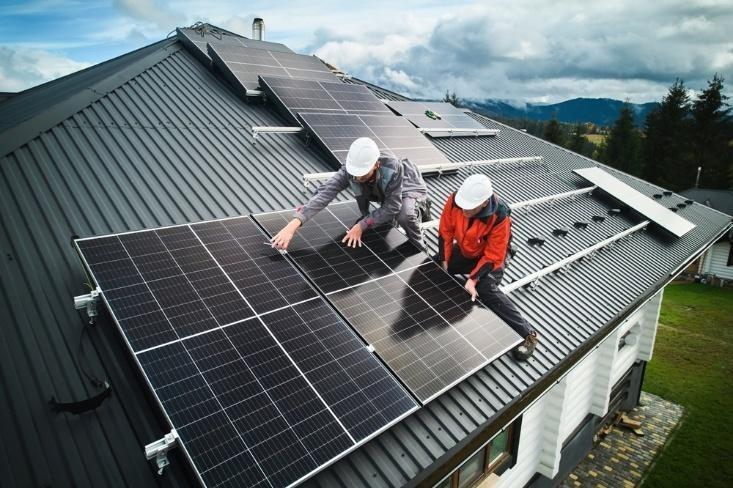
The Roof Should Be Checked Before the Panels
This is probably one of the most important questions.
Solar panels can last for decades, so there is little point in installing a new system on a roof that will need to be completely replaced in a few years. In that case, the panels will have to be removed, roofing work completed, and the system installed again. That means additional costs and another round of work on equipment that has already been installed.
Before installing a solar system, it is worth evaluating the condition of the roof. We looked at the main signs that repairs may no longer be enough in the article “When Roof Repairs Aren’t Enough: Signs It’s Time to Replace Your Roof.”
This is also a good reason not to choose a contractor based solely on the lowest price. Before installation, you should get clear information about how the system will be attached to the specific type of roof and what calculations were used for that particular home.
Hurricanes Change the Requirements for a Solar System
For Tampa Bay, solar panels need to be designed not only for sunlight but also for local wind conditions.
The 8th Edition (2023) Florida Building Code references ASCE 7-22 for determining wind loads, and current rules take into account the structural characteristics of the building, the shape and zones of the roof, and other parameters. Specific requirements depend on the property's location, so the system must be designed with the conditions of the particular home in mind.
For a homeowner, this means that the specifications of the panels themselves are only part of the equation. The mounting system, system design, and quality of installation are just as important. It is especially important to clarify this before signing a contract, rather than after the panels are already on the roof. In an area where tropical storms and hurricanes are part of the local climate, installation quality is no less important than the panels' rated capacity.
What About Insurance?
Before installation, it is worth contacting your homeowners insurance company and asking how installing solar panels will affect your policy.
This is not something to rely on the system salesperson's general promises for. Insurance coverage depends on the specific policy, and issues related to wind damage, roof damage, and other risks may have separate conditions.
It is also worth keeping documentation for the system, information about the manufacturer and installer, permits, and inspection results. If the system is damaged after severe weather, these documents may be important for confirming that it was properly installed.
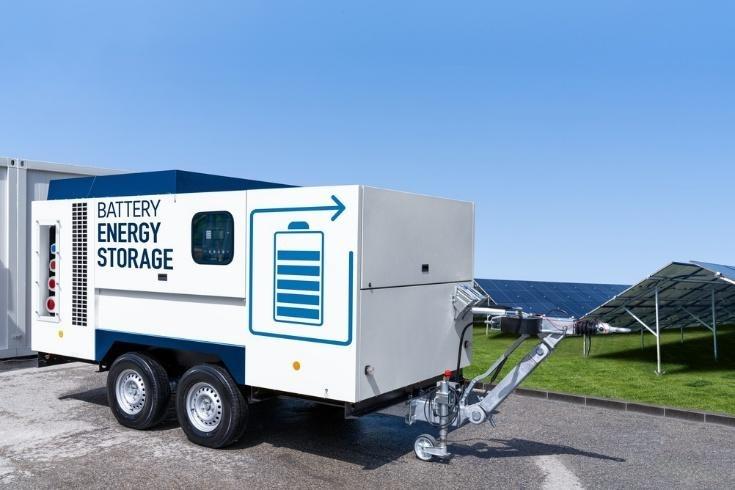
Do You Need a Battery?
Solar panels and a home battery serve different functions, so there is no need to automatically purchase them as one package.
Panels generate electricity when there is sunlight. A battery allows you to store some of that energy for use later. For a home where most electricity consumption occurs in the evening, this can be particularly useful.
A battery has another potentially important function: backup power. During a power outage, a standard grid-connected solar system does not necessarily continue powering the home. To operate during an outage, the system needs to be designed with an appropriate backup function, usually with a battery and specialized equipment.
That is why the question of "panels or panels plus a battery" should be decided based on what the homeowner actually wants to achieve. If the main goal is to reduce the amount of electricity purchased from the grid, one system may be sufficient. If having backup power during outages is more important, the calculation will be different.
What Changed With Tax Incentives in 2026
This is especially important for anyone reading older articles about solar panels in Florida.
The federal Residential Clean Energy Credit was 30% of the cost of eligible equipment and expenses from 2022 through the end of 2025. But for expenses after December 31, 2025, this credit is no longer available. The IRS also specifies that the date the original installation is completed, rather than simply the date the equipment was purchased, is important in determining eligibility for the credit.
So in 2026, it is not advisable to base a payback calculation on the assumption that the federal government will return 30% of the cost of a new residential solar system.
At the same time, Florida has its own tax benefits. State law provides a sales tax exemption for solar energy systems and their components.
Florida law also provides tax benefits related to renewable energy source devices, including property tax treatment under certain conditions established by law.
That is why in 2026, the financial calculation is better based on current rules rather than promotional materials written several years ago.
How to Evaluate an Offer From a Solar Company
You should not compare several proposals based solely on the total price or the number of panels.
A commercial proposal should clearly state the system's capacity, how much electricity it is expected to produce over the course of a year, what equipment will be used, and what warranties are provided. It is also important to understand exactly what is included in the installation price, whether permitting and interconnection are included, who is responsible for inspections, and what happens if the utility does not approve the proposed configuration.
It is also worth asking about the inverter. Panels may have long warranty periods, but the inverter is an important part of the system, so its specifications and warranty matter as well.
If a company provides projected savings, ask them to explain exactly what assumptions are used in the calculation: future electricity rates, the amount of electricity used by the home, compensation for excess generation, panel degradation, and financing costs.
The more assumptions are hidden inside an attractive "25-year savings" figure, the harder it is to understand how realistic the projection actually is.
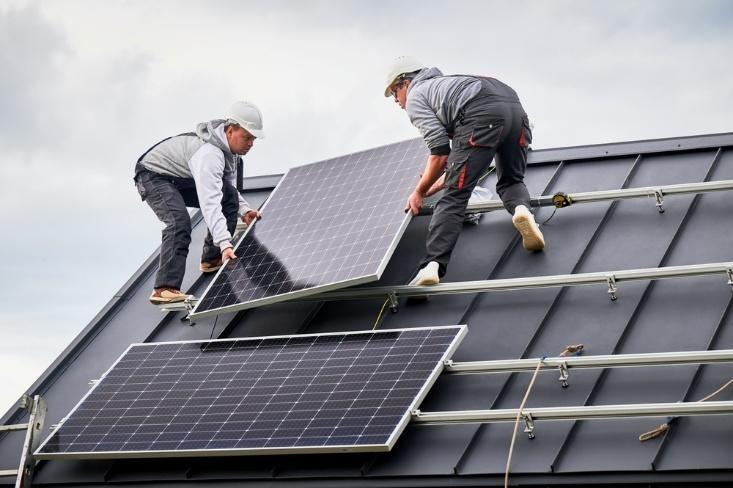
Tampa Bay really does have good natural conditions for using solar energy, but that alone is not enough to automatically make any solar system financially worthwhile.
Before making a decision, it is worth considering at least several things: the home's annual electricity consumption, the specific utility's rules, the roof's condition and age, potential shading, wind-load requirements, insurance, the need for a battery, and current tax conditions.
The installation season itself is not a deciding factor. A solar system can be installed year-round, but in Tampa Bay it makes sense to account for hurricane season and possible weather-related delays. Even more importantly, you should not install a new system on a roof that will need to be replaced soon.
So the question for a homeowner is not simply, "Should I install solar panels in Florida?" A better question is whether a solar system is right for this particular home, with its roof, electricity consumption, utility, and financial circumstances.
If the answers to these questions are positive, solar panels can become a long-term way to reduce a home's dependence on electricity from the grid. But the best result starts not with choosing panels, but with accurately calculating the entire project.


ABOUT TampaBayTide
FOR BUSINESS