


Choosing a Restaurant for a Group With Different Dietary Needs


Choosing a restaurant for a group can be a little more complicated when one of the guests doesn't eat meat, fish, or any animal products at all. But the main challenge isn't the diet itself. The problem comes when a restaurant technically has a few plant-based options, but the person actually doesn't have enough choices to put together a satisfying dinner.
So if you're planning a get-together with a friend, a date, a family dinner, or a work lunch and you know that one of the guests is vegetarian or vegan, it's worth thinking about this before you make a reservation. That doesn't mean you need to look exclusively for a specialized restaurant. What's much more important is understanding how well the restaurant fits this particular group.

First, Find Out What the Person Actually Eats
The word "vegetarian" doesn't always mean exactly the same thing. Most vegetarians don't eat meat or fish, but they may eat dairy products and eggs. A vegan diet excludes all animal products, so even cheese, butter, milk, or eggs can make a dish unsuitable.
There are other approaches to eating as well, so the easiest way to avoid a misunderstanding is to ask the person directly. Don't assume you already know their restrictions just because they call themselves vegetarian or vegan.
This is especially important if you're choosing a restaurant for someone else. What looks like an obviously plant-based dish to you may not fit your guest's diet.
Don't Limit Your Search to the Word Vegan on the Menu
A vegan label on the menu is a good sign, but on its own, it doesn't say much about the overall selection.
A restaurant may have only one vegan item while the rest of the menu is mostly meat or dairy-based dishes. If that one option is a salad, appetizer, or side dish, the person may be left without a proper, filling dinner.
Look at what the restaurant actually offers as main courses. Are there plant-based sources of protein? Does the menu include beans, tofu, mushrooms, nuts, seeds, or other filling ingredients? Are there several different options rather than one dish that had to be made vegan by removing half the ingredients?
Variety matters, too. If a vegetarian is offered three dishes, but all of them are based on the same combination of vegetables and cheese, there is technically a choice, but there isn't much of a real choice.
Check the Ingredients, Not Just the Dish Names
One of the most common mistakes is assuming that a dish is plant-based simply because its name doesn't contain an obvious meat ingredient.
For example, vegetable soup may contain cream or butter, pasta may contain eggs, mashed potatoes may contain milk and butter, and a sauce served with vegetables may contain cheese. Even a dish made mostly with vegetables may be prepared with meat or fish stock.
Sauces and dressings deserve special attention. Pesto often contains cheese, cream sauces contain dairy, and some Asian sauces may contain fish sauce. Milk, cream, butter, and eggs are even more common in desserts.
So if the menu doesn't have clear labeling, it's better not to guess based on the name. Checking the ingredients before your visit is much easier than trying to figure everything out once you're already at the table.
Think About How the Food Is Prepared
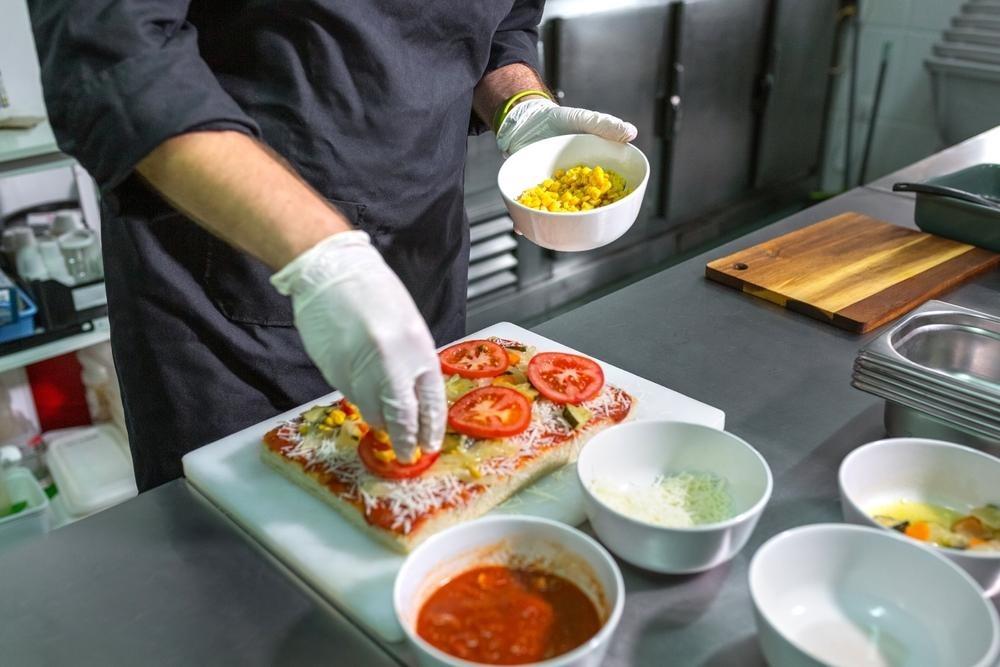
Sometimes the issue isn't the ingredients but how the dish is prepared.
Vegetables may be sautéed in butter, potatoes may be fried in oil that was previously used to cook animal products, and a plant-based burger may be cooked on the same surface as a meat patty.
For many vegans, this may matter because of their personal principles, although whether these preparation methods are acceptable depends on the individual. So it's better not to make assumptions and instead ask about it.
If you're dealing with a food allergy, the situation is different. Cross-contact can pose a health risk rather than simply conflict with someone's dietary beliefs. We covered how to choose a restaurant in this situation and what exactly to ask the staff in more detail in the article "Dining Out With a Food Allergy: How to Choose a Safe Restaurant."
Don't Be Afraid to Ask the Restaurant in Advance
If the menu leaves questions unanswered, a quick call to the restaurant can save you a lot of awkwardness.
You don't need to have a long conversation about every ingredient. It's enough to explain that one of the guests is vegan or vegetarian and ask what full meals the restaurant can offer.
It's also worth asking whether certain dishes can be adapted. Sometimes the chef can replace a cream sauce with tomato sauce or leave out the cheese. In other cases, that substitution may completely change the dish or be impossible because of how it's prepared.
A good sign is when the staff can clearly explain what's in a dish, offer several options, and help the guest figure out what they can order instead of making them guess.
If You're Choosing a Restaurant for a Group, Look for a Compromise
A restaurant doesn't have to be completely vegan to work for a group dinner.
For a group with different eating habits, it is often more convenient to find a place with good options for everyone. Meat eaters shouldn't be stuck with a limited menu, while the vegan or vegetarian guest shouldn't have to settle for a side dish.
This is especially important for family dinners or gatherings with several generations, where everyone may have their own preferences. In that situation, it's worth considering not just the menu but the overall comfort of the entire group. We wrote more about this approach in the article "Finding the Right Restaurant for a Stress-Free Family Dinner."
The same principle applies to other types of gatherings: one guest's dietary needs shouldn't turn into a problem for the entire group.

See What They Can Order Throughout the Evening
A good selection isn't just about the main course.
If you're planning a long dinner, it's worth looking at appetizers, salads, soups, sides, desserts, and drinks as well. This is especially important for vegan guests, since some restaurants have one vegan main course but don't offer any vegan desserts or appetizers at all.
That doesn't mean every restaurant needs to have a separate vegan menu. But when someone can easily choose an appetizer, a main course, and something for dessert, the whole dinner feels very different.
Don't Confuse a Specialized Restaurant With a Good Selection
A specialized vegan restaurant may seem like the obvious solution, but it isn't always necessary.
If you're going out with a vegan friend, that kind of restaurant may be exactly what you're looking for. But if you're dining with a larger group with different preferences, a general restaurant with a strong plant-based menu may be more practical.
The restaurant's name or main concept is just a starting point. What's more important is looking at the actual menu, whether dishes can be adapted, and how easily the staff can help you understand the ingredients.
After that, you can evaluate the restaurant based on other criteria - atmosphere, cuisine, prices, and the format of the dinner. We covered the overall approach to this kind of choice in the article "How to Find a Restaurant You'll Actually Love."
Where to Look for a Restaurant in Tampa Bay
Once you know what you need to check, finding a restaurant becomes much easier. You can use the restaurant search on TampaBayTide, then open the menu and information for specific places that fit the format of your gathering.
Instead of starting with the question, "What's the best restaurant for a vegan?" it's better to determine what your group actually needs: a completely vegan menu, several full plant-based dishes, the ability to adapt regular menu items, or simply a good selection for guests with different eating habits.

If you're vegetarian or vegan yourself, you probably already know what questions to ask a restaurant. But if you're choosing a place for a friend, colleague, partner, or family member, it's important not to make that person solve the problem at the last minute.
Checking the menu in advance, confirming the ingredients, and making sure the person will have more than one random option to choose from are small steps that show you care.


ABOUT TampaBayTide
FOR BUSINESS