


Beyond Pad Thai: How to Choose a Thai Restaurant


Thai cuisine can seem pretty easy to choose: just find a restaurant with good reviews, open the menu, and order pad thai or curry. But two restaurants that both call themselves Thai can offer very different experiences.
Thai cuisine is built around a balance of sweet, sour, salty, spicy, and umami flavors, and the same dish can have a completely different character depending on the recipe, ingredients, and cooking method. That’s why when looking for a restaurant, it’s worth paying attention not only to whether the menu has familiar names, but also to how exactly the restaurant works with Thai flavors.
Start With the Menu, Not the Restaurant Name
The first thing to do after finding a potential restaurant is open its current menu. It can tell you much more about the restaurant than a short description on its page.
Pay attention to the variety of dishes. A good Thai menu doesn’t necessarily have to be huge, but it usually offers the chance to try different cooking methods: wok-fried dishes, soups, curries, noodles, rice, appetizers, and, depending on the restaurant, seafood or grilled dishes.
At the same time, a very long menu isn’t an advantage by itself. If dozens of Thai dishes are listed alongside sushi, burgers, pizza, Mexican dishes, and many other cuisines, it’s worth taking a closer look at what the restaurant actually specializes in.
The menu can already give you a good idea of whether the restaurant matches your expectations. In our article “How to Find a Restaurant You'll Actually Love,” we looked in more detail at why it’s worth studying a menu before visiting a restaurant. For Thai cuisine, this is especially useful because familiar names don’t always mean the same flavor.
Don’t Judge a Restaurant by Its Pad Thai Alone
Pad thai has become so well known outside Thailand that for many people, it is the main test of a Thai restaurant. Trying it makes perfect sense, especially if you’re experiencing the cuisine for the first time. But it’s not worth judging the entire restaurant by one noodle dish.
Thai cuisine is much broader. For example, tom yum showcases a combination of acidity, heat, saltiness, and aromatic herbs. Green, red, or massaman curry lets you see how the kitchen works with pastes, coconut milk, spices, and other sauce components. Salads such as som tam show a completely different side of Thai cuisine – fresh, sour, spicy, and crunchy.
That’s why before ordering, it’s useful to look beyond one “most famous” dish and consider several different categories. If the menu allows you to put together a meal with different flavors and textures, it can be a much more interesting way to get to know the cuisine.

This is one of the most important things to find out at a Thai restaurant.
Labels such as mild, medium, and spicy can be helpful, but don’t automatically assume that “medium” means the same level of heat at every restaurant. Different restaurants may use different scales, and everyone experiences spiciness differently, too.
If you’re not used to very spicy food, it’s better to ask the restaurant staff directly how spicy a particular dish will be and whether the amount of chili can be reduced. In many cases, the heat can be adjusted, but this shouldn’t be considered a guaranteed option for every dish.
There’s another reason not to order maximum heat just for the sake of experimenting. In a good Thai dish, chili should be part of the overall balance, not the only flavor you can taste. If everything else simply disappears behind the heat after the first bite, you’re missing a significant part of what makes Thai cuisine so appealing.
Spiciness is just one element of Thai cuisine. The real complexity of many dishes lies in how spicy flavors work together with sour, salty, sweet, and aromatic notes. For example, in tom yum, the heat shouldn’t exist separately from the acidity and aroma of lemongrass, lime, and other ingredients. In curry, it’s not just the chili that matters, but also the paste, spices, and sauce. In pad thai, the balance of sweet, sour, and salty flavors plays an important role.
So if you’re trying a new restaurant, don’t focus only on the question, “How spicy is this?” It’s much more useful to ask yourself whether you can taste several different flavors at once and whether they complement one another.
Look at Which Curries Are on the Menu
Curries are a good way to understand how much you like a particular restaurant’s approach to Thai cuisine.
Green, red, and yellow curries have different flavor profiles, while massaman curry stands out for its particularly rich, spiced character and often combines Thai and other Asian culinary influences. Don’t expect all curries to simply be “coconut milk sauce with peppers.”
Also look at which proteins and vegetables they’re served with. If a restaurant offers several options, you have the opportunity to choose not just a level of spiciness, but a dish that fits your own taste preferences.
For a first experience at a restaurant, curry can be an especially good choice if you want to evaluate the sauce and the kitchen’s use of spices rather than just noodles or fried dishes.
Pay Attention to Fresh Herbs and Ingredients
Thai cuisine relies heavily on aroma. Lemongrass, makrut lime leaves, Thai basil, cilantro, galangal, chili, and other ingredients can completely change the character of a dish.
That’s why a photo of a beautifully presented plate doesn’t always tell you the most important thing. Read the dish description and see which aromatic ingredients are actually used.
This is especially noticeable in soups, curries, and salads. If you get a dish where the aroma of fresh herbs is noticeable even before the first spoonful, that can be a much more interesting indicator of quality than decorative presentation.
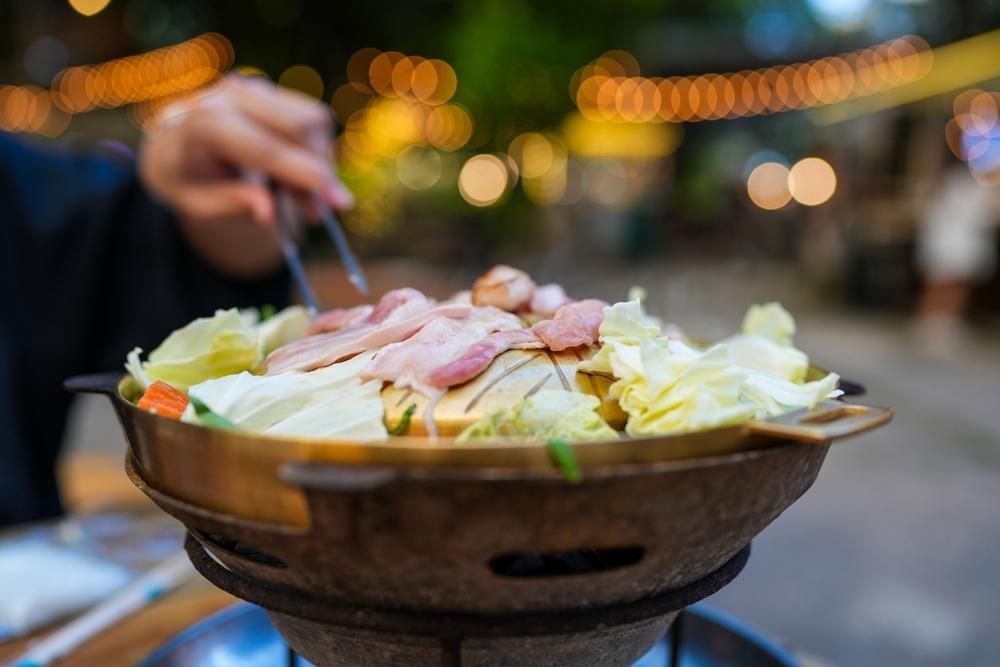
If the menu contains unfamiliar names, you don’t have to choose randomly or stick only to pad thai, spring rolls, and fried rice.
Ask the restaurant staff which dish they would recommend to someone experiencing Thai cuisine for the first time. You can also ask which dish has the strongest sour, sweet, spicy, or aromatic profile.
This can be especially useful at small restaurants with menus that are difficult to evaluate based on photos alone. A staff member who knows the dishes well can explain the differences between them much better than a short menu description.
On the other hand, if the staff can’t explain even the basic differences between dishes or can’t answer questions about the ingredients, that’s a reason to be a little more cautious about your choice.
Check the Sauces and Ingredients If You Have a Food Allergy
Thai cuisine often uses sauces, pastes, and seasonings whose ingredients aren’t always obvious from the name of the dish. Fish sauce, shrimp paste, peanuts, and other common ingredients may be present where you wouldn’t expect them.
If you have a serious food allergy, don’t rely only on menu labels or assumptions. Ask the staff about the specific allergen and make sure the employee actually understands your question and can check with the kitchen if necessary.
We wrote more about how to evaluate a restaurant in this situation in our article “Dining Out With a Food Allergy: How to Choose a Safe Restaurant.”
Think About What You Actually Want to Try
You can choose a Thai restaurant not only based on “where has the best Thai food,” but also on what kind of experience you want to have.
If you’re experiencing the cuisine for the first time, look for a menu that lets you try several different styles of dishes. If you already know Thai cuisine well, a restaurant with less familiar options or specialty dishes that aren’t part of the standard selection may be more interesting.
For a group, a restaurant where you can order several dishes for the table can be a convenient option. That way, you can try different curries, soup, noodles, rice, or salad instead of everyone ordering one large portion.
And if you simply want a quick lunch, there’s no need to look for a restaurant with a huge menu and a long service format. The choice depends on why you’re going out to eat this particular time.
Once you know what exactly you’re looking for, the search becomes much easier. You can start with the TampaBayTide restaurant directory and then check the menus and details of specific restaurants. This is especially convenient if you’re looking for a Thai restaurant near home, work, or a place you plan to visit during a trip.
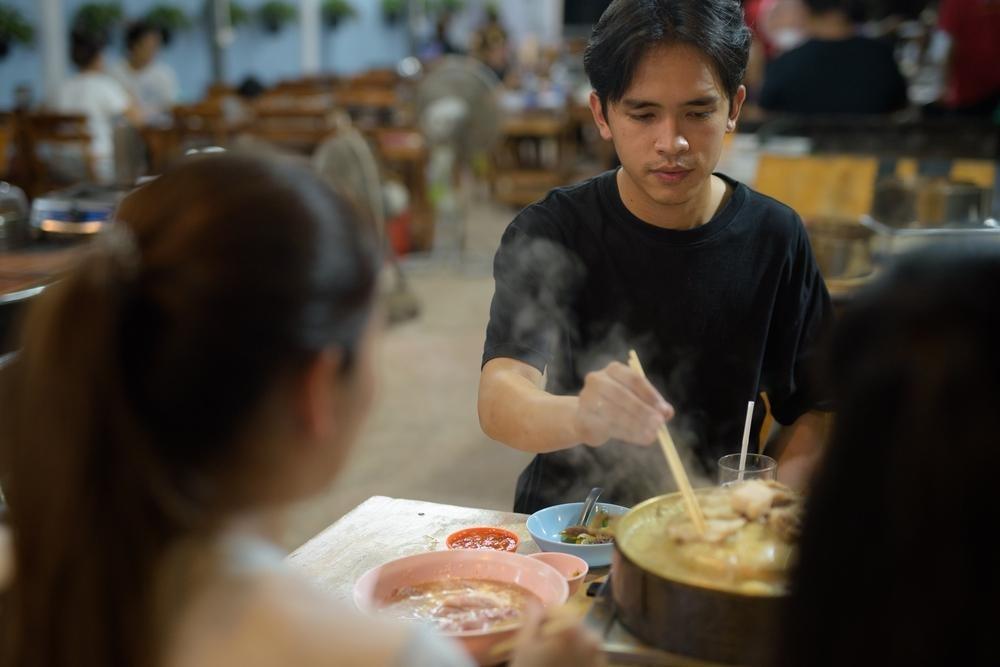
The simplest mistake when choosing a Thai restaurant is assuming that the quality of the cuisine can be measured by its level of spiciness. In reality, heat is only one part of a much more complex system of flavors. Before visiting, it’s worth looking over the menu, understanding how well it represents different types of Thai dishes, finding out whether the level of heat can be adjusted, and paying attention to the ingredients in sauces and seasonings. After that, you can choose several dishes that will let you appreciate not only the familiar hits, but also the character of the cuisine itself.
There are plenty of different options throughout Tampa Bay, so there’s no need to stop at the first restaurant that comes up in a search. A few minutes spent carefully looking over the menu can help you find a place that makes you fall in love with Thai cuisine.


ABOUT TampaBayTide
FOR BUSINESS