


10 Things That Make Tampa Bay Feel Like Tampa Bay


There are places you can find anywhere in Florida: white-sand beaches, palm trees, waterfronts, boats, sunsets. Tampa Bay has all of these, but its character is also shaped by very different things – a history of immigration, Cuban and Spanish heritage, Greek sponge docks, pirate traditions, sports culture, and even dishes that locals are willing to argue about.
Some experiences are worth having not because they belong on a classic list of attractions, but because they help you understand what sets Tampa Bay apart from the rest of Florida.
Start the Day With a True Tampa Cuban Sandwich
The Cuban sandwich is probably the tastiest example of how Tampa Bay’s history became an everyday tradition.
Its history is tied to Ybor City in the early 20th century, when the neighborhood was the center of the cigar industry and home to Cuban, Spanish, Italian, German, and other immigrant communities. That mix of cultures found its way into the sandwich: Cuban bread, roast pork, ham, Swiss cheese, pickles, mustard, and, in the Tampa version, salami.
The salami is especially important here. It became part of the local version thanks to Ybor City’s Italian community and is one of the details that sets the Tampa Cuban apart from versions popular in other Florida cities.
Ordering a Cuban sandwich in Tampa isn’t just grabbing a quick bite. It’s a small way to taste the region’s history and a great opportunity to decide where exactly the “right” Cuban is made and join an argument that probably isn’t going to end anytime soon.
See How Cigars Are Still Hand-Rolled in Ybor City
Ybor City is often thought of as a neighborhood of restaurants, bars, and nightlife, but its real character is much older than modern Tampa.
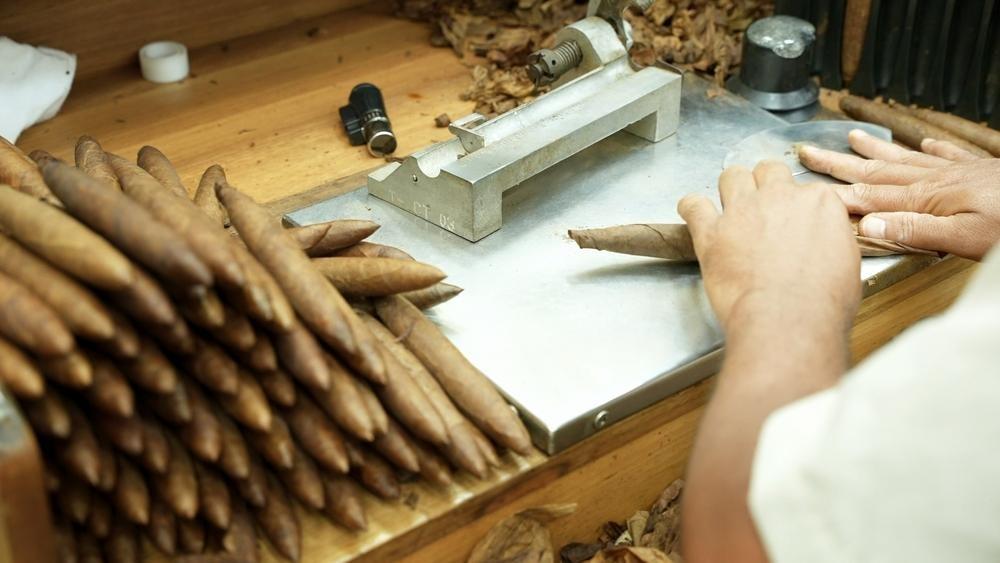
Hundreds of cigar factories once operated here, and the neighborhood earned a reputation as the Cigar Capital of the World. The cigar industry shaped not only Tampa’s economy, but also the neighborhood’s architecture, population, and culture. And the tradition didn’t remain solely a museum exhibit: today, you can still see artisans in Ybor City hand-rolling cigars.
In Ybor City, you can not only watch artisans handcraft cigars, but also take their place for a while. J.C. Newman Cigar Co. offers a Hand Rolling Class at its historic El Reloj factory. Under the guidance of professional cigar makers, participants learn to work with tobacco leaves and finish five cigars themselves, which they can then take home. The class lasts about an hour.
There are longer formats as well. La Faraona Cigars offers an approximately three-hour Cigar Rolling Experience, during which participants go through more stages of the process and make ten cigars themselves.
An experience like this shows just how deeply cigar culture is rooted in Tampa’s history. What was once the everyday work of thousands of people in Ybor City’s factories can now be experienced firsthand – in a neighborhood where the tradition is still alive.
Important: These classes are for people 21 and older because they involve tobacco products.
Experience Gasparilla
To someone from another state, Gasparilla might look like simply a very large pirate festival. For Tampa Bay, it’s much more than that.
Every winter, Tampa literally turns into a city of pirates. Gasparilla Pirate Fest begins with the maritime “invasion” of the José Gasparilla ship, followed by a huge parade along Bayshore Boulevard. The modern Gasparilla Season includes an entire series of events over several months, from Children’s Gasparilla to arts, music, sports, and film festivals.
What makes Gasparilla particularly distinctive is that it isn’t a reenactment of an actual historical event. The celebration is built around the fictional pirate José Gaspar, but over more than a century, that fictional story has become part of Tampa’s real identity. That’s how traditions emerge that simply can’t be copied in another city.
Gasparilla is also a kind of calendar marker: pirate flags, beads, costumes, road closures, and questions about exactly where to watch the parade this year all mean that Tampa Bay has entered its special season once again.
Spend a Few Hours at the Sponge Docks in Tarpon Springs
Tampa Bay has another story that’s hard to imagine if you look at Florida only through its beaches.
In the early 20th century, Greek immigrants settled in Tarpon Springs and worked in the sponge-harvesting industry. That’s how the Sponge Docks developed, and the city gradually became one of the major centers of the sponge industry. Today, Dodecanese Boulevard preserves that heritage: you can still see sponge boats, buy natural sea sponges, taste Greek food, and hear stories about the work of sponge divers.
Even more interesting is taking a boat out for a demonstration of traditional sponge diving. These excursions show how Greek sponge divers worked, and some demonstrations include divers going into the water in traditional gear weighing around 170 pounds.
It’s one of those experiences that makes Tampa Bay look like a much more complex region than simply “cities around the bay.” There is a Greek history here, an industrial heritage, and an entire neighborhood that grew around a profession few people think about today.
Drive Across the Sunshine Skyway and See Tampa Bay From Above
There’s an experience that doesn’t require a ticket, tour, or reservation.
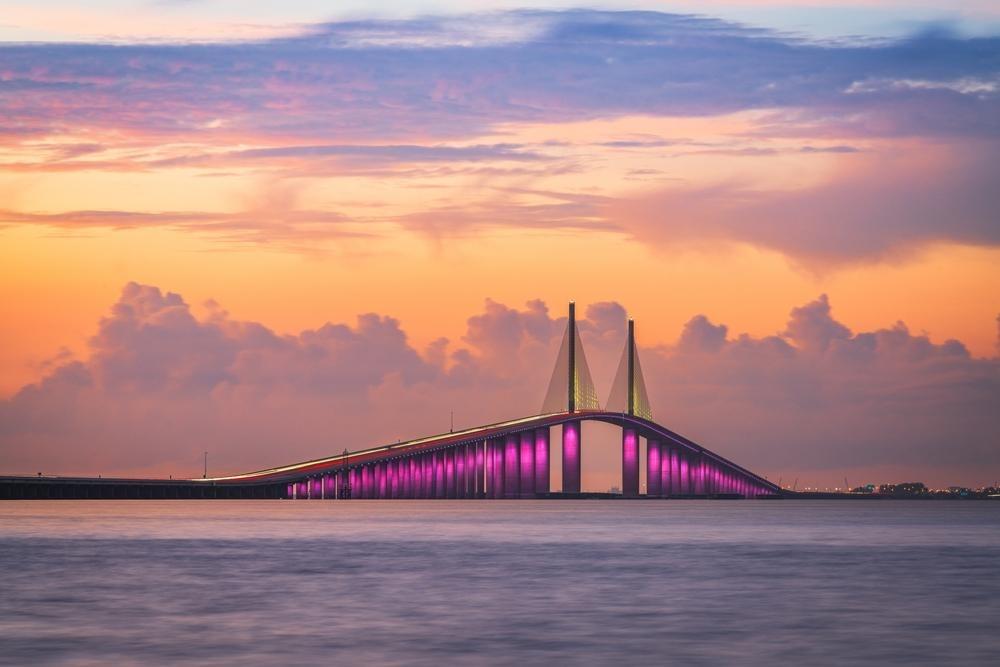
Driving across the Sunshine Skyway Bridge is one of the simplest ways to literally see the scale of Tampa Bay. The bridge connects St. Petersburg and Bradenton, crossing a vast expanse of water and offering a completely different perspective on the bay.
For people who have lived here for a long time, the Skyway can easily become just another part of the commute. But that’s exactly why it’s worth driving across it without rushing sometimes – not as a road from point A to point B, but as part of the region itself.
Tampa Bay isn’t simply a collection of cities located around the water. The water shapes their geography, transportation, history, and way of life. The Skyway makes that especially obvious.
Stop by José Martí Park and Remember How Deep Tampa’s Ties to Cuba Run
There’s a place in Tampa that’s easy to miss if you don’t know its history.
José Martí Park in Ybor City has a unique status: the land the park sits on belongs to Cuba and has remained under Cuban ownership for more than half a century. This is connected to José Martí’s historical ties to Tampa and the city’s Cuban workers who supported the Cuban independence movement.
It’s a very small space, but its significance is much greater than its size. In Tampa, Cuban history isn’t limited to restaurants, cigars, and Cuban sandwiches. It’s part of the city’s political and civic history from the late 19th and early 20th centuries.
Places like this are especially interesting because they let you see a familiar neighborhood through a history that’s easy to overlook during an ordinary walk.
Build an Evening Around Tampa Bay Sports
In Tampa Bay, sports have long been part of the local culture. The Buccaneers, Lightning, Rays, and Rowdies have different audiences, traditions, and home venues, but together they create something that’s difficult to separate from everyday life in the region.
The experience of attending a Tampa Bay Lightning game is especially telling. It’s not only about the game itself, but also the atmosphere around it: people meet up before the game, head downtown together, and fan culture extends well beyond the arena.
For someone who has lived in Tampa Bay for a long time, it may be an ordinary evening. But these are exactly the kinds of evenings that create a sense of belonging to a city. You know the local rituals, recognize the team colors, understand the jokes, and remember previous seasons. It’s no longer simply entertainment, but part of the local memory.
Walk the Tampa Riverwalk, but Look at It as Part of the City
The Riverwalk always makes it into tourist guides, but it’s worth occasionally looking at it differently – as a space that connects several very different parts of Tampa.
The route along the Hillsborough River stretches for about 2.6 miles, running from the Heights area and Armature Works through downtown to Sparkman Wharf. Along the way, it connects parks, cultural institutions, restaurants, and the waterfront.
It’s especially interesting to walk it not for the sake of a particular attraction, but to see how Tampa has changed over the past several decades. Old industrial infrastructure, historic buildings, modern residential neighborhoods, museums, and new waterfront spaces literally stand side by side here.
For example, Armature Works is located in the former Tampa Electric streetcar depot, built back in 1910. Today, the historic industrial building has become one of Tampa’s modern public spaces.
It’s a good example of how Tampa Bay doesn’t simply preserve its history, but continually incorporates it into modern city life.
Discover the Hillsborough River as Part of the Urban Landscape
Florida has plenty of places for kayaking, paddleboarding, and water excursions. But the Hillsborough River is interesting because its natural landscape exists literally next to the major city of Tampa.
Getting out on the water or walking along the river lets you see a completely different landscape of the region: cypress trees, wetlands, dense greenery, and wildlife existing just a few miles from downtown.
It’s one of the best ways to remember that Tampa Bay isn’t only an urbanized area surrounding the bay. Here, the city literally borders natural ecosystems, and that combination is an important part of the region’s character.
Celebrate Local History Through Food
You can end a day like this with another distinctly local ritual – looking for dishes that exist specifically because of Tampa Bay’s history.
Besides the Cuban sandwich, there’s deviled crab, for example – spicy crab-meat croquettes that became part of Ybor City’s culinary history. Their origins are connected to the Cuban community and Tampa’s working-class neighborhoods, and today deviled crab remains one of those dishes that helps explain the local food culture.
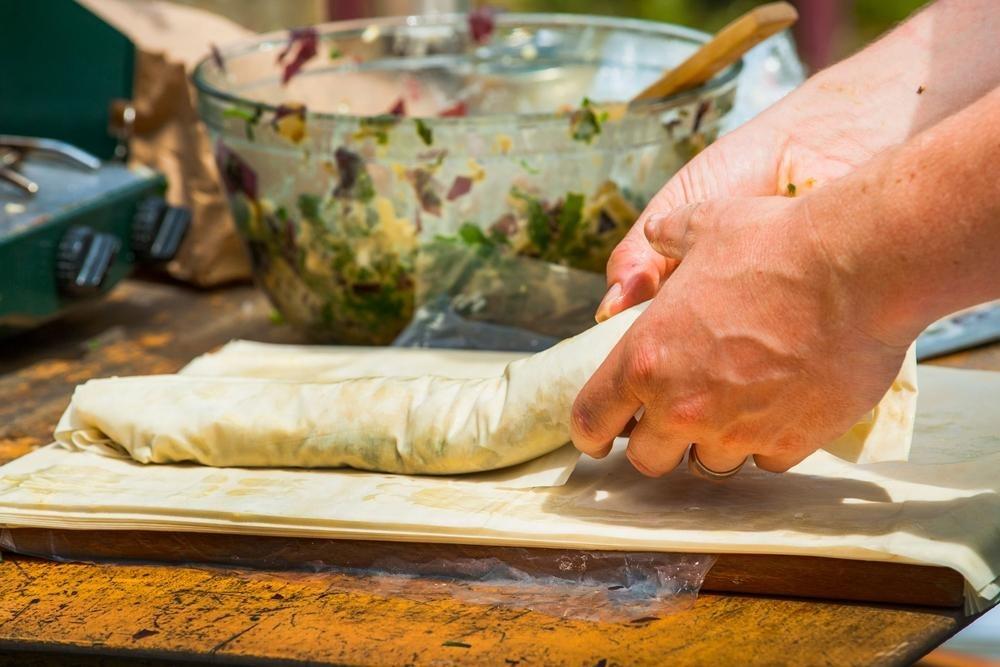
In Tarpon Springs, another part of the local history can be tasted through Greek cuisine: from spanakopita and moussaka to fresh seafood and traditional pastries, food has become an extension of the history of the immigrant community that shaped an entire part of the city.
Regional identity isn’t something you can only see – you can literally taste it.
The strength of Tampa Bay isn’t that it has beaches, palm trees, or warm weather. All of those can be found in many other parts of Florida. Instead, there’s Ybor City with its cigar history and Cuban sandwich, Tarpon Springs with its Greek sponge docks, José Martí Park with its unusual connection to Cuba, Gasparilla with a fictional pirate who became part of a real city tradition, the Sunshine Skyway stretching over a vast bay, sports-filled evenings, a river right next to downtown, and dozens of small details that locals take for granted.
That sense of home is built from details like these. A tourist may come here for the beach, but someone who lives in Tampa Bay has many more reasons to be proud of the place they call home.


ABOUT TampaBayTide
FOR BUSINESS