


Ybor City: From the Cigar Capital of the World to Tampa’s Cultural Heart


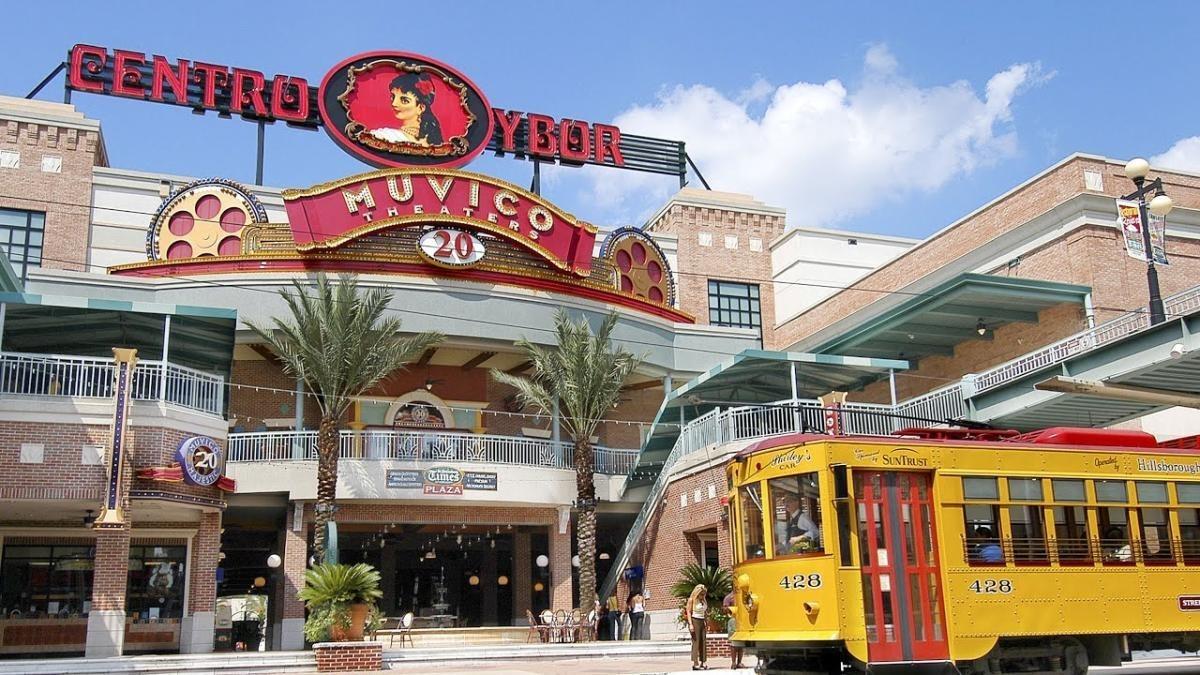
Today, Ybor City is one of Tampa’s most vibrant neighborhoods, where historic brick buildings stand alongside restaurants, art galleries, and nightlife venues. More than a century ago, however, this area was an industrial powerhouse that attracted thousands of immigrants and transformed a small settlement into one of the world’s most important centers of cigar manufacturing.
The story of Ybor City began in 1885, when Spanish entrepreneur Vicente Martinez-Ybor decided to relocate his cigar production business from Key West to Tampa. At the time, Tampa was a small town with a population of only a few thousand residents. Its strategic location, railroad access, and affordable land made it an attractive destination for industrial development. Ybor purchased more than 100 acres of land northeast of downtown Tampa and set out to build not just a factory, but an entire company town for workers. The neighborhood that emerged became known as Ybor City, named after its founder.
The success of the cigar industry quickly attracted workers from around the world. Large numbers of immigrants arrived from Cuba, Spain, Italy, and other countries.
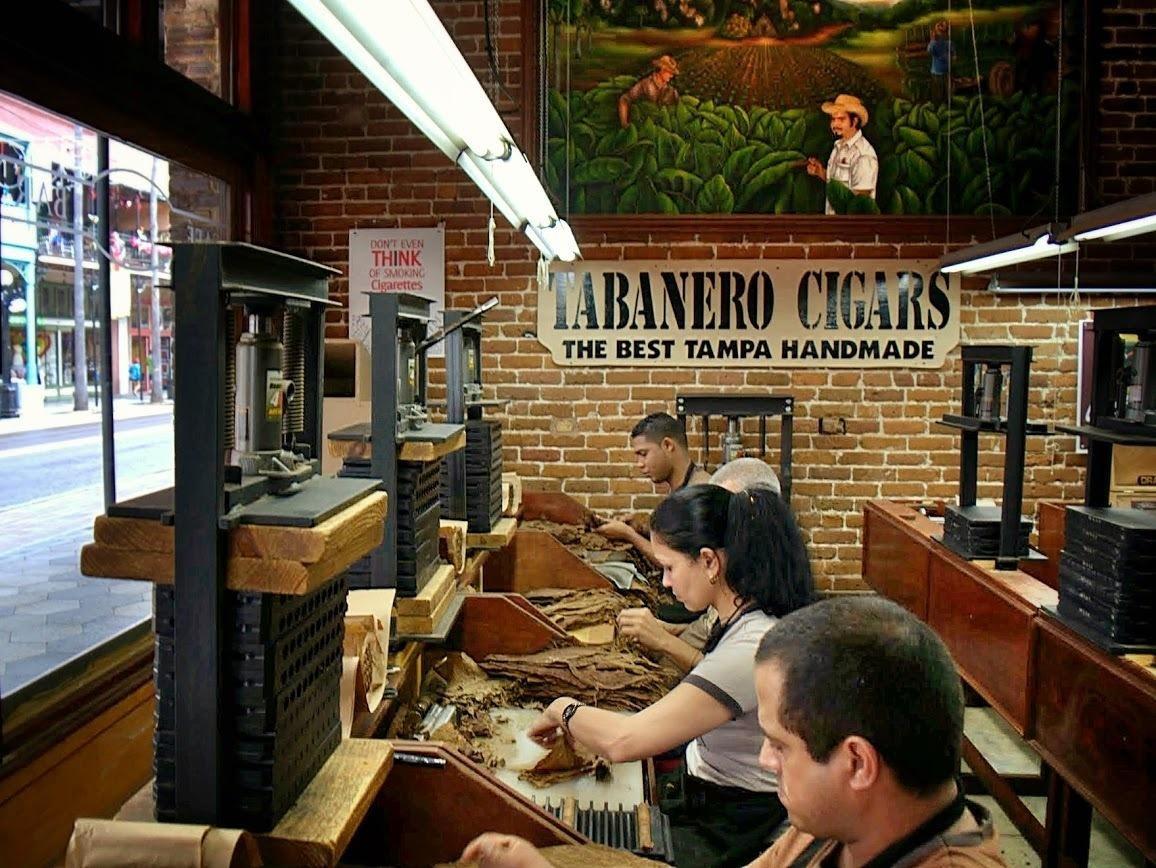
Each community left a lasting mark on the neighborhood’s culture. Cuban immigrants brought the traditions of hand-rolled cigar making; Spaniards opened shops, restaurants, and cultural institutions; Italians established their own neighborhoods and family-run businesses; and later, Jewish and German communities also became part of the area’s rich social fabric.
This cultural diversity shaped the unique character of Ybor City—a character that can still be felt today.
The Cigar Capital of the World
During the late 19th and early 20th centuries, Ybor City experienced an extraordinary boom. Dozens of factories operated throughout the district, producing millions of hand-rolled cigars every year. At its peak, more than 500 million cigars were manufactured annually, earning Tampa the nickname “Cigar Capital of the World.”
Factory life had a distinctive feature. Production halls employed lectores—professional readers who read newspapers, books, and political articles aloud to workers while they rolled cigars. Thanks to this tradition, many laborers gained access to education and became deeply engaged with politics, literature, and culture.
Unlike many industrial cities of the era, Ybor City developed a strong system of mutual aid. Immigrant communities established social clubs that served as hospitals, cultural centers, and gathering places. Among the most notable were Centro Asturiano de Tampa, Centro Español de Tampa, and the Italian Club of Tampa. Long before modern social welfare systems existed, these organizations provided medical care and organized celebrations, concerts, and theatrical performances.
After World War II, however, the situation began to change. The growing popularity of machine-made cigars gradually reduced the demand for hand-rolled production. Many factories closed, and residents began moving to other parts of Tampa. Another major blow came in the 1960s with the construction of Interstate 4, which cut through the historic district and accelerated population decline. By the 1970s, many buildings stood vacant, and the once-thriving industrial center faced difficult times.
Ybor City Today
In the second half of the 20th century, Ybor City experienced a remarkable revival. Historic buildings received preservation status, while former factories were transformed into museums, restaurants, shops, and creative spaces. Thanks to the efforts of local residents and preservationists, much of the neighborhood’s architectural heritage was saved.
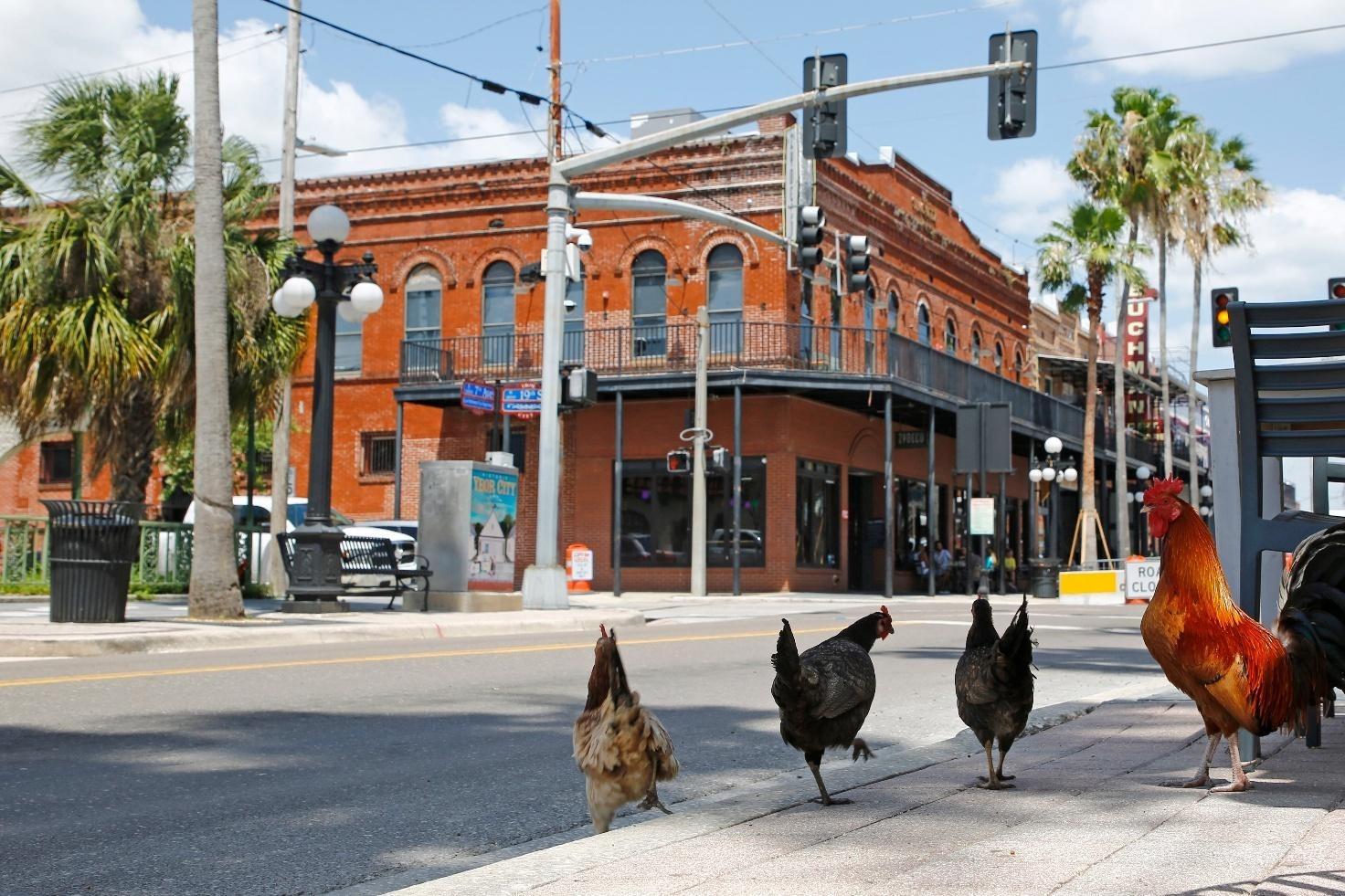
Modern Ybor City seamlessly blends the past with the present. Visitors can explore former cigar factories, museums, art galleries, and restaurants serving Cuban and Spanish cuisine. They can also hear stories about the neighborhood’s famous wild chickens, which roam freely through the streets and have become one of Ybor City’s most recognizable symbols.
Today, Ybor City is considered one of Florida’s best-preserved historic districts—a place where the multicultural legacy of the immigrant communities that once built a “cigar city” on the shores of the Gulf Coast continues to thrive.


ABOUT TampaBayTide
FOR BUSINESS