


What to Look for When Choosing a Real Estate Agent

Buying or selling a home is one of the biggest financial decisions most people will ever make. That's why choosing the right Realtor is just as important as choosing the property itself. A good agent can help you avoid costly mistakes, save you time, and make the entire process as smooth as possible. The wrong choice, on the other hand, can lead to delays, unfavorable terms, or even financial losses.

Make Sure the Agent Knows Your Area Well
Florida's real estate market varies significantly from one community to another. Even neighboring neighborhoods can differ in home prices, buyer demand, insurance requirements, and future development plans.
A Realtor who regularly works in your specific area will have a better understanding of local market conditions, help you price a home accurately, and explain the unique characteristics of the neighborhood.
Learn About the Agent's Experience
The number of years an agent has been in the business isn't the only thing that matters. It's often more valuable to understand what types of transactions they handle most often and how familiar they are with the local market.
For example, some agents specialize in condos, others focus on single-family homes, while some primarily work with investors or buyers purchasing new construction. It's also worth asking whether the agent has experience with properties similar to yours. Selling a suburban home, a luxury property, a condominium, or an investment property often requires very different pricing strategies, marketing approaches, and negotiation skills.
Ask how many similar transactions the agent has successfully closed within the past year. This will give you a better idea of whether they're actively working in today's market rather than simply relying on experience from years ago. It's also helpful to ask how they determine a property's market value. A knowledgeable Realtor should rely on more than intuition by analyzing recently sold comparable properties through a Comparative Market Analysis (CMA), current listings, and neighborhood-specific market conditions.
If your situation involves unique circumstances – such as buying your first home, selling a recently renovated property, relocating, or purchasing a home in a flood-prone area – look for an agent who has successfully handled similar situations before.
Read Reviews, but Don't Focus Only on the Rating
A high star rating doesn't tell the whole story. The comments themselves often provide much more valuable information.
Pay attention to whether clients consistently mention prompt communication, honesty, strong negotiation skills, professionalism, and support throughout the closing process. When the same strengths – or weaknesses – appear repeatedly in multiple reviews, they're usually a reliable indicator of the level of service you can expect.

Ask How the Agent Plans to Work With You
Don't hesitate to ask questions before signing an agreement. Find out how often the agent will keep you updated, which communication methods they prefer, who will assist you if they're temporarily unavailable, and how many clients they're working with at the same time. It's also helpful to ask them to walk you through what the buying or selling process will look like in your specific situation.
The more detailed and specific their answers are, the easier it will be to determine whether the working relationship will be organized and transparent.
Ask How They'll Market Your Property
If you're selling a home, marketing plays a major role.
Ask whether professional photography, video, 3D tours, online advertising, Open Houses, and social media marketing are included in their services. A modern marketing strategy can often help attract buyers more quickly and lead to a stronger sale price.
At the same time, even the best marketing campaign can't fully make up for a home that isn't properly prepared for sale. If you're just getting started, we also recommend reading our article on how to prepare your home for sale. It explains which improvements can make the strongest impression on potential buyers and increase your home's appeal.
Pay Attention to Communication
First impressions are often accurate.
If an agent takes a long time to respond, arrives late to meetings, or struggles to explain things clearly before you've even started working together, it's unlikely that communication will improve during the transaction.
A good Realtor explains complex topics in simple terms, responds promptly to questions, and keeps you informed throughout the entire process.
Talk to More Than One Agent
Many buyers and sellers make the mistake of hiring the first agent who returns their call.
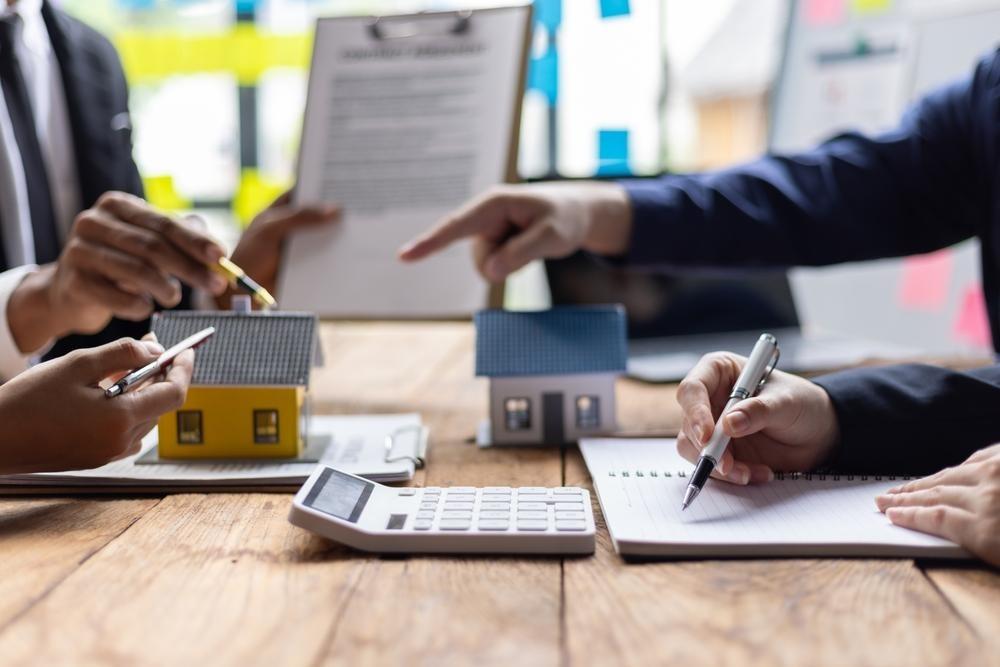
Instead, consider speaking with at least two or three Realtors. Comparing their communication style, market knowledge, and overall approach will help you determine who is the best fit. Real estate transactions often last several weeks – or even months. During that time, you'll be discussing financial decisions, reviewing important documents, and handling unexpected challenges together.
Professional expertise is essential, but it's equally important that you trust your agent and feel comfortable working with them.
Ask About Commission and Other Potential Costs
It's also important to discuss financial details upfront. Real estate commissions aren't set by law and are negotiated between the parties involved. In many home sales, the total commission is typically around 5% to 6% of the sale price, although the exact amount can vary depending on the market, the property, and the terms of the agreement.
Ask how the commission will be divided. In many transactions, the seller pays the commission, which may then be shared between the listing agent and the buyer's agent. However, following recent changes in the U.S. real estate industry, commission arrangements are increasingly negotiated individually as part of each transaction.
You should also ask which services are included and which may involve additional costs. Professional photography, video production, 3D tours, home staging, advertising, and Open Houses are sometimes included in an agent's services, while other agents may charge separately for some of these items.
If an agent offers a commission that's significantly lower than the local average, ask whether that means they'll spend less on marketing, provide fewer services, or invest less effort into promoting your property. The lowest commission doesn't always result in the best financial outcome – especially if weaker marketing leads to a longer selling process or a lower sale price.
Review the Representation Agreement Carefully
If you're buying a home, don't be surprised if a Realtor asks you to sign a Buyer's Agent Agreement before showing you properties. Since recent changes to U.S. real estate industry practices, this has become much more common.
This agreement typically outlines the length of the relationship, the geographic area the agent will cover, the services they'll provide, and how they'll be compensated. Don't treat it as just another formalityм – read every section carefully before signing. Pay particular attention to the agreement's duration, termination provisions, and the circumstances under which the agent earns compensation.
If anything is unclear, ask the Realtor to explain it in plain language. A professional agent should have no problem answering your questions and making sure you fully understand the terms of the agreement.

A good Realtor is much more than someone who shows homes or posts listings online. They're a professional who helps you make informed decisions, negotiates on your behalf, manages the transaction from start to finish, and protects your interests throughout the process.
If you're planning to buy, sell, or rent property in the Tampa Bay area, browse our directory of local Realtors. You can compare agent profiles and find a real estate professional who best fits your needs.


ABOUT TampaBayTide
FOR BUSINESS