


What to Look for When Booking a Diving Tour


Diving in Tampa Bay gives you the opportunity to explore underwater sites along Florida’s coast. Beneath the surface of the Gulf of Mexico are artificial reefs, shipwrecks, diverse marine life, and dive sites suitable for divers with different levels of experience. But it’s better not to choose a diving tour based solely on beautiful photos or the lowest price.
A successful dive depends on several things: your experience, the type of tour, the location you choose, weather conditions, equipment, and how well the operator has taken care of safety. Taking these factors into account in advance will make your day on the water much more enjoyable, while the dive itself will deliver the kind of experience you set out to have.
If you already know you want to try diving in Tampa Bay, check out the current options in our Diving category.

Start With Your Experience Level
The first question to ask before booking shouldn’t be “Where are we going?” but rather “What kind of diving can I safely do?”
For someone without certification, introductory programs or training dives with an instructor are a good option. It’s a great way to find out whether you enjoy being underwater before committing to a full certification course.
Certified divers should carefully read the description of the specific tour. Having a certification doesn’t automatically mean that every dive will be comfortable. Maximum depth, current, dive duration, the type of site, and the skills required can all vary.
If you haven’t been diving for a long time, a refresher course may be a good idea even if you are certified. A short review of basic skills can help you regain confidence and remember procedures you haven’t practiced recently.
Decide What You Want to See
Diving can be very different from one experience to another, so it’s worth deciding in advance what interests you most.
Some people are interested in shipwrecks and artificial reefs, while others want to see marine animals or take underwater photos. If you’re specifically interested in wreck diving, find out whether the particular tour includes a dive around a wreck and whether there are any additional experience requirements.
For those most interested in marine life, the dive location and visibility may be more important. The waters of the Gulf of Mexico are home to various species of fish, rays, and other marine life, but wildlife encounters always depend on the specific conditions.
It’s also important not to expect every dive to be the same. Even the same dive site can look different depending on the weather, water clarity, current, and time of year.
Check the Dive Depth and Difficulty
Depth is one of the factors you should always check before booking. A comfortable shallow dive with an instructor for a beginner and a challenging offshore dive for an experienced diver can both be enjoyable, but switching those assignments around can lead to a very different result.
If the tour includes a dive at a shipwreck, find out whether it involves viewing the wreck from the outside only or whether penetration diving is planned. These are fundamentally different types of diving, and entering a wreck requires the appropriate skills and training.
It’s also worth asking about current, maximum depth, approximate dive duration, and water-entry conditions. The more specific information you get before the trip, the less likely it is that reality will come as a surprise.
Don’t Forget About the Boat Itself
When choosing a diving tour, people often focus on the underwater part of the trip. But a significant portion of the day is spent on the boat itself.
Pay attention to how long it takes to reach the dive site, how many people will be on board, and what the group setup is like. A smaller group may be more comfortable for people who don’t enjoy large crowds or who want more attention from the instructor. A large charter, on the other hand, may work well for a group of friends or a family trip.
It’s also worth finding out how many dives are included in the program and how much time is scheduled between them. If several dives are planned throughout the day, the organization of the surface interval becomes an important part of the overall schedule.
For people prone to seasickness, the boat ride itself also matters. If you know you don’t handle waves well, it’s worth discussing the length of the trip and expected water conditions with the operator in advance.

Find Out What Equipment Is Included in the Price
The price of a diving tour doesn’t always represent the final amount you’ll have to pay.
Before booking, ask exactly what’s included. One operator may provide the tank, BCD, regulator, weights, and basic equipment, while another may charge separately for equipment rental.
It’s especially important to clarify whether a wetsuit, mask, fins, and other personal equipment are included if you’re flying to Tampa Bay and don’t plan to bring your own gear.
If you have your own set of equipment, it’s also worth checking whether you can use it during the tour. This may be more convenient, especially if you’re already comfortable with your own mask, regulator, or other gear.
Weather Can Change Your Plans
Diving is one of those activities where the final decision can’t always be made several weeks before the trip.
Sea conditions, wind, waves, and visibility can affect whether a dive can take place or which specific dive site is used. A professional operator may change the route, reschedule the tour, or cancel the trip if conditions become unsafe.
Before booking, be sure to read the cancellation policy. Find out what happens if the operator cancels the tour because of weather: Will you get a refund, or will you be offered another date?
This is especially important for tourists planning to dive during a short trip. If the tour is canceled, the opportunity to reschedule for the following day may be limited by your itinerary.
Seasonal Diving in Tampa Bay: What to Consider in September
At the beginning of September, Tampa Bay is still in a favorable season for diving. The water remains warm, and the period from roughly May through October is generally considered a good time for diving in the region.
Summer and early fall can offer good visibility, but that doesn’t mean the same conditions are guaranteed every day. Visibility in Tampa Bay depends on weather and other natural factors and can change noticeably.
September requires particular attention to the forecast. It’s still a season of tropical weather, so it’s worth allowing some flexibility when planning a dive. If your trip allows, it’s better not to schedule your only dive for the last day of your vacation: unfavorable weather could force the operator to reschedule the trip.
Conditions in the water also gradually change in the fall. For divers, that means water temperature, the wetsuit thickness needed, and visibility may differ from the conditions a few months earlier. The best approach is to ask the operator about current conditions shortly before your trip.
For anyone planning to dive in September or October, the main rule is simple: book with the understanding that weather can affect your plans, and don’t treat seasonality as a guarantee of specific conditions on the day of your dive.

Choose an Operator Based on More Than Price
A cheaper tour doesn’t necessarily mean a better deal if you find out after booking that equipment costs extra, the group is much larger than expected, or important services aren’t included in the price.
Before booking, look at how thoroughly the operator describes the program. It’s a good sign when the website clearly lists certification requirements, maximum depth, tour duration, what’s included in the price, cancellation policies, and details about the specific dive site.
Reviews are just as important. Don’t read them only to see whether people “liked it” or “didn’t like it.” Pay attention to specific comments about safety, equipment condition, instructors, group organization, and whether the tour matched its description.
If the operator is happy to answer questions before you book, that’s another good sign. If you can’t get a clear answer to simple questions about depth, equipment, or weather conditions, it may be better to consider another option.
What to Ask Before Paying
Before you officially book a diving tour, make sure you know exactly what you’re paying for.
Ask which dive site is planned, what the maximum depth is, how long the dive will last, and how many people will be in the group. Find out whether a specific certification is required and whether there are any requirements regarding recent diving experience.
Be sure to check what equipment is included in the price, whether you can rent any missing items, and what you need to bring with you. If several dives are planned, ask how many there will be and how long the surface interval will be.
And finally, ask about the plan in case of bad weather. Will the tour be rescheduled? Will you get a refund? Can the operator change the dive site depending on conditions? The answers to these questions may turn out to be just as important as the photos of the underwater world.
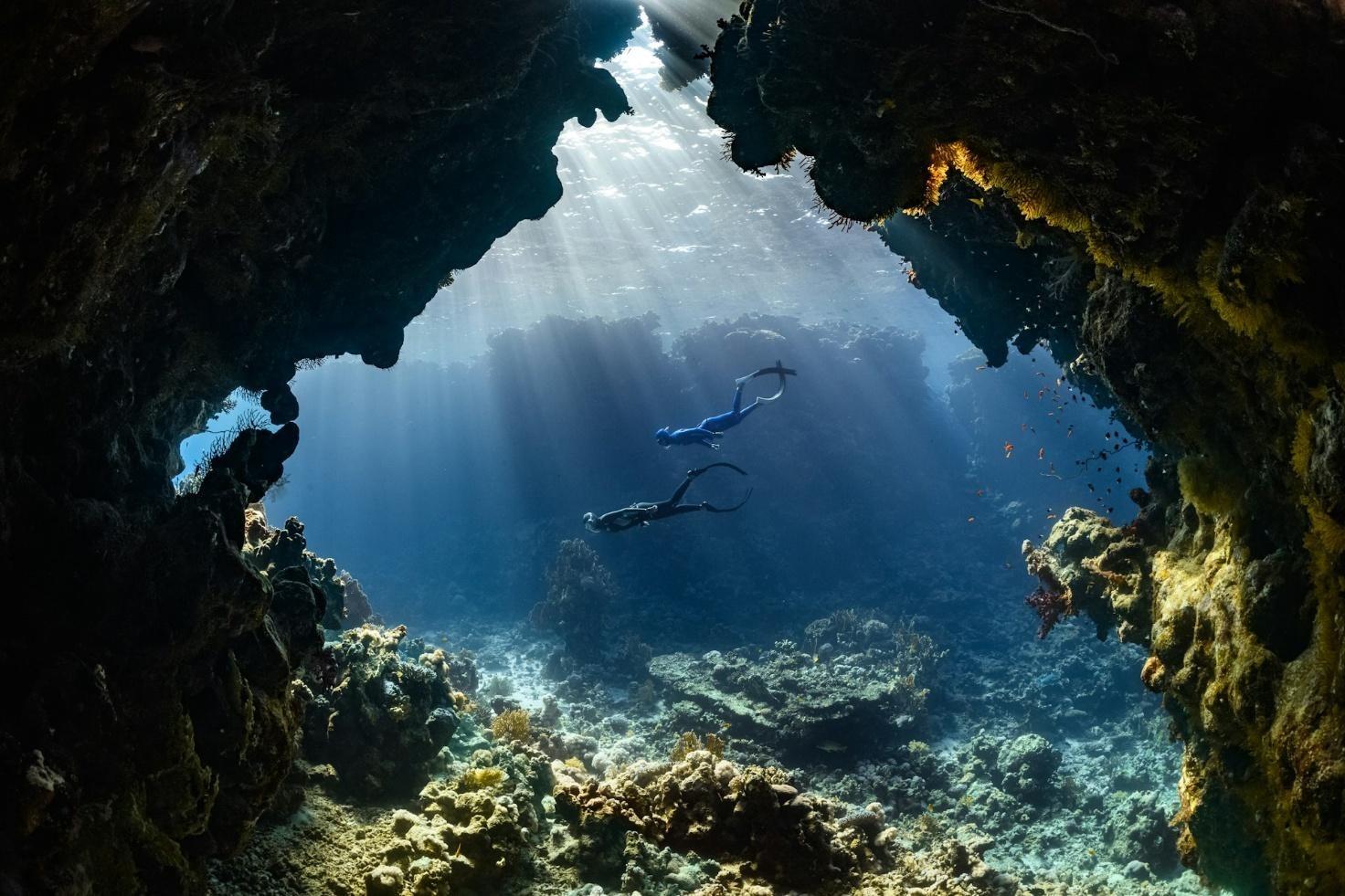
The right diving tour is one that matches your experience level, interests, and how comfortable you feel underwater. For a beginner, it may be a relaxed introductory dive with an instructor. For an experienced diver, it could be a trip to a specific wreck or a new dive site. And for a tourist who simply wants to add a new experience to a Tampa Bay vacation, a convenient schedule, equipment rental, and a clear rescheduling policy may be the most important factors.
The most important thing is not to rush into booking. Check the program, ask about the conditions, consider the season and forecast, and honestly assess your own experience. Then your time underwater will become more than just another item on your travel itinerary – it will be a genuine introduction to the underwater world of Tampa Bay.


ABOUT TampaBayTide
FOR BUSINESS