


What to Look for in a Jewelry Store Before You Buy


A jewelry store is a place we visit with a fairly specific goal. You may need a ring for an important occasion, a gift, a new piece of jewelry for everyday wear, or perhaps a repair for a favorite piece. But even if you already know exactly what you want to buy, choosing the right store remains an important part of the purchase.
The price, photos of jewelry, and beautiful displays may catch your attention, but on their own, they tell you very little about the quality of service. A good jewelry store should do more than simply sell jewelry. It should help you understand exactly what you are paying for, what options you have, and how to care for your purchase after you leave the store.
In Tampa Bay, there is plenty of choice, from small local jewelers to large chains and specialized boutiques. So before heading to the first store you see in a search, it is worth taking some time to choose the seller itself.
First, Determine What You Are Looking For
A jewelry store that is perfect for buying a wedding ring may not necessarily be the best place to find an inexpensive everyday piece. The same applies to repairs, appraisals of antique jewelry, or choosing gemstones.
Before you start searching, it helps to have at least a general idea of what type of purchase you are making. If you are looking for a diamond ring, you may care about certifications and whether the store has professionals with gemological training. If you need a gift, the selection, resizing options, and return policy may matter more. For repairs, it is important to find out whether the store does the work on-site and who exactly will be handling your jewelry.
This will help you immediately eliminate stores that simply sell jewelry but do not offer the services you need.
Don't Rely on the Rating Alone
A high Google rating or a large number of positive reviews is a good reason to take a closer look at a store, but it is not enough.
Read the reviews yourself. It is especially useful to see what people say about staff assistance, price transparency, repairs, jewelry orders, and how problems are handled after a purchase. One negative review does not necessarily mean a store is bad, but repeated complaints about the same issue are already a warning sign.
It is also worth checking how long the store has been in business and whether it has a physical address and reliable ways to contact it. The U.S. Federal Trade Commission advises consumers not to rely solely on information found online and on social media, but to check a seller's reputation and the terms of the purchase in advance.
If you are looking for a store in Tampa Bay, you can start with our jewelry store search and then compare several options.
A Good Jeweler Shouldn't Rush You Into a Purchase
One of the best ways to evaluate a store is to pay attention to how the staff talks to you.
If you walk in with a general budget and say, "I'm looking for a gift," a good consultant will first ask a few questions. Who is the gift for? What style do they like? What metal are you considering? Is there a particular gemstone that matters? What's your budget?
By contrast, constant pressure, attempts to immediately steer you toward more expensive models, or phrases like "you need to buy this today" are not the best signs.
This is especially important with expensive purchases. You should have enough time to compare several options and ask questions. GIA also recommends choosing a jeweler with appropriate education and experience and not being afraid to ask questions before making a purchase.
Ask What the Jewelry Is Made Of
The name of the metal does not always tell the whole story.
For example, with gold jewelry, it is important to pay attention to karatage. The most common markings use karats: 24K is almost pure gold, 18K contains about 75% gold, 14K about 58.5%, and 10K about 41.7%. The higher the karat, the more gold the piece contains, but the jewelry is generally softer and more expensive. Lower-karat gold contains more other metals, which can make it more durable and better suited to everyday wear.
The color of gold also depends on the alloy's composition. Yellow gold retains the natural color of gold, white gold gets its lighter appearance from other metals and is often plated with rhodium, while rose gold contains more copper. This plating can wear away over time, so if you are buying white gold jewelry, ask whether it will need to be periodically replated.
Silver jewelry is most often made from sterling silver, an alloy containing 92.5% pure silver and 7.5% other metals, usually copper. Silver plate is not solid silver but a thin layer of silver over a base metal, so the coating can gradually wear away. Gold-filled pieces have a thick layer of gold mechanically bonded to a base metal, while gold-plated pieces have only a thin layer of gold coating. They may look similar, but they differ in durability, precious-metal content, and price.
The FTC recommends that consumers familiarize themselves with basic precious-metal markings in advance because this helps them understand exactly what they are buying and whether the price matches the stated quality.
A good store should not be annoyed by these questions. The consultant should be ready to explain what metal was used, its karatage, whether it has a coating, and how that coating will hold up with everyday wear.
With Gemstones, Transparency Is Even More Important
If a piece of jewelry contains a diamond or another gemstone, there are even more questions to ask.
Find out whether the stone is natural, lab-grown, or an imitation, whether it has been treated, and whether there is documentation confirming its characteristics. For expensive diamonds, an independent gemological report can be especially important.
For example, GIA notes that its reports include an assessment of a diamond's characteristics and information about detected treatments, and the report information can be verified through the laboratory's database.
This does not mean that every small piece of jewelry needs a thick folder full of certificates. But the more expensive the purchase is and the more important a particular stone is to you, the more valuable independent documentation becomes.
A Good Store Explains the Price
Two rings that look very similar can have very different prices. The price is affected by the metal, its weight, gemstones, their characteristics, the design, the manufacturer, and the jeweler's craftsmanship.
So don't just ask, "How much does this cost?" Ask, "What am I paying for?"
This is especially important if you are ordering a custom piece. In that case, clarify in advance what is included in the price, whether there is a separate charge for labor, how much resizing will cost, and what happens if the finished piece does not match the agreed-upon design.
If a seller cannot clearly explain how the price was determined or deliberately avoids giving specific information, it is better to compare the offer with other stores.
Check the Return Policy Before You Buy
This is one of the most important details that can easily be overlooked in the excitement of choosing a piece of jewelry.
Before paying, ask whether the item can be returned or exchanged, how much time you have to do so, and whether there are special rules for custom-made or resized jewelry.
It is just as important to understand the warranty terms. What does it cover? Does it include checking the gemstone settings? Can the jewelry be cleaned for free? What happens if a stone becomes loose?
GIA specifically recommends that buyers carefully read return and warranty policies and keep records of them.
Do not rely solely on a seller's verbal promise. If a particular condition is important to you, it is better to get it in writing.
Think About Service After the Purchase
A jewelry store can become a place you return to for years. Jewelry needs cleaning and sometimes resizing, repairs, or checks of the gemstone settings.
That is why a store with a slightly higher price but good after-sales service may turn out to be a better value than a cheaper option.
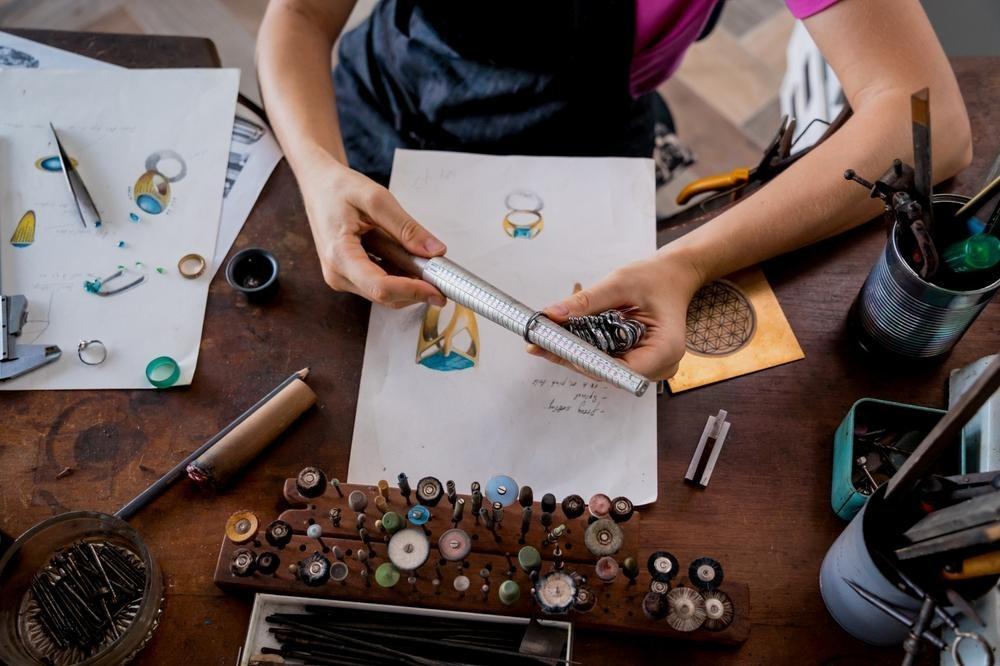
Ask whether the store offers repairs and cleaning, whether the work is done in its own workshop, how long these services usually take, and whether you can get an estimate in advance.
This is especially important for expensive or sentimental pieces. You are not just choosing a place where you will buy a ring or necklace today. You may also be choosing a jeweler you will trust with that piece in the future.
Don't Be Afraid to Visit Several Stores
Even if the first store makes a good impression, you do not have to pull out your wallet right away.
Visit two or three places and compare not only the prices but also the overall approach. Do they explain the characteristics of the jewelry? Do they answer your questions? Do they give you time to think? Are the warranty and return policies clear? After several visits, you may find that the same amount of money gets you a very different level of service.
If You Are a Tourist in Tampa Bay
For tourists, choosing a jewelry store has one additional consideration: it is important to think about what happens after the purchase.
If you are buying jewelry during the last few days of your vacation, check the return policy, especially if returning to the store in person will be difficult. Keep your receipt, documents, and certificates. If the jewelry needs to be resized or repaired, find out in advance whether this can be handled remotely or through another location of the same chain.
For tourists, jewelry from a local jeweler can also be an interesting option. It can make for a more personal souvenir from Tampa Bay than an ordinary item with a Florida logo.
If You Are Buying a Gift
Jewelry is one of those gifts where it is easy to make a mistake not because of the quality, but because of personal taste.
If you are not sure about the ring size or do not know what type of metal the person wears, ask the store right away about resizing or exchange options. Also pay attention to the packaging and whether gift wrapping is available.
If you are buying the jewelry in advance, it is especially important to check the return period. Not all stores calculate it the same way, and a gift purchased several weeks before an event may already be outside the standard return window.

When choosing a jewelry store, you should not necessarily look for the place with the biggest display or the lowest price. What matters much more is whether you can trust the seller, whether you understand exactly what you are buying, whether you can get information about the metal and gemstones, whether the price is transparent, and whether the return, warranty, and after-sales service terms are clear.
A good jeweler does not make you feel like you have to be an expert to make the right choice. They explain complicated things in plain language, answer your questions, and give you enough information to make the decision yourself.


ABOUT TampaBayTide
FOR BUSINESS