


Urgent Care vs. the ER: What's the Difference and When to Go

There are several ways to get medical care in the U.S., and choosing the right facility can make a big difference – not only in how quickly you receive treatment but also in how much it costs. One of the most common questions, especially for newcomers and visitors, is whether to go to an Emergency Room (ER) or if an Urgent Care center is the better option.
While both provide walk-in medical care without an appointment, they're designed for very different situations.

What Is Urgent Care?
Urgent Care is a medical clinic that treats illnesses and injuries requiring same-day attention but that aren't life-threatening. These clinics typically have longer hours than primary care offices, and many are open during evenings, weekends, and holidays.
In most cases, wait times at Urgent Care are much shorter than at a hospital Emergency Room.
When Urgent Care Is the Right Choice
Urgent Care is appropriate when you need prompt medical attention but your condition isn't an emergency. Common reasons to visit include a fever without severe symptoms, a cold, the flu, or COVID-19, a sore throat, an ear infection, sinus infections, urinary tract infections (UTIs), minor cuts that may require stitches, mild burns, minor sprains or bruises, a suspected uncomplicated fracture, allergic reactions without difficulty breathing, skin rashes, vomiting or diarrhea without signs of severe dehydration, ear, eye, or throat pain, and insect or animal bites when the person is otherwise stable.
Most Urgent Care centers can perform X-rays, run lab tests, provide rapid testing for common infections, stitch wounds, diagnose and treat a wide range of conditions, and prescribe medications when needed.
When You Should Go to the Emergency Room Immediately
The Emergency Room is intended for conditions that may be life-threatening or could result in serious complications without immediate medical attention.
You should go to the ER immediately if you experience severe chest pain or pressure, difficulty breathing, symptoms of a stroke such as sudden weakness on one side of the body, slurred speech, or facial drooping, loss of consciousness, seizures, heavy bleeding that won't stop, serious injuries from a car accident or a fall, severe burns, open fractures, severe abdominal pain, a serious allergic reaction with throat swelling or difficulty breathing, poisoning, or any other condition that could be life-threatening.
In these situations, call 911 or go to the nearest Emergency Room as quickly as possible.
Why You Shouldn't Go to the ER Unless It's an Emergency
One of the biggest reasons is longer wait times. Emergency Rooms treat patients based on the severity of their condition, so people with less serious illnesses or injuries may wait much longer while doctors care for patients with life-threatening emergencies.
Cost is another important factor. Even for the same medical problem, an Emergency Room visit can cost several times more than treatment at an Urgent Care center. For people without health insurance, that can mean bills totaling hundreds – or even thousands – of dollars.
In addition, many health insurance plans have lower copays for Urgent Care visits.
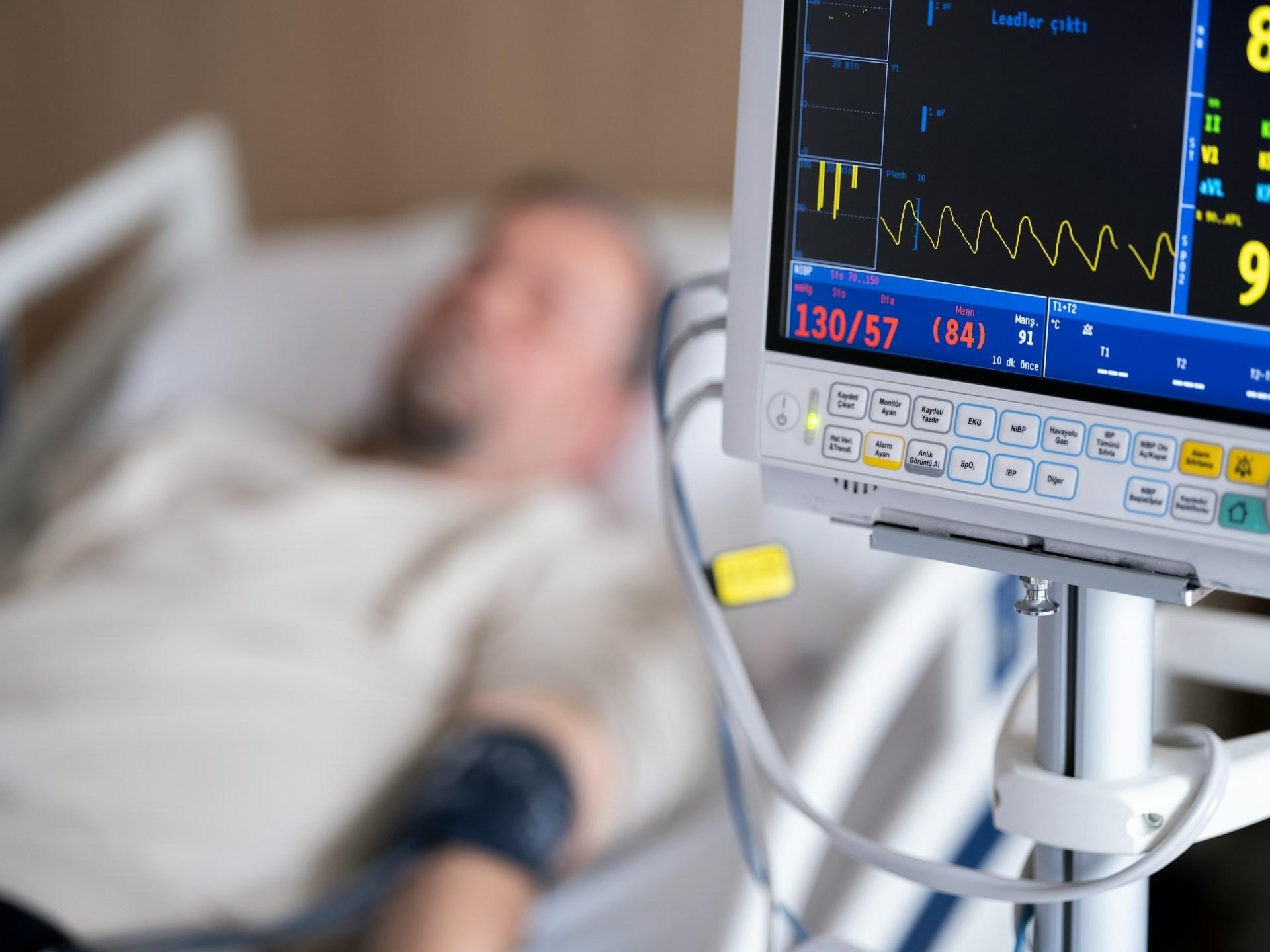
Can Urgent Care Send You to the Hospital?
Yes. If the medical team determines that your condition is more serious than it initially appeared, they'll refer you to the Emergency Room or call an ambulance if necessary.
That's why you shouldn't worry about choosing Urgent Care if your symptoms don't seem life-threatening. Healthcare providers will evaluate your condition and make sure you receive the level of care you need.
What If You're Not Sure?
Sometimes it's difficult to tell how serious a medical problem is. If your symptoms are getting worse quickly, you have trouble breathing, severe pain, loss of consciousness, or any other signs of a medical emergency, don't take chances – go to the Emergency Room.
If your symptoms are uncomfortable but your overall condition is stable, Urgent Care is usually the more appropriate choice.
How to Prepare for Your Visit
Before leaving, bring a photo ID, your health insurance card (if you have one), a list of the medications you take, information about any allergies, and, if available, results from any recent medical tests. Having this information ready can help the provider evaluate your condition more quickly and recommend the right treatment.

Urgent Care centers and Emergency Rooms aren't competitors – they serve different purposes. When your condition isn't life-threatening, Urgent Care can often provide faster treatment while helping you avoid higher medical costs. However, if there's any reason to believe you're experiencing a serious medical emergency, don't hesitate to go to the Emergency Room. In those situations, every minute matters.
If you need medical care but aren't sure where to go, use the search feature on our website. You'll find Urgent Care centers, Emergency Rooms, primary care physicians, specialty clinics, and other healthcare providers throughout the Tampa Bay area. You can compare facilities, check their hours, view contact information, and choose the option that's right for your situation.


ABOUT TampaBayTide
FOR BUSINESS