


The Right Facial Treatment Starts With Your Skin


A long list of facial treatments on a salon menu can turn a simple trip to an esthetician into a complicated decision. Hydrafacial, chemical peel, dermaplaning, microdermabrasion, microneedling, LED therapy – the names sound convincing, but does that mean these are the treatments your skin actually needs?
It’s worth starting not with the popularity of a treatment name, but with the problem you want to address. One treatment may work well for surface-level dryness but have little effect on pronounced pigmentation. Another may improve skin texture but be inappropriate for irritated skin or a compromised skin barrier. That’s why it’s worth going through a few simple steps before booking an appointment.
Identify What Exactly Is Bothering You
“Your skin looks tired” is probably one of the most common phrases, but it isn’t specific enough to choose a treatment. Try to identify exactly what you see or feel.
If your skin feels tight, flakes, or quickly becomes uncomfortable after cleansing, the problem may be related to dryness or dehydration. If your face looks dull and the surface has become rough, the issue may be a buildup of dead skin cells and uneven texture.
If you’re concerned about blackheads, clogged pores, or excess sebum, it may make sense to consider treatments focused on cleansing and controlling congestion. Uneven skin tone or sun spots require a different approach. Fine lines, loss of firmness, and noticeable texture changes may call for treatments that work deeper than a standard facial.
This distinction matters because “I want glowing skin” and “I want to get rid of post-acne marks” are completely different goals.
Distinguish a Temporary Effect From Correcting a Problem
Before booking, it’s worth honestly asking yourself: do you need a quick cosmetic effect, or do you want to gradually improve a specific skin concern?
For a special event, a treatment that leaves your skin looking smoother, more hydrated, and refreshed may be enough. Even for regular skincare, you don’t always need an intensive treatment.
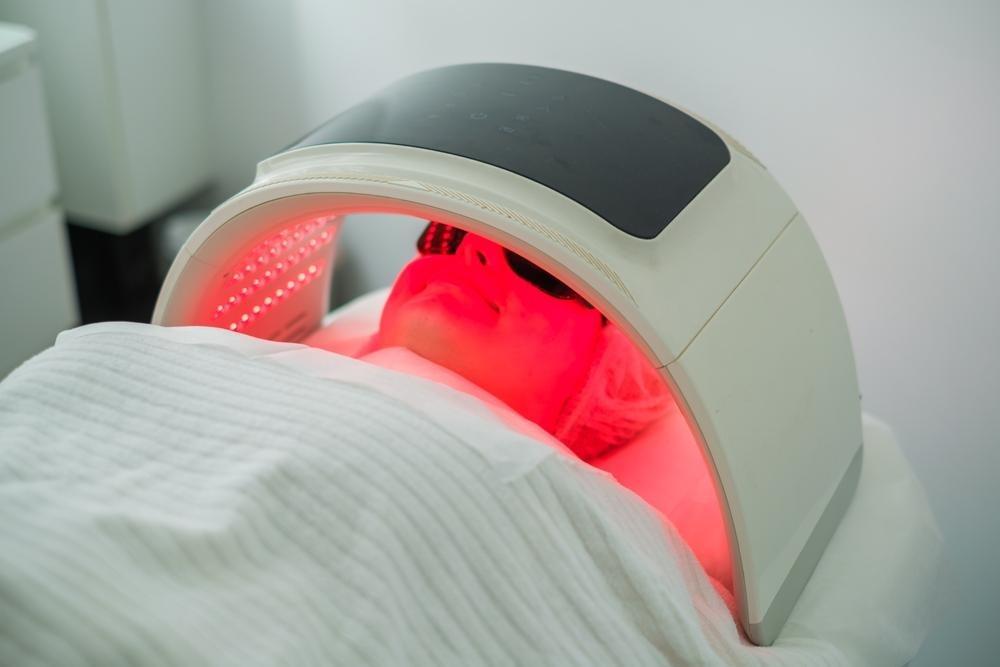
But if the issue is persistent pigmentation, post-acne marks, significant uneven texture, or loss of firmness, don’t expect one standard facial to solve it in an hour. These concerns may require a series of treatments or an entirely different type of treatment. Even within laser treatments, there is a significant difference between light skin resurfacing and deeper resurfacing, and the choice depends on the specific concern and the recovery time you’re willing to allow.
Don’t Confuse Dryness, Dehydration, and Oily Skin
Your skin type alone doesn’t always point to the right treatment. Oily skin can also be dehydrated, while dry skin can still have clogged pores.
That’s why aggressive cleansing isn’t necessarily a good solution for oily skin. If your skin feels excessively dry or irritated after a treatment, that doesn’t mean the treatment is “working harder.” Over-cleansing or over-exfoliating may simply be inappropriate for your skin’s current condition.
Likewise, dry skin doesn’t always need the most intensive moisturizing treatment available. First, you need to understand whether the main issue is a lack of lipids, dehydration, a buildup of surface cells, or a combination of these factors.
Choose a Treatment Based on the Main Concern
Once you’ve identified your primary goal, the choice becomes much easier.
For surface-level dryness, dehydration, dullness, and simply wanting to refresh the skin, hydrating and basic customized facials are often considered. They may combine cleansing, gentle exfoliation, and hydration, with the specific steps adjusted depending on the condition of your skin.
For clogged pores and comedones, a deeper cleansing treatment with extractions may make more sense if your skin tolerates them well. Extractions directly target the removal of material from clogged pores, but they are not a universal solution for every type of acne.
For uneven texture and some types of post-acne scarring, treatments that stimulate skin renewal, including microneedling, may be considered. Chemical peels or light and laser treatments may be used for uneven skin tone and certain types of pigmentation. But this is especially important: don’t choose a treatment based on its name alone. The cause of the change in skin color matters when choosing a method.
For early signs of aging, fine lines, or loss of firmness, there are also several different approaches – from surface-level renewal to treatments designed to stimulate collagen or tighten the skin. They have different goals, levels of intensity, and recovery times, so “anti-aging facial” shouldn’t be treated as a universal category.
Consider How Much Recovery Time You’re Willing to Give Your Skin
A treatment should be chosen not only based on its potential results, but also on what happens afterward.
If you have an important meeting, photoshoot, or beach day tomorrow, a deep treatment with noticeable downtime may be a poor choice, even if it fits your long-term goal well.
Before booking, ask whether redness, peeling, swelling, or increased sun sensitivity are possible, how long they typically last, and what restrictions you’ll need to follow after the treatment. For Tampa Bay residents, this is especially important: sun exposure and outdoor activities can affect how convenient it is to schedule certain treatments.
Mention Everything You’re Already Doing for Your Skin
A professional treatment doesn’t exist separately from your at-home skincare routine.
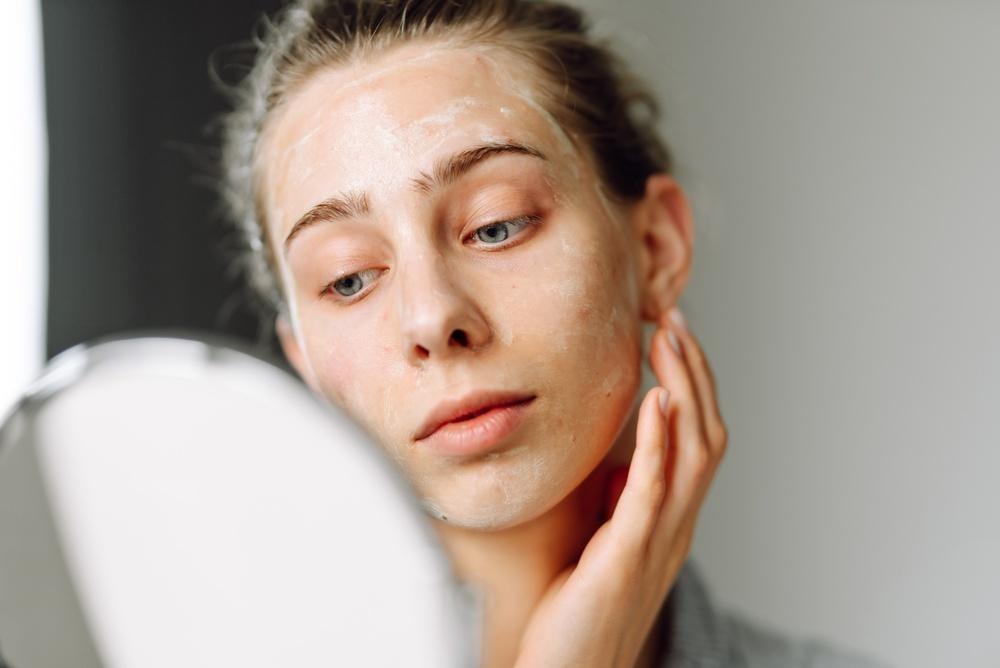
Before your appointment, tell your specialist which products you use, especially if your routine includes active ingredients or prescription medications. It’s also important to mention any recent treatments, irritation, sunburn, or other changes in your skin.
Sometimes the best solution isn’t to add another treatment, but to take a break, simplify your routine, or restore your skin barrier first.
Don’t Try to Treat Every Problem With a Facial
There are situations when the issue goes beyond ordinary cosmetic skincare.
A persistent rash, unexplained spots or growths, severe inflammation, pronounced redness, sudden skin changes, or a problem that keeps coming back may require evaluation by a dermatologist. An esthetician can help with the appearance and care of your skin, but they don’t replace a doctor when it comes to diagnosing and treating skin conditions.
This is also a good reason not to assume that a more expensive or more intensive treatment is automatically better. If the underlying cause requires medical treatment, a stronger cosmetic treatment may not be the right solution.
Ask Why Each Step of the Treatment Is Needed
If you’re offered several treatments or add-on steps, you don’t have to agree to everything at once.
A simple and reasonable question to ask a specialist is: “What specific problem is this supposed to address?” If the answer is connected to your main goal and you understand why the step is necessary, it becomes easier to make a decision.
It’s also worth asking whether there is a less intensive alternative, how many sessions you may need, and what results you can realistically expect. A good plan shouldn’t consist of the maximum number of treatments simply because they’re available on the menu.
Define Your Goals and Discuss Them With Your Esthetician
Before your appointment, it’s helpful to think about what concerns you have about your skin and what results you’d like to achieve – but that doesn’t mean you need to determine an exact diagnosis on your own.
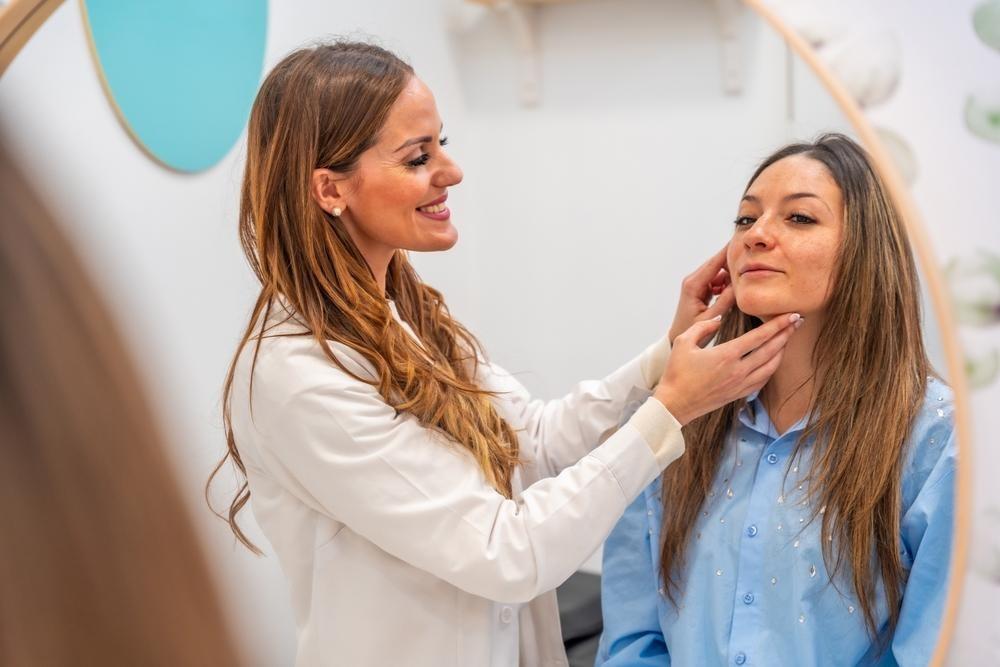
An esthetician can assess the condition of your skin, identify its needs, and help you understand which approach may be most appropriate. During the consultation, tell them about your goals, at-home skincare routine, previous treatments, skin sensitivity, and any limitations you may have. Based on this information, the specialist can recommend an appropriate treatment or explain why another option may be safer and more effective.
On Tampa BayTide, you can browse estheticians and compare available specialists. And if you’re not sure what to look for when choosing a professional, our article “What to Look for When Choosing an Esthetician” can help you evaluate a specialist’s experience, approach to consultations, and ability to work with individual client needs.
The best results come from collaboration between the client and the esthetician: you describe your goals, and the specialist helps determine which method best matches your skin’s condition and the results you want. This approach can help you avoid spending money on random treatments and build a skincare plan that truly addresses your skin’s actual needs.


ABOUT TampaBayTide
FOR BUSINESS