


The Museum Where Modern Tampa Began


You'll instantly recognize the building with its gleaming silver minarets – one of Tampa's most iconic landmarks. Every day, students walk past it, visitors photograph it from the riverfront, and the University of Tampa campus continues to be one of the region's most recognizable architectural treasures. What many people don't realize is that inside this historic building is a museum that tells the story of the moment Tampa began its transformation into the modern city we know today.
The Henry B. Plant Museum is much more than a collection of Victorian furniture and antiques. It's the story of how one visionary helped shape the future of an entire region.
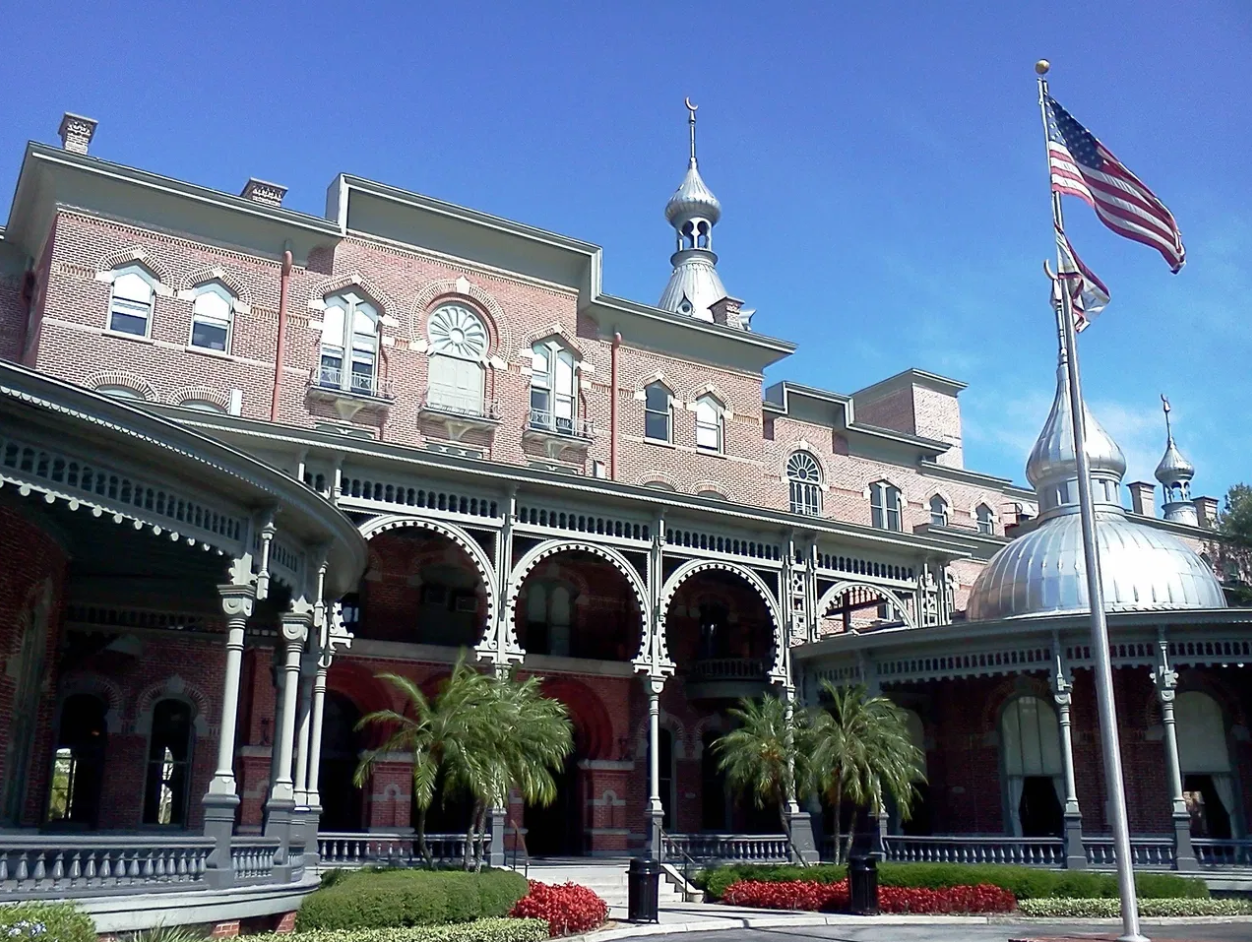
In 1891, railroad entrepreneur Henry Bradley Plant opened the Tampa Bay Hotel, one of the most luxurious resort hotels in America at the time.
In the late 19th century, Tampa was still a relatively small town. Plant believed that if he connected the area by modern railroad and built an extraordinary luxury hotel, wealthy Americans would begin traveling to Florida for winter vacations. His vision proved to be remarkably successful.
The hotel featured electric lighting, elevators, telephones, beautifully landscaped gardens, exotic architecture, and elegant interiors filled with furniture and artwork imported from Europe and Asia. For its era, it represented the height of luxury and helped put Tampa on the nation's tourism map.
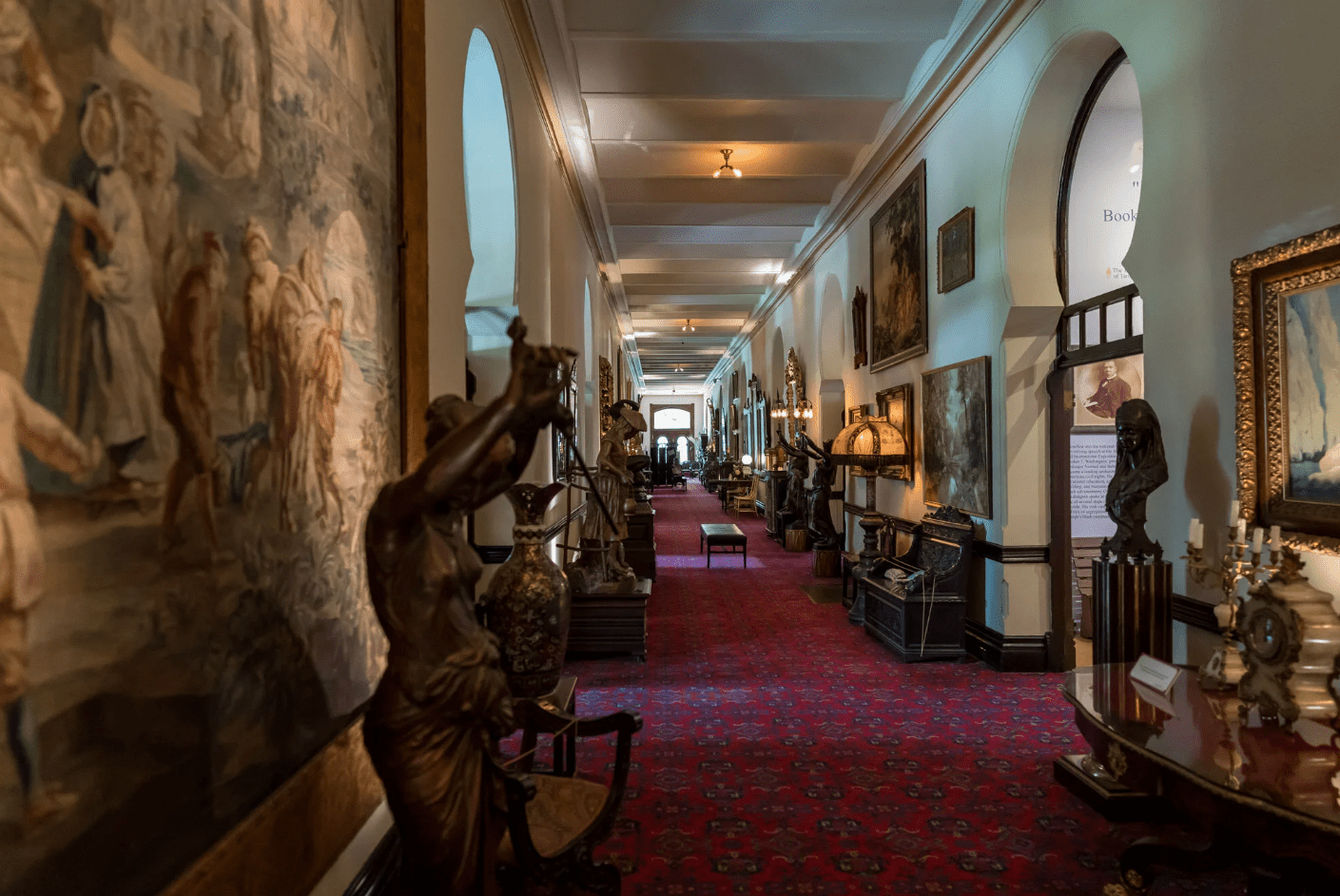
Unlike many historic museums where period rooms have been carefully recreated, the Henry B. Plant Museum occupies part of the original Tampa Bay Hotel itself.
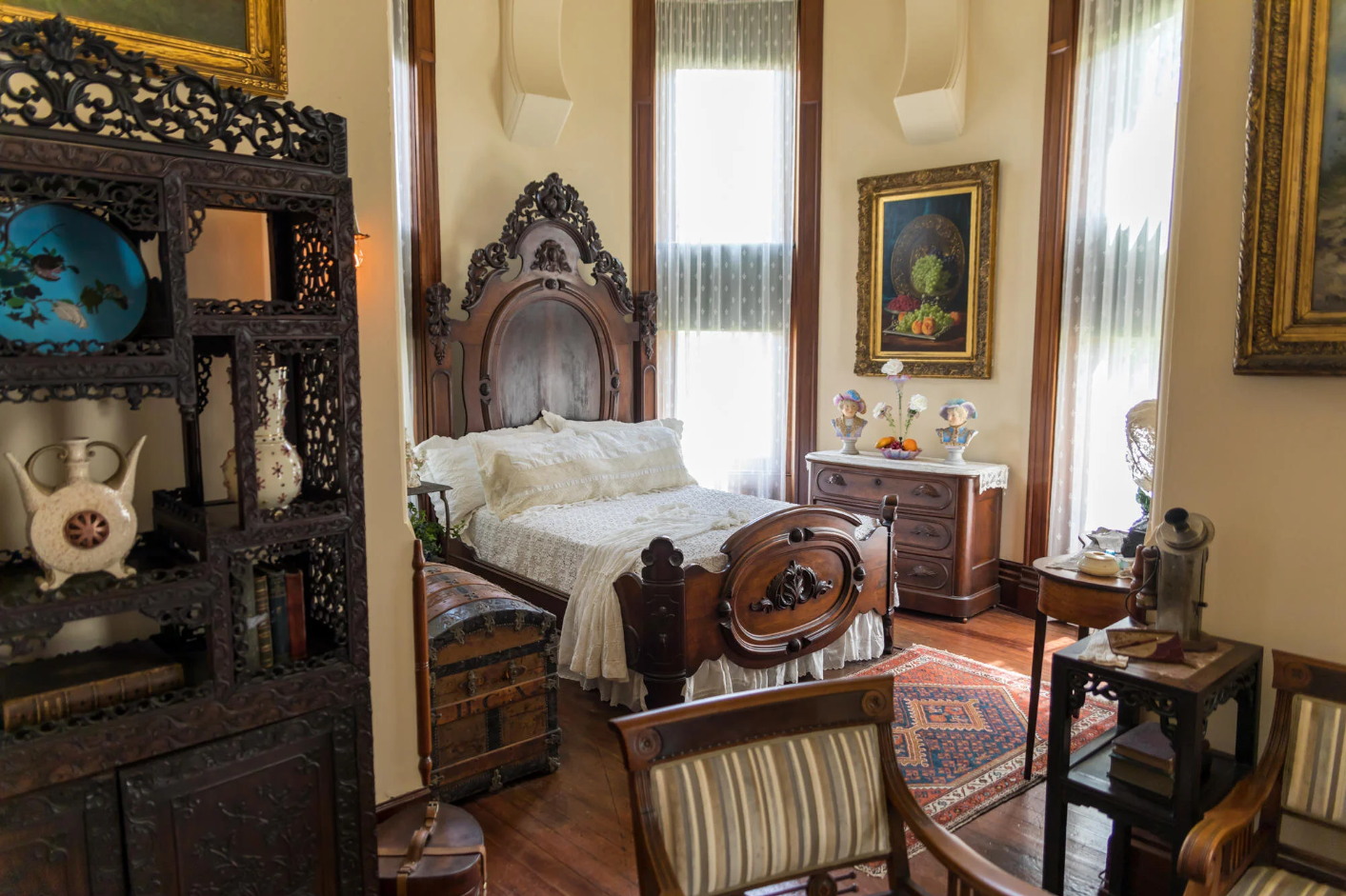
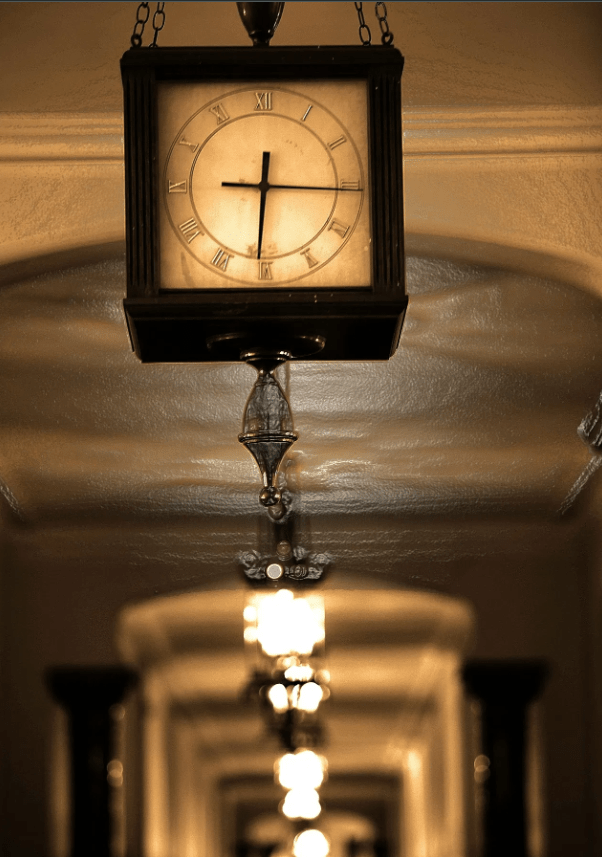
Many of the original rooms, furnishings, decorative details, paintings, and artifacts have been preserved, allowing visitors to experience the same spaces that guests admired more than a century ago. Walking through the museum offers a glimpse into the scale and elegance of this grand resort, where you can imagine what life was like for America's wealthy travelers during the Gilded Age – from lavish parlors and beautifully crafted furniture to personal belongings once owned by the Plant family.
The museum's exhibits go far beyond the story of the hotel itself. They explore how the expansion of the railroad transformed Central and West Florida, fueled the state's growing tourism industry, and helped establish Tampa as one of Florida's most important transportation hubs in the late 19th century.
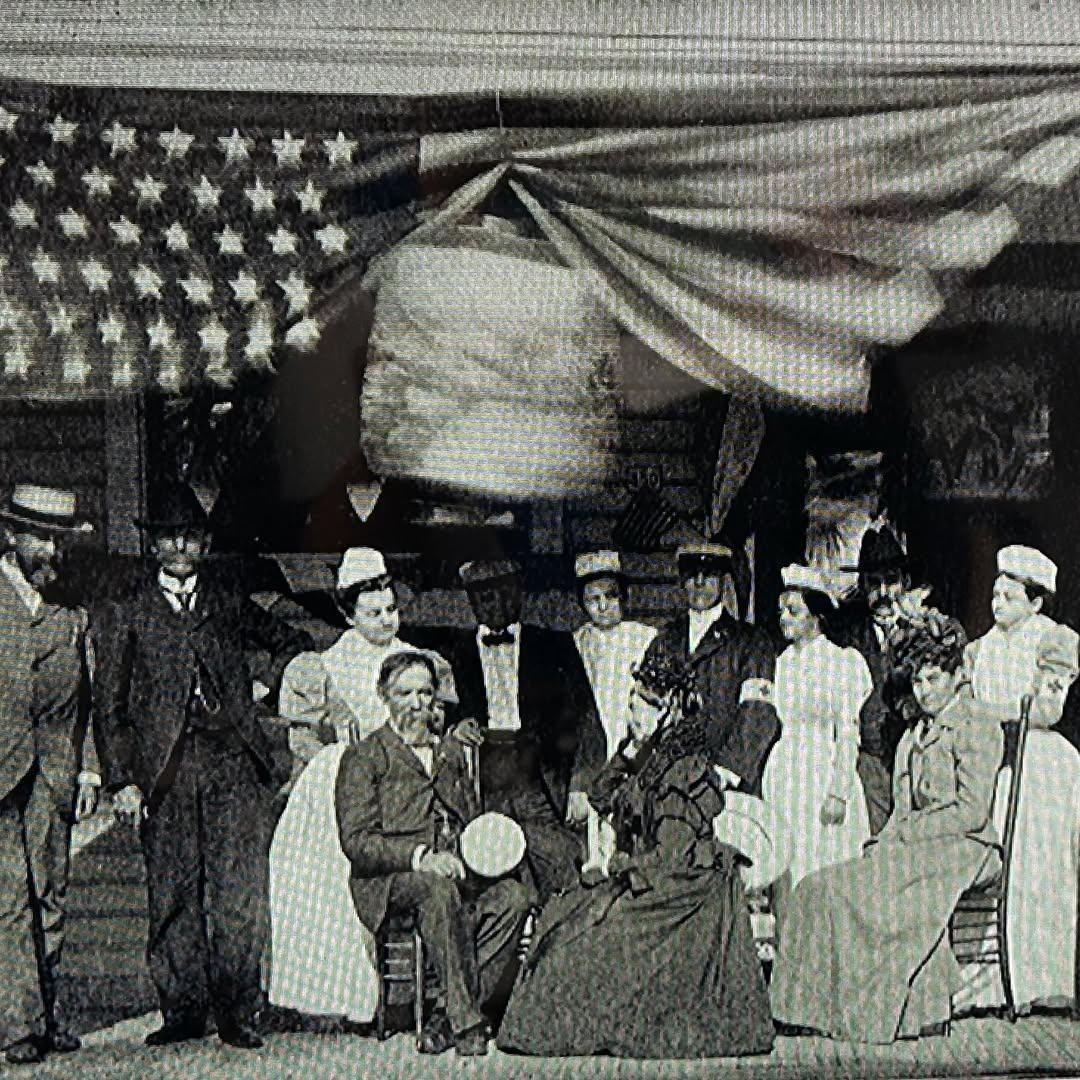
Another fascinating section focuses on the Spanish-American War of 1898. During the conflict, the Tampa Bay Hotel served as headquarters for the U.S. Army. Thousands of soldiers passed through the city, including future U.S. President Theodore Roosevelt and his legendary Rough Riders.
Although the museum is just a short walk from the Tampa Riverwalk, stepping inside feels like entering a completely different world. The atmosphere is quiet and unhurried, without the crowds often found at popular attractions. Visitors can explore the exhibits at their own pace, taking time to appreciate the intricate interiors and historic artifacts. It's an especially enjoyable place to visit on a hot summer afternoon or during one of Florida's frequent rain showers.
Plant Hall remains one of Florida's most recognizable buildings. Its distinctive Moorish Revival architecture, long open verandas, and famous silver minarets are unlike anything else in the region. More than simply a beautiful landmark, it's a place that helps explain how modern Tampa became the city it is today.


ABOUT TampaBayTide
FOR BUSINESS