


The Island Where the Story of Fort De Soto Begins

Fort De Soto is known for its beaches, biking trails, kayaking, and camping. But the park occupies only part of Mullet Key – an island that existed long before the fort was built and has served as a fishing settlement, a military installation, and an important natural preserve.
The next time you visit Fort De Soto, it's worth knowing a little more about the island beneath your feet.
Why Is It Called Mullet Key?
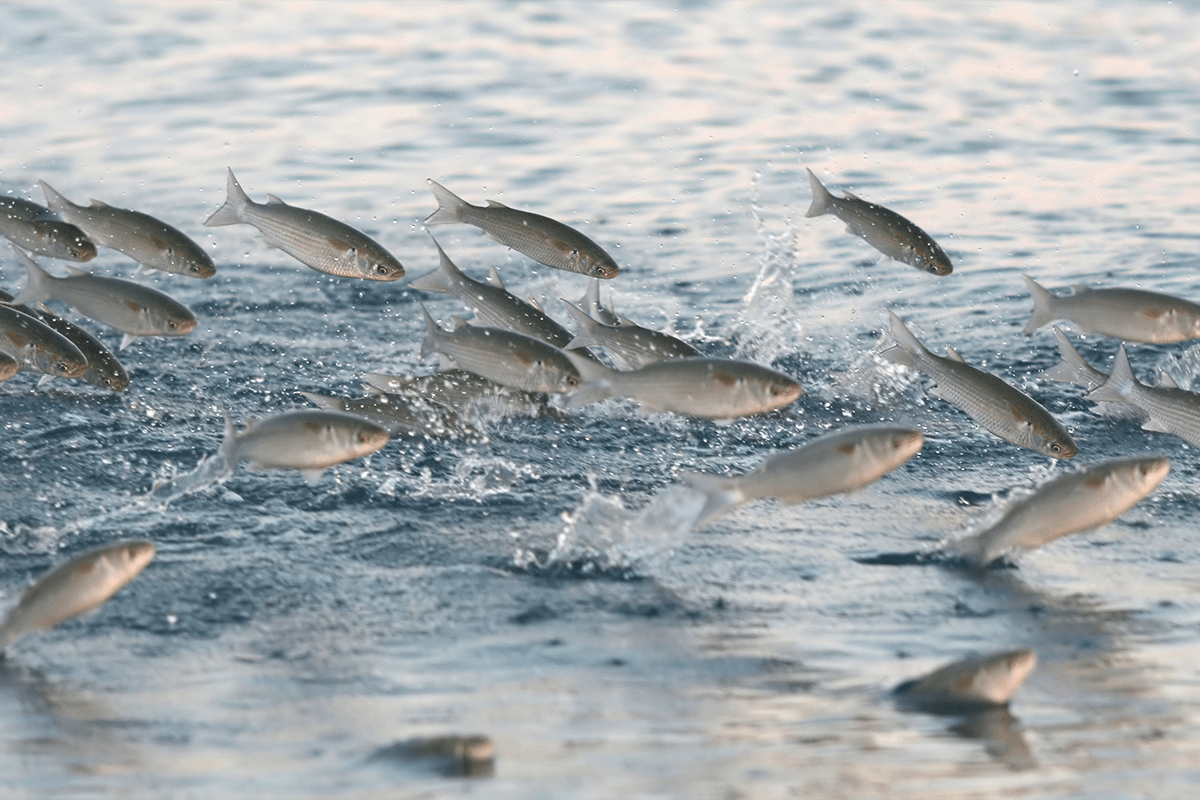
The island takes its name from the mullet, a fish that has filled the surrounding waters for centuries. Long before modern cities appeared, these waters were rich with fish, and local residents and fishermen used the island as a convenient base.
Long before Europeans arrived, these islands were part of the homeland of the Tocobaga people. Archaeologists have discovered shell mounds and other evidence of Indigenous life here, reflecting how the area's earliest inhabitants relied on the abundant natural resources of Tampa Bay.
Later, Mullet Key became an important landmark for sailors and fishermen because of its location at the entrance to Tampa Bay. Its strategic position would go on to shape the island's future.
In the late 19th century, following the Spanish-American War, the United States decided to strengthen its coastal defenses. Because the entrance to Tampa Bay was considered strategically important, a state-of-the-art coastal fort was built on Mullet Key.
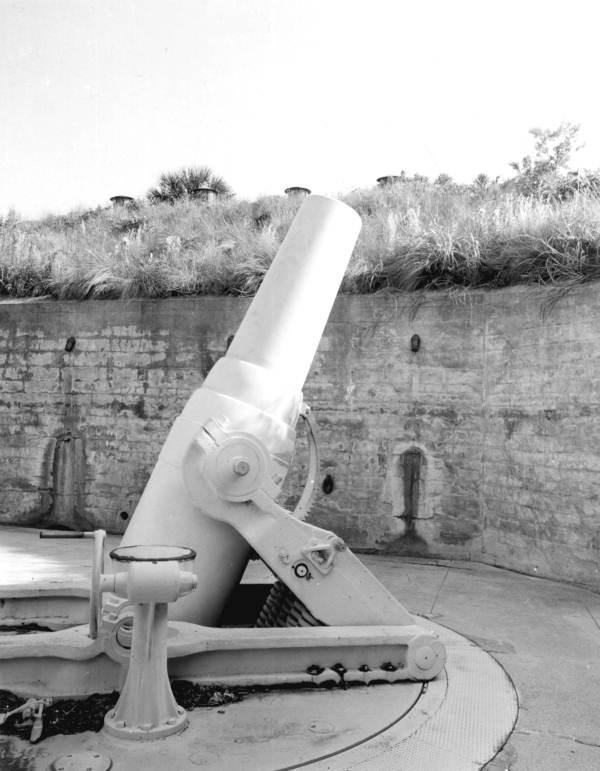
The fort was named after Spanish explorer Hernando de Soto. It featured large-caliber artillery, barracks, ammunition magazines, and even its own railroad for transporting shells.
Interestingly, the fort never saw combat. Within a few decades, advances in military technology made coastal fortifications like this far less effective. Today, visitors can still see the original gun batteries, artillery positions, and many of the fort's historic structures.
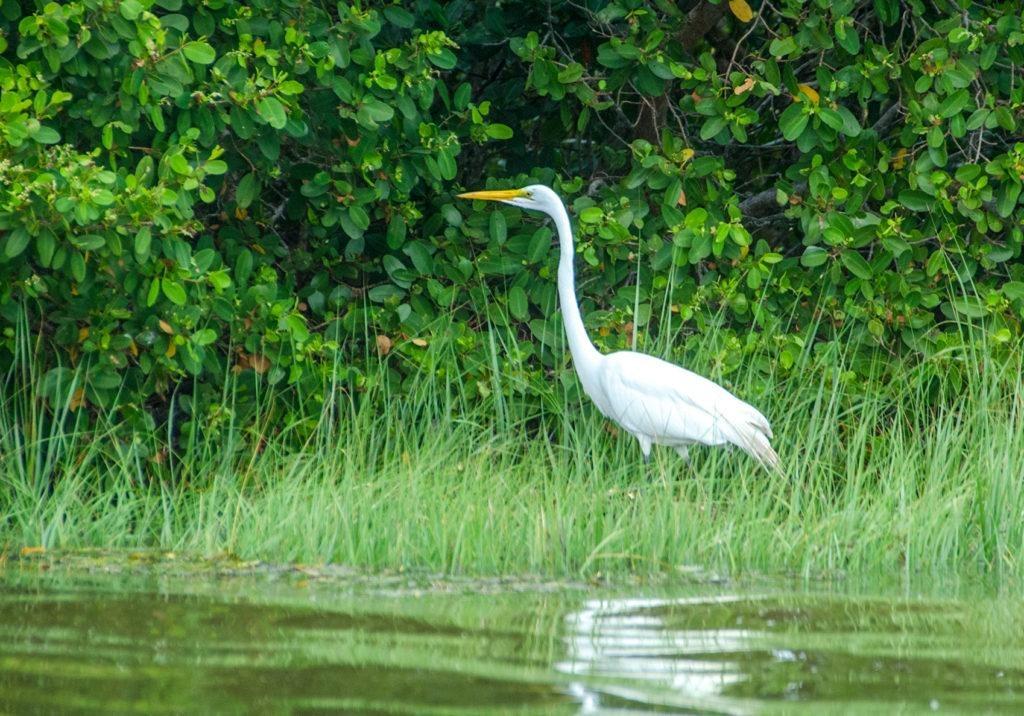
Today, Mullet Key is best known as the home of Fort De Soto Park, but its natural significance is just as remarkable as its history. The island is home to mangrove forests, salt marshes, dunes, and coastal habitats that support hundreds of bird species. While exploring the park, it's common to spot herons, pelicans, roseate spoonbills, ospreys, and many other coastal birds. Mullet Key is part of one of the Gulf Coast's most important habitats for migratory birds.
The waters surrounding the island are also frequently visited by dolphins and manatees, while several species of sea turtles come ashore during nesting season.
Even if Fort De Soto feels familiar, it's worth seeing it from a different perspective – as part of an island whose story began long before the park itself existed. Mullet Key is the kind of place people return to again and again to spend a weekend with family, ride bikes, paddle a kayak, watch birds, or simply enjoy a Gulf Coast sunset from the beach.


ABOUT TampaBayTide
FOR BUSINESS