


The Florida Region That Will Change the Way You See the State

Most Tampa Bay residents know the Gulf Coast beaches well. Clearwater, St. Pete Beach, Anna Maria Island, and Siesta Key have long been part of everyday life. But drive just a few hours farther northwest, and Florida changes so dramatically that it feels like you've crossed into another state.
The Florida Panhandle is home to dazzling white quartz beaches, emerald-green water, towering sand dunes, pine forests, crystal-clear springs, and historic towns with centuries of history. It's an ideal destination for a long weekend or a summer road trip if you're looking to experience a completely different side of Florida.
The first thing that surprises almost everyone is the color of the water.
Around Destin, Pensacola, and Panama City Beach, the Gulf glows with vibrant turquoise shades that look more like the Caribbean than what many people expect from Florida. The reason is simple: the coastline here is made up of exceptionally pure quartz sand that was carried from the Appalachian Mountains millions of years ago. That brilliant white sand is what gives the water its remarkable clarity.
The second surprise is the scale of the natural landscape.
The Panhandle has far more undeveloped coastline, state parks, and protected natural areas than much of the rest of Florida. Even between popular beach towns, it's easy to find stretches of shoreline where the only things around you are the waves, dunes, and pine trees.
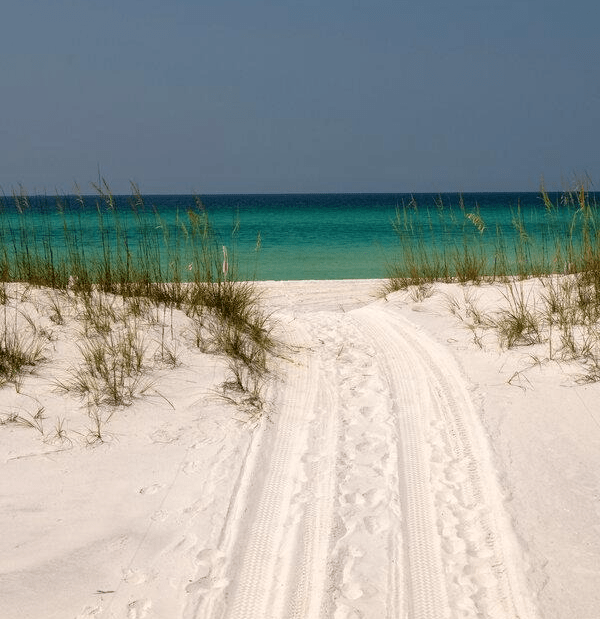
One of the first things nearly everyone notices on their first visit to the Florida Panhandle is the incredibly white sand. It's often compared to powdered sugar – and that's no exaggeration.
The sand is made almost entirely of pure quartz. Millions of years ago, quartz-rich rocks in the Appalachian Mountains gradually broke down through the effects of wind, rain, and freezing temperatures. Rivers carried the tiny quartz crystals hundreds of miles south until they reached the Gulf of Mexico. Over time, waves and currents polished each grain, making the sand exceptionally fine and soft.
This nearly pure white quartz reflects sunlight, giving the water its signature emerald and turquoise hues. Quartz also absorbs much less heat than darker sand, so even on hot summer days, walking barefoot along the beach is surprisingly comfortable.
If you're planning your first trip to the Panhandle, a few places deserve a spot on your itinerary.
Destin
Known as the "World's Luckiest Fishing Village," Destin is famous for much more than fishing. It's one of the best places to see the iconic emerald water featured in so many Florida travel photos. Henderson Beach State Park and HarborWalk Village are especially worth visiting.
Pensacola Beach
A quieter alternative with wide beaches, a long fishing pier, and spectacular sunsets. Nearby, Gulf Islands National Seashore protects one of the best-preserved stretches of natural coastline along the Gulf of Mexico.
Grayton Beach
If you'd rather avoid the biggest crowds, this is where many Floridians go. Grayton Beach State Park offers scenic bike trails, kayaking, and rare coastal dune lakes found in only a handful of places around the world.
Some of Florida's most remarkable natural attractions are also found here in the Panhandle.

The region is home to many of Florida's famous freshwater springs, where the water stays around 68°F (20°C) year-round. Many of these springs are fed by Florida's vast underground aquifer system, keeping the water crystal clear in every season. Unlike the Gulf, you can swim in calm, refreshing water, watch fish glide beneath the surface, or paddle a kayak down spring-fed rivers. If you're looking for a break from Florida's summer heat, few places are more refreshing.

Many state parks feature towering sand dunes that rise dozens of feet above the shoreline, creating landscapes that feel more like the Atlantic coast than the Florida many people know. These dunes are far more than beautiful scenery – they play a vital role in protecting the coastline from storms. Native plants stabilize the sand with their roots, allowing the dunes to recover naturally over time. That's why many parks have elevated boardwalks, giving visitors incredible views while protecting these fragile ecosystems. During spring and summer, sea oats, grasses, and wildflowers add even more color to the landscape.
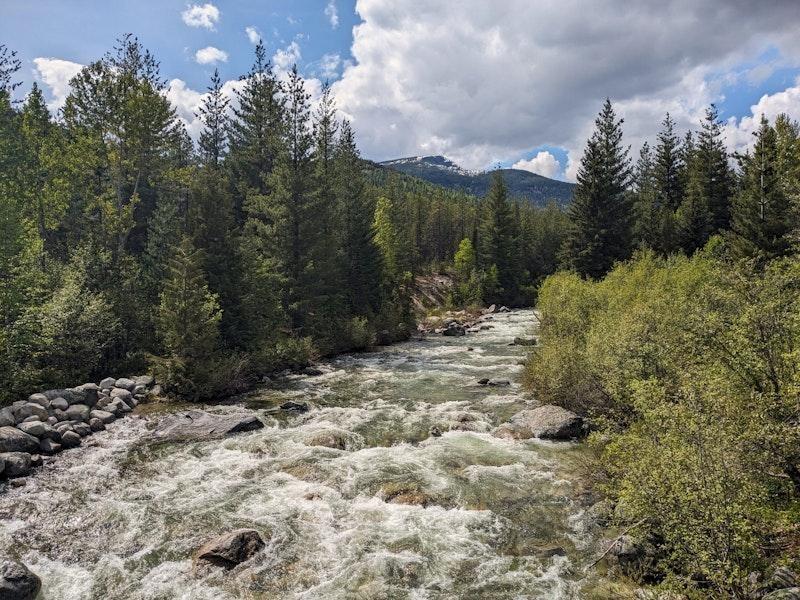
Unlike the subtropical scenery around Tampa Bay, the Panhandle is known for vast pine forests, long hiking trails, and even rolling hills – a rare sight in much of Florida. Many state parks offer miles of hiking and biking trails where you might spot gopher tortoises, white-tailed deer, foxes, colorful songbirds, and, if you're lucky, even the Florida black bear. This diversity of landscapes is one of the Panhandle's greatest strengths: in a single trip, you can spend the morning on a sugar-white beach and the afternoon walking through cool pine forests.
A Side of Florida History You Won't Find in Central Florida
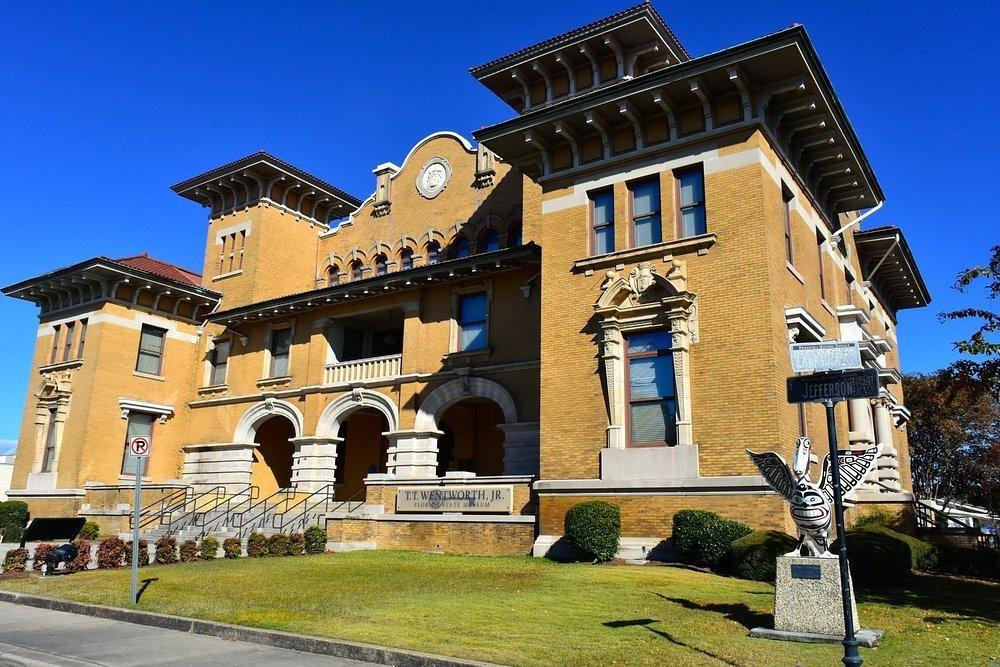
The Panhandle is much older than most cities in Central and South Florida and is home to some of the earliest European settlements in what is now the United States. Historic districts, centuries-old forts, museums, and colonial architecture give the region a distinctly Southern character that's very different from Florida's modern resort towns. If you enjoy history, it's well worth setting aside a day to explore one of its historic downtowns.
Depending on your destination, the drive from the Tampa Bay area takes about 6 to 8 hours, making the Panhandle better suited for a long weekend or a short vacation than a day trip. Once you arrive, however, you'll discover a side of Florida that feels entirely different from the one you thought you knew.


ABOUT TampaBayTide
FOR BUSINESS