


Outdoor Furniture for Florida: What to Look for Before You Buy


An outdoor space in Florida often becomes an extension of your living space. A patio, lanai, pool deck, or even a small balcony can be a place for morning coffee, a family dinner, or an evening with friends. But furniture for these spaces has to withstand much more than simply being outdoors.
In Tampa Bay, outdoor furniture regularly faces bright sun, high humidity, summer downpours, heat, and strong winds. For homes closer to the coast, there is also exposure to salty air. So when choosing furniture, it is worth thinking not only about how it looks in the store, but also about how it will hold up outdoors after several seasons.
We covered tips on budgeting, delivery, warranties, and other aspects of buying furniture in our previous article, “Smart Furniture Shopping: What to Know Before You Buy,” while this article takes a closer look at what matters when choosing furniture for an outdoor space in Tampa Bay.
Consider How Exposed Your Space Is
The first question is not which table you like, but where exactly it will be placed.
A completely open patio gets the most sun and rain. A covered patio or screened-in lanai may provide some protection for your furniture, but they do not eliminate exposure to humidity. In a pool area, furniture will regularly come into contact with water, wet towels, and skincare products.
That means the same model may be perfectly practical for a covered lanai but less suitable for an open pool deck. Before buying, consider how much direct sunlight the area gets throughout the day, whether rain reaches it, and how well the surfaces dry afterward.
Constant sun can quickly fade fabrics, plastics, and some finishes, so for open areas, it is better to choose materials with UV resistance: aluminum with a quality powder-coated finish, synthetic wicker, and outdoor fabrics designed for extended outdoor use. During the wet season, it is important that water does not remain trapped inside the furniture: aluminum frames, mesh surfaces, and quick-dry foam in cushions dry faster after rain and handle high humidity better than solid materials or regular indoor textiles.
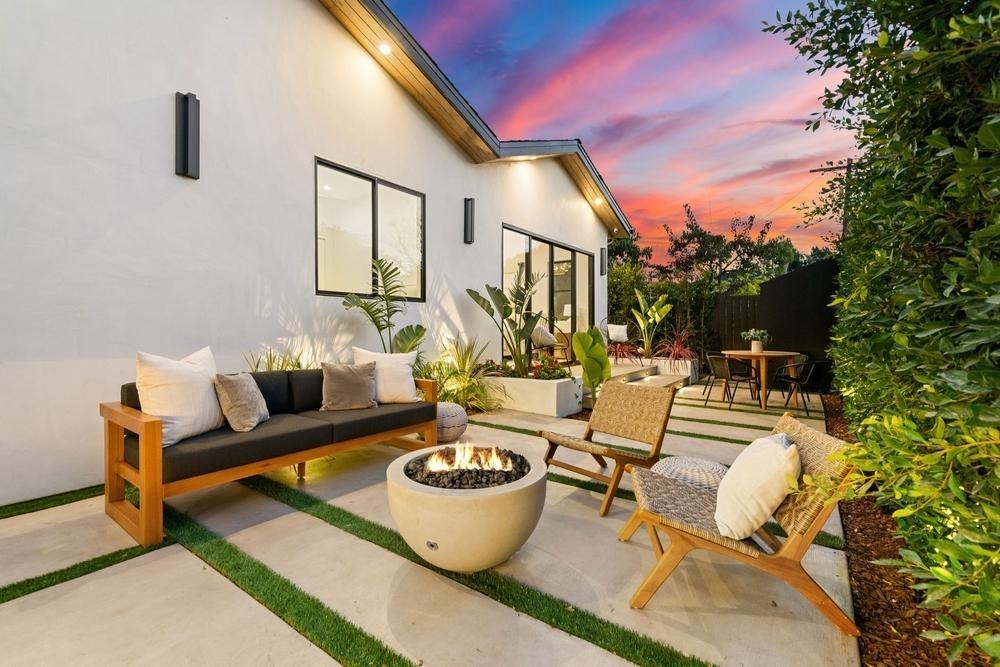
Choose the Frame Material Based on How You’ll Use the Furniture
The construction material largely determines how much attention the furniture will require in the future.
Aluminum is often a practical choice for Florida patios. It is lightweight, does not rust like ordinary steel, and generally does not present the same scale of corrosion concerns. At the same time, its light weight can be a disadvantage in very windy conditions: a lightweight table or chair is easier to move or tip over.
Steel is stronger and heavier, but a quality protective coating is especially important here. If the surface is damaged and the metal is left without proper protection, corrosion can become a problem in a high-humidity environment.
Natural wood is a good choice for those who want a more natural look. Teak, in particular, has long been used for outdoor furniture because of its properties. But it is important to decide in advance whether you like the natural aging of wood or want to regularly maintain its original color, which will require additional care.
If you like the look of wicker furniture, look for synthetic wicker or resin wicker. For outdoor use, this is a more practical option than natural wicker, but it is also worth checking what the internal frame is made of. An aluminum frame is generally the best choice because it is lightweight, moisture-resistant, and does not tend to rust. A steel frame may be stronger, but it should have a quality corrosion-resistant coating. Avoid untreated steel and ordinary metal, which can start rusting quickly in Tampa Bay’s humid climate.
Don’t Choose Cushions the Same Way You Would Choose Living Room Furniture
With outdoor furniture, textiles are often the first thing to show the effects of sun, moisture, and regular use.
For cushions and upholstery, look for materials specifically designed for outdoor use. UV resistance helps fabric retain its color longer, while mildew resistance is especially important in a humid climate.
A useful feature for furniture that gets wet regularly is quick-dry foam. These cushions are designed to allow water to drain more quickly and dry faster after rain or contact with the pool.
It is also worth checking whether the covers are removable and how easy they are to clean. Even the most durable outdoor fabric will require care if the furniture is used regularly.
Pay Attention to Sun Exposure
Rain is usually easy to recognize as a threat to outdoor furniture, while constant sun exposure is often underestimated.
In sunny Tampa Bay, furniture spends a lot of time under direct sunlight. Over time, UV exposure can affect fabric color, plastic components, metal finishes, and other materials.
So if a particular set will be placed on a completely exposed south- or west-facing side of the house, it is worth paying especially close attention to its UV resistance. Sometimes it is more practical to choose a lower-maintenance material or plan for shade than to try to protect the furniture after the first signs of fading appear.

Decide Whether You’ll Need to Move the Furniture Regularly
In Florida, the weather can change your plans very quickly, so the mobility of outdoor furniture can sometimes matter just as much as its appearance.
For an open patio, it can be convenient to have chairs that are easy to move under cover or furniture that can be folded into a compact form. At the same time, items that are too lightweight can become inconvenient during strong winds.
So it is worth thinking ahead about what will happen to the furniture before a storm. If every chair has to be brought inside each time, a large set can quickly stop feeling practical.
Think About Storage Space
You do not necessarily need to store the entire patio set in the garage, but some parts may need protection.
Cushions, umbrellas, and small decorative items are easier to put away if you have a dry place for them. For a small condo patio, this can be especially important because extra volume can quickly become a problem.
If you plan to leave the furniture outdoors permanently, check the manufacturer’s recommendations for covers, cleaning, and seasonal storage before buying.
A Pool Area Requires a Different Approach
A pool area creates its own conditions for furniture. Surfaces get wet regularly, sunscreen and other products can get on them, and cushions may come into contact with wet clothing and towels.
For this type of area, surfaces that are easy to wipe down and materials that dry quickly are especially convenient. Good options to consider include solution-dyed acrylic, such as Sunbrella, as well as quality polyester with UV- and mildew-resistant treatment. If you choose upholstered furniture, pay attention to the filling: quick-dry foam with an open-cell structure allows water to drain faster, does not trap moisture inside, and reduces the risk of mold and mildew. Foam density, water permeability, and the ability to quickly regain its shape after getting wet and with regular use are also important.
This is one situation where a beautiful lounge chair or sofa is not necessarily the best choice. If the furniture is difficult to clean or stays damp for a long time, it will be less enjoyable to use.
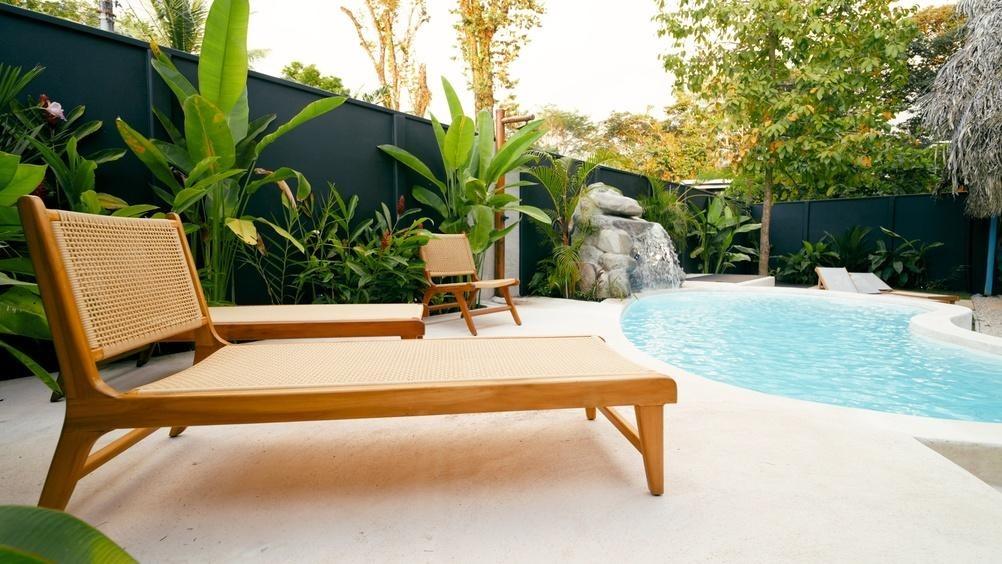
Pay Attention to Hardware Near the Water
For homes in coastal areas, salty air becomes an important factor. It affects not only the main furniture structure but also small metal components.
When choosing furniture, ask about the material used for the hardware – screws, bolts, fasteners, and other metal components. For coastal conditions, stainless steel hardware is a better choice, particularly 304 stainless steel or, even better, marine-grade 316 stainless steel. These materials should be resistant to corrosion, salty air, and constant moisture. A high-quality frame will not save the set if the hardware quickly starts to rust or lose its strength.
The closer the furniture is to direct exposure to ocean or bay air, the more important corrosion resistance and the quality of the protective finish become.
Check How Easy the Furniture Is to Clean
Outdoor furniture will inevitably get dirty. Dust, leaves, rainwater, food, and marks from wet swimsuits are all a normal part of patio life.
So before buying, it is useful to look at the furniture from more than just the front. Check whether there are hard-to-reach areas where water or dirt could collect, how easy the surfaces are to wipe down, and whether textile elements can be removed for cleaning.
The easier the furniture is to maintain, the more likely it is to stay in good condition without becoming a constant chore.
Don’t Choose Outdoor Furniture Based on Design Alone
Outdoor furniture can be attractive enough that it is easy to forget its main purpose – to remain outdoors in conditions that would be unfavorable for ordinary furniture.
So the right order of selection is simple: first determine the conditions the furniture will face, then choose the appropriate materials and construction, and only after that choose the color, shape, and style.
Once you know what type of furniture you need, you can move on to finding the right store. On TampaBayTide, you can browse Tampa Bay furniture stores and compare the available outdoor collections there.
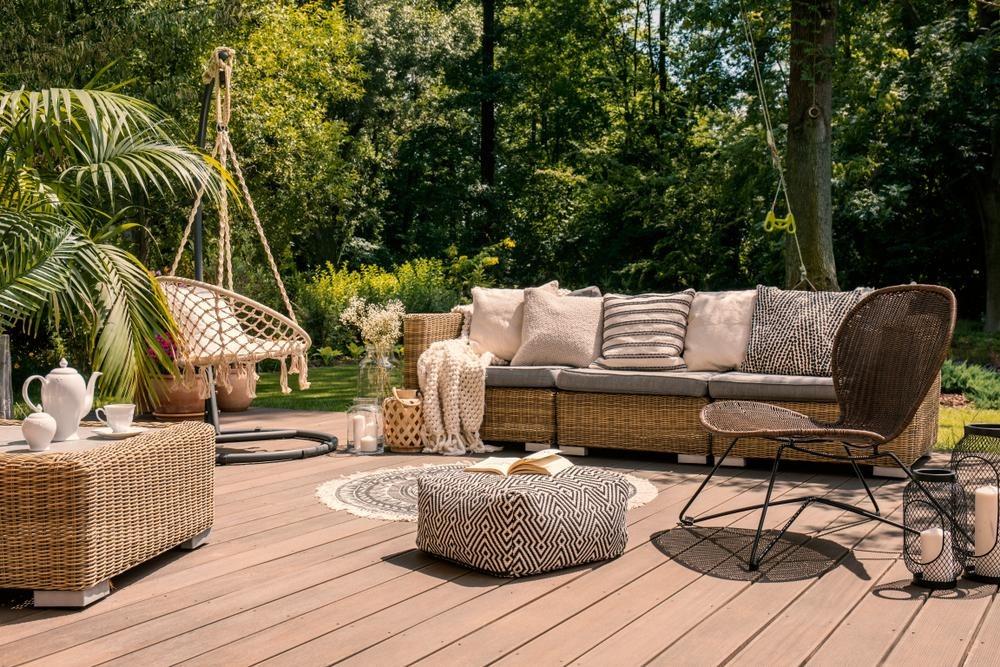
There is no perfect material or universal patio set. Resistance to sun and easy maintenance, quick drying around the pool, resistance to wind and salty air – each of these criteria may be the most important one for you. That is why the best outdoor furniture is the furniture that suits the specific place where it will be used and how you plan to use it.


ABOUT TampaBayTide
FOR BUSINESS