


New Construction vs. Existing Homes: Which Is the Better Choice?


Buying a home is one of the biggest financial decisions you'll ever make, and every buyer eventually faces the same question: should you choose a newly built home or buy an existing house or condo? There's no one-size-fits-all answer, since each option comes with its own advantages and drawbacks.
In Florida, this decision is especially relevant. New communities and residential developments continue to appear across the state, while the market also offers plenty of homes and condos that were built decades ago. Some buyers want a modern home that won't require major repairs for years, while others prefer established neighborhoods with mature trees and well-developed infrastructure.
When comparing your options, don't focus solely on the purchase price. Future maintenance costs, insurance premiums, potential repairs, neighborhood characteristics, and even Florida's climate-related risks all play an important role. That's why it's important to evaluate not only the home itself, but also how well it fits your current lifestyle and your long-term needs.
New Construction: Modern Living With Fewer Immediate Repairs
One of the biggest advantages of new construction is that everything is brand new – from the foundation to the home's major systems. Buyers can often choose floor plans, finishes, flooring, cabinetry, and other design features while the home is still being built, allowing them to move in without immediately planning expensive renovations.
New homes are also built using modern materials and energy-efficient technologies. Better insulation, high-performance windows, efficient HVAC systems, and new appliances can significantly reduce monthly utility bills.
Many new communities in Florida also offer amenities such as swimming pools, fitness centers, playgrounds, clubhouses, dog parks, walking trails, and other shared recreational spaces. For many families, these community features are one of the biggest reasons to choose a new development.
Another benefit is that builders typically provide warranties covering certain structural components and major home systems. While problems can still occur, the likelihood of facing major unexpected repair costs during the first few years is generally lower.
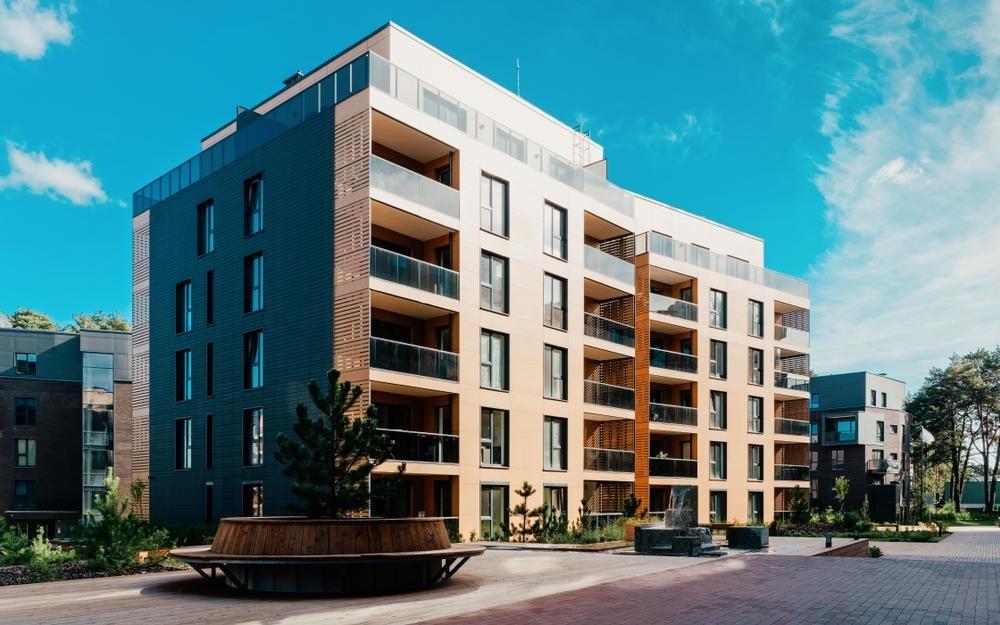
Despite these advantages, new construction also comes with several important considerations.
The first is cost. Newly built homes are often more expensive than comparable existing properties. In addition to the base price, builders frequently offer upgraded finishes, premium materials, and optional features that can significantly increase the final purchase price.
Another factor is Homeowners Association (HOA) fees. While HOAs are common in many older neighborhoods as well, monthly dues in newer communities are often higher because they help maintain pools, fitness centers, parks, security, and other shared amenities.
It's also important to remember that a brand-new neighborhood doesn't necessarily mean a fully developed community. Construction may still be ongoing, roads may not be complete, and nearby stores, schools, and restaurants may still be under development. If having everyday conveniences within walking distance is important to you, be sure to verify what's already available.
If you're buying a single-family home, the lot may also be smaller than those found in older neighborhoods. Newly planted trees provide little shade, and landscaping can look sparse compared to communities that have been established for several decades.
Finally, don't assume that a newly built home will be completely free of problems. Like any construction project, it can have minor defects or workmanship issues that don't become apparent until after you move in. That's why many buyers still hire an independent home inspector before closing.
What to Know Before Buying New Construction
A brand-new home may make an excellent first impression, but it's still important not to rush into a decision. Before signing a contract, carefully evaluate not only the property itself but also the builder, the community, and the purchase terms.
Start by researching the builder's reputation. Their experience, completed developments, and reviews from homeowners in other communities can provide valuable insight into construction quality and customer service after the sale.
It's equally important to understand exactly what's included in the purchase price. Model homes are often furnished with premium materials, designer lighting, and upgraded appliances that may not be part of the standard package. Before signing the contract, clarify which finishes, appliances, and features are included and which require additional payment.
You should also review the community's HOA rules. Monthly dues may cover landscaping, pools, fitness facilities, and security, but HOAs often have rules regarding exterior home appearance, parking, fencing, landscaping, and even paint colors.
If the neighborhood is still under development, consider its future as well. Are new schools, shopping centers, and medical facilities planned nearby? Will construction continue for several years after you move in? Answering these questions will give you a better idea of what everyday life in the community will be like.
Even though the home is new, don't skip a professional inspection. An inspector can identify construction defects before closing, giving the builder an opportunity to correct them under the warranty.
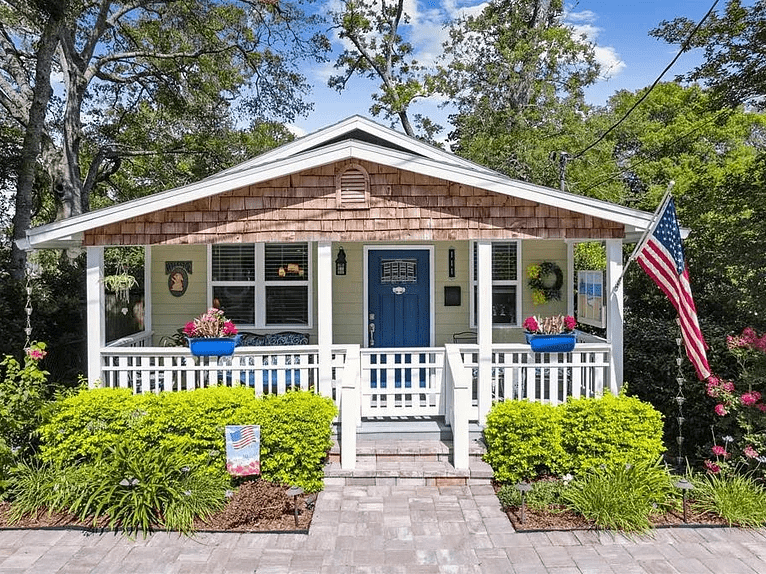
Existing Homes: Established Neighborhoods With Lasting Appeal
Existing homes attract buyers for different reasons. One of their biggest advantages is the opportunity to live in an established neighborhood where schools, grocery stores, restaurants, parks, hospitals, and other everyday services are already in place.
These neighborhoods also tend to have more mature landscaping. Large trees provide natural shade, which is especially valuable in Florida's hot climate, and the streets often have a more welcoming, established feel.
Many older homes also sit on larger lots. For families with children, pet owners, or anyone dreaming of a backyard garden or swimming pool, this can be a significant advantage.
Another reason to consider an existing home is architectural variety. While many new developments feature similar floor plans, older neighborhoods often include unique homes with distinctive layouts and character.
In some cases, existing homes also offer more square footage for the same price, especially in desirable areas where new construction is limited or unavailable.
What to Look for When Buying an Existing Home
One of the biggest advantages of buying an existing home is that it comes with a history. At the same time, that history deserves careful review.
Start by finding out the age of the roof, HVAC system, water heater, plumbing, and electrical system. Florida's heat, humidity, and frequent summer storms place significant stress on these systems, making their condition an important factor in future maintenance costs.
It's also essential to determine whether the home has experienced roof leaks, flooding, or hurricane damage. Even if repairs have already been completed, you should understand how extensive the damage was and whether it was repaired properly.
Pay close attention to signs of excess moisture and mold. Because of Florida's climate, these issues can develop even in well-maintained homes, especially if the property sat vacant for an extended period or the air conditioning wasn't properly maintained.
Avoid judging a home solely by its appearance. Fresh paint, new flooring, or an updated kitchen may create a great first impression, but they reveal very little about the condition of the structure, roof, or major systems. That's why a professional home inspection is so important before you buy. An inspector can identify issues that aren't visible during a regular showing, and the inspection report may provide leverage when negotiating repairs or the purchase price before closing.
Before buying any home, it's also wise to get an insurance estimate before closing. Insurance premiums can vary significantly depending on the age of the roof, the home's construction, its location, and whether it's in a flood-prone area. Sometimes a home with an attractive purchase price ends up costing considerably more to own because of high insurance premiums.
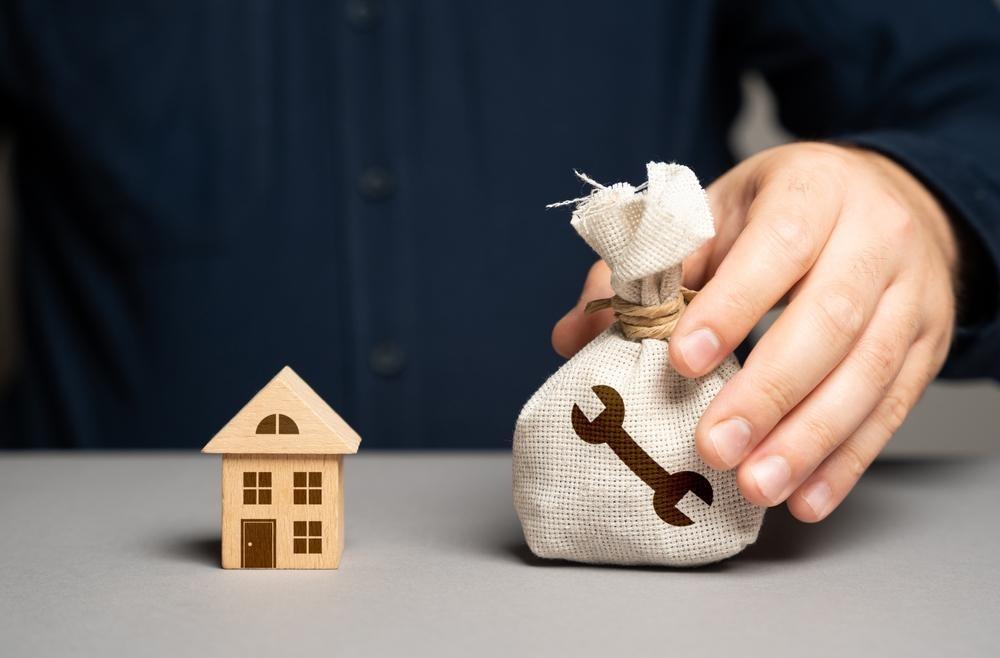
Don't Overlook the Hidden Costs
When comparing homes, many buyers focus only on the purchase price. In reality, the true cost of homeownership includes much more.
Whether you're buying a new construction home or an existing property, find out in advance about property taxes, homeowners insurance, HOA fees (if applicable), utility costs, and ongoing maintenance expenses.
For existing homes, it's also wise to set aside a reserve fund for future repairs or equipment replacement. Even if everything is working well when you buy, roofs, HVAC systems, and other major components have a limited lifespan and will eventually need to be replaced.
With new construction, major repairs are usually unnecessary for several years, but buyers often spend a significant amount after moving in by installing blinds or window treatments, landscaping the yard, adding fencing, or purchasing appliances and furniture if they weren't included with the home. These expenses should also be part of your budget planning.

Both new construction and existing homes have their own strengths, so there's no universal right answer. If modern technology, minimal maintenance, and access to new community amenities are your priorities, a newly built home may be an excellent fit.
If you value an established neighborhood, mature trees, a larger lot, or simply want to get more home for your money, an existing property may be the better choice.
The most important thing is not to rush your decision. Compare several properties, consider not only the purchase price but also the long-term cost of ownership, and always schedule a professional home inspection before closing. An experienced real estate agent can also help guide you through the process. Browse our directory of real estate agencies to find a professional who can help you with your home search.