


Little Free Library: How Tiny Book-Sharing Boxes Are Strengthening Communities

In a world where so much of what we read has gone digital, those little wooden book-sharing boxes are still bringing people together through a shared love of reading. If you've walked through neighborhoods in Tampa, St. Petersburg, Clearwater, or anywhere else around Tampa Bay, you've probably spotted one near a home, park, or community space with a sign that says Little Free Library.
But these aren't just places to grab a free book. They're part of a global community movement that's helping neighbors connect, share stories, and make books more accessible to everyone. Today, there are more than 200,000 Little Free Libraries in 128 countries, and together they've helped circulate over 500 million books.
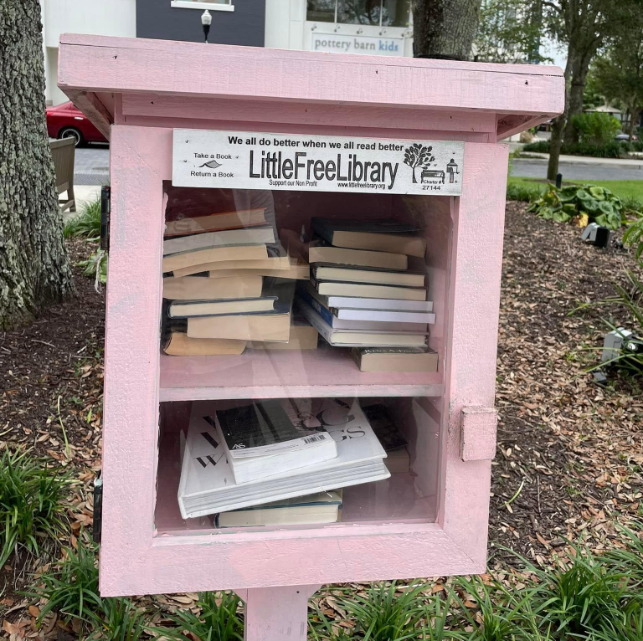
What Is a Little Free Library?
The idea couldn't be simpler: "Take a book. Share a book." Anyone can stop by to borrow a book, leave one they've finished, donate a few favorites, or simply take a look inside – even if they don't take anything home that day.
Unlike a traditional library, there are no library cards, late fees, or business hours. A Little Free Library is open 24/7, making it easy to visit whenever you're passing by.
At first glance, it might seem like nothing more than a convenient way to give unwanted books a second life. Instead of collecting dust on a shelf – or worse, ending up in the trash – they find new readers.
But the impact goes far beyond recycling books.
For many people, these little libraries make reading more accessible, especially in neighborhoods without a nearby public library or bookstore.
They also help build a stronger sense of community. Neighbors meet one another, swap book recommendations, and sometimes even leave handwritten notes or bookmarks inside the books they share. For a child, a Little Free Library may be the very first place they get to choose a book on their own.
The Little Free Library organization also supports communities with limited access to books by providing free library boxes and resources for local volunteers who want to expand reading opportunities in their neighborhoods.
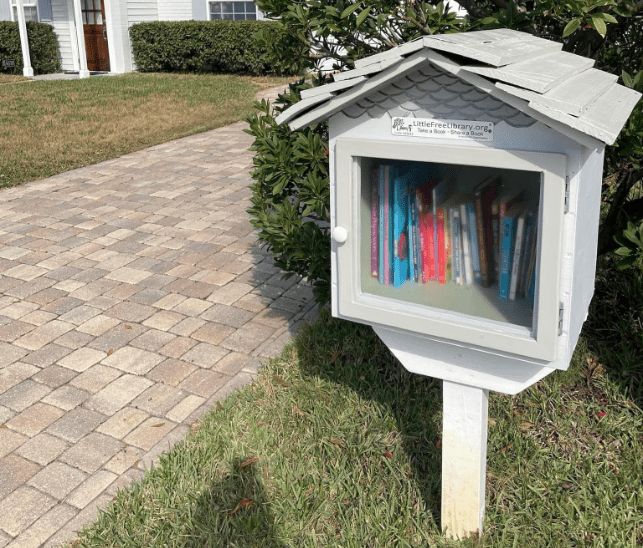
How to Find a Little Free Library
You'll find Little Free Libraries in residential neighborhoods, near schools, parks, churches, community centers, and even museums.
The easiest way to locate one is by using the official Little Free Library interactive map or mobile app, both of which show registered libraries around the world.
Across the Tampa Bay area, new book-sharing boxes continue to pop up, and local residents regularly stock them with novels, children's books, comics, cookbooks, and sometimes even board games or puzzles.
That said, keep in mind that not every Little Free Library is officially registered. While you're out for a walk, you might stumble across a charming little book box that doesn't appear on the map at all.
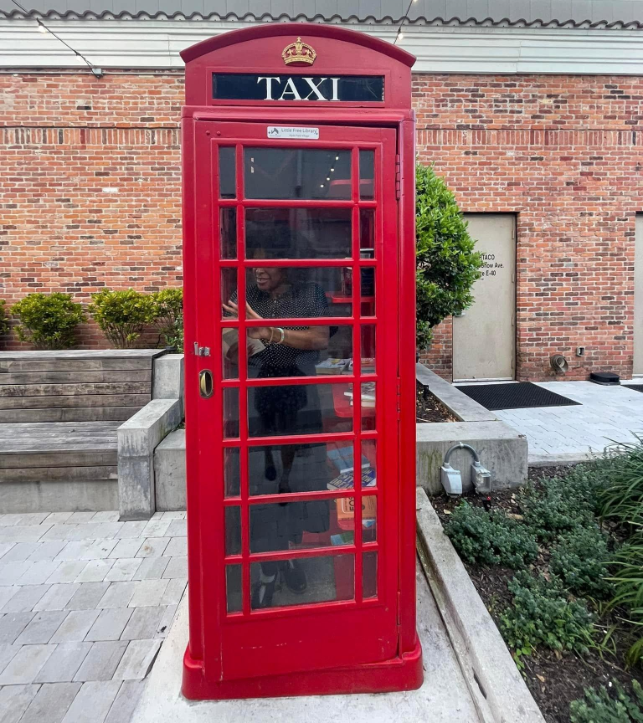
How You Can Get Involved
Joining the movement is easy.
-
Share Books
If you've got books at home that you're unlikely to read again, pass them along. A book you've finished could become someone else's next favorite read. Whenever possible, leave books that are clean, dry, and in good condition.
-
Take a Book
There's no sign-up process and no fee. If a book catches your eye, go ahead and take it. Many people return it later or replace it with another book they've enjoyed.
-
Become a Steward
Many Little Free Libraries have volunteer "stewards" who help keep them clean, organized, and well stocked. If you regularly visit a library in your neighborhood, consider offering a helping hand to its owner.
-
Start Your Own Little Free Library
If you live in a neighborhood with plenty of foot traffic and have space near your home, you can start your own Little Free Library. Choose a safe, visible location, install a weather-resistant book box, and keep it stocked and maintained. If you'd like, you can also register it with the international network so it appears on the official map.
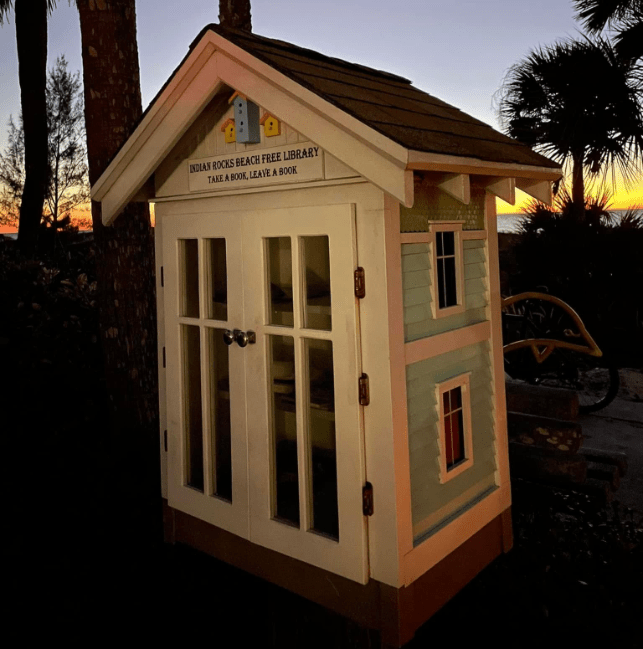
A Small Library Can Make a Big Difference
A Little Free Library won't solve every challenge related to book access, but meaningful change often begins with small ideas.
One little book box can introduce neighbors who might never have met, inspire a child to discover a lifelong love of reading, or help someone stumble upon the perfect book at just the right moment.
It's a simple way to make a neighborhood feel a little friendlier, a little more welcoming, and a little more connected.
So the next time you pass one of those tiny book-sharing boxes, don't just see a collection of books. You might discover your next great read – or leave behind a story that becomes someone else's favorite.


ABOUT TampaBayTide
FOR BUSINESS