


Keeping Your Dog Safe in Hot Weather

Summer isn't just about sunny weather, beaches, and long walks. High temperatures and humidity can be a serious challenge for both people and pets. As the end of August approaches, the heat isn't going anywhere, and combined with high humidity, an ordinary walk can be much harder on your dog than it may seem.
Dogs can't tell you when they're getting too hot, so their safety is the owner's responsibility. It's especially important to be cautious during the hottest hours of the day, on active walks, trips to the beach, and time spent outdoors.
Today, August 26, is National Dog Day – a day dedicated to dogs and a reminder of the importance of responsible pet ownership. It's a good opportunity to give your four-legged companion some extra attention and make sure they're comfortable and safe even in hot weather.
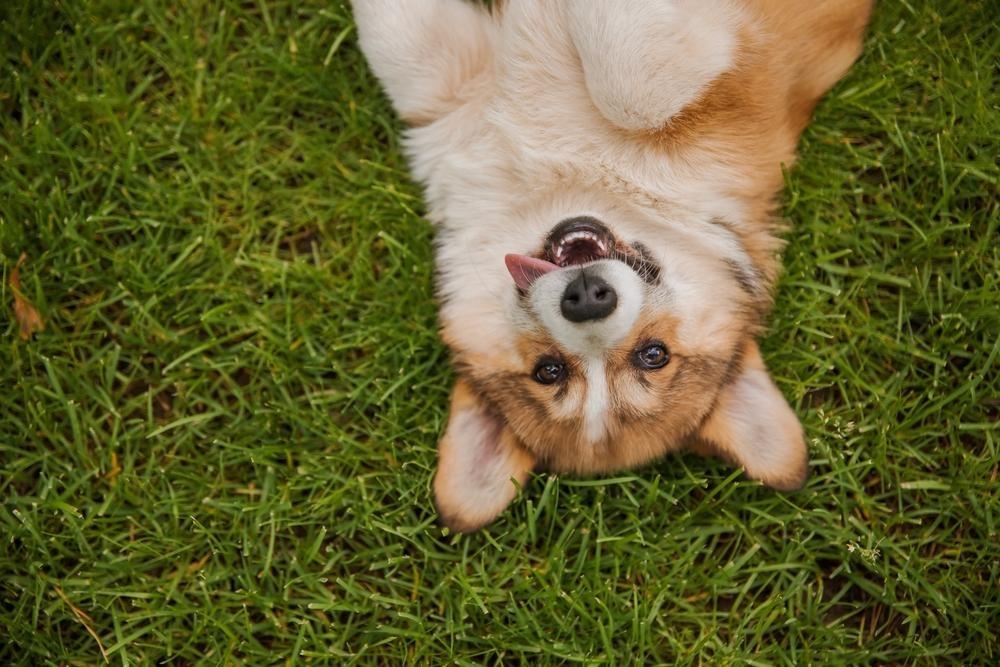
Why Heat Is Especially Dangerous for Dogs
Dogs primarily cool themselves through panting rather than sweating across the surface of their skin like humans do. Because of this, it's harder for them to release heat effectively, especially when the air is very hot and humid.
Tampa Bay's high humidity makes it even harder for the body to cool down. That's why it's not enough to look only at the temperature: it's also important to consider the heat index, which accounts for humidity and reflects how hot it actually feels.
Some dogs are at higher risk of overheating. Extra caution is needed with puppies, senior dogs, overweight animals, and short-nosed breeds, including Bulldogs, Pugs, and French Bulldogs.
Move Walks to Cooler Times
During the hot months, the best time for a walk is usually early in the morning or later in the evening. Around midday and in the afternoon, when the sun is strongest, the strain on a dog's body increases significantly.
On a very hot day, you don't have to stick to your usual route or walk length. A short trip outside can be replaced with games, training, or other activities at home.
Before going for a walk, check not only the temperature but also the heat index. Even if it's cloudy outside, the combination of heat and humidity can create dangerous conditions.
Check Whether the Pavement Is Too Hot
Hot air isn't the only problem. The sun can heat asphalt, concrete, and other hard surfaces much more than you might expect. A dog's paws can suffer burns even during a short walk, especially if the animal spends a long time standing or walking on scorching pavement.
Before heading out for a walk, press the back of your hand against the pavement for a few seconds. If the surface is too hot for your hand, it can burn your dog's paws. Burned paw pads are dangerous not only because they can cause severe pain, blisters, cracks, and tissue damage. Injured paw pads can make it difficult for a dog to walk, and exposed areas can become infected, especially if sand, dirt, or bacteria get into them. In addition, a dog may keep moving without immediately showing how much pain they're in, so injuries are sometimes noticed only after returning home.
Whenever possible, choose shaded routes, grass, and areas where your dog won't have to spend much time walking on hot pavement. Be especially careful in parking lots, on sidewalks, and on exposed walking paths.
For additional protection, you can use dog booties or protective creams and balms for paw pads, which are available at pet stores. Booties should fit properly, shouldn't rub, and shouldn't interfere with movement. Before a long walk, it's a good idea to gradually get your dog used to wearing them at home. Paw protection products should be specifically made for animals and safe if licked. They can reduce exposure to hot surfaces, but they don't replace shade, water, or choosing a cooler route.
Bring Water With You
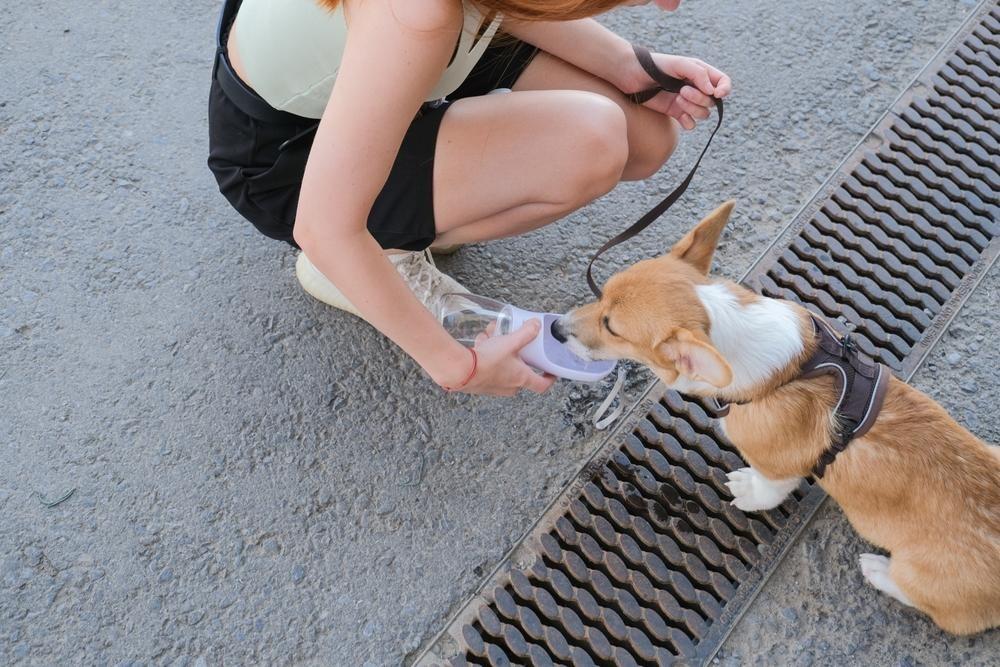
Water isn't just important for people during summer walks. If you're heading to a park, going on a longer walk, visiting a body of water, or doing another outdoor activity with your dog, bring enough drinking water. A portable pet water bottle or travel bowl can be more convenient than a separate bowl: it's easy to carry, and your dog can drink more easily while you're on the go.
Don't wait until your dog starts actively looking for water. Take regular breaks in the shade and offer them water.
This is especially important at the beach. Salt water is not a substitute for drinking water. Drinking too much salt water can cause health problems for dogs.
The Beach Doesn't Always Mean It's Cooler
A trip to the beach with your dog may sound like a great summer activity, but it requires extra caution in hot weather.
Sand can become extremely hot in the sun, and open beach areas often have little natural shade. Even swimming doesn't guarantee that your dog won't overheat: swimming is physical exertion, and afterward, your pet may still be out in the sun.
If you take your dog to the beach, make sure they have regular opportunities to rest in the shade and drink fresh water. It's better to shorten their time in the sun than to wait for them to show signs of exhaustion.
After swimming in the ocean, it's a good idea to rinse your dog's coat and paws with fresh water to remove salt and sand, which can irritate the skin.
Never Leave Your Dog in a Car
This rule applies even when you think you'll only be gone for a few minutes.
The inside of a parked car can heat up to dangerous temperatures very quickly. Leaving a window open or parking in the shade does not make a car a safe place for a pet. If your dog can't come inside with you, it's better to leave them at home. Even a quick stop at a store can turn into a dangerous situation.
This rule should be followed year-round, but it's especially important in hot weather.
Learn to Recognize the Signs of Overheating
Heavy or unusually rapid panting can be one of the first signs that your dog is too hot. Other warning signs may include excessive drooling, weakness, unusual lethargy, vomiting, loss of coordination, confusion, or loss of consciousness.
If your dog is behaving unusually after being out in the heat, don't wait and assume they'll simply "sleep it off." Overheating can quickly become life-threatening, so if you suspect heatstroke, seek help from a veterinarian or an emergency veterinary clinic as soon as possible.
Think About Your Dog During a Power Outage
As summer comes to an end, this topic is especially important in Tampa Bay because of hurricane season.
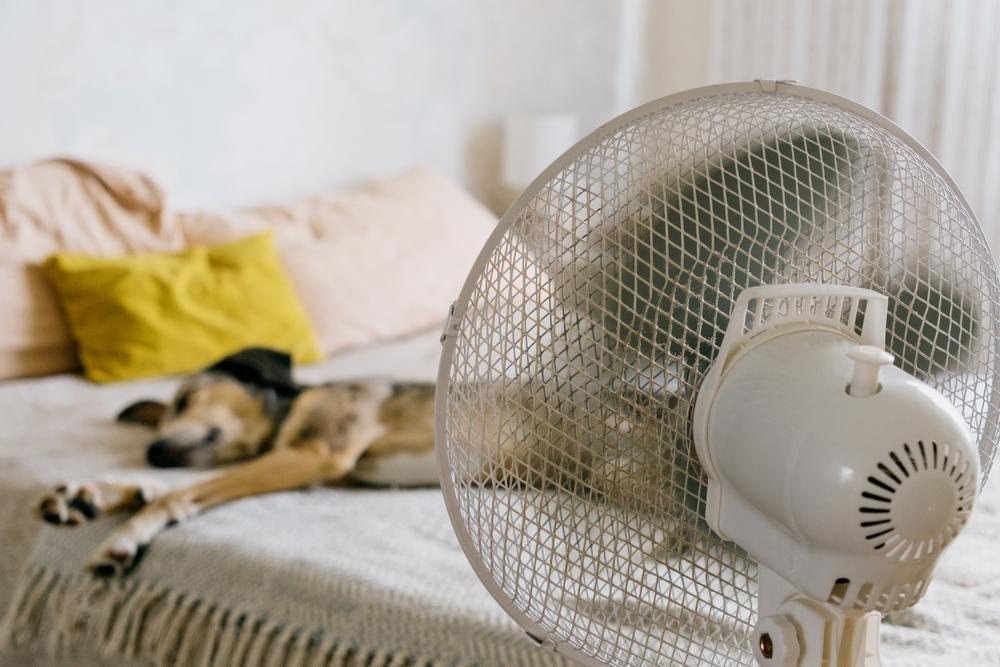
For many pets, air conditioning isn't just a way to make the home more comfortable – it's an important part of protecting them from the heat. If the power goes out because of a tropical storm or hurricane, the temperature inside the house can rise quickly.
That's why it's worth thinking ahead about what you'll do if the air conditioning stops working for an extended period. Having a safe place identified in advance where you can go with your dog, as well as a supply of drinking water, food, and necessary medications, can make the situation much easier to manage.
Preparing for hurricane season should involve more than just people. Pets should also be part of the family's emergency plan.
You Don't Have to Spend the Summer Outdoors
Dogs still need physical and mental activity during hot weather, but in summer, it can be organized differently.
Indoor games, short training sessions, scent games, puzzle toys, and walks during cooler hours can help your pet stay active without unnecessary risk. Sometimes the best choice for your dog is to stay home in the air conditioning and move their usual activities to early morning or evening.
Heat isn't the time to test how much your dog can handle. It's better to shorten the walk, bring water, find some shade, or move the activity to another time. A few simple changes to your summer routine can help you and your four-legged companion make it safely through the end of summer.


ABOUT TampaBayTide
FOR BUSINESS