


Is Your Car Ready for a Long Road Trip? A Pre-Trip Checklist

In summer, your car is under significantly more stress than usual. A long trip means hours of continuous operation for the engine, air conditioning, and other systems, while high temperatures put additional strain on the tires, battery, cooling system, and other components. If you’re planning to drive from Tampa Bay to another city in Florida or take a multi-day road trip outside the state, it’s better to have your car checked ahead of time rather than wait for the first problem to appear on the highway.

Start With a Basic Mechanical Inspection
Before a long trip, your car should be inspected even if it has been running without any problems lately. Some issues develop gradually and may not show up during short trips around town.
Check the engine oil level and make sure an oil change isn’t due soon. You should also check the levels of coolant, brake fluid, windshield washer fluid, and other fluids according to the manufacturer’s recommendations.
If the Check Engine, battery, temperature, or another warning light has been on your dashboard for a while, a long road trip is not the best time to ignore it. Even if the car is still driving normally, a warning light can indicate a problem that may become apparent under heavy load.
Pay Special Attention to Your Tires
Tires are one of the most important safety components during a long road trip. Check the pressure in all four tires, and don’t forget the spare tire if your vehicle is equipped with one. Tire pressure should be checked when the tires are cold, and you should use the pressure recommended by the vehicle manufacturer rather than the maximum pressure listed on the tire’s sidewall.
Inspect the tires for cracks, uneven wear, damage, or foreign objects. In the August heat, tire condition is especially important: hot pavement and extended driving at highway speeds create additional stress. If the tread is already close to the minimum legal limit or a tire has visible damage, it’s better to replace it before the trip.
Don’t Put Off a Brake Inspection
During a long trip, your car may need to brake many times, especially if your route takes you through cities, mountainous areas, or sections with heavy traffic.
Pay attention to squeaking, vibrations when braking, a brake pedal that feels unusually soft, or the need to press the pedal harder than before. During an inspection, the condition of the brake pads and rotors should also be checked. Don’t assume that a problem will “make it through the trip” somehow—it could put your life at risk. Repairing the brakes at the beginning of a trip is much easier and safer than looking for a repair shop after a serious failure occurs on the road, so it’s worth consulting a professional in advance.

Check the Cooling System Before an August Road Trip
In August, your car operates in high temperatures and humidity, and during a long trip, the engine may be under significant load for several hours.
Make sure the coolant level is normal and there are no signs of a leak underneath the vehicle. If the engine temperature has been running higher than usual lately, or the cooling fan has been running unusually often or loudly, it’s better to have the vehicle checked by a professional before your trip.
Never open the radiator cap or coolant reservoir cap when the engine is hot. The system is pressurized, and hot coolant can cause serious burns.
Make Sure the Air Conditioning Can Handle the Heat
Your car’s air conditioning isn’t just a matter of comfort. In hot weather, it may run almost continuously throughout the entire trip.
If the A/C isn’t cooling the cabin properly, you notice an unpleasant smell, the fan is working inconsistently, or the system has started making unusual noises, it’s better to have it checked before you leave.
Also make sure the cabin air filter doesn’t need to be replaced. A dirty filter can reduce airflow and affect the performance of the air conditioning system.
Check the Battery
A car battery doesn’t like either extreme cold or prolonged heat. For Tampa Bay residents, the second factor is especially relevant: high temperatures accelerate the chemical processes inside a lead-acid battery, which can cause it to lose its service life more quickly. High temperatures can also contribute to electrolyte evaporation and accelerate corrosion of internal components.
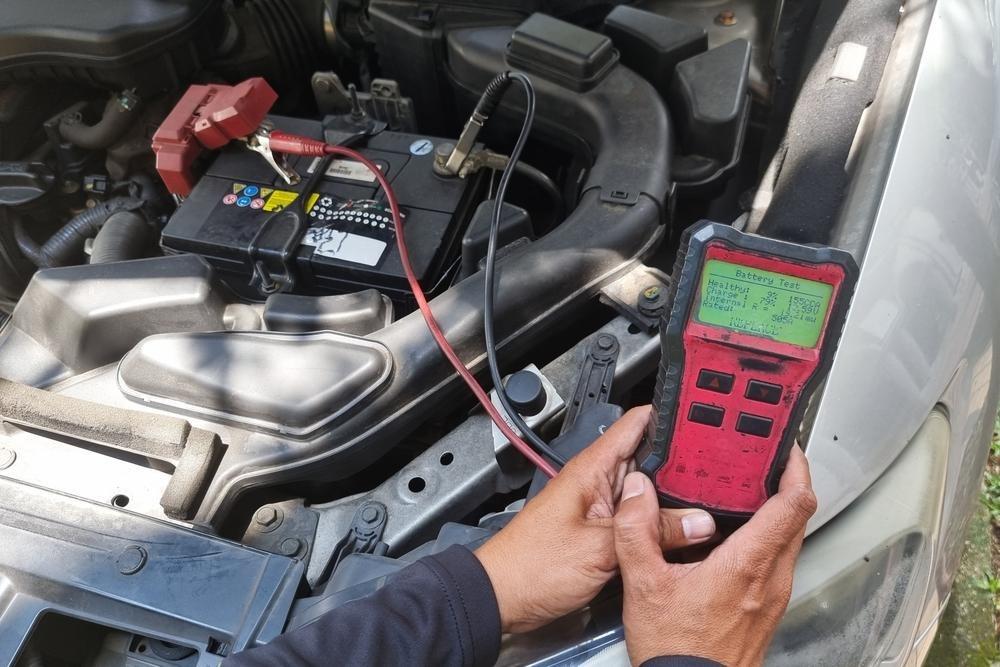
So if your battery is no longer new, before a long trip it’s worth doing more than simply checking whether the car starts. Its actual condition should be tested. An auto repair shop can test the battery’s voltage and starting capacity and determine whether it has enough remaining life for continued use.
The battery deserves particular attention if the engine has started taking longer to start, the starter turns over more slowly, the headlights dim when starting the vehicle, or a charging-system warning light occasionally appears on the dashboard. At the same time, a healthy battery shouldn’t go dead simply because the car sat in the heat for a few hours. If you have trouble starting the car after a normal period of being parked, the cause may not be the battery alone—it could also be a problem with the charging system or a parasitic electrical drain.
Before a long trip, you should also check the battery terminals. Corrosion, a loose connection, or damaged cables can cause starting problems even when the battery itself still has enough charge.
If the battery is approaching the end of its typical service life or testing shows a significant loss of starting capacity, it’s better to replace it before the trip. A preventive replacement is usually much easier than dealing with a situation where the car won’t start after stopping somewhere far from home.
Don’t Forget the Wipers and Windshield Washer Fluid
A summer drive in Florida can mean sunny weather in the morning and a heavy downpour just a few hours later. That’s why properly functioning windshield wipers are just as important as air conditioning.
If the wiper blades leave streaks, fail to clear water, or make a characteristic squeaking sound, it’s better to replace them. Also make sure the windshield washer reservoir is full.
For a long drive, it’s a good idea to carry extra windshield washer fluid with you, especially if your route involves many hours behind the wheel.
Don’t Overload Your Vehicle
Before a trip, it’s easy to turn the trunk into a storage area for everything you might need “just in case.” But extra weight increases the load on your vehicle, affects fuel economy, and can change how the car handles on the road.
Distribute heavy items evenly and secure your luggage properly. Items inside the cabin should also be secured so they can’t move freely during sudden braking. If you’re using a roof rack or trailer, check the vehicle’s load limits and the manufacturer’s requirements. For more information about planning and preparing for a summer road trip, read our separate article.
When It’s Time for a Full Service
If your car hasn’t had scheduled maintenance in a while, don’t wait until the day before your trip. It’s better to visit an auto repair shop several days or even weeks before you leave. This gives you time not only to have the vehicle diagnosed but also to complete any necessary repairs. If a replacement part or new tires require an additional test drive, you’ll also have time to make sure the car is ready for the road.
This is especially important before a trip of several hundred or thousand miles, when even a minor problem can turn into a major inconvenience.
Before You Leave
On the day of your trip, don’t limit yourself to a quick look at the vehicle. Make sure all passengers are buckled up, luggage is securely fastened, the fuel tank or EV battery has enough charge for the first part of the route, and your phone and navigation system are charged.
If you’re leaving very early in the morning or late in the evening, check the vehicle’s lights. Turn on the headlights, brake lights, and turn signals if you can do so safely before leaving.
And most importantly, don’t hit the road if your vehicle is already showing signs of a problem before you even start. It’s better to spend a few hours having the car diagnosed before the trip than to spend part of your vacation waiting for a tow truck or a repair.

Good vehicle preparation isn’t just a way to avoid a breakdown. It helps make the trip itself more relaxing, especially when you have several hundred miles of driving ahead of you.
In August, it’s especially important to consider high temperatures, the strain on the cooling system and air conditioning, tire condition, and the possibility of heavy rain. If your vehicle hasn’t been inspected recently or you’ve noticed even minor problems, it’s better to take care of them before the trip begins.
If you need a diagnostic inspection, tire replacement, A/C service, or other automotive services before your trip, you can find the right specialist on our website.


ABOUT TampaBayTide
FOR BUSINESS