


Hurricane Season Is Ending: What Florida Homeowners Should Inspect


The Atlantic hurricane season officially runs through November 30. As it comes to an end, homeowners in Florida can finally shift their attention from constantly monitoring weather forecasts to inspecting their properties. Even if a home hasn't sustained any obvious damage, several months of heavy rain, strong wind gusts, and storms may have affected its condition.
A post-season inspection helps identify minor issues before they turn into expensive repairs. Damaged gutters, loose fasteners, cracks in exterior finishes, or branches hanging dangerously over the roof are all better addressed ahead of time rather than waiting for the next storm.
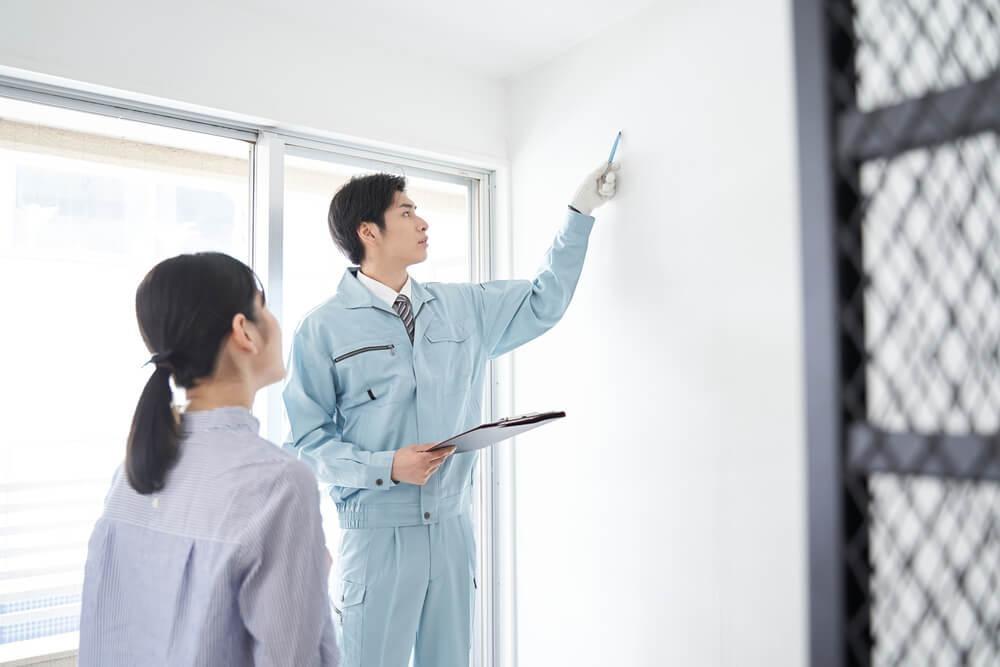
Start With the Roof and Gutters
The roof takes the brunt of strong winds and heavy rain, so it's worth inspecting first. From the ground, check for missing, shifted, or damaged shingles, warped roofing components, damaged roof edges, and problems with flashing around vents and chimneys.
Pay special attention to the gutters. Leaves, branches, and other debris that accumulated throughout the season can interfere with proper drainage. Check whether the gutters are sagging, downspouts are securely attached, and there are any signs of water overflowing over the edges. If rainwater runs directly along the foundation, check whether it's being directed away from the house properly.
Don't climb onto the roof yourself just to inspect it. If you notice damage or suspect the roof's integrity may be compromised, it's best to hire a qualified professional. If the inspection reveals serious roofing problems, you may also want to read our article, "When Roof Repairs Aren't Enough: Signs It's Time to Replace Your Roof."
Inspect Windows, Doors, and Exterior Walls
Strong winds and heavy rain can damage more than just the roof. Windows, doors, garage doors, and exterior finishes also need attention.
Check window frames, weatherstripping, and caulking around windows and doors. If you notice cracks, peeling, or visible gaps that could allow water to seep in, they should be addressed. Make sure doors close properly without sticking or shifting, locks work as they should, and garage doors don't have damaged panels or loose hardware.
Inspect exterior walls for cracks, peeling paint, damaged siding, and areas where caulking is missing. Pay particular attention to joints between different materials, the corners of the house, and areas around exterior utility connections.
Don't overlook shutters and hurricane shutters, either. Check their fasteners, tracks, and closing mechanisms. If protective panels were removed before a storm, make sure all the components are accounted for and still in good condition for future use.
Check the Yard, Trees, and Drainage
The condition of the property surrounding your home directly affects its safety during storms. Strong winds can weaken tree roots, break branches, or cause trunks to lean, even when a tree looks healthy on the outside.
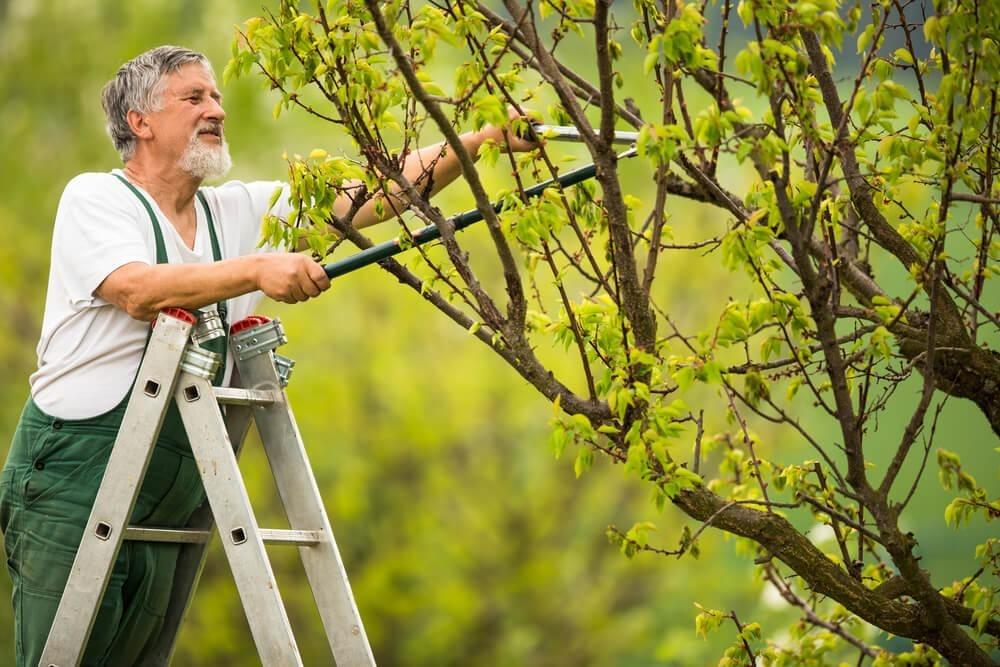
Inspect trees near your home, especially those with branches hanging over the roof, windows, vehicles, or power lines. Look for cracks in trunks, dead branches, leaning trees, and raised soil around the roots. If you notice signs of instability, it's best to contact an arborist.
Also check fences, gates, outdoor structures, awnings, and exterior light fixtures. Storms can loosen their fasteners and deform individual components.
Drainage is equally important. Make sure storm drains aren't clogged, water isn't pooling near the foundation, and the ground around your home has enough slope to direct water away from the house. If there are areas where puddles regularly form, it's worth finding out why. Heavy rainfall can cause drainage problems even far from the coast.
Look for Signs of Moisture and Mold
After a season of heavy rain, it's important to check your home for signs of water intrusion. Even a small leak through the roof, a window, or an exterior wall can go unnoticed for a long time.
Inspect ceilings, room corners, areas around windows, baseboards, and the spaces under sinks. New stains, bubbling paint, peeling finishes, musty odors, or noticeably higher humidity levels should raise concerns. If your home has an attic, check for signs of leaks and moisture on wooden structural components.
Pay particular attention to poorly ventilated rooms, storage areas, garages, and spaces that are rarely used. In Florida's warm, humid climate, conditions favorable for mold growth can persist even after the rain stops.
If you find any of these signs, don't settle for cosmetic repairs. First, you need to identify and eliminate the source of the moisture. We covered how to recognize these problems in more detail in our article, "Could Your Home Have Hidden Water Damage? Here's What to Check."
Test Electrical and Outdoor Systems
After hurricane season, it's worth checking equipment and systems located outdoors or potentially exposed to moisture.
Start with outdoor outlets, light fixtures, and electrical connections. Make sure outlet covers are intact, light fixture housings aren't damaged, and wiring has no visible defects. If you notice exposed wires, scorch marks, or moisture inside electrical components, don't attempt to repair them yourself. You'll need a licensed electrician.
Also inspect your outdoor AC unit. Make sure there's no debris, branches, or other objects around it that could obstruct airflow. Check for damage to the housing, ventilation grilles, and visible refrigerant lines.
If equipment starts operating unusually after heavy rain, makes strange noises, or isn't cooling your home as effectively as before, consider scheduling a professional service appointment.
Review Your Home Insurance and Damage Records
The end of hurricane season is a convenient time to review your property documents and make sure the information about your home's condition is up to date.
If you noticed any damage during storms, keep photos, videos, repair estimates, and receipts for completed work. Even if an issue seems minor, documenting it will help you track any changes and can be useful if you need to file an insurance claim later.
Review your homeowners insurance policy, including the windstorm or hurricane deductible, coverage limits, and requirements for reporting damage. Check separately whether you have flood insurance, since a standard homeowners insurance policy generally doesn't cover flood damage.
It's also important to check the deadlines for filing insurance claims. In Florida, these deadlines depend on the type of damage and the terms of your policy, so don't put off contacting your insurance company if you discover storm-related damage.
We covered the differences between types of coverage and common exclusions in more detail in our article, "Does Homeowners Insurance Really Cover Hurricane Damage?"

After inspecting your home, make a list of the issues you've found and determine which ones need immediate attention. Structural damage, electrical problems, leaks, and unstable trees shouldn't be put off until next year.
If you need contractors, roofers, electricians, or tree care specialists, it's best to start looking ahead of time. This gives you time to compare estimates, verify licenses, and schedule work without rushing before the next season begins.
For homes with potentially outdated structural features, you may also want to consider a professional inspection. Florida offers wind mitigation inspections, during which a specialist evaluates features of your home that help reduce the risk of wind damage. The results can help identify potential protective measures and qualify you for insurance discounts, if offered by your insurance company.
The end of hurricane season doesn't mean the risk of heavy rain or localized storms disappears. However, this is a good opportunity to assess your home's condition without the pressure of an approaching storm, address any weather-related damage, and prepare your property for the year ahead. Regular inspections and timely repairs can help prevent a minor issue caused by one storm from turning into major damage during the next.


ABOUT TampaBayTide
FOR BUSINESS