


How to Protect Yourself from Mosquitoes: Simple Tips That Really Work

Summer evenings in Tampa Bay are perfect for walks, fishing, backyard barbecues, or relaxing by the pool. But warm weather and high humidity also bring mosquitoes. It only takes a few minutes outside to come back home covered in itchy bites.
Avoiding mosquitoes entirely in Florida is nearly impossible, but the right protection can dramatically reduce how often you get bitten.
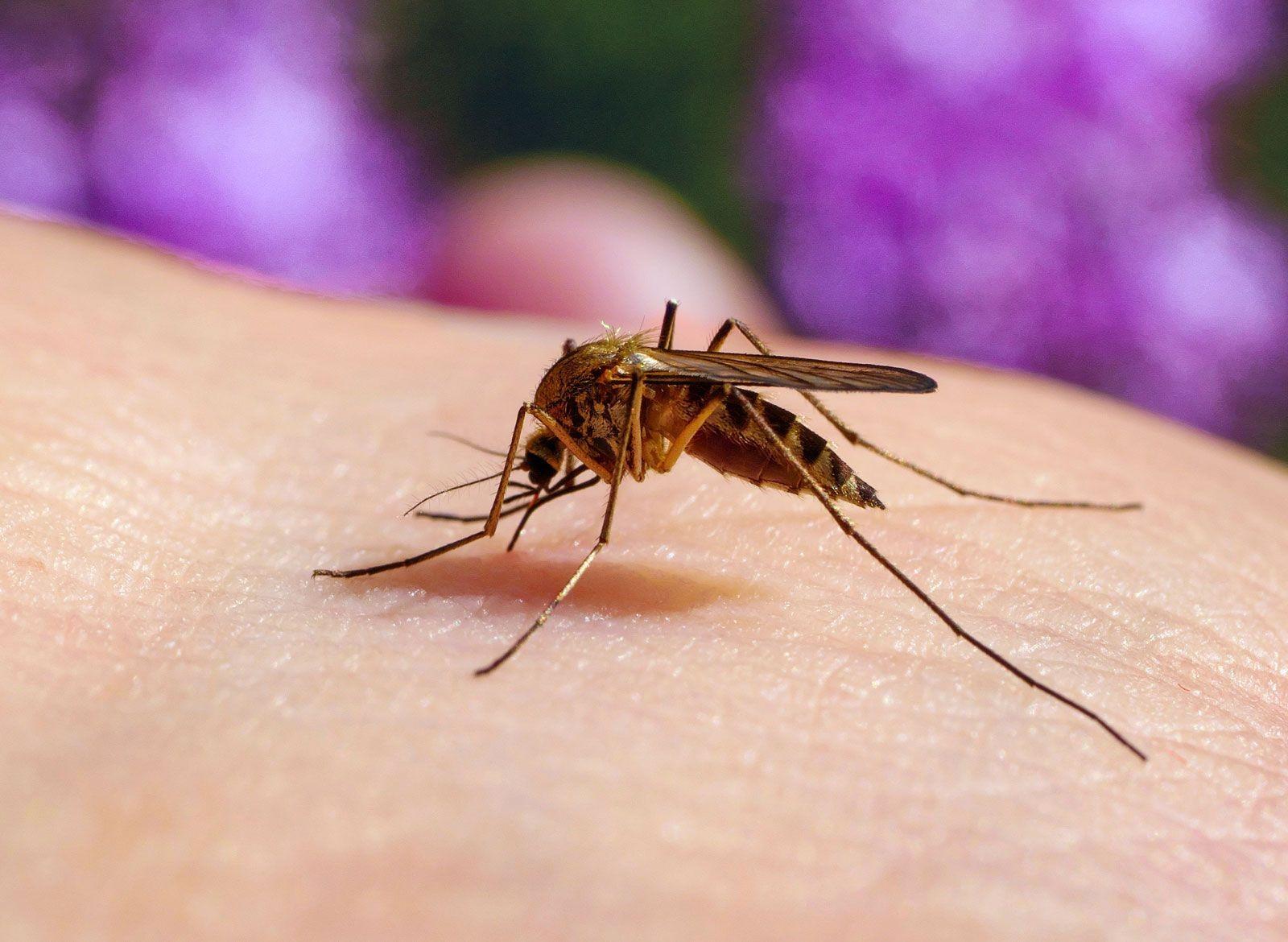
The region's climate is almost ideal for mosquito breeding. High temperatures, frequent summer rain, countless lakes, canals, wetlands, and even small puddles left after a storm quickly become places where mosquitoes lay their eggs.
Mosquitoes are especially abundant after heavy rainfall, before standing water has had a chance to dry up.
When Mosquitoes Are Most Active
There's a common myth that mosquitoes only bite in the evening. In reality, that's not true.
Most mosquito species are most active around sunrise and after sunset. Those are the times when it's best to wear protective clothing or apply insect repellent. However, some species common in Florida bite throughout the day, especially if you're in a shaded park, near water, or surrounded by dense vegetation.
How Mosquitoes Find Their Targets
Many people believe mosquitoes choose their victims based on blood type or because they have "sweet blood." The reality is much more interesting.
The most important thing mosquitoes look for is the carbon dioxide (CO₂) that people exhale. They can detect it from dozens of yards away and use it as a signal that a potential host is nearby.
Once a mosquito gets closer, it relies on other clues, including body heat, skin odor, and chemicals found in sweat. That's why people often become more attractive to mosquitoes after exercising, going for a run, or working in the yard.
Research also shows that some people get bitten more often because of differences in their skin microbiome and metabolism. That helps explain why one person in a group may escape without a single bite while another goes home covered in them.
The color of your clothing matters too. Dark colors – especially black, navy blue, and red – are easier for mosquitoes to spot, while light-colored clothing makes you less noticeable against the surrounding environment.
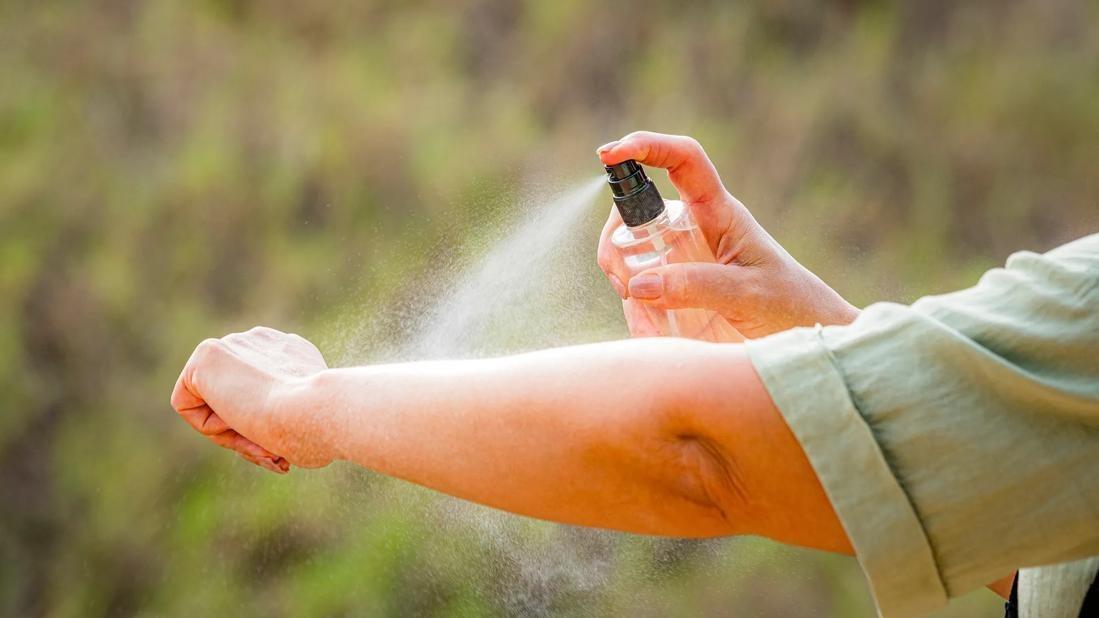
Choosing the Right Repellent
Not all repellents work equally well. The most effective products contain DEET, picaridin, or oil of lemon eucalyptus.
DEET provides the longest-lasting protection and is an excellent choice for fishing, camping, or extended time outdoors.
Picaridin has very little odor, doesn't leave a greasy residue, and won't damage plastics or sunglasses, which is why many Florida residents prefer it for everyday use.
Repellents made with oil of lemon eucalyptus can be a good option for shorter outings, although they typically don't last as long.
Mosquito-repellent wristbands only protect a small area around your wrist. If you're spending the evening outdoors or near the water, applying repellent to exposed skin is far more effective.
Clothing Matters Too
If you're planning to spend a lot of time outside, wear light-colored long sleeves and long pants. Dark clothing attracts mosquitoes more, and they can sometimes bite through thin fabrics.
For hikes through natural areas or evening fishing trips, closed-toe shoes and tall socks are also a good idea.
Eliminate Standing Water Around Your Home
Most people focus only on protecting their skin but overlook the main source of the problem.
Mosquitoes need only a small amount of standing water to breed. Regularly check flower pots, children's toys, buckets, gutters, birdbaths, and any other containers where rainwater can collect.
Even the lid from a plastic container can become a breeding site for mosquito larvae.
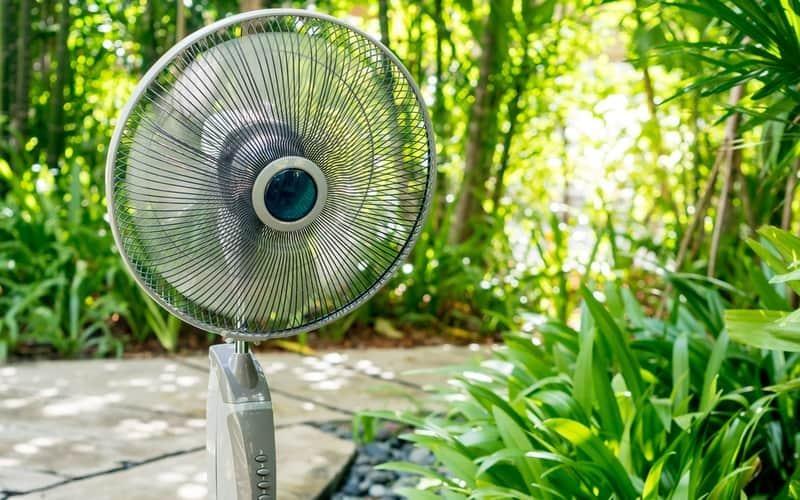
Fans Can Help
Mosquitoes are weak fliers, so a regular fan on your patio or near your outdoor table can be surprisingly effective.
The airflow makes it harder for them to fly and also disperses the carbon dioxide they use to locate people.
This approach is far more effective than ultrasonic mosquito repellents, whose effectiveness has not been proven despite their popularity.
Be Extra Careful in Natural Areas
Mosquito populations can be much higher in parks, mangrove forests, nature preserves, and wetland areas than they are in cities.
Apply insect repellent before you head out, and if you plan to stay until sunset, bring it with you so you can reapply it as needed.
Are Mosquitoes Dangerous in Florida?
For most people, mosquito bites cause nothing more than itchy skin. However, mosquitoes can carry certain diseases. That's why local authorities regularly treat mosquito-prone areas and encourage residents to eliminate standing water around their homes.
Young children, older adults, and people with severe allergic reactions to insect bites should be especially cautious.
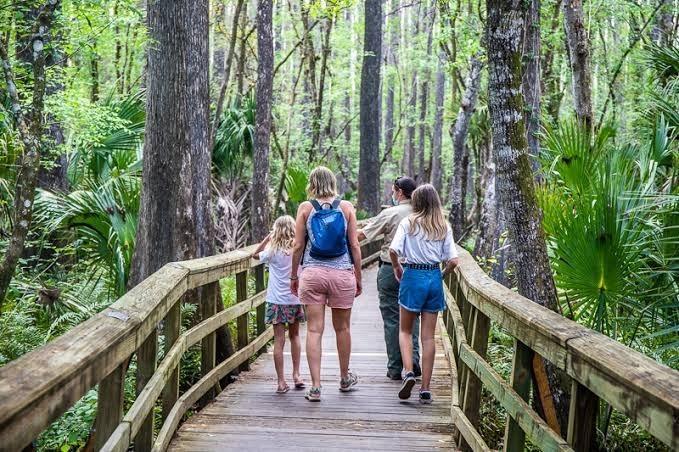
Mosquitoes are simply part of life in Florida, but they don't have to ruin your time outdoors. The right repellent, lightweight protective clothing, eliminating standing water around your home, and a few simple habits can significantly reduce the number of bites you get.
That way, an evening on your patio, a walk along the beach, or a sunset fishing trip will leave you with great memories – not itchy ones.


ABOUT TampaBayTide
FOR BUSINESS