


How to Organize Your Family’s Morning Routine After the School Year Starts

The start of the school year changes not only your child’s schedule but also the rhythm of the entire family’s life. During the summer, you could sleep in a little longer, take your time with breakfast, or put some things off until later. Once school starts, there’s a specific time everyone needs to wake up, get ready, and leave the house.
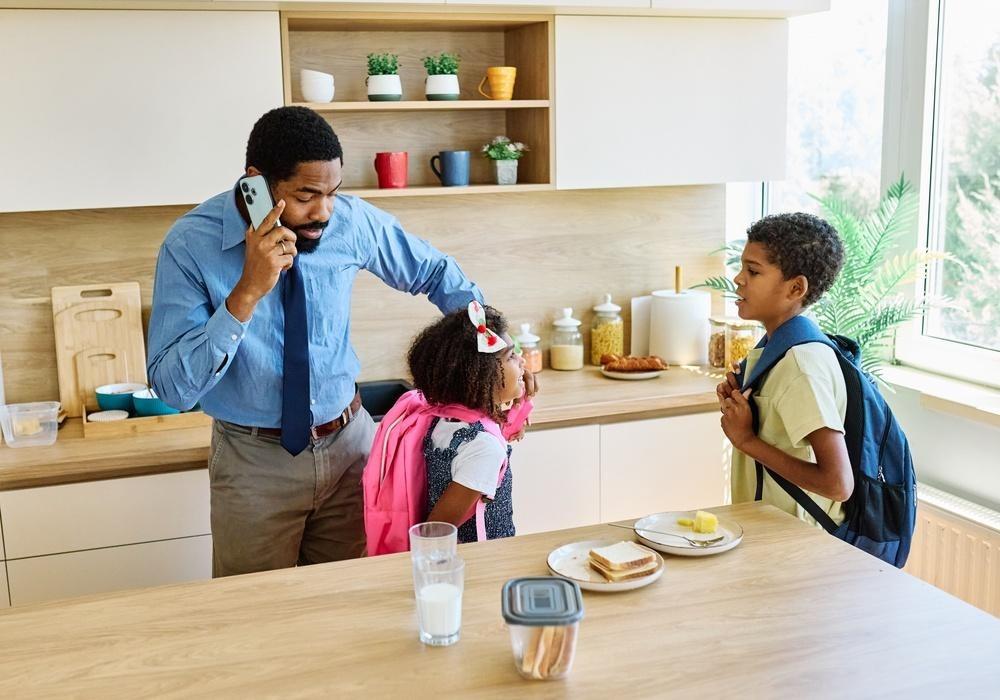
The first mornings after summer break rarely go perfectly. Someone doesn’t hear the alarm, someone can’t find the other sock, a child suddenly refuses breakfast, and parents are trying to get themselves ready for their own workday at the same time. To keep mornings from turning into a daily rush, it’s worth planning a simple system ahead of time.

Start With the Time You Need to Leave, Not the Time You Need to Wake Up
One of the most common mistakes is deciding what time everyone needs to wake up without first figuring out how long the morning routine actually takes. It’s better to work backward.
First, determine what time the family needs to leave the house so your child gets to school on time and the parents can get to work or take care of other morning commitments. Then estimate how much time is needed for getting dressed, personal hygiene, breakfast, checking the backpack, and other necessary tasks.
For example, if you need to leave at 7:45 a.m. and the family’s morning routine takes about 50 minutes, don’t plan on waking everyone up at exactly 6:55 a.m. It’s better to leave some extra time for unexpected situations.
It’s also important to observe the family’s actual pace for a few days. If getting ready theoretically takes 40 minutes but in reality takes almost an hour most mornings, that hour is what you should build into the schedule.
Move Some Morning Tasks to the Evening
The fewer decisions everyone has to make in the morning, the calmer it usually feels. In the evening, you can lay out clothes for the next day, pack the backpack, check the school schedule, and put everything that needs to go out the door in one place. If your child needs gym clothes, special supplies for a class, or specific documents, it’s better to remember them the night before rather than at 7 a.m.
The same applies to breakfast. You don’t have to prepare the entire meal the night before, but you can decide ahead of time what will be served, order the groceries you need, or prepare some of the ingredients.
A few minutes of preparation in the evening can save significantly more time and frustration the next morning.
Create a Clear Morning Routine
It’s much easier for a child to follow a specific sequence of tasks than to constantly hear parents saying, “Hurry up” or “Are you ready yet?”
For a younger child, the morning routine can be very simple: wake up, get dressed, eat breakfast, brush their teeth, grab their backpack, and put on their shoes. As children get older, more of the routine can gradually become their responsibility.
It also helps when things are always kept in the same place. The backpack shouldn’t have to be searched for around the bedroom every morning, shoes shouldn’t be left in different parts of the house, and school supplies should be stored somewhere the child can get them independently. This gradually turns getting ready in the morning from something that requires constant parental supervision into a familiar routine.

Don’t Schedule Every Minute of the Morning
If the entire schedule is built so that any delay immediately leads to being late, even a small unexpected situation can create stress. Your child may take longer to get dressed, spill breakfast, fail to find the right notebook, or suddenly remember an assignment they need to bring to school. Adults may also need more time to get themselves ready.
That’s why it’s better to leave a small time buffer. If the family needs 45 minutes for a normal morning routine, don’t plan the entire schedule down to the last minute. A little extra time is especially important during the first few weeks of the school year, when everyone is still getting used to the new schedule.
If You Have More Than One Child
When several children need to get ready at roughly the same time, morning chaos can happen even in a well-organized family. In this situation, it’s better not to try to manage everyone at once.
Children may have different wake-up times depending on their age and school schedules. An older child can be responsible for most of their morning routine independently, while a younger child may need more help.
Parents should also identify in advance which resources might become a bottleneck in the morning. If several people need the bathroom at the same time, you can agree on a certain order. If everyone is using the kitchen at once, part of breakfast can be prepared ahead of time.
The goal isn’t to create a complicated schedule for every member of the family, but to eliminate situations where everyone is trying to do the same thing at the same time.

Breakfast Shouldn’t Become a Daily Source of Stress
Breakfast is an important part of the morning, but not everyone finds it easy to eat right after waking up. There’s no need to insist that everyone follow the same routine. It’s much more practical to have several simple breakfast options that your child usually eats and rotate them throughout the week.
If there isn’t time for complicated preparation in the morning, some of the food can be prepared the night before. Another option for especially busy weekdays is to use prepared breakfasts or a meal prep service. This can be a convenient solution for families that want to save time in the morning without relying on a quick snack every day. When choosing such a service, it’s worth looking at the menu, portion sizes, whether you can order meals several days in advance, and the delivery terms. For a family, it’s also important that the available options include meals that work for different family members.
At the same time, breakfast shouldn’t become a daily battle. If your child consistently refuses to eat in the morning, it’s important to look at their overall daily routine, dinner time, and sleep schedule rather than simply trying to make them eat faster.
Organize the Last 10 Minutes Before Leaving
It’s worth planning the final part of the morning separately. By this point, everyone should already be practically ready rather than just starting to gather their things. A helpful rule is to keep backpacks, shoes, outerwear, and other essentials near the door ahead of time. That way, the last few minutes aren’t spent searching for things throughout the house.
If your child constantly remembers something at the last minute, you can introduce a short evening check: What needs to be brought tomorrow? Is everything packed in the backpack? Are there any special events or activities?
Example of a Morning Schedule
If the family needs to leave the house at 7:45 a.m., a sample schedule might look like this: 6:45 a.m. – wake up; 6:50-7:05 a.m. – getting dressed and morning hygiene; 7:05-7:25 a.m. – breakfast; 7:25-7:35 a.m. – brushing teeth, a final check of the backpack and necessary items; 7:35-7:45 a.m. – shoes, outerwear, and heading out.
This is not a one-size-fits-all schedule. If your child needs more time to wake up or the family has trouble fitting everything into a certain time frame, the schedule should be adjusted.
If the Schedule Isn’t Working, Look for the Reason
Even a well-planned routine may not work. In that case, you don’t necessarily need to add another alarm or cut breakfast time. Instead, observe for a few days to see exactly where the delay is happening. Maybe your child takes too long to wake up because they go to bed too late. Maybe getting dressed takes the most time because their clothes aren’t prepared. Or perhaps the family regularly loses 10-15 minutes looking for things.
Once you understand the cause, address that specific issue. For example, if the problem is that your child doesn’t have enough time to pack their backpack in the evening, create a separate habit for doing it rather than simply waking them up earlier.
Don’t Expect a Perfect Morning
After summer break, every family needs time to adjust to a new rhythm. Even if the first few weeks don’t go perfectly, that doesn’t mean the system isn’t working.
It’s better to think of a morning schedule as a tool that can be gradually adjusted. If one part regularly causes problems, it can be changed. If your child becomes more independent, some responsibilities can be handed over to them. If the school or work schedule changes, the morning routine can change with it.
The main goal is to make the morning predictable enough that everyone in the family understands what needs to happen and when. When the main decisions are made ahead of time and everything has its place, mornings gradually stop feeling like a daily race and become an ordinary part of the school day.


ABOUT TampaBayTide
FOR BUSINESS