


How to Find a Yoga Studio That Fits Your Needs


Yoga can be a way to stay physically active, improve flexibility, build strength, or simply find some inner peace. Tampa Bay offers plenty of opportunities to practice, from dedicated yoga studios and small independent spaces to group classes at fitness centers and outdoor sessions.
However, choosing a studio is about more than finding a convenient location or an attractive membership price. Your overall experience and whether you'll want to keep coming back depend on the teaching style, the instructor's experience, class size, atmosphere, and layout of the space.
Whether you're planning to try yoga for the first time, returning after a break, or looking for a new place to practice regularly, a few things worth checking beforehand can help you avoid disappointment.
Determine Which Yoga Style Is Right for You
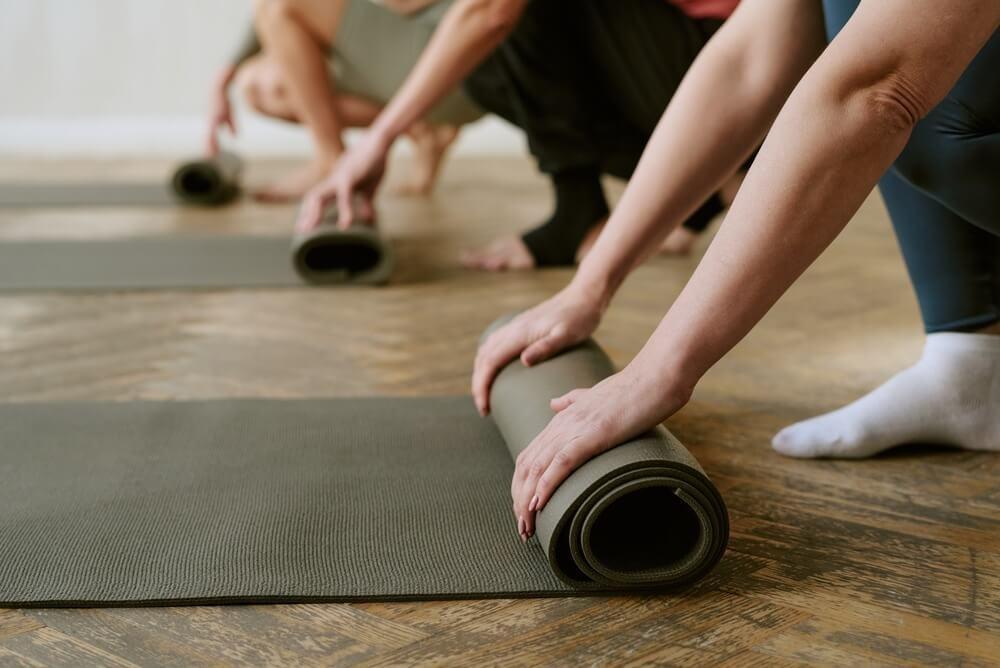
Before comparing studios, it's worth figuring out what you want to get out of your practice. Yoga encompasses a variety of styles that can differ significantly in pace, physical intensity, and approach to movement.
For example, Hatha Yoga typically involves a moderate pace, with plenty of time to learn basic poses, work on alignment, and focus on breathing. This style is well suited to beginners who want to gradually become familiar with the practice. Vinyasa Yoga links poses through flowing transitions synchronized with the breath. Classes can be quite dynamic and require good stamina. It's a good option for those who enjoy continuous movement and a physical challenge. Yin Yoga revolves around holding poses for extended periods at a relaxed pace, with an emphasis on relaxation and flexibility. Restorative Yoga is also slow-paced but uses additional props, such as bolsters, blankets, and blocks, to help the body remain comfortably supported. Other styles worth exploring include Ashtanga Yoga, Iyengar Yoga, and Power Yoga. Each has its own approach to structuring classes and different physical fitness requirements.
In Tampa Bay, you can also find studios offering Hot Yoga, with classes held in specially heated rooms. The high temperature adds another layer of physical intensity, so it's worth finding out how demanding the practice will be and whether it's a good fit for you before signing up.
Aerial Yoga, also known as anti-gravity or hammock yoga, is another style worth exploring. Instead of a traditional yoga mat, this practice uses a specially designed fabric hammock suspended from the ceiling. It provides support for poses, helps develop balance, flexibility, and muscle strength, and allows practitioners to explore inversions. Some exercises are performed directly in the hammock, while others involve using the floor for support. Classes can range from relaxing to quite physically demanding.
A studio doesn't have to offer every possible style. What's much more important is finding classes that match your goals, experience, and preferred level of physical intensity.
Check the Instructors' Qualifications and Teaching Approach
Even in a well-equipped studio, your experience largely depends on the instructor. An experienced teacher should do more than demonstrate poses. They should explain proper technique, pay attention to body alignment, and offer alternative ways to perform exercises.
Before signing up, look through the studio's instructor profiles. Check their education, certifications, teaching experience, and areas of specialization. In the United States, some instructors hold Yoga Alliance certifications, including RYT 200 and RYT 500, which indicate completion of the corresponding training programs.
However, having a certification doesn't automatically mean an instructor's teaching style will be right for you. It's important that they can explain exercises clearly, don't expect everyone in the class to have the same fitness level, and encourage students to listen to their own bodies.
If you're new to yoga, returning to physical activity after a long break, or have limited mobility, ask in advance whether the instructor has experience working with students with similar needs. This will help you find a class that's appropriate for you.
Pay Attention to Class Size
The number of participants can have a significant impact on the quality of a class. In smaller groups, instructors generally have more opportunities to give each student individual attention, notice alignment issues, and offer personalized adjustments.
Larger classes don't necessarily mean a worse experience. They can work well for people who are already familiar with the basics of yoga and feel comfortable following sequences independently. However, beginners may sometimes find it harder to keep up with instructions and get enough individual feedback.
If the studio's website doesn't list the maximum class size, ask before booking. It's also worth checking whether group sizes vary depending on the type of class and time of day.
Evaluate the Space and Equipment
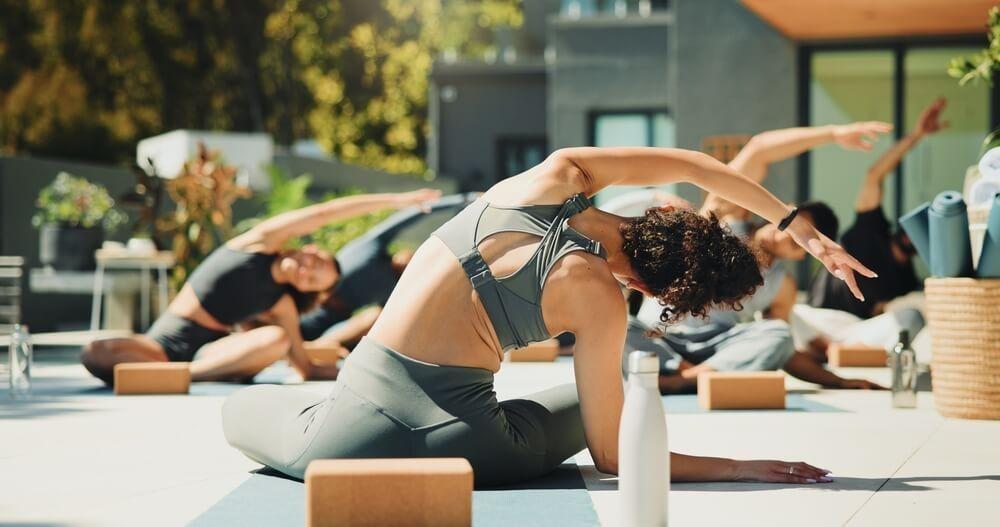
A comfortable environment is an important part of maintaining a regular yoga practice. During your first visit, pay attention to the cleanliness of the studio, ventilation, temperature, and whether there's enough space between mats.
This is particularly important at studios offering Hot Yoga. In these spaces, proper ventilation and temperature control are essential, as is making sure participants can practice comfortably in the heated environment.
Find out whether the studio provides the necessary equipment. Many classes require mats, blocks, straps, and bolsters. Some studios provide everything free of charge, while others offer rentals or expect participants to bring their own gear.
If you're traveling and only plan to attend one or two classes, being able to rent a mat and other equipment can be a significant advantage. It's also worth checking whether the studio has changing rooms, showers, storage space for personal belongings, and convenient parking.
Understand the Schedule and Booking System
Even the best studio may turn out to be inconvenient if its schedule doesn't fit your lifestyle. Before purchasing a membership, check when classes are offered, how often they run, and whether there are weekend options.
For local residents, it's especially important to consider how easily you can fit yoga into your workweek. If you plan to practice before work, check whether morning classes are available. If evenings work better for you, make sure the studio offers classes after the workday ends.
If you're new to yoga, look for drop-in classes and flexible class packages. Some studios offer options without long-term commitments, making it easier to figure out which style works best for you.
Also, check how the booking system works. Do you need to reserve your spot in advance? Can you cancel without a fee? How far in advance do you need to cancel? Popular studios may fill up quickly, so these details can make a real difference.
Compare the Overall Cost, Not Just the Price of One Class
Prices can vary significantly from one yoga studio to another. However, the cheapest option isn't always the best value, especially if the membership doesn't include services you need.
Compare drop-in rates, class packages, and monthly memberships. Pay attention to the number of classes included, package expiration dates, membership freeze options, and any additional fees.
Many studios offer special deals for new clients, such as a free first class, several classes at a discounted rate, or a trial week. These are great opportunities to experience the atmosphere and teaching style before making a long-term financial commitment.
If you're considering an unlimited monthly membership, think realistically about how often you'll be able to attend. This option can be a good deal for people planning to practice several times a week, but it may not be the best fit for those with unpredictable schedules.
Don't Overlook the Studio's Location
How regularly you attend classes often depends on how easy it is to get there. A studio just a few minutes from home or work may be a more practical choice than one with more attractive offerings but located across town. This is especially relevant in Tampa Bay, where distances between neighborhoods and traffic conditions can make a difference. When choosing a studio, consider not just the distance on a map but also the actual travel time during the hours you plan to attend classes.
At the same time, don't limit your search to the closest options. If you're interested in a particular yoga style or class format, it may be worth considering studios in neighboring areas.
Try a Class Before Committing to a Membership
Studio photos, class descriptions, and reviews can help you get a first impression, but they can't replace firsthand experience. Even a studio with an excellent reputation may turn out not to be exactly what you're looking for.
Start with a trial or drop-in class. Afterward, consider whether the instructions were easy to follow, the pace felt comfortable, the instructor gave you enough attention, and the atmosphere matched your expectations.
Also, pay attention to how the staff interacts with new visitors. Do they explain the studio's rules? Do they help you get settled before class? Do they ask about your experience and preferences? These small details often say a lot about the studio's overall approach to its clients.
It's also important to pay attention to how you feel after the practice. Yoga can be physically demanding, especially if you've chosen a dynamic style or haven't exercised in a while. However, significant muscle pain, trembling from overexertion, or feeling completely drained shouldn't be the result of a class. Some fatigue or a noticeable sense of your muscles working is perfectly normal, but the practice should help you become more aware of your body rather than push it beyond its limits. If you experience sharp pain, dizziness, or an unusual decline in how you feel after class, don't ignore these warning signs. It's also important that the instructor encourages you to modify poses according to your abilities rather than expecting you to push through discomfort.
There's no need to rush into purchasing a membership after your first visit, especially if the studio only offers long-term contracts. It's better to try a few classes before deciding where you want to practice regularly.
Explore Unusual Yoga Formats
Not all yoga classes are limited to mats, poses, and breathing exercises. Over the past few years, themed practices combining traditional yoga elements with unusual surroundings or additional activities have become popular. You can find similar offerings in Tampa Bay and the surrounding areas.
One of the best-known formats is Puppy Yoga. During these classes, participants practice simple poses while puppies roam freely between the mats, play, and interact with people. A similar format is available with kittens (Kitten Yoga). These sessions tend to be more recreational, with interacting with the animals becoming just as important to the experience as the yoga itself.
Another unusual option is Goat Yoga. Classes are often held outdoors on farms or in specially designated spaces. Goats may approach participants, wander between the mats, and sometimes even climb onto people's backs while they're holding poses. There are also themed classes featuring chicks and other small animals.
It's important to understand that these formats aren't always suitable for a полноцен regular yoga practice. The presence of animals can make classes less focused, and instructors may not be able to give participants as much individual attention as they would in a traditional class. It's better to think of these sessions as a unique experience or recreational activity rather than a replacement for regular yoga practice.
Before booking, check who organizes the event, what conditions the animals are kept in, and whether they're given breaks and the opportunity to move away from participants. Responsible organizers should care not only about visitors' comfort but also about the animals' well-being.
Choosing a studio depends on how you plan to practice, what level of physical intensity you're looking for, and how important location, scheduling, and additional amenities are to you. You can explore available options using the yoga studio search on TampaBayTide. Compare locations, offerings, and class policies, and sign up for a trial class before making your final decision.
A good studio is a place where you feel comfortable practicing, where your experience and fitness level are respected, and where you're encouraged to make yoga part of your everyday life.


ABOUT TampaBayTide
FOR BUSINESS