


How to Enjoy Your Patio During Florida's Cooler Months


In Florida, unlike in other states, you don't have to wait until spring to start enjoying the outdoors again. Even in November and throughout the winter, Tampa Bay residents can have breakfast on the patio, enjoy dinner in the backyard, or relax outside. However, when cold fronts move through, evening temperatures can drop noticeably, and the wind can make spending time outdoors less comfortable.
You don't have to give up using your outdoor space during the colder months. A few adjustments can make it more suitable for seasonal conditions. Here's how to make your patio warmer and more comfortable without a major renovation.
Add Textiles for Extra Warmth
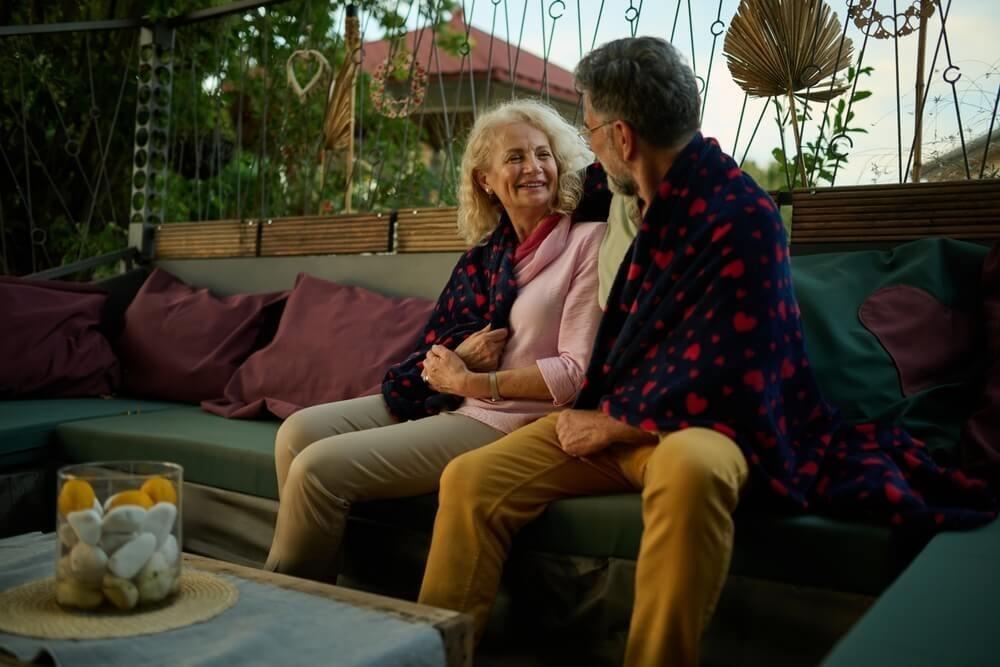
One of the easiest ways to make an outdoor seating area more comfortable is to add cushions, padded seat covers, and throw blankets to your furniture. Metal, wood, and wicker surfaces can feel cold, especially in the evening, so adding soft textiles makes sitting outside for longer periods more enjoyable.
For outdoor furniture, choose fabrics that resist moisture, UV exposure, and mold. Suitable options include Sunbrella acrylic, Olefin, and polyester with a water-repellent finish. For cushion filling, quick-dry foam is a good choice because it doesn't trap water inside. When shopping, also check whether the covers are removable and machine-washable and whether the fabric has fade-resistant properties. It's best to store throw blankets in a sealed, waterproof storage chest or a dedicated container to keep them dry during morning dew or unexpected rain.
For added comfort, consider placing an outdoor rug made of polypropylene on the patio floor. This material absorbs very little moisture, dries quickly, resists stains, and doesn't create favorable conditions for mold growth. It also holds up well to sunlight and works on concrete, wood, and tile surfaces.
Protect Your Seating Area From the Wind
Even when temperatures are relatively comfortable, strong winds can quickly ruin an evening on the patio. That's why it's worth considering ways to shield your outdoor space from wind.
Decorative privacy screens, lattice panels, outdoor curtains, and freestanding dividers can all help. If your patio is next to the house, large planters filled with shrubs and other dense plants can also serve as natural windbreaks.
For covered patios, outdoor curtains are a convenient option. You can close them in the evening when temperatures drop and open them during the day to maintain airflow.
It's important not to turn your patio into a completely enclosed space without proper ventilation. This is especially important if you plan to use a patio heater or other heating equipment.
Add an Extra Heat Source
If you frequently spend evenings outdoors, consider investing in an outdoor heater. It can help you enjoy your patio longer, even when cold fronts move through the area.
Electric infrared heaters are a good option for covered patios. They transfer heat directly to people and objects rather than trying to warm the entire volume of air. Wall-mounted and ceiling-mounted models also help save space.
For open outdoor areas, portable propane heaters are another option. However, when using them, you must follow the manufacturer's recommended clearance distances from furniture, plants, curtains, and other flammable materials. This equipment is designed exclusively for outdoor use.
Another option is an outdoor fire pit. It can become the centerpiece of your seating area, creating a comfortable place to gather with family and friends. Both wood-burning and gas models are available, but before installing one, check local fire safety regulations, any temporary restrictions on open burning, and HOA requirements if they apply in your neighborhood.
Do not use charcoal grills, barbecue grills, or regular indoor space heaters to warm your patio. Fuel-burning appliances can cause dangerous carbon monoxide buildup, while equipment not designed for outdoor use creates additional safety risks.
Make Sure You Have Adequate Lighting
During the cooler months, evenings can be especially enjoyable outdoors, but it's important to have adequate lighting. It not only creates a welcoming atmosphere but also helps you move safely between the house, patio, and yard.
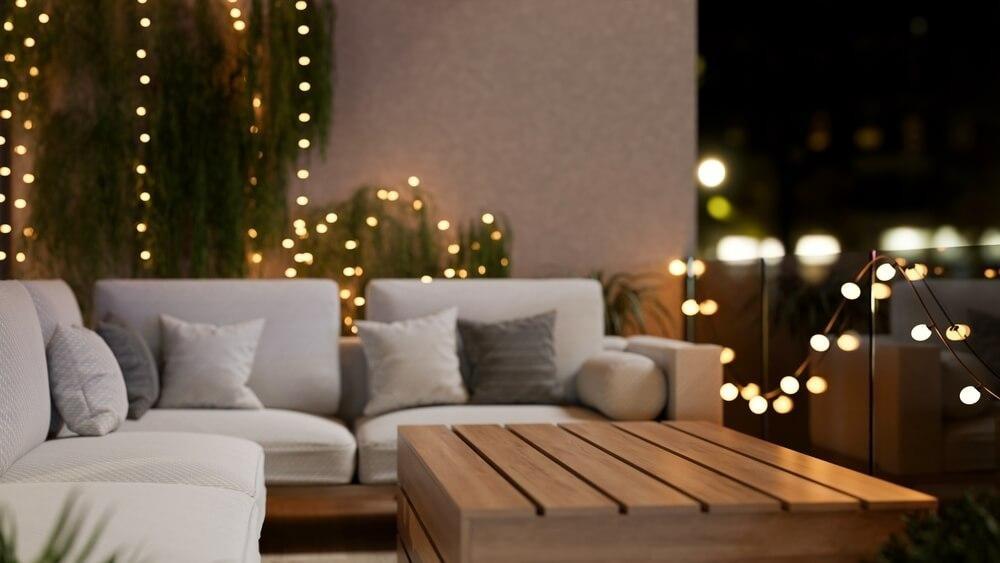
Outdoor string lights, wall sconces, solar-powered lanterns, and LED fixtures can make your space functional after sunset. Consider brighter lighting for the dining area and softer lighting near chairs and sofas so you can comfortably read or have conversations.
When choosing lighting, make sure it's rated for outdoor use. Rain and high humidity are still possible in winter, so regular indoor fixtures and extension cords aren't suitable for an open patio.
Check Your Furniture and Its Layout
During fall and winter, sunlight can become a more important factor when arranging your patio. If you spent the summer keeping your seating area out of direct sunlight, now is the time to take advantage of the sun's warmth.
Move chairs and sofas to areas where sunlight reaches the patio during the morning or around midday. If possible, place your main seating area near a wall of the house, which can provide some protection from the wind.
You should also check the condition of your furniture. Humidity, rain, and temperature fluctuations can gradually damage materials, so inspect wooden surfaces for cracks and damaged finishes and look for signs of corrosion on metal furniture. If you're planning to update your furniture or buy new pieces for your patio, check out our article "Outdoor Furniture for Florida: What to Look for Before You Buy," where we explain which materials, construction features, and specifications to consider when shopping.
Choose Plants That Can Handle Cooler Weather
Plants help make a patio feel more inviting, and fall is a good time to refresh the look of your outdoor space. However, not all heat-loving plants that thrive in Florida during the summer can withstand winter temperature drops.
For seasonal landscaping, consider ornamental cabbage and kale, pansies, petunias, and snapdragons. They work well in containers and can add color to your outdoor space during the cooler months.
If you have tropical potted plants on your patio, decide in advance which ones will need to be moved indoors during cold nights. Although temperatures generally remain relatively mild, individual cold fronts can still pose a risk to cold-sensitive plants.
Prepare Your Patio for Sudden Temperature Drops
Weather can change quickly, so it's best to prepare in advance for a few cold days. Make sure you have enough storage space for cushions, blankets, and small decorative items that shouldn't be left outside during rain or strong winds.
Outdoor furniture, umbrellas, and lightweight screens should be properly secured. Before strong winds are expected, close umbrellas, bring lightweight items indoors, and check that planters and decorative pieces won't tip over.
If you use a heater or fire pit, make sure the equipment is in good working condition and that there's enough clearance around it. Never leave an open flame unattended, and don't store fuel near heat sources.
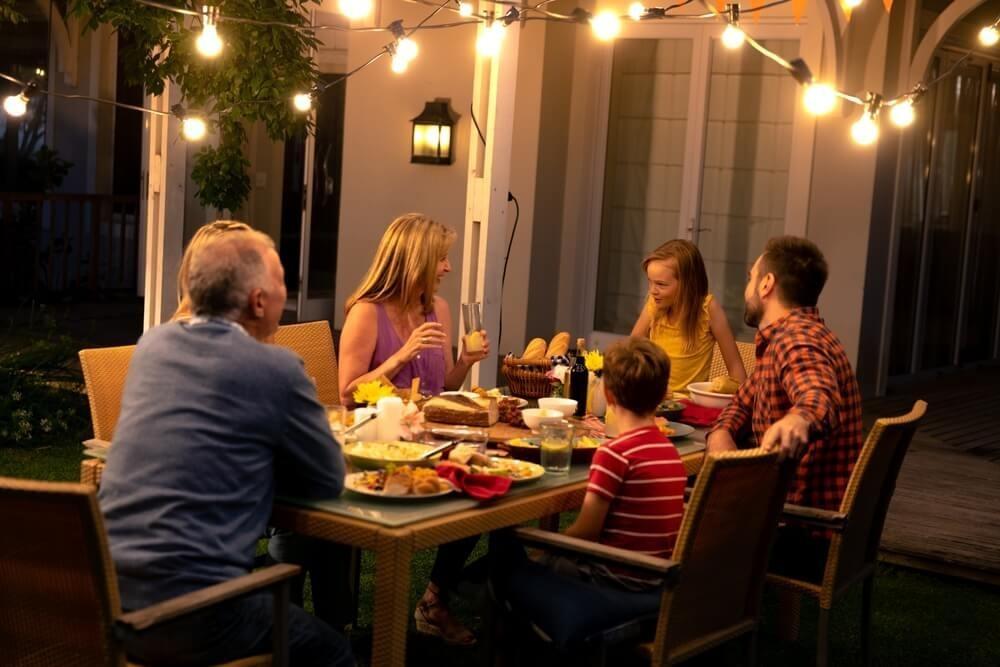
In Tampa Bay, cooler weather usually doesn't last long, so there's no need to completely redesign your backyard for the sake of a few cold weeks. A much more practical approach is to create a flexible outdoor space that you can quickly adapt to changing temperatures and weather conditions.
Textiles, wind protection, additional lighting, and a safe heat source can help extend the outdoor season. And if you take care of storage and furniture protection in advance, your patio will remain comfortable not just in the fall but throughout the winter.


ABOUT TampaBayTide
FOR BUSINESS