


How to Choose the Right Massage for Your Needs


Massage is no longer just a way to unwind after a long week. Today, people book massage appointments for many different reasons: to relieve neck tension after long hours at a computer, help muscles recover after workouts, ease the physical discomforts of pregnancy, or simply enjoy an hour of uninterrupted relaxation.
With so many massage styles available, though, choosing the right one can feel overwhelming. Swedish massage, deep tissue, sports massage, lymphatic drainage, prenatal massage – which one is the best fit for you?
The answer depends on your goals, your overall health, and what you hope to get from the session.
If You Want to Relax After a Stressful Week
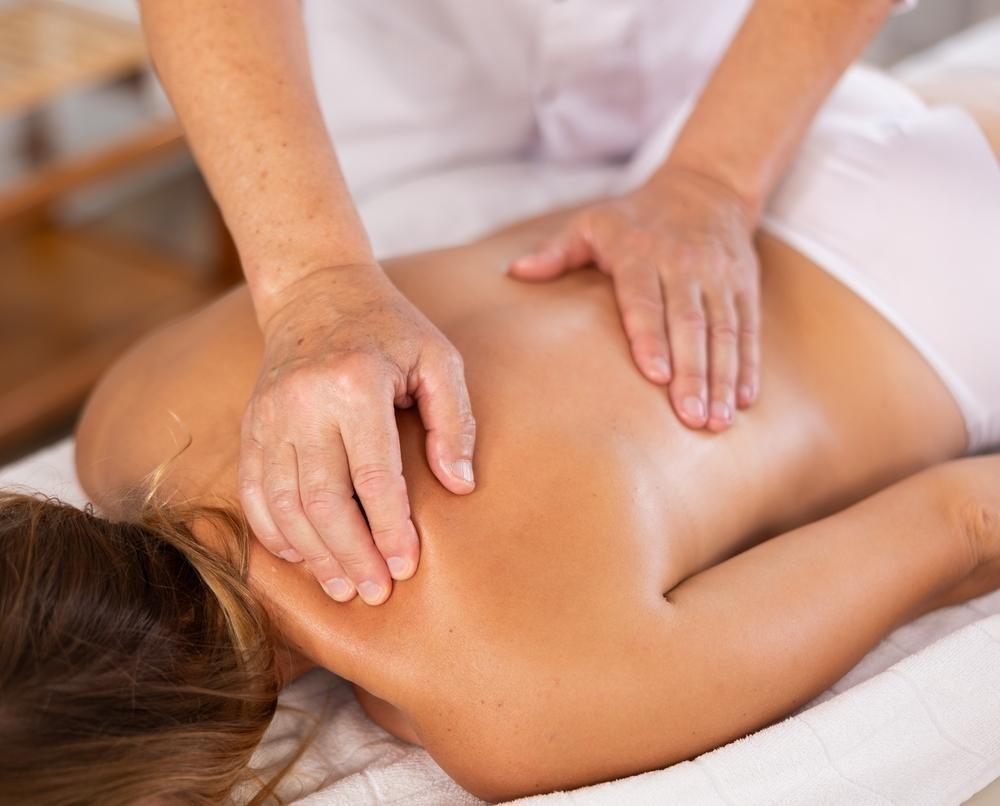
If you're constantly tired, spend most of your day at a computer, deal with ongoing stress, or simply haven't made time for yourself lately, a Swedish massage is often the best place to start.
This is one of the most popular massage techniques. It uses long, flowing strokes, gentle kneading, and light to moderate pressure to help reduce muscle tension, improve circulation, and promote deep relaxation.
If you've never had a professional massage before, Swedish massage is often recommended as your first experience.
Many spas also offer aromatherapy massage using essential oils. While it isn't intended to treat medical conditions, many people find that it helps them relax and disconnect from everyday stress even more quickly.
If You Have Neck, Back, or Shoulder Pain
After a long workday, many people experience stiffness in the neck, shoulders, upper back, or lower back. In these situations, Deep Tissue Massage is often recommended.
Unlike Swedish massage, deep tissue massage targets the deeper layers of muscles and connective tissue. It may help relieve chronic muscle tension, although it typically involves firmer pressure.
Keep in mind that if pain comes on suddenly, is accompanied by numbness, weakness, or follows an injury, you shouldn't try to "massage it away." It's best to see a healthcare provider first to determine what's causing your symptoms.
Sports Massage
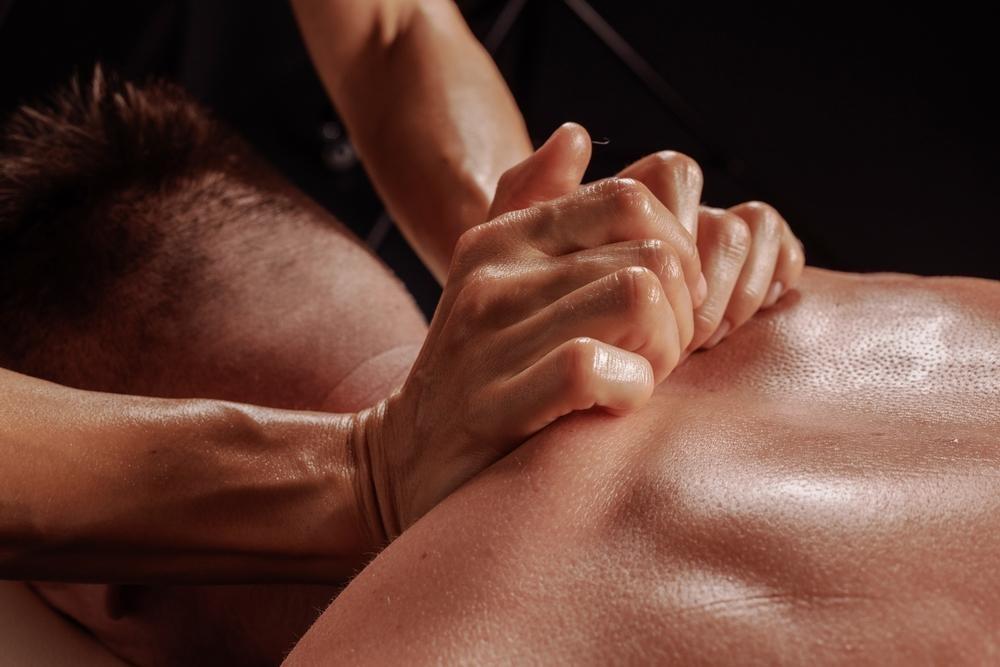
Sports massage isn't just for professional athletes.
It can also benefit anyone who regularly goes to the gym, runs, plays tennis, swims, practices yoga, or participates in other forms of physical activity.
Depending on your needs, sports massage may be used before exercise to prepare muscles for activity or afterward to support recovery and reduce stiffness.
If certain muscle groups consistently feel tight or overworked after exercise, sports massage may be a better option than a traditional relaxation massage.
If You Simply Want to Unwind
Sometimes the reason for booking a massage is simple – you just want to relax, recharge, and spend an hour away from your phone, work, and daily responsibilities.
In that case, a Swedish massage, Hot Stone Massage, or a spa treatment that combines several techniques is usually the best choice. These treatments focus less on intensive muscle work and more on helping your body fully relax.
If you're not sure which option is right for you, tell your massage therapist about your goals and any areas of concern. An experienced therapist can recommend the treatment that best matches your needs.
Prenatal Massage
Pregnancy places unique demands on the body, so a regular massage isn't always appropriate.
Prenatal Massage is specifically designed for expectant mothers. Therapists use techniques that take into account each stage of pregnancy and the physical changes that occur during this time. Prenatal massage may help reduce strain on the lower back, legs, and shoulders while improving overall comfort and easing fatigue.
However, you should always check with your healthcare provider before scheduling a prenatal massage, especially if your pregnancy involves any complications.
Lymphatic Drainage Massage
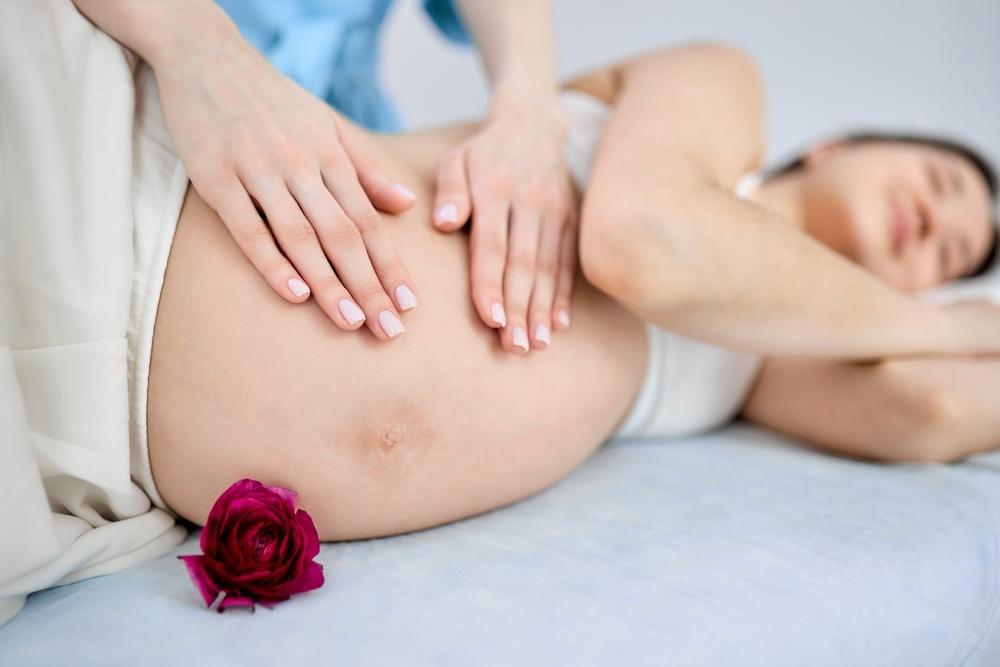
Lymphatic drainage massage is designed to encourage the movement of lymph, the fluid that helps remove waste products from the body and supports immune function. Unlike many other massage techniques, it uses very light, rhythmic movements.
People often choose this type of massage to help reduce swelling, ease the feeling of heavy legs, or support recovery after certain medical procedures. In some cases, it may also be recommended after surgery, but only with a physician's approval and when performed by a therapist with specialized training.
It's important to have realistic expectations. Lymphatic drainage massage will not "detox" your body or produce rapid weight loss. Those claims are not supported by sufficient scientific evidence. Its primary purpose is to improve lymphatic flow and reduce swelling when medically appropriate.
Anti-Cellulite Massage
Anti-cellulite massage remains a popular treatment, although it isn't talked about as much as it was a decade ago.
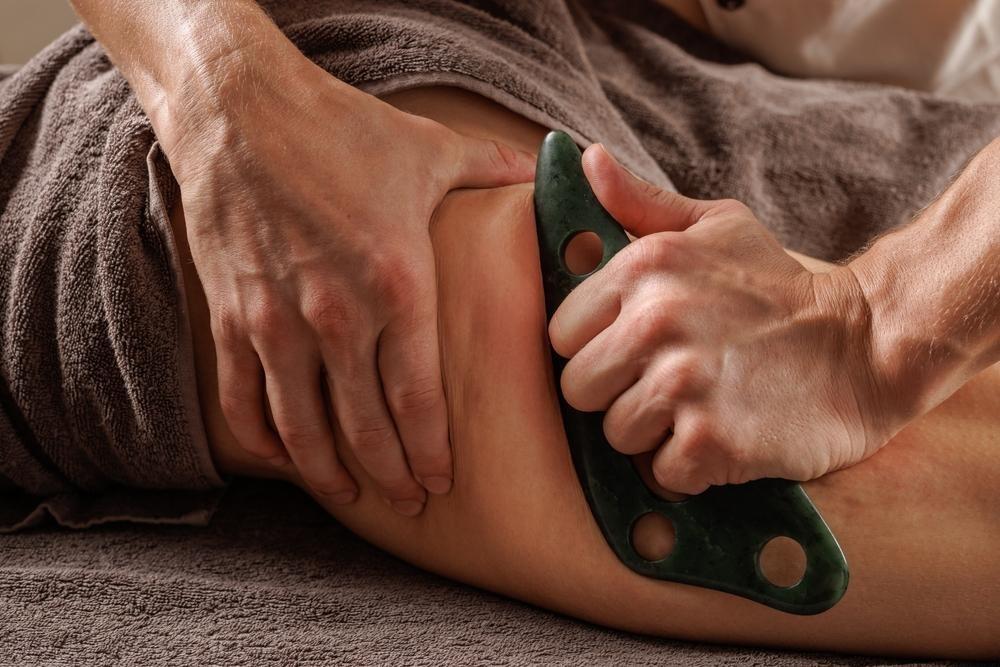
This type of massage uses fairly intensive techniques that increase local circulation and may temporarily make the skin appear smoother. That's why many people notice visible improvements after several sessions.
However, no type of massage can "break up fat" or permanently eliminate cellulite. Cellulite is related to the structure of fat beneath the skin and the surrounding connective tissue, so massage does not address its underlying cause.
If your goal is to improve the appearance of your skin, anti-cellulite massage may be one part of a broader skincare routine. But if someone promises to completely eliminate cellulite in just a few sessions, it's wise to be skeptical.
Should a Massage Be Painful?
There's a common myth that the more painful a massage is, the more effective it will be.
That's simply not true.
Some techniques – especially deep tissue and sports massage – can cause some discomfort. However, severe pain is not a sign that the treatment is working better.
During your session, communicate openly with your massage therapist. If the pressure feels too intense or causes sharp pain, speak up immediately. A qualified therapist will adjust the technique or pressure to make the treatment both effective and safe.
Mild muscle soreness for a day or two after an intensive massage can be normal, but severe pain or worsening symptoms should be evaluated by a healthcare provider.
Massage Is Not a Substitute for Medical Care
Massage can help reduce muscle tension, improve mobility, and support overall well-being, but it should not replace medical treatment.
If you're seeking help for chronic pain, an injury, or a musculoskeletal condition, choose the right professional for your specific needs. Massage therapists, Physical Therapists, Chiropractors, and Licensed Acupuncturists have different education, licensing requirements, and scopes of practice.
Be especially cautious with treatments that involve forceful spinal manipulation or the insertion of needles. These approaches may be beneficial in certain situations, but only when performed by a qualified, licensed professional after evaluating your health.
If someone claims they can "put every vertebra back into place" in a single visit, promises to cure every type of pain, or practices without verified credentials, consider it a major red flag. Your health is far more important than unrealistic promises of quick results.
How to Prepare for Your First Massage
Most people don't need to do anything special before a massage, but a few simple steps can help make your appointment more comfortable.
Avoid arriving immediately after a large meal. It's also a good idea to stay hydrated throughout the day. Before the session begins, tell your massage therapist about any previous surgeries, injuries, chronic medical conditions, pregnancy, or areas that are especially sensitive.
During the massage, don't hesitate to speak up if you're cold, uncomfortable, or if the pressure feels too strong – or not strong enough. A massage should be tailored to your needs, not the other way around.
After your appointment, give yourself a little time to relax. If possible, avoid scheduling an intense workout or heavy physical labor immediately afterward.
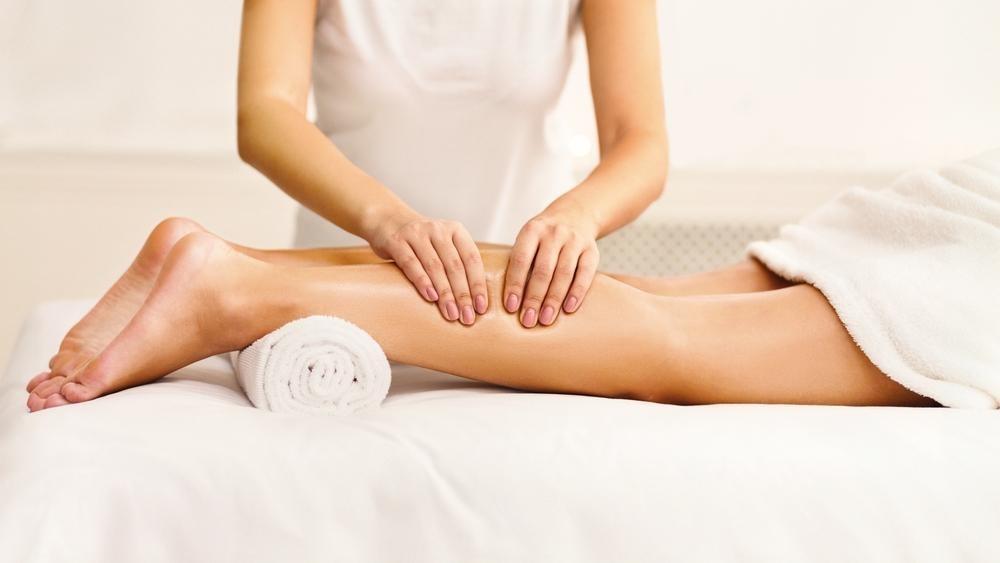
Which Massage Is Right for You?
If your primary goal is relaxation and stress relief, a Swedish massage or a gentle spa treatment is usually the best choice.
For chronic muscle tension in the neck, shoulders, or lower back, Deep Tissue Massage may be more appropriate, while people who exercise regularly often benefit most from Sports Massage.
Expectant mothers should choose Prenatal Massage performed by a therapist with appropriate training.
Most importantly, don't look for the "best" massage. There isn't one technique that's right for everyone. The best massage is the one that matches your individual goals, health, and personal needs.
If you're looking for a massage therapist in Tampa Bay, browse our directory to compare professionals who specialize in different massage techniques and find the one that's the best fit for you.


ABOUT TampaBayTide
FOR BUSINESS