


How Orange Groves and Railroads Shaped Dunedin

Dunedin is often considered one of the most charming towns in the Tampa Bay area. Its historic downtown, waterfront, bike trails, festivals, cozy cafés, and historic buildings all contribute to its unique character. But if you want to understand how the town became what it is today, a visit to the Dunedin History Museum is well worth your time.
This small museum tells the story of Dunedin from its earliest settlers to the present day. The exhibits are thoughtfully organized without overwhelming visitors with information, making it an enjoyable experience even for those who don't usually visit museums.
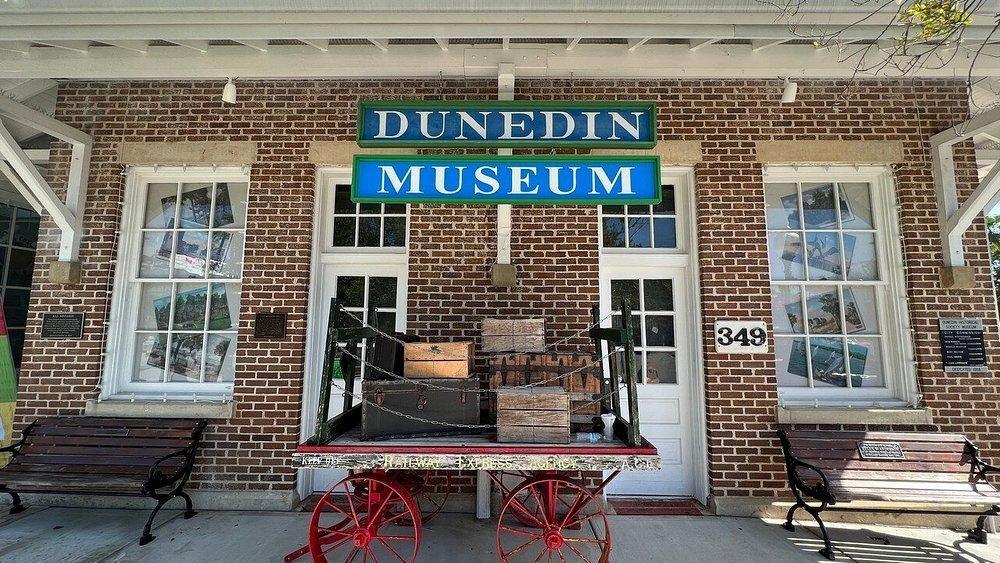
The museum introduces visitors to how a small settlement gradually grew into one of the most important communities along Florida's Gulf Coast.
Special attention is given to the town's Scottish heritage. The name "Dunedin" is the English form of the Gaelic name for Edinburgh, and many of the town's earliest residents were of Scottish descent. That heritage is still celebrated today during the annual Dunedin Highland Games & Festival, when the town comes alive with bagpipes, Highland dancing, athletic competitions, and celebrations of Scottish culture.

One of the most fascinating parts of the museum focuses on the citrus industry.
In the late 19th and early 20th centuries, Dunedin was an important center for orange production. Visitors can see photographs of citrus groves, vintage fruit shipping crates, advertising materials, and farming tools used by local growers.

The railroad played an equally important role in the town's development. It made it possible to transport citrus crops quickly and helped drive economic growth throughout the region. This new transportation link transformed everyday life and established Dunedin as one of Florida's promising communities.
The museum is housed inside the former railroad depot, built in 1924. For more than 60 years, passenger and freight trains arrived here carrying citrus, delivering goods, and supporting the town's growth. After rail service ended in 1987, the historic depot was preserved and today serves not only as a museum but also as one of Dunedin's most recognizable landmarks. The railroad tracks that once ran alongside the depot weren't simply removed – they were transformed into the Pinellas Trail, one of Florida's most popular biking and walking trails.
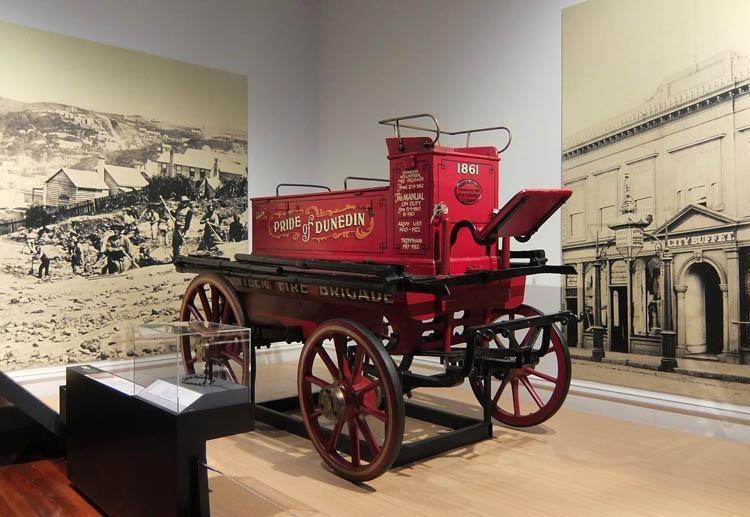
The collection includes furniture, household items, clothing, tools, school supplies, and countless everyday objects that help visitors picture what life was like for local residents over the past century.

Historic photographs add even more character to the museum. They capture streets, shops, schools, fishing boats, community celebrations, and everyday life long before Dunedin became a popular tourist destination.
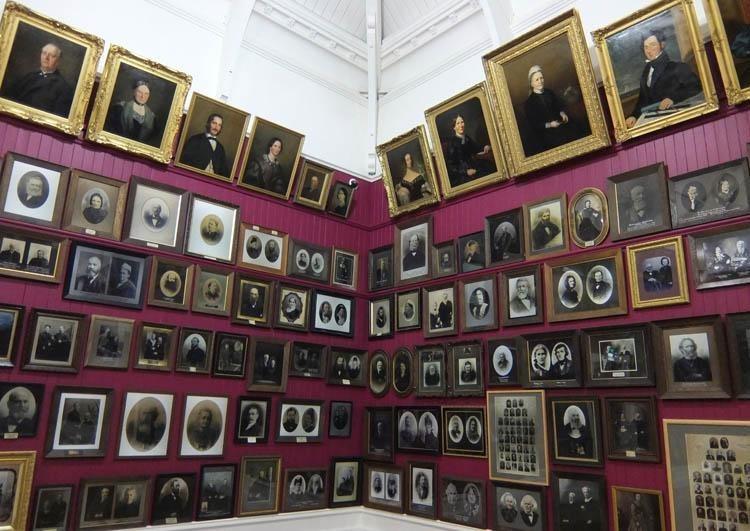
Although the museum is relatively small, it works hard to make local history engaging for both children and adults. Temporary exhibits, educational programs, and interactive activities are regularly offered, highlighting different periods of Dunedin's history.
As a result, even local residents who have visited before can often find something new to discover.
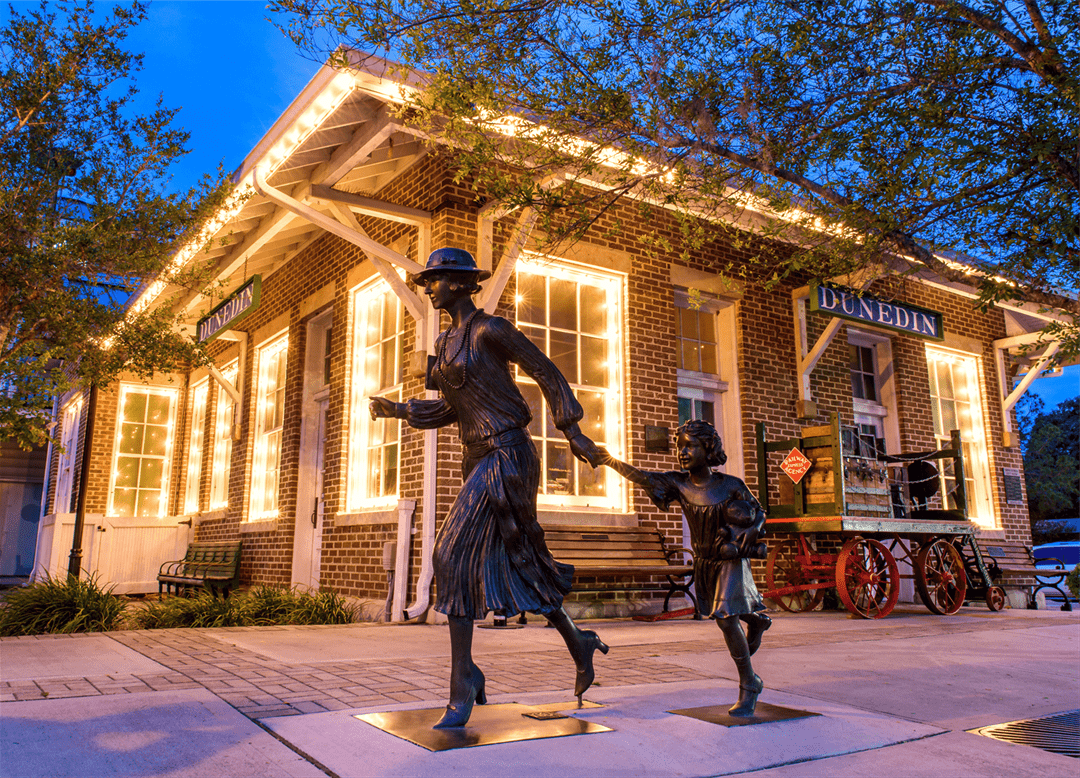
The Dunedin History Museum may not be one of Florida's largest museums, but that's part of its appeal. Most visitors can explore the exhibits in about an hour, then continue their day by strolling through the historic downtown, browsing local shops, or heading to the waterfront.


ABOUT TampaBayTide
FOR BUSINESS