


From Farm to Table: Where to Shop for Fresh Local Food in Tampa Bay


Local food has become a major culinary trend in recent years, and Tampa Bay offers far more ways to shop for locally sourced products than just farmers markets selling fruits and vegetables. The area is home to organic farms, small livestock farms, specialty butcher shops, and seafood markets that work directly with local producers and fishermen.
Here’s where to find them and how to choose the best ingredients for your home cooking, including quality local products for your holiday table.
Seasonal Vegetables, Fruits, and Berries
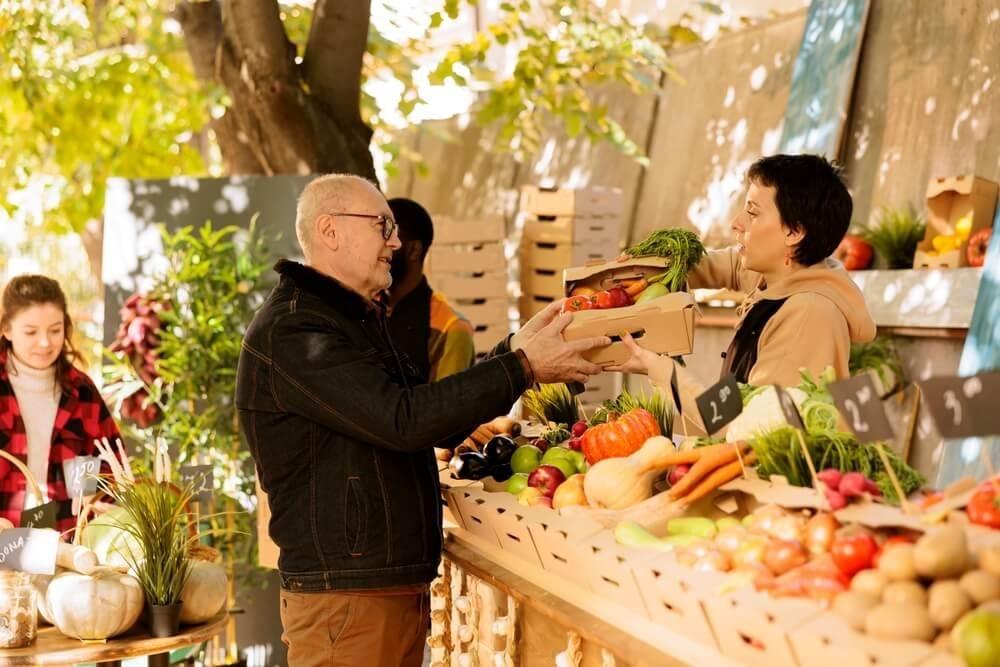
Farmers markets and small farms are the best places to find seasonal produce. Some local favorites include Sweetwater Organic Community Farm in Tampa, Tampa Downtown Market, St. Petersburg Saturday Morning Market, Dunedin Downtown Market, and Fresh Market at Hyde Park Village. These markets offer plenty of options for both everyday meals and special holiday menus.
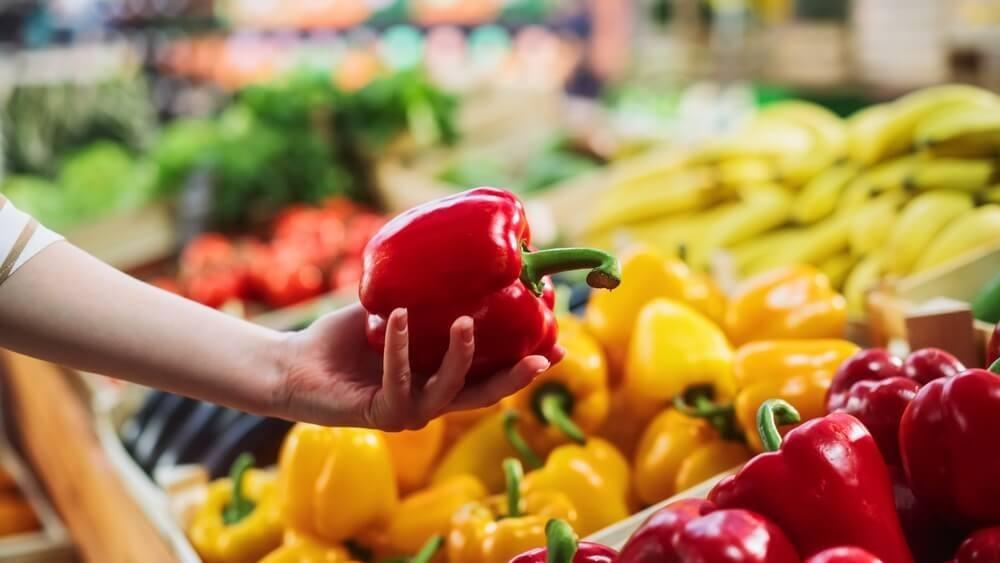
Bell Peppers. Choose peppers that feel heavy for their size, with smooth, firm skin and thick walls. Avoid peppers with wrinkles, soft spots, cracks, or dark patches near the stem. Green peppers tend to have a more pronounced, slightly bitter flavor, while red, yellow, and orange varieties are sweeter. Florida's local season starts in November and continues through spring, making this a great time to pick up peppers for roasting and serving alongside turkey.
Cabbage. Pick up the head to check its weight: fresh cabbage should feel heavy and firm for its size. The outer leaves should fit snugly around the head, feel crisp, and have no major damage. Avoid heads with cracks, slimy spots, or signs of rot near the base. Locally grown cabbage starts appearing at markets in December, making it worth looking for when preparing winter salads and side dishes.
Passion Fruit. Ripe passion fruit has a strong, fragrant aroma, and its skin can be either smooth or wrinkled. Slight wrinkling is a normal sign of ripeness, but overly soft spots, mold, or visible damage indicate spoilage. Choose fruit without cracks that feels heavy for its size, as this usually means it has plenty of juicy pulp inside. In Florida, passion fruit is harvested in fall and winter, and its sweet-tart flavor works especially well in desserts and fruit sauces.
Guava. Ripe guava has a distinctively sweet aroma, and its skin gradually changes from green to yellowish. The fruit should give slightly when pressed but shouldn't feel mushy or have dark spots or damaged areas. If it's too firm, it needs more time to ripen. Guava is great for making jams, sauces, and desserts.
For more on seasonal strawberries and other vegetables worth looking for at local markets, check out our previous article, "What's Fresh at Tampa Bay Farmers Markets This Fall."
Fresh Seafood from the Gulf of Mexico
Local seafood is more than just a delicacy; it's an essential part of the region's food culture. The Gulf of Mexico is home to grouper, red snapper, shrimp, crabs, and many other seafood favorites. You can find them at specialty markets that work directly with fishermen and local suppliers, such as West Fortune Fish Market, Ward's Seafood, and Fourth Street Shrimp Store.
A few products are especially worth looking for, as their availability changes throughout the year.
Stone Crab Claws. One of Florida's best-known delicacies, stone crab claws are in season from October 15 through May 1, making them an excellent choice for fall and winter holiday meals. Unlike most crabs, only the claws are harvested, and the crab is returned to the water afterward. When shopping, look for intact shells and make sure there is no unusual odor. Stone crab claws are typically sold cooked and chilled. They're traditionally served with mustard sauce, but you can also add the meat to pasta, risotto, or an avocado salad with citrus dressing.
Grouper. Grouper is a popular Gulf fish known for its mild flavor and tender yet firm flesh. It's a great choice for baking, grilling, or pan-frying. When buying fillets, look for firm flesh, natural coloring, and no strong or unpleasant smell. If you're buying a whole fish, its eyes should be clear and its gills should look fresh. Ask the fishmonger which type of grouper is available. Red grouper and gag grouper are among the most common varieties sold locally.
Florida Pink Shrimp. Florida pink shrimp are generally available from May through December, making them especially appealing for fall and pre-holiday menus. Serve them as an appetizer, toss them with pasta, or use them in a main course. Choose firm shrimp with no ammonia-like smell, sticky coating, or dark spots. If you're buying peeled shrimp, the meat should be firm and show no signs of becoming waterlogged.

Red Snapper. Red snapper is particularly worth looking for in winter, with peak availability in Florida running from December through June. It has delicate white flesh that works well when baked whole or prepared as fillets. Look for firm flesh, naturally pinkish-red skin, and a clean, fresh ocean scent. You can buy a whole fish and ask the fishmonger to prepare it for baking.
Meat and Poultry from Local Farms
If you want to know where the meat on your table comes from, consider shopping at small farms and butcher shops that work with Florida producers. They may offer grass-fed beef, pasture-raised pork, chicken, and turkey. Some convenient places to start include Meacham Urban Farm, Restoration Ridge Farm, and St. Pete Meat & Provisions.
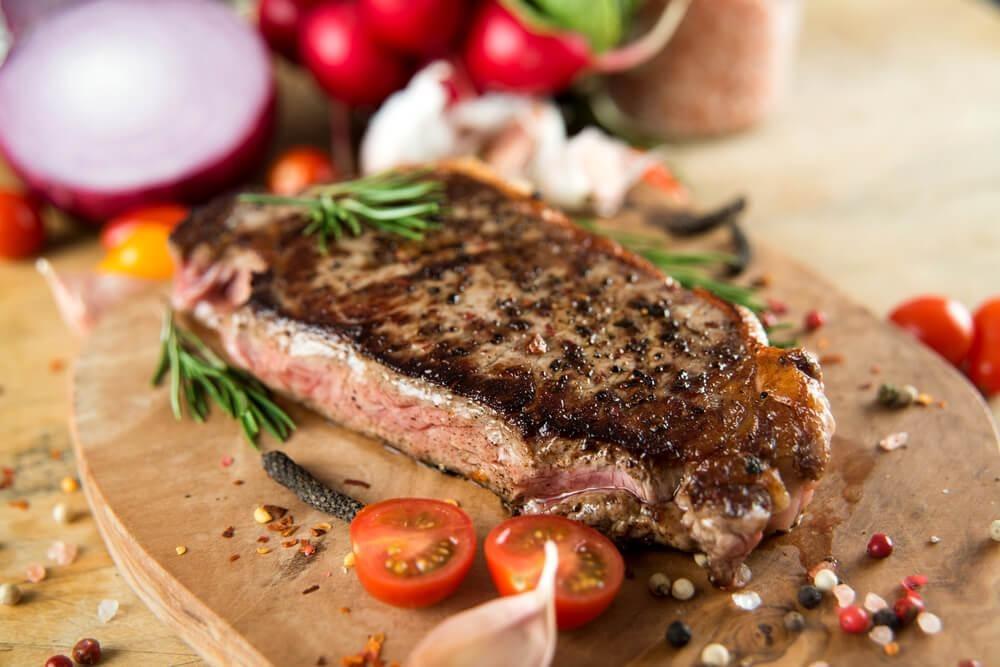
Grass-fed Beef. Beef from cattle raised primarily on grass is generally leaner than beef from grain-fed cattle. It tends to contain less total fat, while the proportion of omega-3 fatty acids and conjugated linoleic acid (CLA) may be higher. It also often has a more pronounced, less neutral flavor and a firmer texture. Because it has less marbling, grass-fed beef can dry out more easily during cooking. For roasting, consider cuts like ribeye or sirloin, while chuck roast works well for slow cooking. Choose cuts with a natural red color and evenly distributed fat. Ask the butcher whether the cattle were fed exclusively grass throughout their lives or whether grain was also part of their diet.
Pasture-raised Pork. Pigs raised with access to pasture can supplement their diet with vegetation and other natural forage, making their living conditions different from those on conventional intensive farms. Their diet and breed can affect both flavor and fat composition. The meat may have a more pronounced flavor and a different fat content than standard grocery store pork. Buyers also have the opportunity to find out which farm raised the animal and what it was fed. Pork loin and pork shoulder are good choices for roasting. Fresh pork should be pink, with white or cream-colored fat, and have no slimy coating or unpleasant odor. Before purchasing a large cut, ask the butcher about its fat content and the best way to cook it.
Pasture-raised Chicken. Chicken from birds with access to open pastures can differ from conventionally raised poultry in more than just living conditions. Their meat may be firmer because they move around more, and the flavor can be more pronounced. However, the results depend on the breed, age, and diet. The higher price also partly reflects the farm's costs of raising birds with access to outdoor space. If you're planning to roast a whole chicken, choose one with intact skin, no unpleasant odor, and no excess liquid in the packaging. Check whether the chicken is specifically labeled pasture-raised rather than simply free-range, as these terms describe different living conditions.
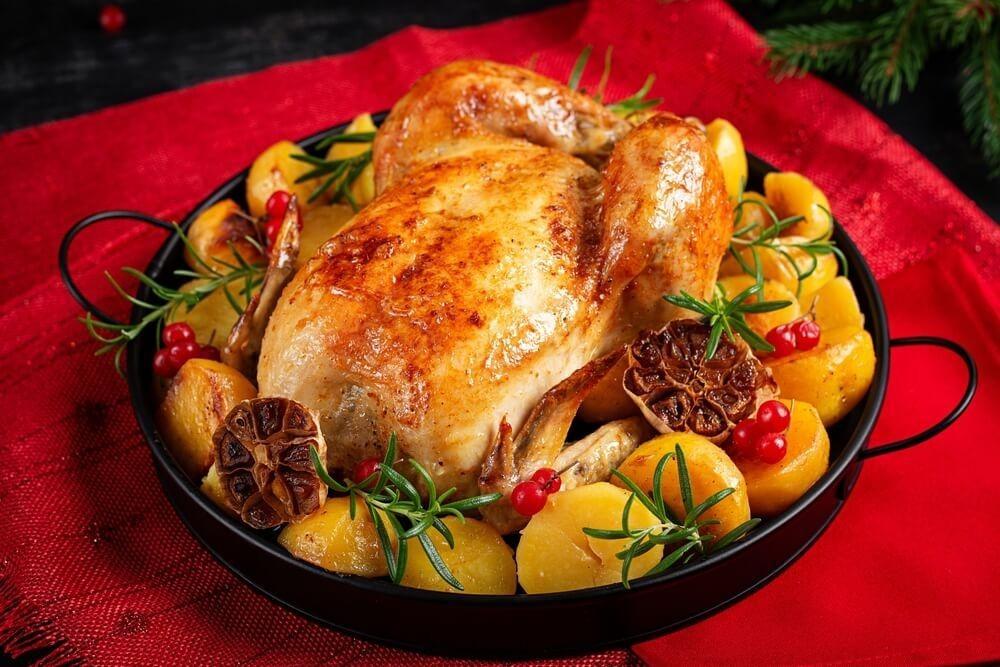
Whole Turkey. A turkey from a small farm may offer something different from a standard grocery store bird thanks to its breed, diet, and raising practices. Some small farms raise heritage breeds, traditional turkey varieties that grow more slowly and tend to have firmer meat and a more pronounced flavor. However, not every farm-raised turkey is automatically better, so it's worth asking about the breed and raising conditions before placing an order. These birds are usually available in limited quantities, so you'll need to order ahead. Ask about the bird's weight, whether it will be sold fresh or frozen, and when you can pick it up. For holiday meal planning, allow approximately 1-1.5 pounds of raw turkey per guest, depending on the number of side dishes and how many leftovers you'd like.
How to Make Sure Your Food Is Truly Local
Labels such as Fresh, Natural, or Farm Fresh don't necessarily mean a product was grown or raised near Tampa Bay. If local sourcing matters to you, look for specific labels and don't hesitate to ask vendors questions.
For fruits and vegetables, look for the Fresh From Florida label, a program run by the Florida Department of Agriculture and Consumer Services that helps shoppers identify products grown or produced in the state. At farmers markets, ask where the farm is located and whether the vendor is selling their own harvest.
When buying meat, ask for the farm's name, how the animals were raised, and where the specific cut came from. The labels grass-fed, pasture-raised, and organic have different meanings and are not interchangeable. Grass-fed means cattle were fed primarily grass; pasture-raised means animals had access to pasture and outdoor space; organic means the farm follows certified organic production standards, including requirements for animal feed and the use of antibiotics and hormones. A product can meet several of these criteria at once, but each label should be verified separately.
For seafood, knowing the species isn't enough; you should also find out where it was caught. Even markets specializing in local fish may carry imported products or seafood from other regions. Ask about the product's origin and when the catch was received.
Finally, keep in mind that seasonal availability doesn't guarantee a particular product will always be in stock. Weather, harvest volumes, fishing conditions, and supply chains can all affect what's available, sometimes even from one week to the next. If you're looking for a specific fruit variety, cut of meat, or seafood item for your holiday menu, it's best to contact the vendor ahead of time..
Let your shopping bring some variety to your home-cooked meals throughout fall and winter while supporting local producers.


ABOUT TampaBayTide
FOR BUSINESS
FIND US ON SOCIAL