


freeFall Theatre in St. Petersburg: A Small Stage With Big Ideas


Tampa Bay has a vibrant theater scene: there are large venues that host touring musicals, concerts, and major productions. And then there is freeFall Theatre in St. Petersburg – a professional theater with its own stage, an intimate atmosphere, and a repertoire where a classic story, contemporary drama, musical production, or show that literally draws the audience into the action can appear side by side.
How freeFall Theatre Began
The history of freeFall Theatre began in 2008, when actor and director Eric Davis founded the theater company with Kevin Lane. Its first production was the musical The Wild Party, which was presented at Studio@620 in St. Petersburg. The production immediately demonstrated an approach that would later become characteristic of freeFall: the performance did not simply take place in front of the audience, but used the entire space around them, blurring the usual boundary between the stage and the audience.
Over the following years, the company worked at different venues around Tampa Bay until it found its own space on Central Avenue. In 2010, the founders purchased the former Second Church of Christ-Scientist complex, and after renovations, freeFall opened its own theater space there in 2011.
The property covers about three acres and consists of several buildings. The former church building was transformed into a complex combining theater, educational, and community spaces. This format was part of the founders' vision: freeFall was meant to be more than a place where performances were shown several times a month. It was intended to become part of the city's cultural life.
How freeFall Differs From a Large Theater Stage
The main feature of freeFall is its scale. Its productions take place in a small black-box theater that seats approximately 140-150 people.
This changes the way a performance is experienced. There is no huge distance between the stage and the last row, and directors can experiment with the placement of sets, actors, and the audience itself. For freeFall, the black-box format has become more than a way to fit a theater into a small space; it is a tool for creating different theatrical worlds.
In past productions, audience members could find themselves literally inside the performance space. The theater has used immersive approaches since its early years, with The Wild Party serving as one of the early examples of this format. Other freeFall productions have also experimented with where exactly the action takes place and how close the audience is to it.
That is why even a familiar story at freeFall can look different from what you might expect to see.
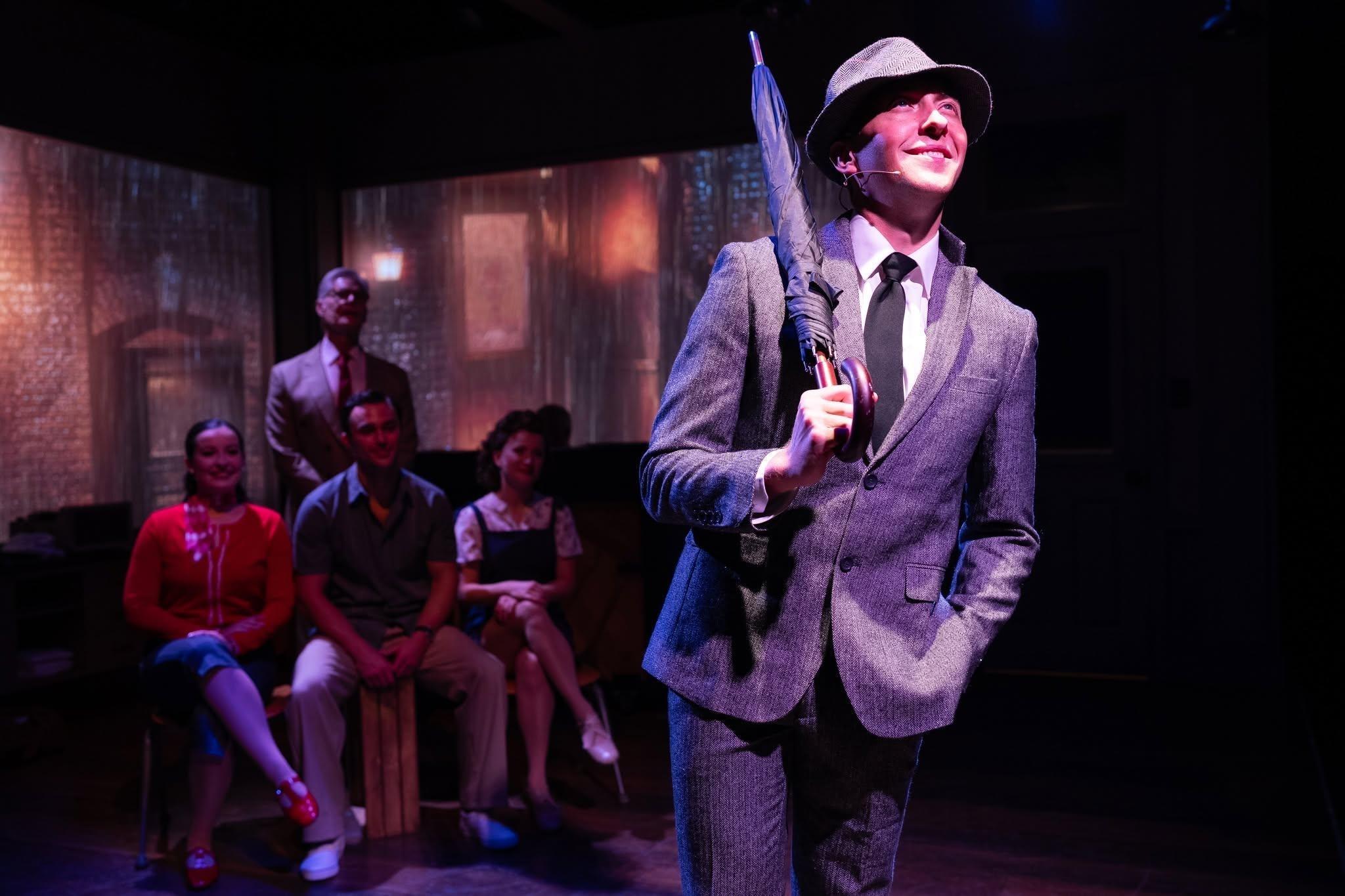
The freeFall repertoire is difficult to reduce to a single genre. The theater stages musicals, dramas, comedies, and contemporary plays, while also developing original productions and experimental theatrical formats.
Over the years, the theater has presented both well-known classics and new works written specifically for the stage or adapted from other sources. For example, past productions have included A Midsummer Night's Dream, Man of La Mancha, and One Flew Over the Cuckoo's Nest, along with contemporary American plays and musical productions.
An important part of the repertoire consists of productions created by the freeFall team itself. Artistic director Eric Davis and other members of the company have repeatedly worked not only as actors, but also as writers, directors, and creators of productions.
This approach helps the theater remain quite flexible. One season may include a production built around a well-known story, while the next show may be a contemporary experiment or a completely new interpretation of familiar material.
What You Can See at freeFall Theatre in Fall 2026
The 2026-2027 fall season demonstrates the breadth of freeFall's repertoire particularly well. The first production of the season was What a Glorious Feeling!, which tells a fictional story about the events behind the scenes of the creation of the classic film Singin' in the Rain. The production combines theater history with the music, songs, and dancing of Hollywood's Golden Age. It runs through October 4, 2026, so the first few days of October are the last opportunity to see it live.
The next event on freeFall's program will be a concert performance by Allison Nash and Alejandro Arenas on October 8. This event differs from the season's main theatrical productions and shows that the venue is not used exclusively for its regular theater repertoire.
The main November event will be The Da Vinci Code – a stage adaptation of Dan Brown's international bestseller. The premiere is scheduled for November 6, with performances running through December 6, 2026. The story centers on Professor Robert Langdon and cryptologist Sophie Neveu as they try to solve a mystery that begins in Paris and takes them to London and other European locations. The story combines mystery, secrets, art, and historical puzzles, so the stage version will have a somewhat different rhythm from a conventional dramatic production. The show will take place in freeFall's intimate theater, which is particularly relevant for a story built around a tense investigation.
In November, performances are scheduled primarily for Wednesday, Thursday, and Friday evenings, with daytime performances on Saturdays and Sundays. This makes it possible to choose a format depending on whether you want to dedicate an entire evening to the theater or combine the performance with other plans in St. Petersburg.
A Theater Where the Stage Itself Becomes Part of the Story
freeFall Theatre is interesting not only because of the individual titles in its repertoire. Its distinctive feature is the way the theater works with space, the audience, and familiar stories.
This is especially noticeable in productions where the sets fill the entire room or the audience finds itself closer to the actors than expected in a theater setting. Even when a production is not formally immersive, the small black-box space maintains a sense of direct presence. This versatility has been described as one of the theater's defining characteristics: each production can create practically a new world inside the same building.
The theater also continues to experiment with ways of interacting with the audience. For example, this year artistic director Eric Davis discussed a planned project called The Nancy Drew Files, which is intended to go beyond a traditional performance and become a kind of citywide mystery game. The concept involves clues and elements of the story appearing in different locations around the city and gradually leading participants to events at the theater.
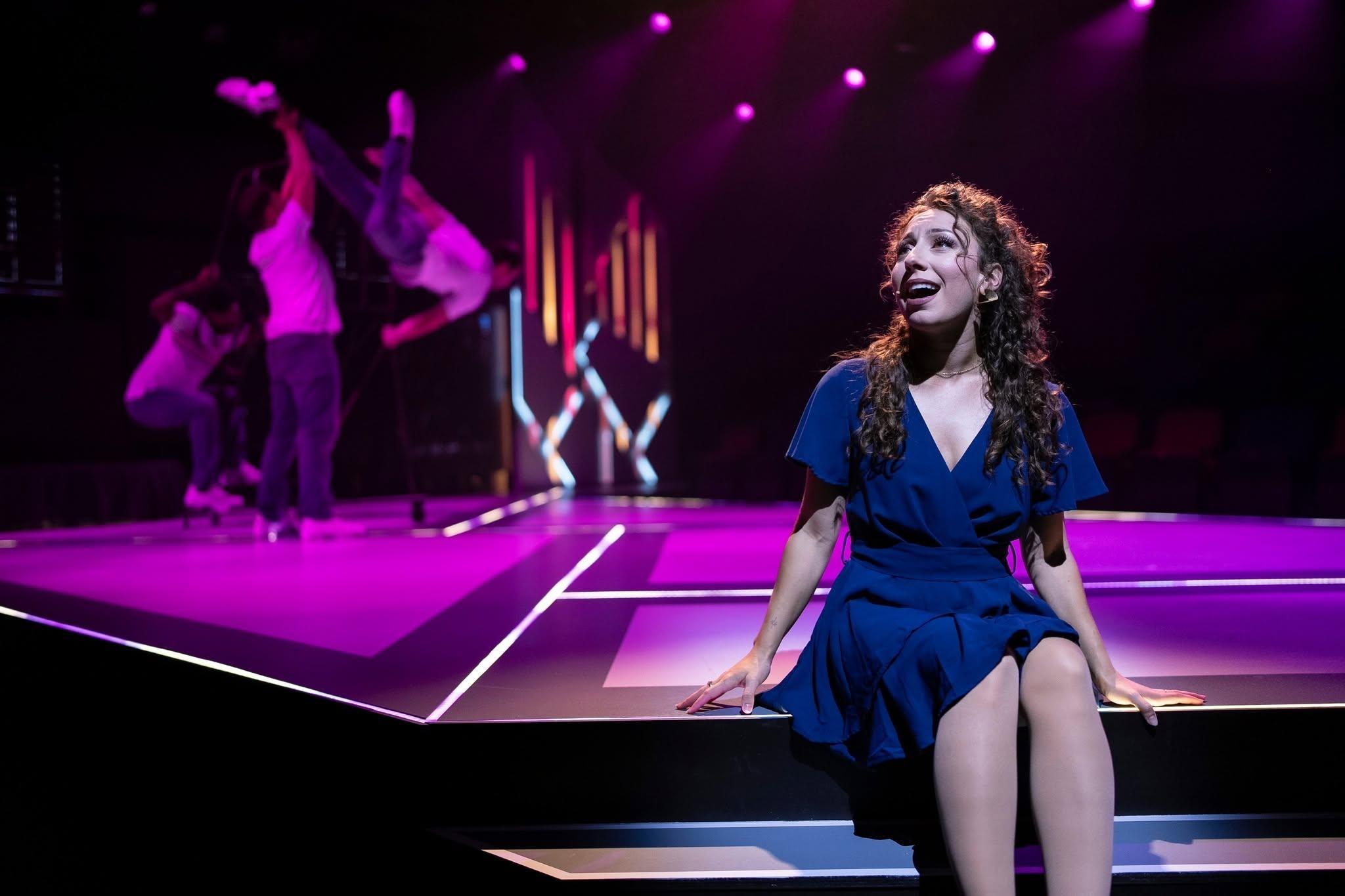
freeFall Theatre remains one of those St. Petersburg venues where it is worth paying attention not only to the titles on the program, but also to the format of the productions themselves. Its small stage gives the theater an opportunity to experiment with space, bring actors closer to the audience, and approach familiar stories in new ways. freeFall can be an interesting part of a St. Petersburg cultural itinerary both for people who regularly attend local theaters and for those simply looking for an unusual evening in the city.


ABOUT TampaBayTide
FOR BUSINESS