


Florida Summer Road Trip: How to Prepare for an August Adventure

August is a great time to explore Florida. The Gulf Coast’s beautiful beaches, charming coastal towns, state parks, crystal-clear springs, and theme parks are all waiting to be discovered. At the same time, it's one of the hottest months of the year, and the weather can change dramatically within an hour.
Whether you're planning a summer vacation or just a one-day road trip, taking some time to prepare can make your journey much more enjoyable. A little planning helps you avoid unexpected surprises, stay comfortable, and focus on having fun.

Plan Your Route With Extra Time
Even if two destinations are only a few dozen miles apart, getting there in August can take much longer than expected. Popular beaches, tourist areas, and theme parks attract large crowds, especially on weekends. Summer road construction and brief but heavy thunderstorms can also slow traffic significantly.
Try not to pack your schedule too tightly. It's often better to spend more time enjoying one destination than rushing from place to place. If you run into traffic or need to wait out a storm, you won't have to worry about falling behind your own itinerary.
It's also a good idea to check the operating hours for museums, state parks, boat tours, and other attractions before you leave. Some locations adjust their schedules during the summer.
Watch More Than Just the Weather Forecast
A sunny Florida morning doesn't guarantee sunshine all day. August is known for brief but intense afternoon thunderstorms with lightning, heavy rain, and strong wind.
Along with checking the temperature forecast, pay attention to thunderstorm warnings, heavy rainfall alerts, and tropical weather updates. August falls during the active part of hurricane season, so if you're planning a multi-day trip, it's smart to monitor the forecast several days ahead instead of checking only on your departure day.
Check Your Vehicle Before You Go
Summer heat puts extra stress on your vehicle, so it's worth taking a few minutes to perform a basic inspection before your trip.
Make sure your air conditioning is working properly and that your coolant level is where it should be. Check your tire pressure, windshield wipers, and windshield washer fluid. During Florida's heavy summer rains, good visibility becomes one of the most important safety factors.
If your route takes you through rural areas or state parks, don't wait until the last minute to fill up your gas tank. Gas stations can be few and far between.
What to Bring
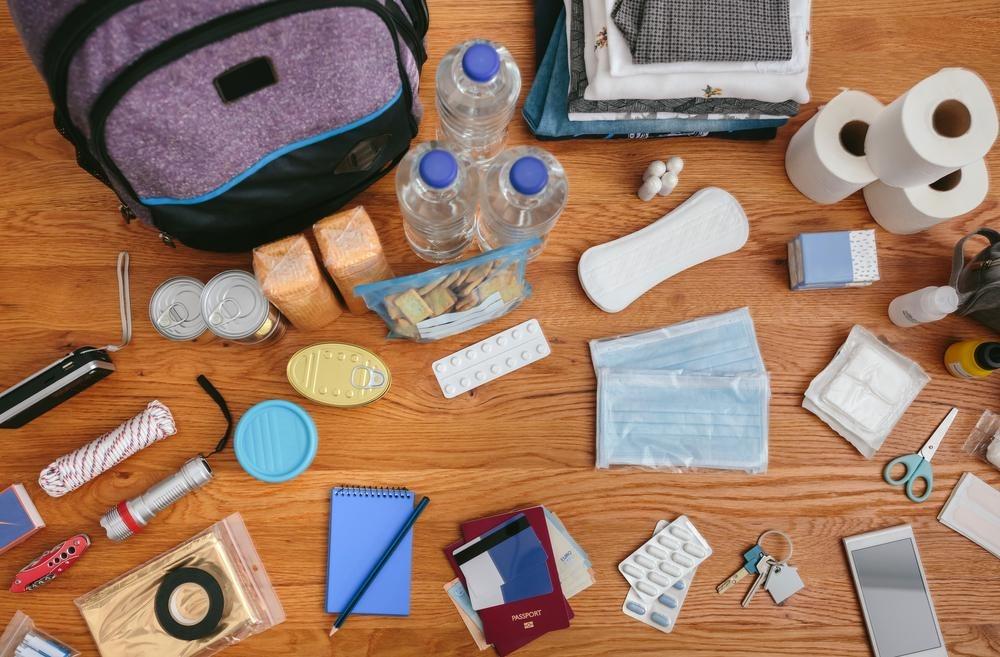
Even a short trip is more comfortable when you have a few essentials with you. Bring plenty of drinking water, light snacks, sunscreen, a hat or cap, and sunglasses.
Don't forget a power bank and a car charger for your phone. If you're planning to visit natural areas, download offline maps since cell service can be unreliable in some locations.
It's also helpful to pack a small first aid kit, insect repellent, a towel, a change of dry clothes, and a bag for wet items after a beach visit, kayaking trip, or unexpected rainstorm.
One item people often overlook is a lightweight rain poncho. Unlike an umbrella, it won't get in the way while walking, takes up very little space, and comes in handy at theme parks, outdoor attractions, and guided tours.
Don't Leave Heat-Sensitive Items in Your Vehicle
A vehicle parked in the sun heats up very quickly. In a short amount of time, the temperature inside can reach dangerous levels.
Avoid leaving laptops, tablets, cameras, power banks, medications, aerosol cans, cosmetics, or anything else that's sensitive to high temperatures inside your car. The same goes for carbonated drinks and perishable food.
And, of course, never leave children or pets inside a parked vehicle, even for a few minutes.
Be Prepared for the Heat
In August, temperatures frequently climb above 90°F (32°C), and the high humidity makes it feel even hotter.
Drink water regularly, even if you don't feel thirsty. If you're planning long walks or hikes, schedule them for the early morning or evening when the sun is less intense.
Don't underestimate the effects of heat exhaustion. If you begin feeling dizzy, weak, or nauseated, move to a cool place, rest, and rehydrate.
Afternoon Thunderstorms Are Part of Florida Summer
For many visitors, a heavy downpour may seem like a reason to cancel the day's plans. In Florida, however, afternoon storms are simply part of summer. They often last only about 30 minutes before the sun comes back out.
That said, these storms frequently bring dangerous lightning. If you're swimming, kayaking, paddleboarding, or boating, get off the water immediately. Never wait out a thunderstorm under a lone tree or in an open area.

If Your Route Includes Natural Areas
Wildlife preserves, springs, forests, and state parks are some of the biggest reasons to explore Florida, but they require a different approach than visiting cities.
Use insect repellent, stay on marked trails, and keep a safe distance from the water as required by park rules. Just because you don't see an alligator doesn't mean one isn't nearby.
Pay attention to posted signs, and never feed wildlife.
If you're planning to visit a state park, wildlife preserve, go kayaking, take a boat tour, or head anywhere with limited cell service, let someone know where you're going and when you expect to return.
This is especially important if you're traveling alone or with a small group. If your vehicle breaks down, you're delayed by weather, or another unexpected situation arises, someone will know where to start looking if they don't hear from you.
Some natural areas in Florida have weak or no cell signal at all, so having your route available offline can keep you from getting lost. It's also a good idea to save the addresses or GPS coordinates of the places you plan to visit and download offline maps before you leave.
Reserve Popular Activities in Advance
If you're planning to rent a kayak, book a fishing charter, take a boat tour, or spend a night at a campground, don't wait until the last minute to make reservations.
Although August marks the latter part of the summer season, many popular destinations remain busy, especially on weekends.
Consider Making Restaurant Reservations
If you're planning dinner at a popular restaurant, especially in beach towns or along the coast, check whether you can reserve a table in advance. On Friday, Saturday, and Sunday evenings, wait times without a reservation can easily stretch to an hour or more.
Even if you prefer spontaneous travel, it's helpful to identify a few restaurants along your route ahead of time and check their hours. That way, you won't have to spend extra time searching for dinner after a long day on the road.
Traveling With a Pet
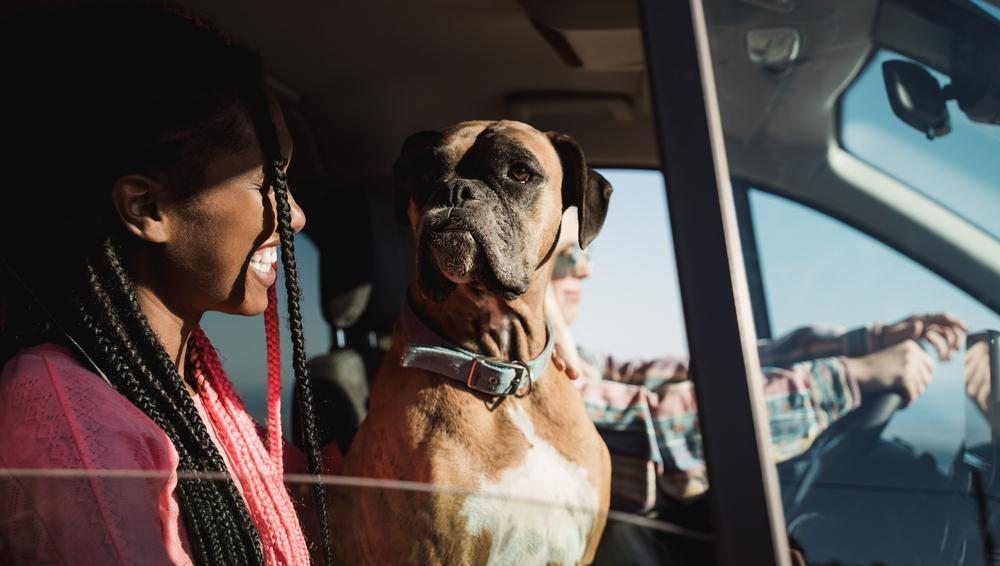
Traveling with a pet requires a little extra planning. Before you leave, make sure every stop on your itinerary truly welcomes pets. This is especially important for hotels, vacation rentals, campgrounds, beaches, boat tours, and some state parks.
Even if a place advertises itself as pet-friendly, review its policies in advance. Some locations only allow dogs of certain sizes, may charge additional fees, or require proof of vaccinations.
Bring plenty of water for your pet, enough food, bowls, a leash, waste bags, a favorite blanket or toy, and never leave your pet in a parked vehicle. During the summer, the temperature inside a car can become life-threatening within just a few minutes.
Have a Backup Plan
The weather isn't the only thing you can't control during a summer road trip, which is why it's helpful to have a few backup options before you leave.
If you have to leave the beach because of a thunderstorm, you could visit a museum, aquarium, indoor entertainment center, or a local coffee shop instead. Having an alternative plan keeps a brief storm from ruining your entire day.
Another practical tip is to carry a small amount of cash. While most businesses throughout Florida accept credit and debit cards, weather-related outages or technical issues can occasionally disrupt electronic payments.
Review Your Insurance Coverage Before You Travel
No one expects to get sick or injured while on vacation, but unexpected situations can happen even during a short trip. A slip on a wet pier, a sprained ankle while hiking, food poisoning, or heat exhaustion may require medical attention.
Before you leave, make sure your health insurance covers care in the area you're visiting. If you'll be outside your regular provider network, verify whether nearby urgent care centers, hospitals, and emergency rooms accept your insurance plan. It's also a good idea to save your insurance company's contact information and know how to quickly locate the nearest medical facility that's in network.

A summer road trip through Florida can create unforgettable memories – from watching the sunrise over the coast to exploring mangrove forests and relaxing at natural springs. The key is to plan for August's weather, allow extra time in your schedule, and prepare for the heat and sudden thunderstorms. A few simple steps before you hit the road can make your trip safer, more comfortable, and much more enjoyable.


ABOUT TampaBayTide
FOR BUSINESS