


Florida Manatee Season: 7 Places to Spot These Gentle Giants This Winter


As cooler weather arrives in Florida, a special wildlife season begins: manatee season. These large, gentle aquatic mammals, often called sea cows, gather near warm springs and canals every year to escape the colder waters of the Gulf of Mexico. It's a wonderful opportunity to see some of Florida's most fascinating native animals in their natural habitat.
There are several places within a comfortable day-trip distance where you can watch manatees, walk nature trails, go kayaking, or explore Florida's small towns. Some locations have dedicated observation areas, while others offer the chance to spot these animals simply by walking along a river.
Here's when to head out in search of manatees and which places deserve a spot on your winter travel list.
When Does Manatee Season Begin in Florida?
Manatees live in Florida's coastal waters year-round, but they're much easier to spot during the winter months. This has to do with their physiology: these animals are highly sensitive to cold temperatures and need water that stays at approximately 68°F or warmer.
As water temperatures in the Gulf of Mexico and nearby coastal waterways drop, manatees begin moving toward natural warm springs, sheltered bays, and canals where heated water is discharged from power plants. They can gather there in groups of dozens or even hundreds.
The main viewing season runs from November through March, although the largest gatherings are generally seen during winter. Days following a cold front are especially good for spotting manatees, as water temperatures drop noticeably. However, you shouldn't expect to see the same number of animals throughout the entire season. On warm days in November, manatees may remain scattered across different waterways, while several cold nights can send them gathering in their winter refuges.
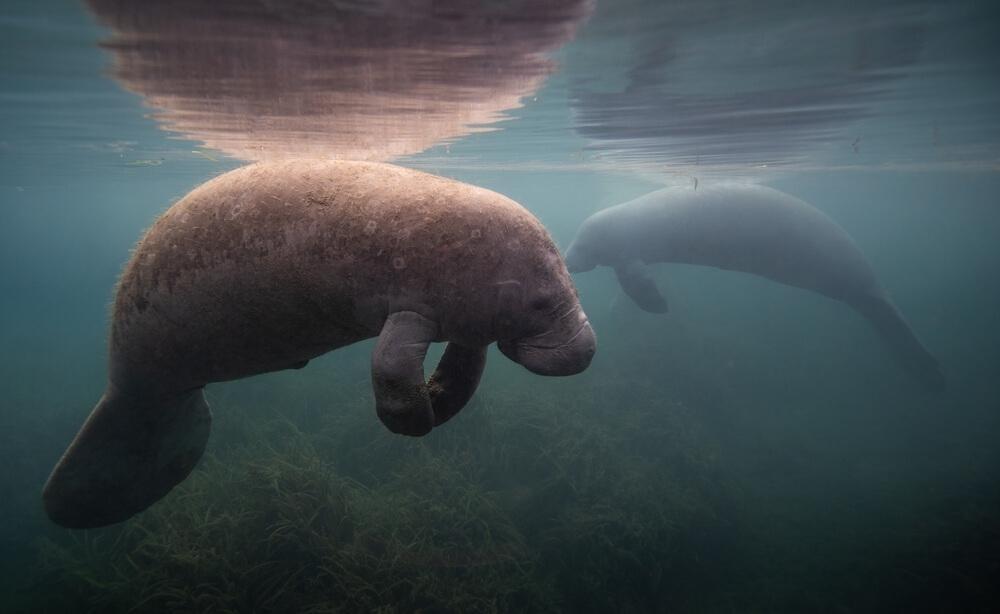
The Best Places to See Manatees
Tampa Electric's Manatee Viewing Center in Apollo Beach. The most convenient place to see manatees without traveling outside the Tampa Bay area is in Apollo Beach. Tampa Electric's Manatee Viewing Center is about a 30-40-minute drive from downtown Tampa and is one of the best-known winter manatee viewing spots in all of Florida.
What makes the center special is its location next to Big Bend Power Station. While the plant is operating, water from Tampa Bay is used to cool its equipment and then returned to the bay through a designated canal. This water is warmer than the surrounding waterways, attracting manatees looking for more comfortable conditions during winter.
On cold days, hundreds of animals can be seen in the canal at once. Last season, for example, a record 2,100 manatees were spotted here in a single day.
Visitors can watch the animals from wooden boardwalks and observation decks without entering the water. The grounds also feature a 50-foot observation tower, a nature trail, an education center, and interactive exhibits about the local ecosystem. New additions for the 2026–2027 season include a permanent stingray pool and an upgraded freshwater turtle habitat with underwater viewing.
Admission and parking are free. This season, the center is open daily from November 1 through April 15, from 10 a.m. to 5 p.m. It is closed on Thanksgiving, Christmas, and Easter. On Christmas Eve, it closes at 3 p.m.
Linda Pedersen Park at Jenkins Creek in Spring Hill. If you'd like to see manatees away from the major tourist attractions, Linda Pedersen Park in Spring Hill is worth a visit. This spacious 135-acre waterfront park stretches along Jenkins Creek, where freshwater springs meet coastal marshes and waters flowing toward the Gulf of Mexico.
Unlike popular viewing centers, this park doesn't have large crowds or specialized viewing facilities. Manatees visit Jenkins Creek during the cooler months, and sometimes you can spot them right from the shoreline or a walking path. It's a good option for anyone willing to wait a little for the chance to see these animals in their natural habitat.
The park itself offers plenty of recreational opportunities. There are picnic areas, a playground, a swimming area, a fishing pier, and access to waterways. Across the road, Jenkins Creek Park has a launch area for small boats and kayaks. So you don't have to limit yourself to a walk along the shore. You can also rent a kayak and explore the surrounding waterways.
This area is particularly appealing to birdwatchers. The coastal marshes and nearby natural areas provide habitat for numerous species of waterfowl and migratory birds.
Linda Pedersen Park is open daily from sunrise to sunset, and admission is free. It's a great spot for a leisurely day outdoors, where you can combine manatee watching with kayaking, fishing, and a picnic.
Spring Bayou in Tarpon Springs. If you'd like to combine manatee watching with a stroll through a charming historic town, Tarpon Springs is an excellent choice. Near Craig Park and Coburn Park, you'll find a small body of water called Spring Bayou, where manatees come during the cooler months.
Unlike dedicated viewing centers, this is a natural spot without extensive tourist facilities. The bayou has a relatively peaceful atmosphere, and you can watch the animals from the shore. Your chances of spotting manatees are generally best from November through May, especially after a cold spell.
Keep in mind that the number of animals varies, and sightings aren't guaranteed. Parking is also limited nearby because the bayou is located in the town's historic district.
Still, its location makes Spring Bayou especially appealing for a day trip. After watching the manatees, you can stroll through Craig Park, explore historic downtown Tarpon Springs, and head to the famous Sponge Docks. This area preserves the town's Greek cultural heritage, which is closely tied to its history of sponge diving. Today, you'll find numerous Greek restaurants, bakeries, souvenir shops, and small museums. You can also book a boat tour or simply spend some time by the water watching local fishermen at work.
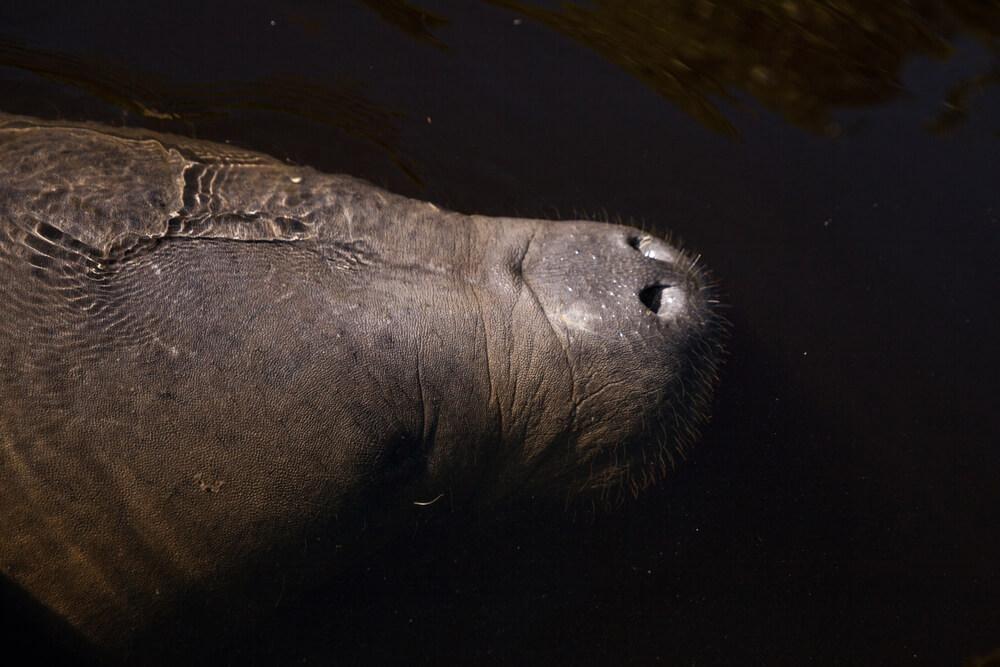
Ellie Schiller Homosassa Springs Wildlife State Park. About an hour and a half from Tampa, you'll find one of the region's most interesting natural attractions: Ellie Schiller Homosassa Springs Wildlife State Park. It's well worth a visit, and not just because of the manatees.
The park's main attraction is its underwater observatory, which allows visitors to watch animals right beneath the water's surface. It's located near the natural Homosassa Springs, where the water stays relatively warm year-round. Thanks to the spring's clear water, visitors can get a good look at manatees swimming nearby without entering the water.
The park is home to manatees under human care, including animals undergoing rehabilitation and those that cannot be returned to the wild. During the winter season, wild manatees also visit the spring in search of warmer water.
In addition to manatees, you can see alligators, black bears, river otters, birds, and other representatives of Florida's wildlife. The grounds feature walking trails, boardwalks, and observation areas, while informational displays provide insight into local ecosystems and wildlife rescue efforts.
Plan to spend at least two to three hours exploring the park. It's an especially good choice for families with children, as there's an opportunity to see not only manatees but also many other Florida animals.
After exploring the park, you can stop by the small town of Homosassa, known for its waterways, fishing, and riverside restaurants. If you'd like to spend more time outdoors, there are numerous natural springs and scenic stretches of the Homosassa River nearby.
Three Sisters Springs in Crystal River. Three Sisters Springs is one of Florida's best-known natural attractions associated with manatees. Located in Crystal River, about an hour and a half from Tampa, it attracts thousands of visitors every year who come to see these animals in the clear waters of its natural springs.
Three Sisters Springs consists of several springs connected by small waterways. With a constant water temperature of around 72°F, this area becomes an important winter refuge for manatees. During colder months, they gather here to escape unfavorable conditions in open waterways.
A network of boardwalks and observation decks surrounds the springs, offering views of the crystal-clear water. Sometimes manatees swim very close to the viewing areas, allowing visitors to get a good look at their movements underwater.
Keep in mind that Three Sisters Springs is part of Crystal River National Wildlife Refuge, and access to the viewing area is organized through a dedicated visitor center. Visitor numbers and access to certain areas may be restricted during the season, so it's best to check ticket availability and visiting requirements in advance.
After walking around the springs, you can spend a few more hours exploring Crystal River. The town is known for its waterways, small restaurants, shops, and outdoor recreation opportunities. You can also book a boat tour or rent a kayak.
For those looking for a special experience, Crystal River offers opportunities to swim with manatees alongside specialized tour operators. It's one of the few places in Florida where guided tours allow visitors to observe wild manatees directly in the water. However, these excursions follow strict rules that require passive observation without chasing or touching the animals.
Chassahowitzka River and Chassahowitzka National Wildlife Refuge. Another option for those looking for quieter nature experiences is the Chassahowitzka River and the surrounding wildlife refuge. It's about an hour and a half by car from Tampa.
The Chassahowitzka River is a scenic waterway with clear water, natural springs, small tributaries, and lush vegetation along its banks. Manatees also visit during the colder months in search of warmer areas of the river.
It's important to understand that far fewer manatees gather here than in Crystal River or Homosassa. According to research on the local ecosystem, winter gatherings typically include fewer than 20 animals. So this isn't the place to visit if you're hoping to see a large group of manatees for sure. Instead, it's appealing to those who appreciate less crowded natural areas and the chance to see wildlife without large numbers of other visitors around.
The best way to explore the river is by kayak or small boat. Along the way, you may spot not only manatees but also river otters, various bird species, turtles, and other inhabitants of the local ecosystem. At the same time, it's important to follow wildlife viewing guidelines and avoid deliberately approaching the animals.
Chassahowitzka National Wildlife Refuge also offers other outdoor activities, including nature trails, birdwatching areas, and Lastinger Tower, an observation tower overlooking the coastal marshes. Much of the area's natural landscape remains virtually untouched, making a visit here a great alternative to more popular tourist parks.
This spot is especially appealing to kayaking enthusiasts, photographers, and anyone who enjoys a peaceful day outdoors. Even if the manatees don't show up, the river and its surrounding scenery are worth the trip on their own.
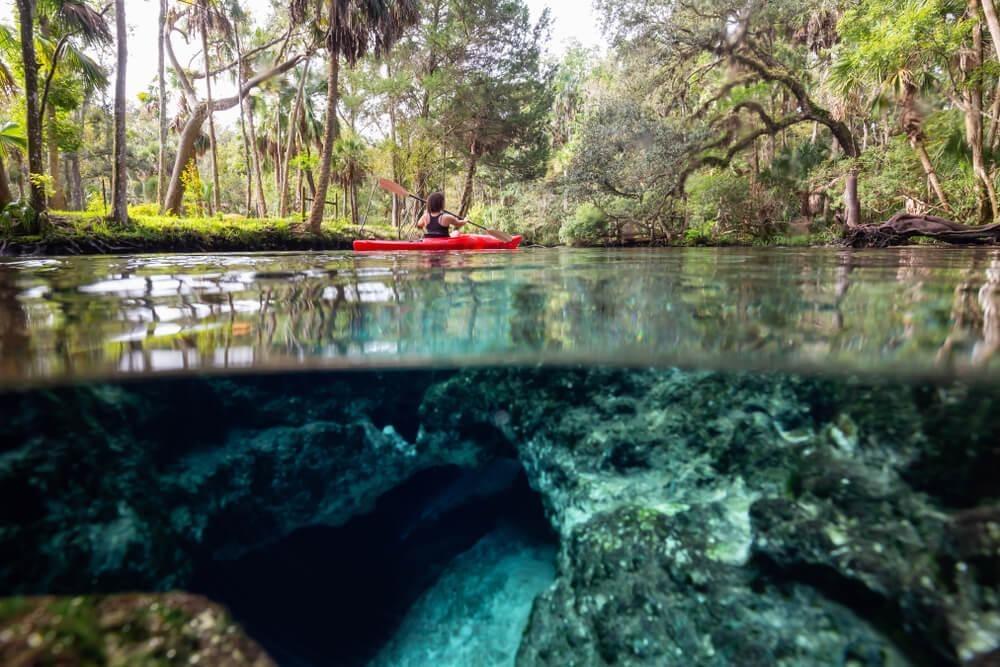
Manatee Park in Fort Myers. If you're willing to spend a little more time on the road, consider visiting Manatee Park in Fort Myers. It's about a two-hour drive from the southern part of the Tampa Bay area, depending on traffic, but the location and recreational opportunities make the trip worthwhile.
Manatee Park is a protected natural area where wild manatees gather during winter. As in Apollo Beach, the reason is warm water discharged from the cooling system at the Florida Power & Light power plant. It flows into a designated canal connected to the Orange River, creating favorable conditions for manatees during the colder months.
The park has observation areas where visitors can watch the animals without disturbing them. The largest numbers of manatees usually gather here during extended cold spells, especially in January and February.
However, Manatee Park is worth visiting for more than its winter visitors. The grounds include walking trails, a butterfly garden, picnic areas, a playground, and other recreational spaces. Kayak rentals are also available for those who want to explore the surrounding nature from the water.
You can spend a few hours at the park before heading to downtown Fort Myers. Its historic River District is known for its charming streets, restaurants, small shops, galleries, and waterfront along the Caloosahatchee River.
Keep in mind that the park operates on a daytime schedule, and its gates close at sunset.
How to See More Manatees During Your Trip
Even if you've chosen one of the best manatee viewing locations, a sighting isn't guaranteed. These are wild animals that choose where to stay based on water temperature, food availability, and other natural conditions.
The best strategy is to plan your trip after several days of cooler weather. When water temperatures in the bay drop below 68°F, manatees move more actively toward warm springs and canals. That's why a cold winter morning may offer much better viewing opportunities than a warm, sunny day.
It's also a good idea to arrive early, especially at popular destinations like Three Sisters Springs. Weekends and holidays can bring large crowds, while parking and access to certain viewing areas may be limited.
Before heading out, check the latest sightings and available webcams. For example, Tampa Electric offers a live online view of its manatee canal, while you can check Crystal River for information about seasonal restrictions and access to the springs.
Remember to Follow Responsible Wildlife Viewing Guidelines
Manatees are protected animals, and their winter gatherings in warm waters are essential to their survival. During this time, they conserve the energy they need to survive in cold water, so any human interference can put them at risk.
Always observe manatees quietly from the shore or from an approved watercraft, and never try to get closer just to take a photo. Don't chase, touch, or feed them, or block their path to the water's surface. It's especially important not to disturb animals that are resting or feeding.
If you plan to swim with manatees in Crystal River, choose tour operators who follow wildlife protection regulations. These excursions involve passive observation, meaning visitors must never initiate contact with the animals.
Remember that manatees regularly surface to breathe. Never block their path or try to touch an animal that swims toward you on its own. The best way to experience these gentle giants is to let them behave naturally.
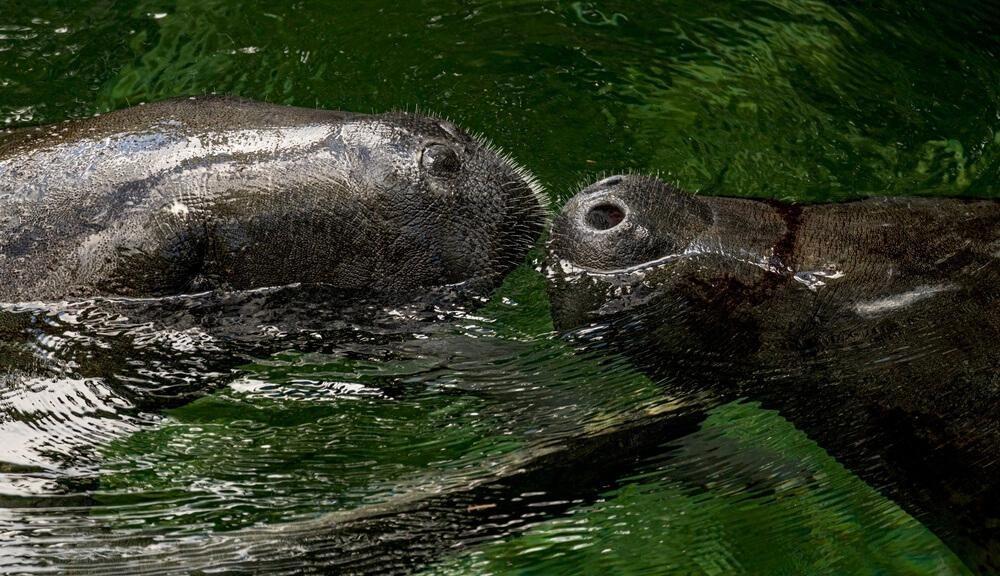
Manatees remind us that sometimes the most interesting adventures don't require long journeys or complicated itineraries. All it takes is a chilly morning, a quiet stretch of water, and a little patience to encounter some of the most fascinating inhabitants of Florida's waterways.


ABOUT TampaBayTide
FOR BUSINESS