


Finding the Right Boat Storage for Your Lifestyle


For a boat owner in Tampa Bay, the question of “where to keep it?” is almost as important as where to take it. You can leave your boat in the water, store it on land in a dry stack, keep it on a boat lift, or transport it on a trailer. Each option has its advantages, and the choice largely depends on how often you use your boat and how much time you are willing to spend getting it ready to hit the water.
There is no one-size-fits-all solution. What works perfectly for the owner of a large boat who heads out onto the bay several times a week may be completely inconvenient for someone with a smaller boat who likes exploring a new part of the coast every weekend.
Wet Slip: Your Boat Is Always Ready to Go
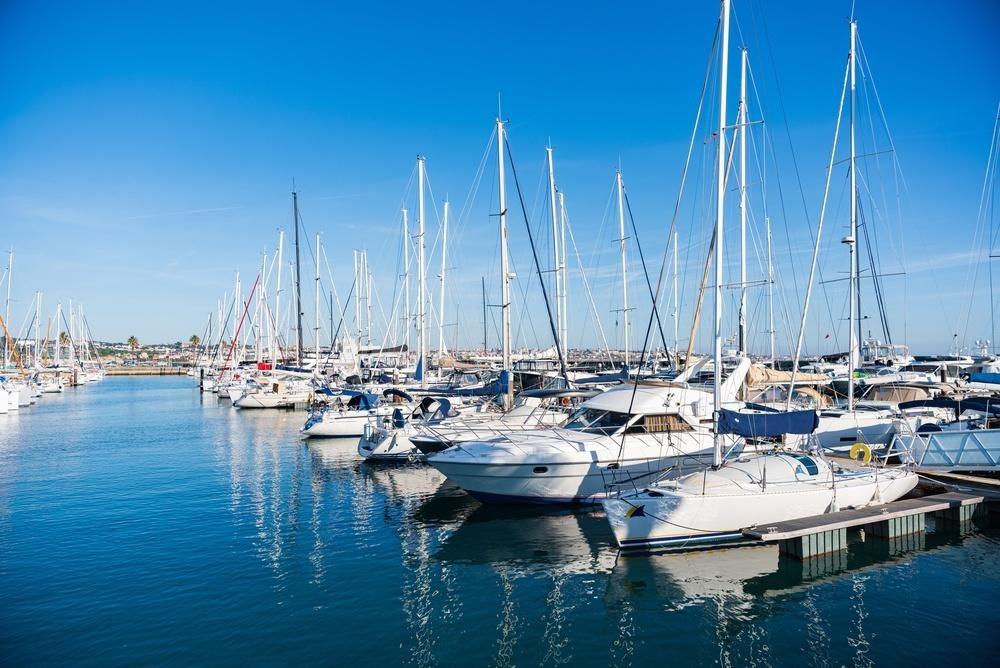
The most convenient option for those who use their boat frequently is a permanent space at a dock, or a wet slip. The boat stays in the water, so you don't have to spend time transporting and launching it for a spontaneous evening cruise or an early-morning fishing trip.
This is especially valuable for people who see their boat as a way to spend an ordinary evening after work, rather than something reserved for big weekend plans. If the boat is already in the water, all you have to do is come to the dock, get it ready, and head out.
However, staying in saltwater year-round means additional exposure for the hull, engine, and underwater components. The boat requires regular cleaning and maintenance, and owners need to keep a closer eye on marine growth and other effects of prolonged time in the water.
A wet slip also makes sense for larger boats that are difficult or impractical to transport regularly on a trailer.
If you're already leaning toward this option, the next question is which marina to choose. We covered what to look for before renting a slip in the article “How to Choose a Marina: What Boat Owners Should Look for Before Renting a Slip.”
Dry Stack: Store Your Boat on Land
Dry stack, also known as high and dry storage, combines professional on-land storage with relatively quick access to the water.
The boat is stored on a specialized rack, and when the owner wants to head out, marina staff lower it into the water. After the trip, the boat is lifted back out and returned to its spot.
The main advantage of this approach is that the boat doesn't spend all its time in saltwater, reducing the effects of the marine environment on the hull and equipment while also eliminating the need for the owner to tow the boat on a trailer. This option works especially well for owners who use their boat regularly but don't need the ability to get on the water at literally any moment.
The main tradeoff is availability. Depending on the marina, you may need to request a launch in advance. So for someone who likes deciding at 5:30 p.m. that they want to be on the water in twenty minutes, a wet slip may be more convenient.
Boat Lift: Your Boat Is by the Water, but Not in It
A boat lift is another popular option, especially for owners of waterfront property.
The principle is simple: the boat sits on a specialized structure and is lifted out of the water after use. The next time you want to go out, you can lower it back into the water and head out.
For someone who lives on a canal or has private water access, this can be one of the most convenient solutions. There's no need to drive to a marina, arrange a launch, or use a public ramp. The boat is literally right outside your home.
However, a boat lift isn't a one-size-fits-all solution. For a private installation, you need to consider the boat's size and weight, water depth, canal characteristics, and local requirements. The lift itself also needs regular maintenance.
Trailer Storage
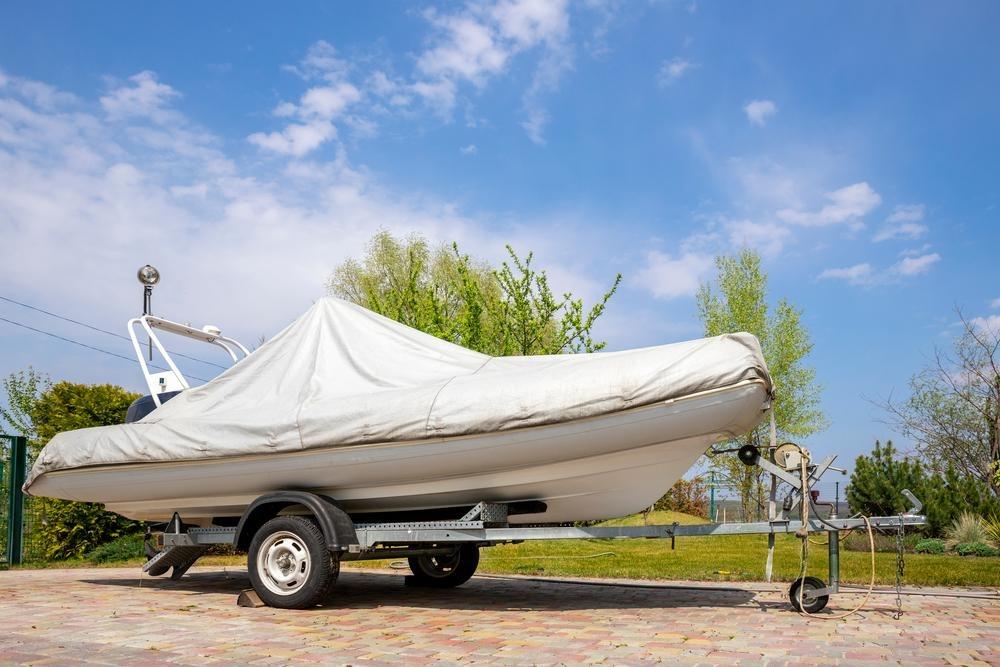
For small and midsize boats, a trailer can remain one of the most flexible options.
Instead of being tied to a particular marina, the owner keeps the boat on a trailer and transports it to the ramp of their choice when they want to get on the water.
Yes, this requires more work. You need a suitable vehicle, a place to store the trailer, and a willingness to launch and retrieve the boat yourself. At popular locations on weekends, you'll also need to account for lines at the ramps.
But in return, you get freedom of choice. Today you can head out on Tampa Bay, next time you can go closer to the Gulf Coast, and a week later you can choose a completely different launch point. You don't have to start every trip from the same marina.
The region also has dedicated storage facilities for boats on trailers. For example, some marinas combine trailer storage with a private ramp, allowing owners to keep their boats on land without depending on busy public boat ramps.
For someone who enjoys exploring different parts of the coast, that freedom may be more important than the maximum convenience of a wet slip.
What Changes During Hurricane Season
In Tampa Bay, the way you store your boat matters not only on a normal day. During a tropical storm or hurricane, the situation changes.
Under the right conditions, a boat on a trailer can be pulled out of the water and moved to a safer location. A boat in a wet slip requires a different preparation plan, while a vessel that is already stored on land doesn't face the issue of storm surge directly at the dock.
But none of these options means automatic safety. Each marina may have its own rules for preparing boats for severe weather, and owners need to know in advance exactly what will be expected of them. Hurricane policy is another factor worth considering when choosing a storage option. You don't necessarily need to dive into every rule at a specific marina before buying a boat, but you should understand the general plan ahead of time, rather than waiting until a tropical storm is already approaching the coast.
Which Option Is Right for You?
If you use your boat several times a week and the ability to simply show up and head out on the water is your top priority, a wet slip will most likely be the most convenient option.
If you regularly take your boat out but don't need immediate daily access to it, dry stack can be a good compromise between convenience and storing the boat on land.
For a waterfront property owner, a boat lift can provide maximum convenience without keeping the boat in the water all the time.
And if you have a small trailerable boat and enjoy changing your routes and launch locations, storing it on a trailer will give you the most freedom.
Ultimately, the best place for your boat isn't necessarily the most expensive marina or the closest dock. It's the option that fits your actual lifestyle. If you can easily access, prepare, and launch your boat, you're more likely to use it more often. And in Tampa Bay, that's the main goal of any boat storage option.


ABOUT TampaBayTide
FOR BUSINESS