


Dry Storage vs. Wet Slip and What Really Matters for Your Boat


Choosing between dry storage and a wet slip may seem like a simple dilemma at first: keep your boat on land or leave it in the water. In reality, the question is more complicated for a boat owner, and the difference has much more to do with how you actually use your boat. One option saves time before heading out on the water, while the other can reduce your boat’s constant exposure to saltwater and some routine maintenance.
Dry storage and wet slips solve the same problem, but they do it in different ways. In the first case, the boat is stored on land and launched when you plan to head out. In the second, it stays in the water permanently, making it much easier to access. In practice, the difference between these options becomes especially noticeable depending on how often you use your boat, how far in advance you plan your trips, and how much time you are willing to spend on maintenance.
That’s why, before renting storage, you should look at more than just the monthly price. It’s important to consider how often you go out on the water, the rules of the specific marina, boat size restrictions, the launch and retrieval process, maintenance costs, and conditions during stormy weather. These factors will help you understand which option better matches the way you actually use your boat.
Start With How Often You Go Out on the Water, Not the Price
Imagine two typical scenarios.
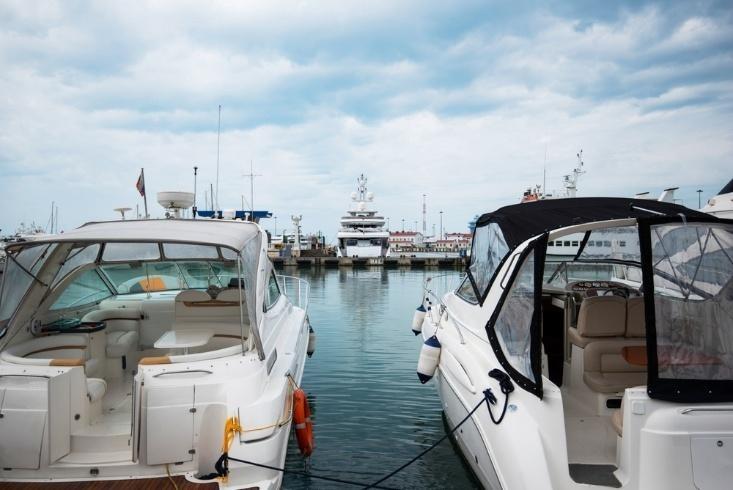
In the first, you live near a marina, finish work early, check the weather, and decide to spend a few hours on the water. If your boat is in a wet slip, you don’t have to schedule anything or wait for it to be pulled out of storage. You arrive at the dock, get the boat ready, and head out.
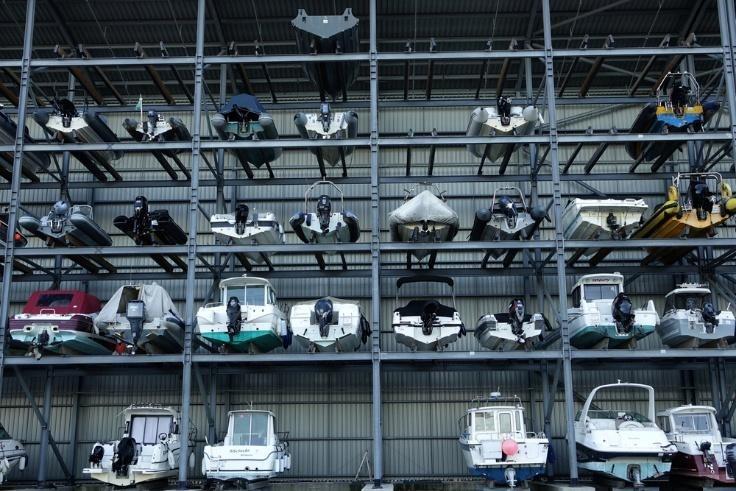
With dry storage, the process is different. The boat is kept on land, usually on a rack, and the marina launches it when you request it. That means you need to account for the time required for retrieval, as well as the specific marina’s hours of operation. Some facilities require you to request a launch in advance, and during the busiest times, the wait may be longer.
That’s why the actual number of times you go out on the water matters more than the vague statement “I use my boat often.” If you go out several times a week and some of those trips come up spontaneously, the convenience of a wet slip becomes very noticeable. If you usually plan your trips in advance, having to request your boat by a certain time may not be a problem at all.
Dry Storage Has an Advantage When Your Boat Spends More Time Out of the Water
The main practical advantage of dry storage isn’t simply that the boat stays “dry.” It spends significantly less time in a marine environment.
For a boat that stays in saltwater all the time, that means regular work related to the hull and underwater components. Marine growth, hull cleaning, anode inspections, and other procedures become part of routine maintenance. When the boat is stored on land, some of these problems simply don’t occur to the same extent.
That doesn’t mean dry storage makes a boat maintenance-free. The engine, electronics, batteries, fuel system, and other equipment still require maintenance. But the storage method reduces the specific type of wear and maintenance that comes from being in the water continuously.
For an owner who mainly uses the boat on weekends, this can be a particularly logical compromise: the boat stays out of saltwater for most of the week, while you also don’t have to transport it yourself on a trailer to a launch ramp.
Wet Slips Have an Advantage When Time Matters More Than Preparation
With a wet slip, the boat is already where you need it to be, and that changes the structure of the entire trip.
An early-morning fishing trip before work, a short evening ride around the bay, or a decision to head out an hour after the weather changes all become much easier. You don’t have to work around a crane or forklift schedule.
For some owners, that convenience matters more than the additional maintenance. If you bought a boat specifically so you could use it without a lot of extra planning, having constant access may be more important than potential savings on maintenance.
At the same time, it’s worth being honest about how often you actually use this advantage. If the boat spends most of its time simply sitting at the marina, being able to head out on the water at any moment may not justify all the costs and maintenance associated with keeping it in the water continuously.
Your Boat’s Size Could Settle the Question Before You Compare Prices
Dry storage isn’t a universal option for every boat.
The size and configuration of the vessel matter because dry-stack facilities use specific rack systems, lifting equipment, and restrictions based on length, beam, and weight. Wet slips generally offer a much wider range of sizes, so for larger boats or yachts, your options may be limited before you even start comparing monthly rates.
It’s important not to look only at the boat’s length. Before signing a contract, check the maximum beam, weight, and hull type accepted by the specific dry-storage facility. Two facilities in the same area can have completely different restrictions.
For sailboats, the question is even more complicated because of the mast and the vessel’s design, so dry stack is primarily an option for certain types of powerboats rather than a universal alternative to a wet slip.

Compare More Than Just the Rental Rate
The storage price is only the first number you’ll see in the contract.
For a wet slip, you should also consider the ongoing costs associated with keeping the boat in the water. More frequent hull cleaning, maintenance of underwater components, and other marine-related work can gradually change the actual cost of this type of storage.
With dry storage, some of these costs may be lower, but you need to consider the retrieval terms instead. Is launching included in the monthly fee? Is there an additional charge for launch or retrieval? Do you have to reserve a time? What happens on weekends and holidays? Are there limits on the number of launches?
These questions often tell you more than simply comparing two numbers on a price sheet.
The conditions can also vary depending on whether the storage is covered, open, or fully enclosed. So two dry-storage facilities don’t necessarily offer the same level of protection for your boat.
What About Hurricane Season?
For Tampa Bay, the question of storage doesn’t end with the normal workweek.
During a tropical system or when a major storm is forecast, a boat owner needs to know in advance exactly what the marina’s storm policy includes. A wet slip means the boat stays in the water and needs to be prepared according to the specific marina’s rules. Dry storage moves the boat from the water onto land, but that doesn’t automatically mean protection from every storm: the type of structure, the facility’s location, and its own hurricane procedures still matter.
That’s why, before signing a contract, it’s worth asking a direct question: What does the marina do with boats when a storm warning is issued? Who is responsible for preparation? Does retrieval continue? Does the owner need to come in personally? And what happens if the facility temporarily closes?
For Tampa Bay, this isn’t a theoretical question that can be left until the end of the contract. A marina’s severe-weather policy is part of the practical value of storage, even if you don’t think about it for most of the year.
So, Dry Storage or Wet Slip?
Dry storage fits well when the boat is used regularly but trips are usually planned in advance. You want to avoid keeping the boat in saltwater continuously, but you don’t want to deal with a trailer, launch ramp, and transportation after every trip. It can be especially convenient for an owner who mainly goes out on weekends or plans fishing trips and cruises ahead of time. In that case, having to request the boat by a certain time may be a small price to pay for keeping it out of the water for the rest of the week.
Dry storage is also worth considering if your boat fits the size requirements of a specific facility and reducing exposure to saltwater matters more to you than being able to head out on the water without advance planning.
A wet slip becomes more practical when the boat isn’t a planned weekend activity but part of your everyday life. If you regularly go out after work, fish at sunrise, take frequent short trips, or simply don’t want to check the retrieval schedule before every outing, having constant access can be a deciding factor.
It’s also a more obvious option for larger vessels that don’t fit a particular dry-stack facility. And for owners who need constant access to dockside utilities or other amenities associated with keeping a boat at the dock, a wet slip may be a more practical solution.
If you’re leaning toward a wet slip, choosing storage effectively means choosing a specific marina. We’ve already covered in detail what to look for when renting a slip in “How to Choose a Marina: What Boat Owners Should Look for Before Renting a Slip.”
Instead of asking yourself which type of storage is better, try imagining a typical month.
How many times do you actually go out on the water? How many of those trips happen spontaneously? Are you willing to plan retrieval in advance? Do you want to minimize the amount of time your boat spends in saltwater? Does your boat meet the restrictions of the dry-stack facility? And what matters more to you: being able to arrive and head out right away, or having fewer day-to-day concerns about a boat that stays in the water?
In Tampa Bay, both options eliminate some of the hassle associated with transporting a boat on a trailer. The difference is where you want to “pay” for convenience: a wet slip gives you time, while dry storage can save you some of the work associated with keeping a boat in the water continuously. That’s the difference worth considering before signing a contract.


ABOUT TampaBayTide
FOR BUSINESS